
Mastery of Builders Over Time
The Most Beautiful Castles in Europe
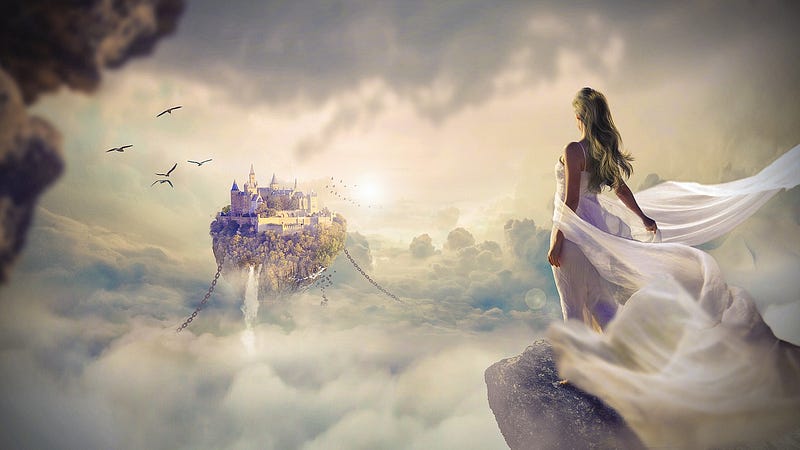
Since childhood, castles have always fascinated us, imposing, grand, famous, and with a small or large dose of mystery, and once we learned that each of them hides a unique history, our interest in them grew.
Enjoy the following images of some of the world’s most famous and, not to mention, most beautiful castles!
Castles, which kings and queens built to protect and rule their lands, not only withstood the attack but also reflected power and wealth for all to see. As a result, solid structures and imposing walls were built alongside magnificent palaces filled with ornate and elaborate halls, halls, and throne rooms.
In addition to the stunning architecture on display, these castles were frequently built in strategic and spectacular locations at the mouths of valleys, at the entrance to mountain passes, or on the shores of lakes. Add the weight of history, and these architectural marvels set amidst breathtaking landscapes make some of Europe’s most beautiful castles.
Europe has some of the most extraordinary histories and cultures on the planet. There is a way to ensure a historical and magical experience unlike any other for visitors coming to Germany, France, the United Kingdom, and other parts of Europe to experience Europe’s many wonders. By visiting Europe’s most beautiful castles. There is so much to discover, from 18th-century fortresses to 13th-century palaces to ancient castles dating back to the 1st century. You can learn about the history of royal families, battles and wars fought in regions and territories across the continent, and relationships with these castles that span generations. Millions of people travel to see the magnificent palaces. But, before you visit Europe’s most remarkable castles, take a moment to learn why courts have been and continue to be so crucial in European life.
CASTLES AND THEIR IMPORTANCE IN EUROPE Castles in Europe served many vital functions during the Middle Ages, including protecting the nobility. Here are some fun and exciting facts about these enchanted castles that you may not be aware of.
The majority of castles in Europe were built during the Middle Ages. In Europe, there are over 10,000 medieval castles and their ruins. They not only served to protect the nobility, but they also functioned as political hubs and local government offices. Germany is the European country with the most castles, with over 25,000. Some of the oldest, such as Meerburg Castle and Wartburg Castle, is still standing. As the Renaissance era progressed, many of these historical monuments were transformed into military fortresses. Windsor Castle is Europe’s oldest still-inhabited castle.
Castle Hohenwerfen (Austria)
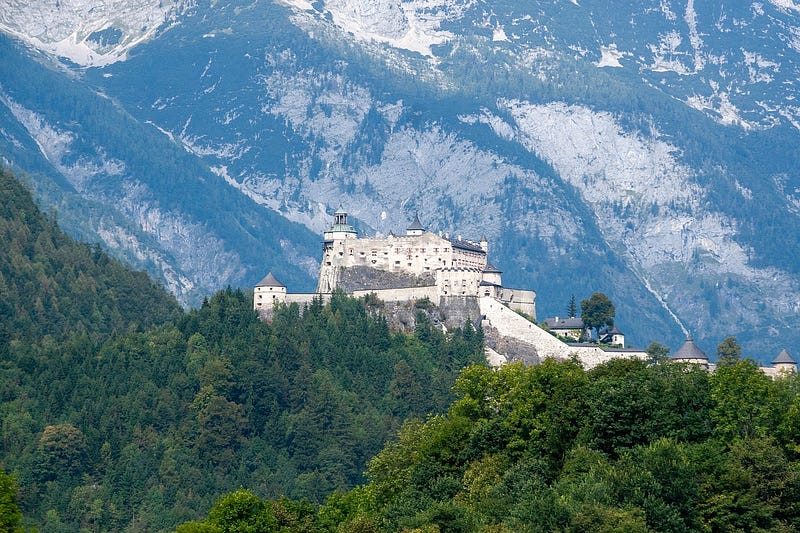
Hohenwerfen Castle, perched on a rocky mountain with the Berchtesgaden Alps in the background, provides an epic view. The castle and its solid walls were built between 1075 and 1078 and are located in Austria’s beautiful Salzach Valley, just south of Salzburg.
It has served as a state prison . Hohenwerfen Castle, now a museum, is worth seeing for its fascinating history and the stunning setting amidst the mountains.
Castle on Trakai Island (Lithuania)
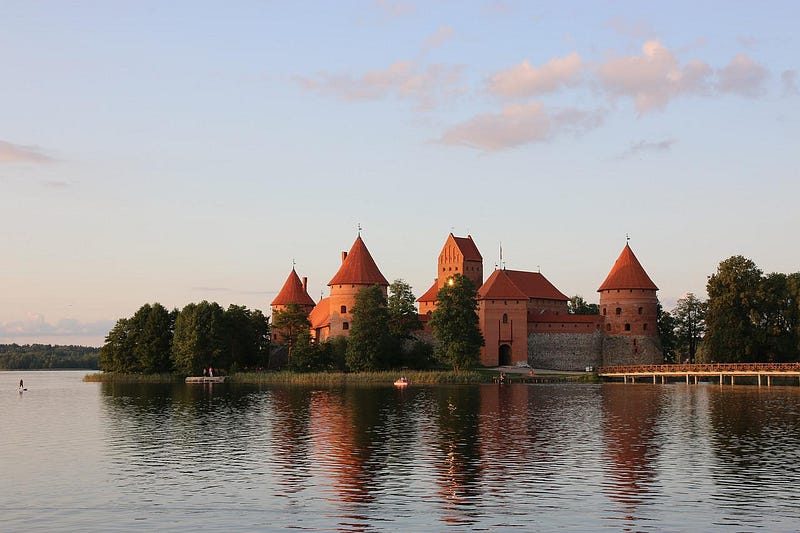
As the name suggests, this magnificent castle is situated on a small island surrounded by the glistening waters of Lake Galve. The imposing red brick fortification, located just outside Vilnius, was once of the most significant strategic importance to the Grand Duchy of Lithuania.
When viewed from across the lake, Trakai Island Castle's Gothic and Romanesque features appear especially appealing.
Miramare Castle (Italy)
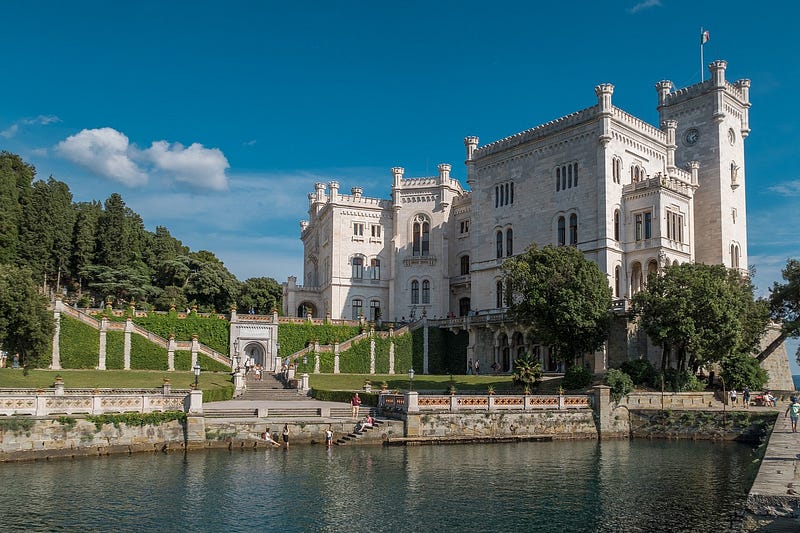
The bright white walls of Castello di Miramare, very elegant and refined, stand out charmingly against the sparkling waters of the Gulf of Trieste. The castle, located near Trieste in north-eastern Italy.
The castle’s beautiful decor and design are perfectly complemented by lavish gardens and a spectacular seaside park, making it well-suited to the Habsburg family. Castello di Miramare, now a famous museum, draws visitors worldwide to see its original furnishings and rooms in all their splendor.
Predjama Castle (Slovenia)
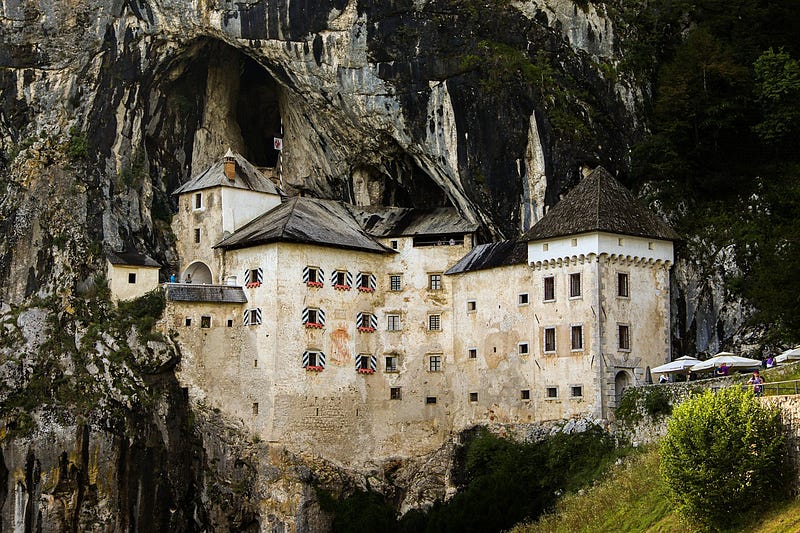
Predjama is one of the most visually appealing castles globally, perched on the side of a large, craggy cliff. Its advantageous location in the mouth of a cave made attacks impossible and allowed defenders to replenish their supplies through a hidden network of cave passages.
Predjama Castle, built and destroyed several times over the centuries, is located just a short drive from Slovenia’s capital, Ljubljana. Which is a great time to visit.
The Kylemore Abbey (Belgium)
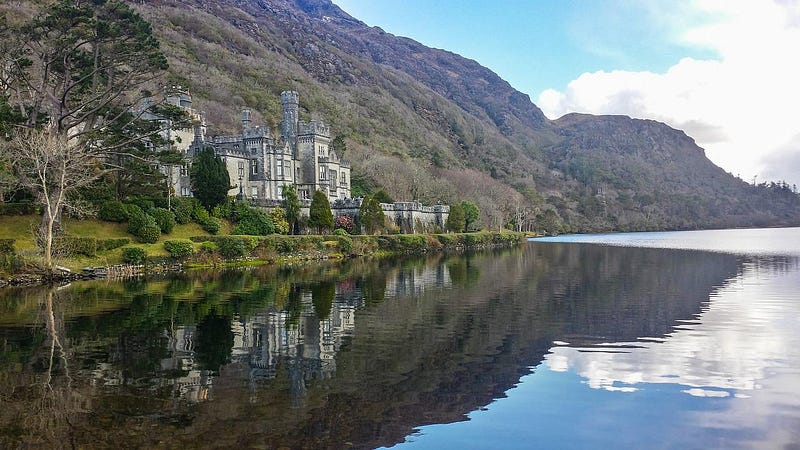
Known initially as Kylemore Castle, was converted into a Benedictine monastery by Belgian nuns fleeing the fighting of the First World War. The property’s Gothic church, built-in 1868 to be the private home of a wealthy doctor, is beautifully reflected in the waters of Pollacapall Lough.
Kylemore Abbey has long been one of Galway’s most popular attractions, with enchanting mountains, reflecting lakes, and rivers flowing around it. Many visitors come to stroll through its landscaped gardens.
The Conwy Castle (Wales — UK)
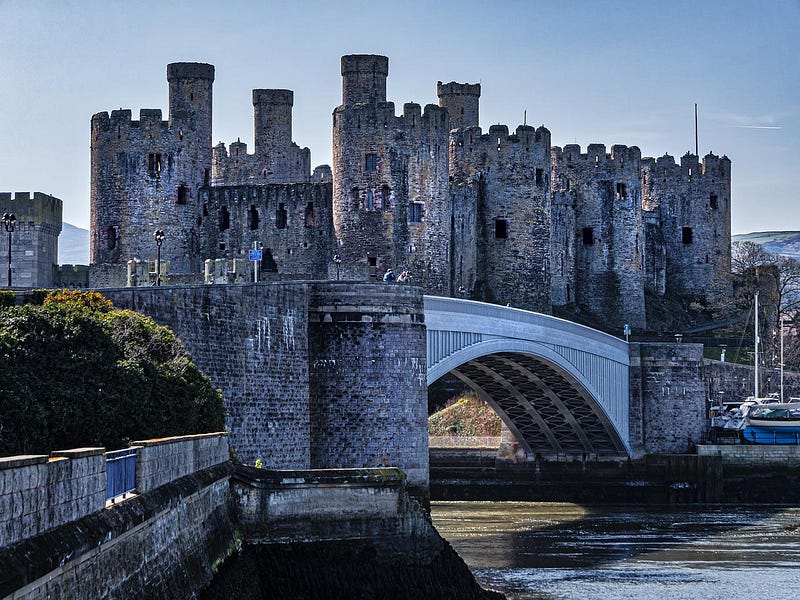
Conwy Castle, located in North Wales. The imposing castle, situated in a strategic location on the banks of the River Conwy, played a critical role in many battles and wars over the following centuries. The castle is considered one of Europe’s finest examples of military architecture, with not only two barbicans but also eight large, impenetrable towers.
While its massive silver-grey stone walls and riverside location provide a stunning view, its interior is equally impressive, thanks to its well-preserved medieval royal apartments.
The Castle of Bamburgh (England — UK)
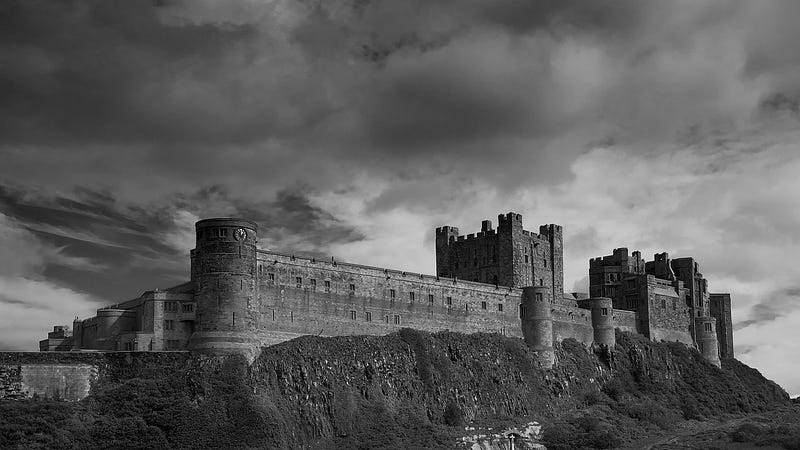
The great and immense Bamburgh Castle, built on the cliff of an island off the northeast coast of England, has a long and fascinating history that visitors can explore. It was the location of a British Celtic fort, which has stood on the same spot since 420.
The current castle, built by the Normans in the 11th century, has long served as an essential outpost for English monarchs due to its proximity to the Scottish border. The photogenic Bamburgh Castle has appeared in numerous books and films due to its romantic and desolate seaside setting, majestic towers, and crumbling battlements.
Chillon Chateau (Switzerland)
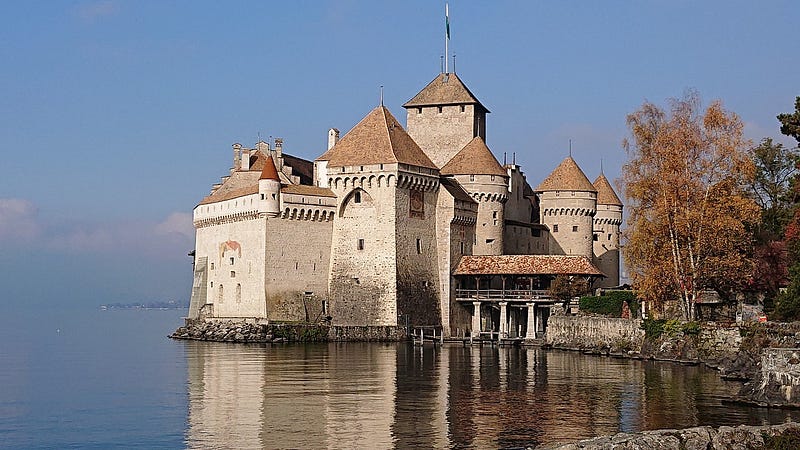
Chateau de Chillon, located at the eastern end of Lake Geneva, provides a spectacular view, especially when the Dents du Midi mountains are covered in snow and visible in the background. The Romans built an earlier version of the castle to guard strategic passes through the nearby mountains.
The Swiss castle, located on a small island connected to the lakeshore by a charming little bridge, has an artistic and appealing architecture magically reflected in the waters around it. Chateau de Chillon, a popular day trip from Geneva, also has some elegant halls and courtyards for visitors and an atmospheric crypt.
The Windsor Castle (England)
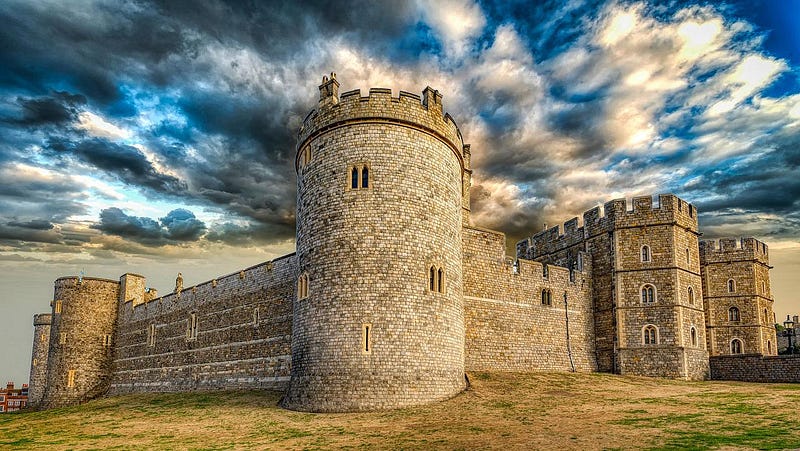
Windsor Castle, one of the most popular tourist destinations in the United Kingdom, is world-famous for being one of the homes of the British Royal Family. Surprisingly, the castle is not only the world’s oldest palace but also its most significant.
The size and scale of the royal residence make you wish you were there. Initially built in the 11th century, Windsor Castle is one of the most beautiful and elegant castles on the planet, with Georgian and Victorian design, extravagant baroque interiors, and exquisite rococo furnishings.
The Castle of De Haar (Netherlands)
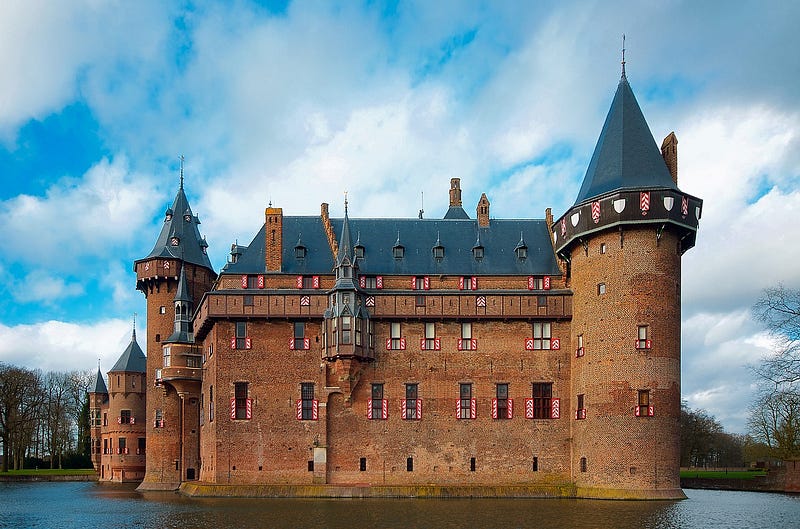
They rise from a cluster of rose gardens. The magnificent neo-Gothic castle is set outside Utrecht in the Netherlands, surrounded by beautiful moats, lakes, and parks.
Its interior is equally impressive, with each of its two hundred rooms. While the castle was first mentioned in 1391, its current romanticized version dates from 1892, when it was restored and renovated from its ruined state.
Huniazilor Castle (Corvin Castle) (Romania)
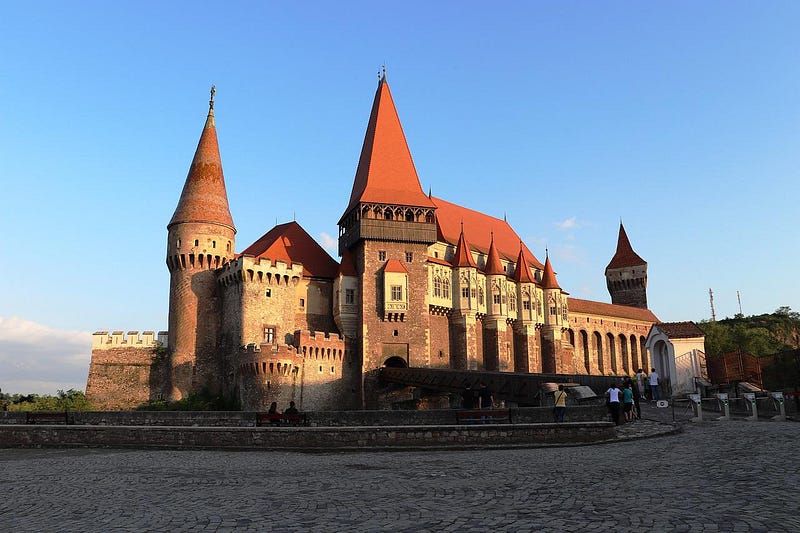
Corvin Castle in Transylvania is one of Europe’s largest castles, built in a beautiful Gothic-Renaissance style. The 15th-century fortress, perched on a hilltop overlooking the Zlasti River, features a series of tall towers, impenetrable walls, and a sturdy drawbridge.
A slew of myths and legends surrounds the Romanian castle. Several TV shows and films have depicted its appealing and fairytale-like appearance.
The Castle of Cochem (Germany)
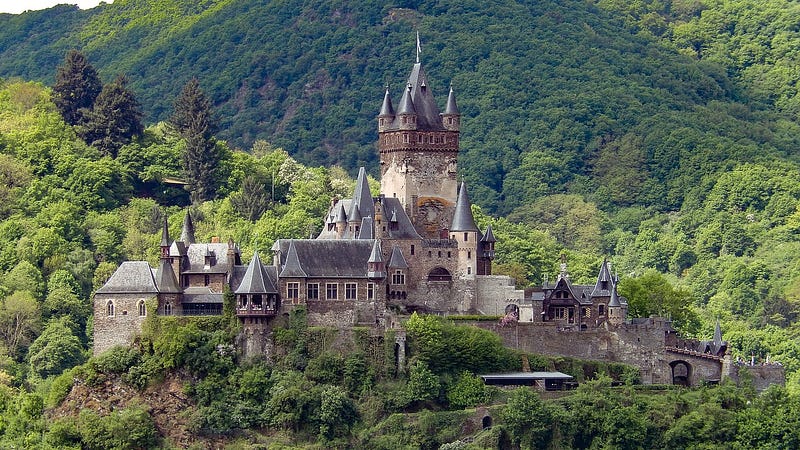
The castle of the same name is set in a picturesque location overlooking Cochem and the Moselle River, surrounded by green hills with lush forests and vineyards all around. The castle has stood on the same hilltop since 1130, but the original castle was destroyed in 1688 by Louis IV’s marauding troops.
The current castle, restored and rebuilt in a superb Gothic Revival style, is a popular tourist attraction in the German Rhineland. Cochem Castle is fascinating to explore, but the views from its towers and the town and the river nearby are equally so.
The Swallow’s Nest (Crimean Peninsula)
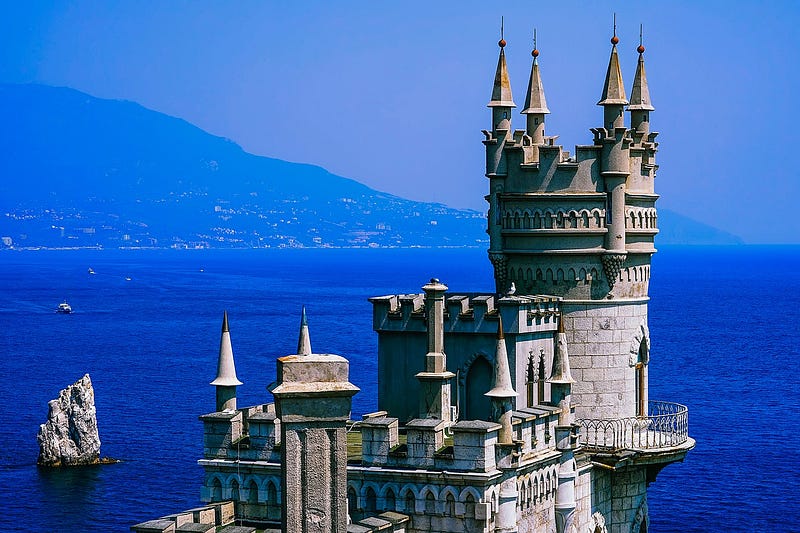
The castle is perched on a clifftop on the Crimean Peninsula. The carefully decorated castle, which overlooks the glistening waters of the Black Sea, was built in 1911 with romantic neo-Gothic designs. Swallow’s Nest is now a popular tourist destination, thanks to its appearance in numerous films during the Soviet era. Visitors come here specifically for the beautiful scenery, exquisite architecture, and unique views.
Spis Castle (Slovakia)
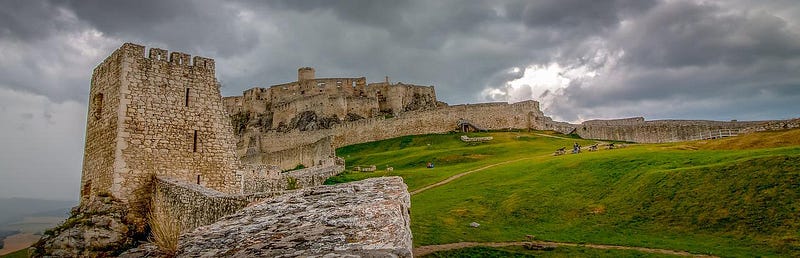
Spis Castle, located in the northeast of Slovakia, has dominated its surroundings since it was built in 1241. Because of its cultural, economic, and political significance to the Kingdom of Hungary, the castle grew in size until it became today's massive fortress.
Spis Castle, with its impressive stone walls and towers and a beautiful Romanesque palace, is now an exciting and educational museum. With its stunning views of the hills and valleys, this magnificent fort is not to be missed when visiting Slovakia.
Castle of Hohenzollern (Germany)
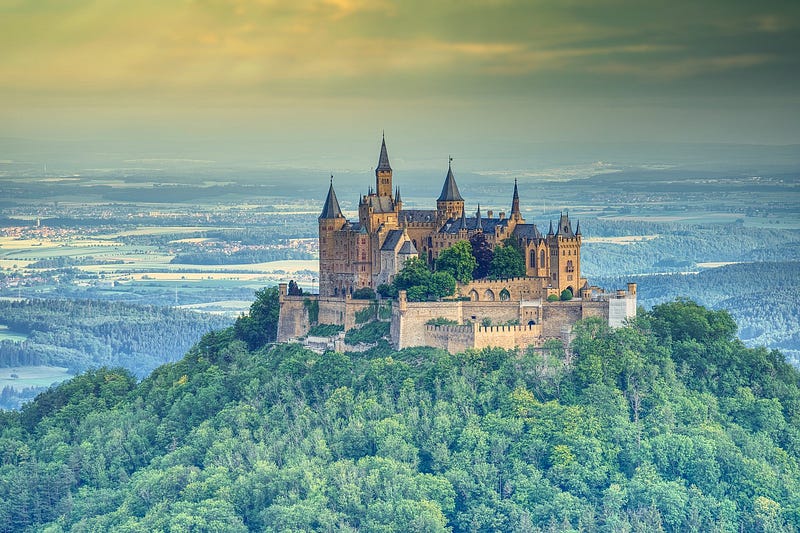
Hohenzollern Castle always provides an epic view, whether viewed from among the treetops surrounding it or from the clouds that swirl around its walls. The Gothic Revival castle and palace, perched atop the same-named mountain, is architecturally stunning, and the halls and rooms inside are just as delightfully decorated.
While the current castle was built in 1867, a fortress on the same mountain has stood since the 11th century. Hohenzollern, one of Germany’s most visited castles, is still owned by the royal house of the same name.
Segovia’s Alcazar (Spain)
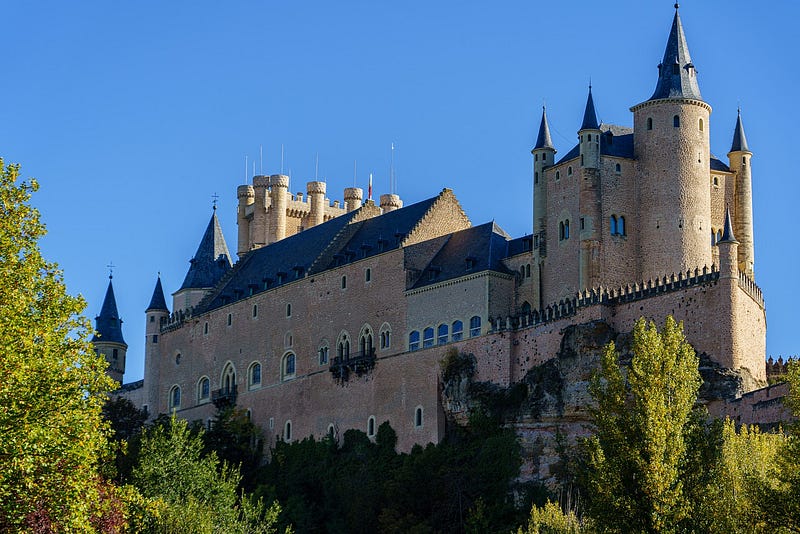
The Alcazar de Segovia, shaped like a ship’s bow, has long drawn tourists due to its unique design and stunning decor. Indeed, the court's magnificent castle and slender towers appear particularly tough, given their location on a rocky outcrop overlooking the confluence of two rivers.
The well-preserved palace, located in the heart of Spain, is full of elegant rooms and halls decorated with fine art and furniture. The Alcazar de Segovia, now a famous museum, also has a well-equipped armory and weapons collection for visitors.
The Bran Castle (Romania)
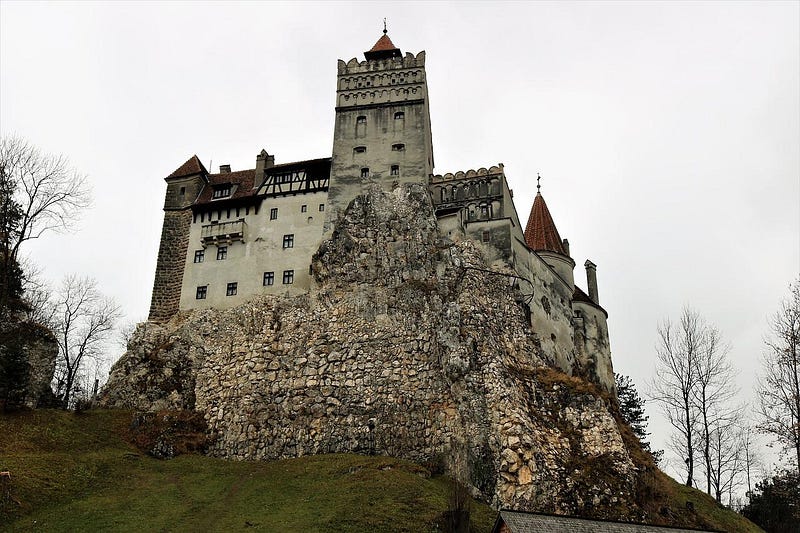
Bran Castle, also known as “Dracula’s Castle” outside of Romania, appears to be the home of a dangerous vampire. The forbidden fortress is hidden in a Transylvanian forest. Despite its strange appearance, the castle has nothing to do with the cruel and brutal 15th-century ruler Vlad the Impaler, who inspired Bram Stoker’s novel Dracula.
Bran Castle, set in a lush valley, is worth visiting for its stunning architecture and beautiful scenery. Visitors can also now explore the castle’s many rooms, house Queen Mary’s extensive collection of art and furniture.
Castle of Pena (Portugal)
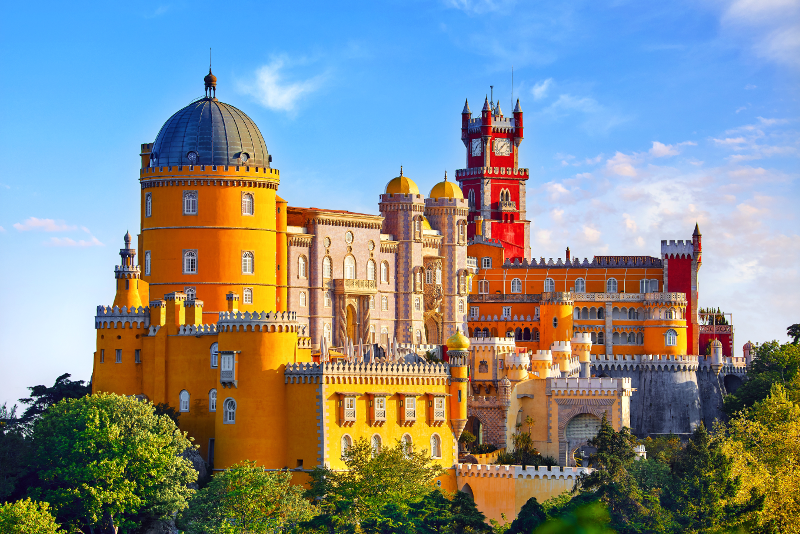
Pena Palace, undoubtedly the most glitzy and daring castle on this list, is as one-of-a-kind as it sounds. The yellow and vibrant red colors of the walls glow from the prominent hillside setting in the Sintra Mountains just outside Lisbon.
Its imaginative design, completed in 1854 in a Romanticist style, is a joy, and the views from the ramparts and gardens look like something out of a fairy tale of princes and princesses. With all of its fantastic features and exotic and extravagant architectural styles, it will be one of the highlights of any trip to Portugal.
Castle Eilean Donan (Scotland — UK)
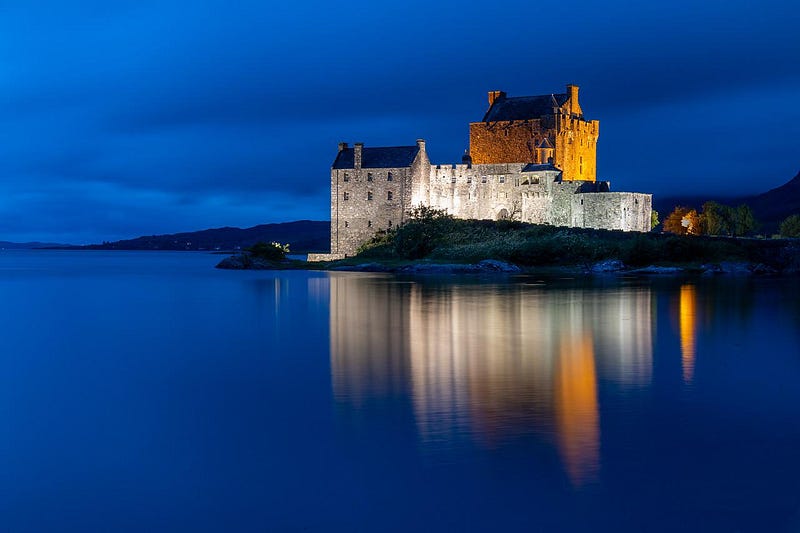
Eilean Donan in Scotland is truly blessed by its spectacular setting. The current romanticized and reinvented castle dates only from the 20th century.
Although its crumbling grey walls and indistinct features may not appear as impressive as those of other castles, its stunning surroundings are what truly distinguishes it. Eilean Donan is undoubtedly one of Europe’s most famous and recognizable castles, having appeared in countless films and TV shows.
Schloss Neuschwanstein (Germany)
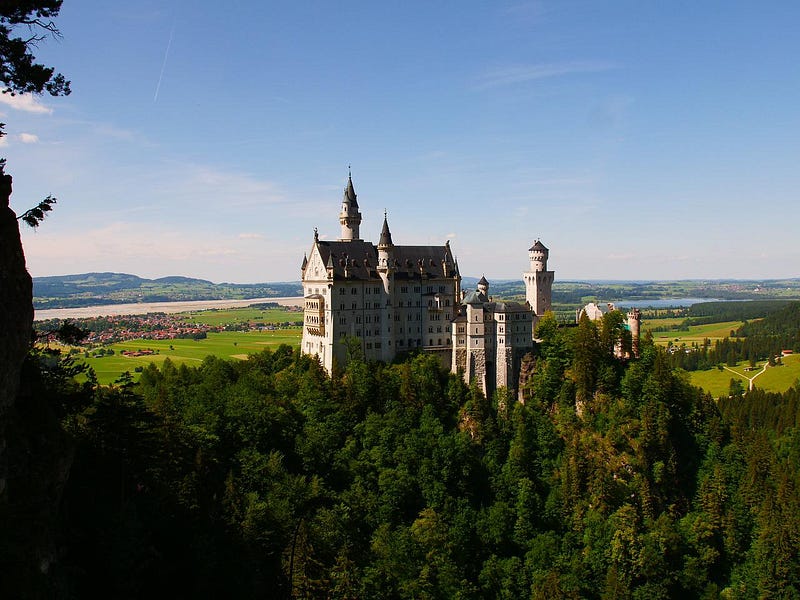
Bavaria’s Neuschwanstein Castle appears to be straight out of a children’s fairytale book, perched atop a wooded mountain with the majestic Bavarian Alps behind it. The castle’s enchanting design, which was only completed in 1886, is inspired by Romantic architecture and Ludwig II’s love and appreciation of Richard Wagner’s operas.
With its beautiful towers and magnificent entrance, the photogenic palace was actually the inspiration for Disneyland’s Sleeping Beauty castle. The court's interior is no less impressive, with incredible artwork and valuable paintings. Visitors can take a tour of its opulent halls and rooms. Neuschwanstein Castle, one of Germany’s most popular tourist attractions, is widely regarded as one of the most beautiful castles due to its fabulous design and breathtaking decor.
Follow, comment and clap for more! Thank you for reading. I’ll follow you back to contribute to the growth of the community. I appreciate your views and suggestions, and I hope you do as well.