
MARKETING
Marketing and Gender Have a Love-Hate Relationship
An image-led article about gender-biased adverts past
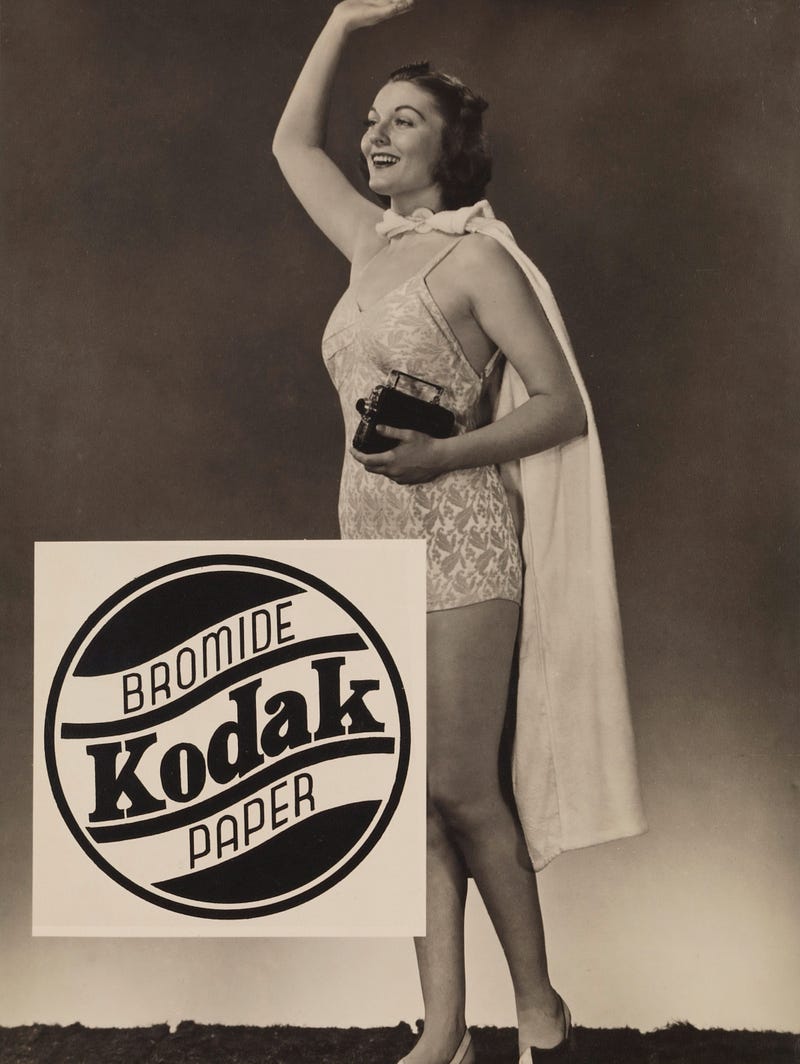
Gender stereotypes have been ever-present in marketing adverts since the dawn of time. The fact is, “harmful gender stereotypes” restrict “choices, aspirations, and opportunities of children, young people, and adults.” (ASA)
Stereotypes, reinforced in advertising, play a role in unequal outcomes, unfairly influencing gender dimensions.
“Our evidence shows how harmful gender stereotypes in ads can contribute to inequality in society, with costs for all of us. Put simply, we found that some portrayals in ads can, over time, play a part in limiting people’s potential”
— Guy Parker, ASA Chief Executive
Gender roles are one of the earliest ways that people define themselves, particularly during childhood development.
This raises two interesting questions:
- Does society define one’s gender-role?
- Does marketing define society?
If so, to what extent? And, in what context?
This article has no opinion, but rather illustrates historical adverts of the past for a contemporary audience to reflect.
Washing Powder
I think there’s a time warp here.
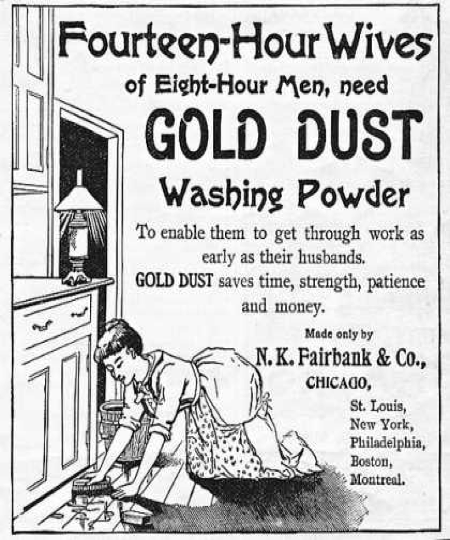
Oh …My …!
Grooming for Women campaign
Gilette proposed a “MiLady” product to solve an “embarrassing personal problem.”
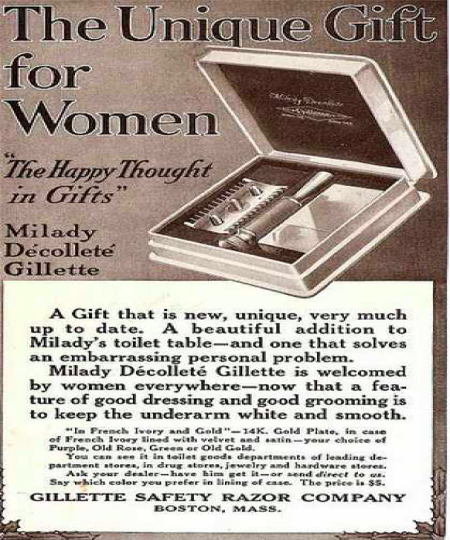
… who’s embarrassed now Gilette?
Christmas gifts campaign aimed at Women
Look “carefully” … “circle the products you want.”
Hang-on …
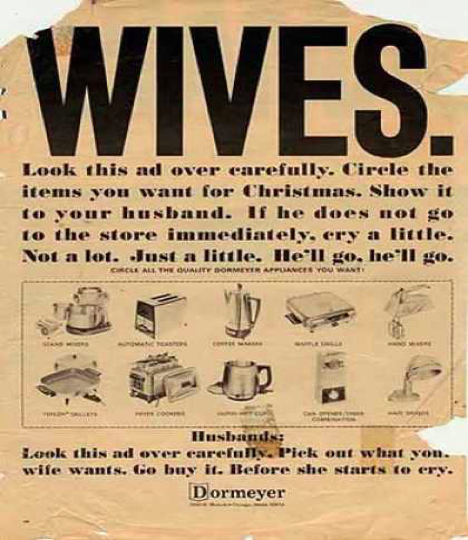
What happens if you don’t do this?
Male stereotype — A new years campaign
Slurp, a Guinness ad!
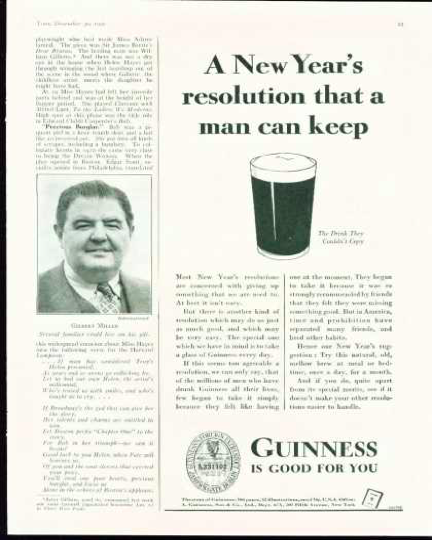
Hmm…
Ehhh … Your guess is as good as mine
The pink and blue aprons are … enough said.
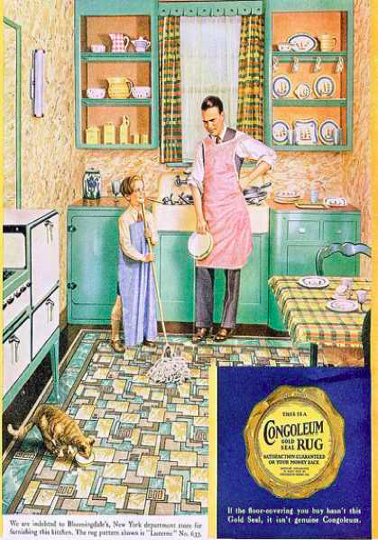
The carpet (Rug) is horrific!
Not so uplifting from the airline industry
No wonder TWA went bust with Ads like this.
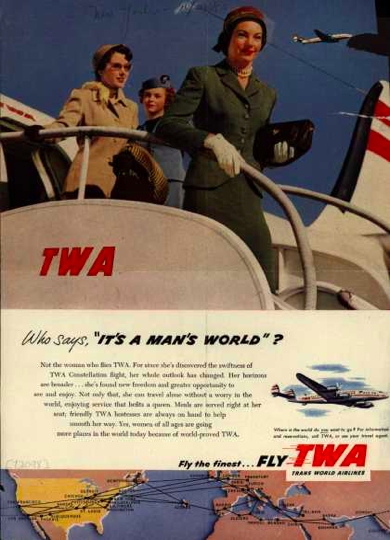
What does this even mean?
The Smith-Corona typewriter
I think the lady is demonstrating how to load paper to her assistant.
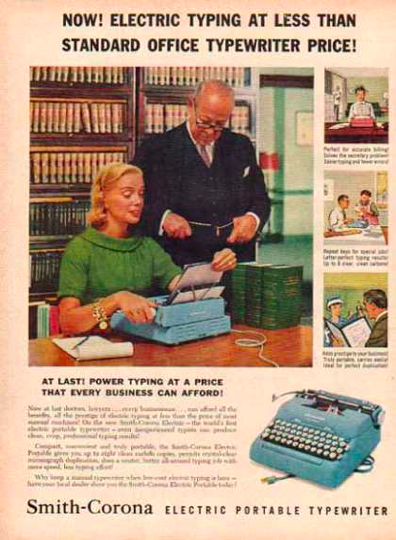
Wait, it looks like there are instructions … I’m afraid to read ‘em.
Female underwear
Said who?
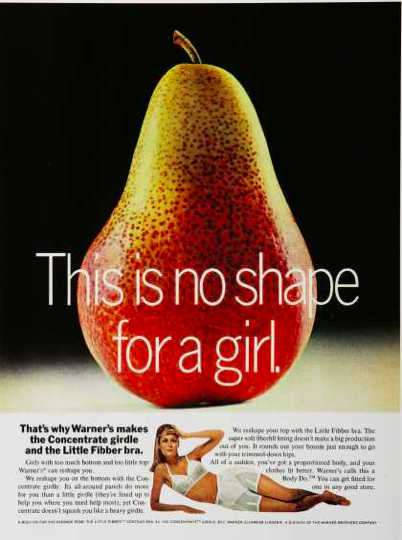
… I’m speechless.
A car for men
Or is it boys?
A “young-mobile from Oldsmobile” says it all. Do “young”-Oldsmobilers even need a license?
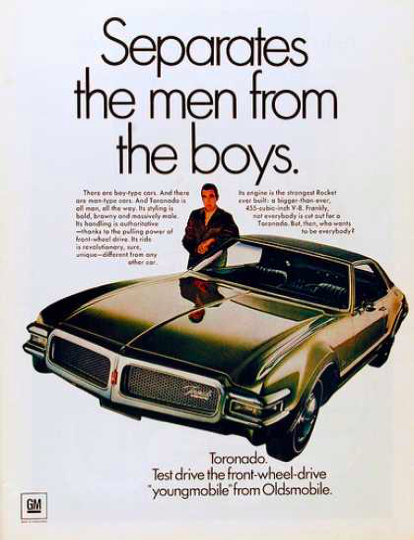
Who cares … look at the environmental consideration in this 5-liter gas-guzzling car advert:
- Tornado, and
- Green
Smoke your way from … to …
Wait … the connection is …?
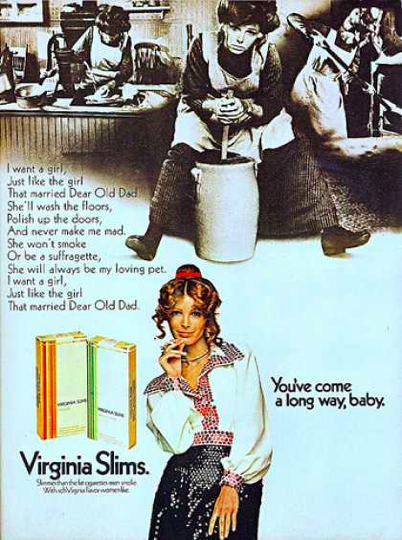
Do you see the word suffragette?
What does this mean?
The world’s first Col … I can't even write the words.
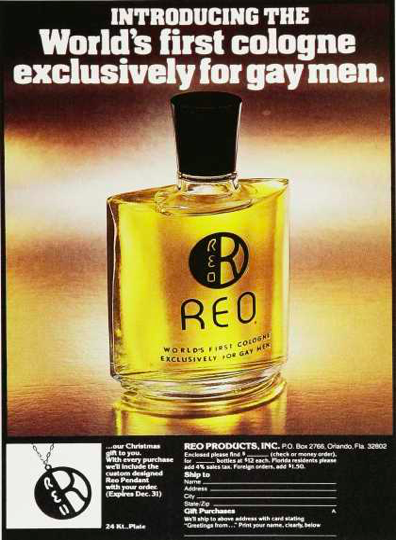
Anyone ever heard of Reo?
Allow me to introduce Bob
I have a question for Bob — what happened to my data?
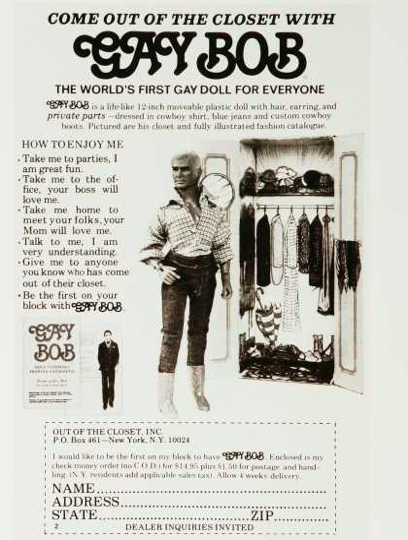
Oh wait, Bob’s PO Box is shown above.
What a TERRIFIC example
This shampoo comes with …
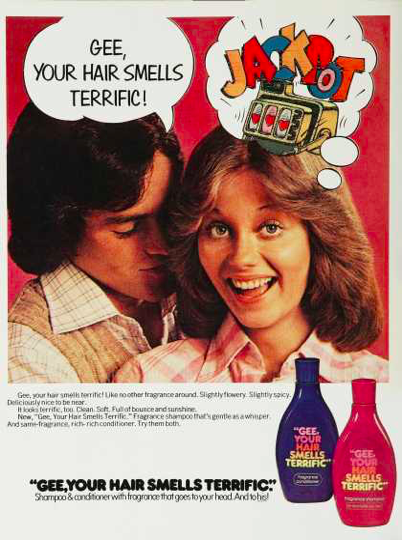
… your very own stalker!
Final Thoughts
What do you think?
For generations, society expected males to pursue agentic goals (power to control their goals, actions, and destiny) while encouraging females to pursue communal goals.
The examples above clearly, or embarrassingly rather, differentiated gender to influence self-concept.
Self-concept is our perception of self— An evolving dynamic that forms at an early age — Who we are, or who do we identify as.
Consumer behavior in marketing is deeply rooted in 3 dimensions:
- Sociology
- Psychology, and
- Anthropology
Are the reasons why consumers buy certain products or services solely influenced by marketing campaigns?
Cognitive Matching
What about Cognitive Matching?
Marketers use Cognitive Matching to send non-verbal cues to society at large to connect/influence one’s self-concept with a product's attributes.
Self-image congruence theory suggests that we choose products that best reflect us — our values, beliefs, attitudes, interests, and associations.
So who are we?
Who is Karen Madej💛, George, Chris, Timothy, Joe, P.G., Kathryn, Sinem, Julia, Aurora, Rasheed, R Tsambounieri, Terry, Dew, Ann, Sylvia, Lori, Jessica, Desiree, Sumera, Lanu, Bill, Salam, Ming, or indeed Arthur?
Are we a result of our marketing exposure, our experience, cognitively matched by a brands’ congruence of our self-image?
Yes, No, Maybe? Read what Alison, Marcus, Dr Mehmet, and Maria have to say about matching and congruence below.


