
Marcus Aurelius: The Control Switch
How to find the strength to accept misfortune
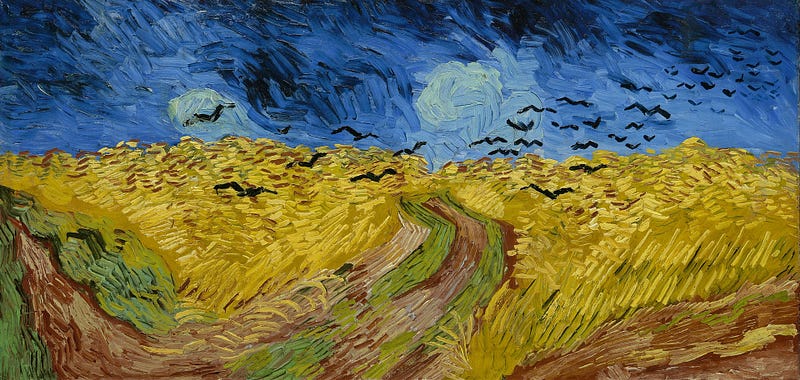
Fear stalks us constantly.
We’re a unique species for our suffering of fear. A spooked animal will run to safety and then settle again, ceasing to worry, grazing as if nothing had happened. Human beings fear constantly, even the nothingness of uncertainty can terrify us. We lie awake at night, in the comfort of our homes, worrying, fearing.
We fear losing our jobs, we fear losing our possessions, we fear being shamed, we fear rivals, we fear friends, we fear old age, we fear loss, we fear death, we fear too much life too.
Many people pray they will never face their fears, many pray their problems will go away. Those who don’t believe in God simply wish for the same. There’s not much difference. Either way, fate will do with us what it will.
Mental strength and courage require something else. What better is there to hope for than to not have to hope at all?
Marcus Aurelius was the most powerful man in the world when he was made the ruler of the Roman Empire. But he was a reluctant despot. While most people would be amazed at Marcus’s reluctance to rule, given the respect and riches that would come with being emperor, the fact is that the Roman throne was a depressing and often dangerous place to be.
The life of an emperor could be brutishly short. Some emperors lasted only weeks before they were murdered by usurpers. Those who survived, like Marcus, were subjected to the brutal circus of Roman politics — obsequious careerists, jealous rivals, incompetents, and murderous plotters.
From the beginning of his reign, the empire was embroiled in a number of wars with the Parthians and Armenians in the east and Germanic tribes to the north (the Marcomannic wars). Marcus, who led his armies against the tribes, was himself subjected to an attempted coup by a general he hoped he could trust.
His co-ruler for many years, Lucius Verus, was a liability — an alleged drunkard and gambler whose armies returned from Parthia with a terrible plague, adding to the Empire’s desperate situation.
The Emperor struggled with sickness his whole life. He consoled himself from a young age with philosophy, particularly Stoicism. At least some of Marcus’s private philosophical journals were saved for posterity and published as The Meditations.
The Meditations shines a light into the emperor’s soul. The deeply religious leader did not despair at his situation. He didn’t pray to the gods that his problems would end. Instead, he prayed and hoped that he would find the strength to face his problems with courage and a clear head.
He thought that to wish or pray for what is out of your control was a slavish way to behave. The Stoics urged us not to be a slave to our desires but to master ourselves with reason. Marcus wrote,
“would it not be better to make use of what lies within your power as suits a free man rather than to strain for what lies beyond it in a slavish and abject fashion? In any case, who told you that the gods do not assist us even in things that lie within our power? Begin at least to pray so, and you will see.”
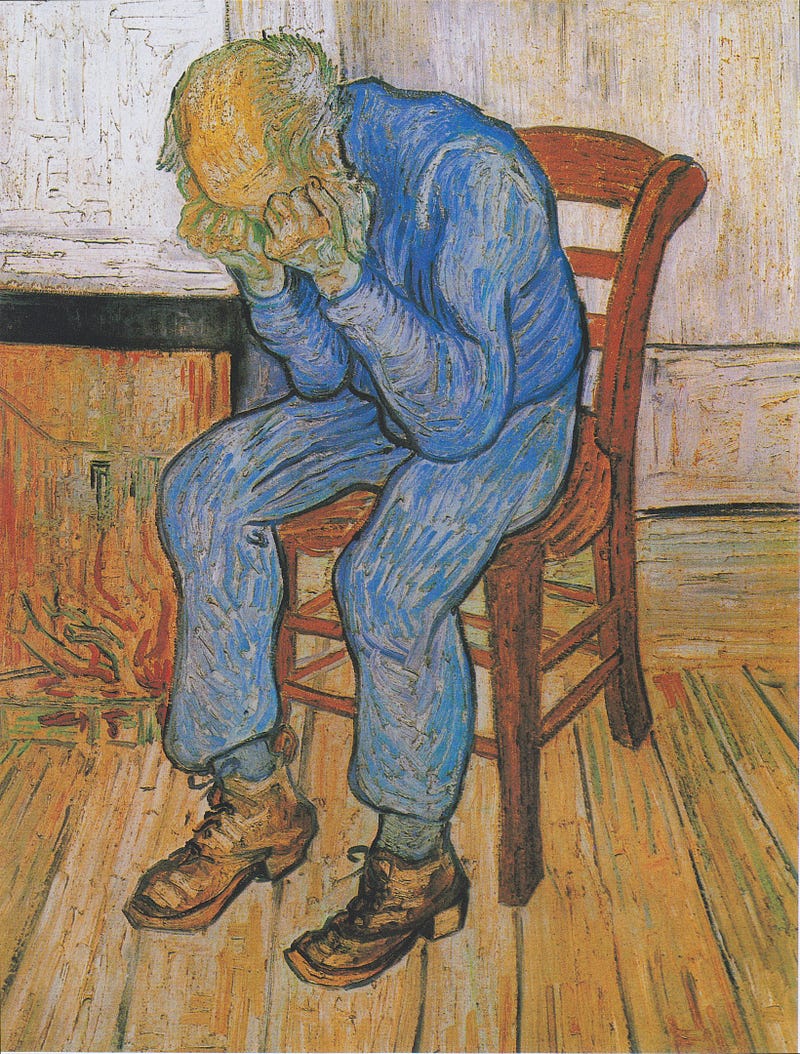
The Control Switch
Although we have little choice what happens to us, we can choose our response to what happens.
This is how Stoicism is strongly associated with equanimity in the face of difficulty. To simply know that we can control our response this is to find strength. Mental strength is what the Stoics are famous for. Tragedy and life’s ups and downs are met with what the philosopher Epictetus called “a tranquil flow of mind”.
It is in Epictetus’s writings — who was a slave for much of his life — that we find techniques to strengthen ourselves in the face of misfortune: “It’s only my leg you will chain, not even God can conquer my will.”
Marcus lost at least two infant children. In an extraordinary passage of Meditations, he wrote: “One man prays… ‘How I may not lose my little child’, but you must pray: ‘How I may not be afraid to lose him’.”
Think about that — coming from a man who had experienced the loss of a child himself, who would have had to console his grieving wife. This is the control switch: from “how can I face this?” to “how must I face this?”
The difference between the philosopher and the average person is in this example: While the average person hopes or prays that they are spared of misfortune, the Stoic prays that they can find the strength to accept misfortune. “It doesn’t matter what you bear,” Seneca wrote, “but how you bear it.”
Michel de Montaigne, who began to philosophise when he lost a dear friend, wrote an essay entitled “That to Study Philosophy is to Learn How to Die.” This is really an extreme way of saying that we can use our reason to quell our fears, but also take back control of our lives from fear and sadness. “A man who has learned to die,” he wrote, “has unlearned how to be a slave.”
We can be slaves to fear, slaves to desires, but those chains are of our own making. Philosophy gives us a switch we can easily flip when we feel fears welling up inside of us. We can dwell on our fears and let them multiply as worries, or we can take the courage to face them with equanimity.
Thank you for reading. I hope you learned something new.
I wrote a book — Become As You Are. Join hundreds of others and subscribe to my free mailing list to get a copy sent directly into your inbox. Learn how 2500 years of philosophy can help you find clarity, inspiration and wisdom. Click here to sign up. You’ll also get monthly philosophy content.
If you enjoyed this article, you may also like my article that lays out the central tenets of stoicism:


