
Life lesson/Lifestyle/Personal Growth
Managing Your Own Stress Level
Prioritising your health and controlling your thoughts increases your ability to solve challenging situations and deal more effectively with stress.
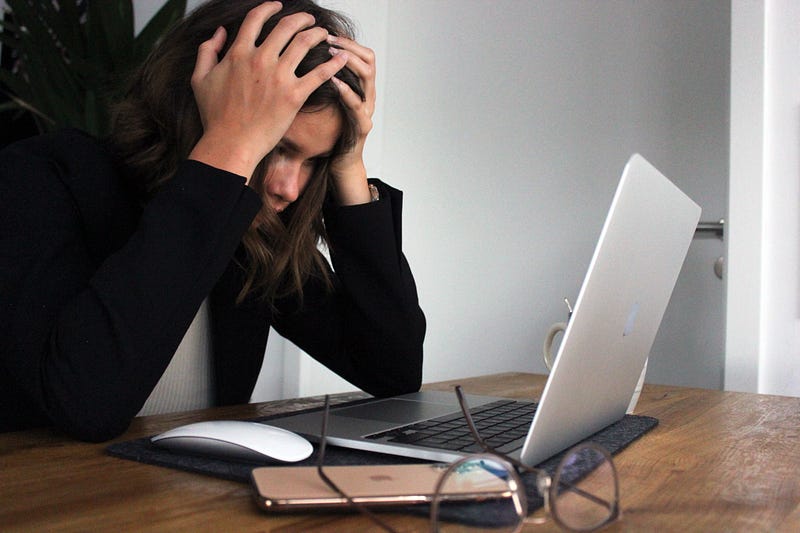
What Is Stress?
Many probably think that stress is bad in itself. This is not so. Being in a heightened stress level prepares us for the task ahead. So stress is a physical response to whatever is going on in our body by releasing various complex hormones like adrenalin, cortisol and norepinephrine to support the body deal with the ‘perceived danger.’
‘Stress is our body’s response to pressure’
The only problem is that when we have this rush of complex hormones, blood rush to the muscle, brain function is compromised, and we are unable to think straight. This in turn can lead to an increase in both blood pressure and sugar level and a decrease in libido.
Also when we go into a state of heightened stress level, we become easily irritated, and unfriendly which can have a negative effect on all relationships.
How Stress Affects Us
When we are in a state of continuous high-level stress, our physical and mental health suffers, for example, stress can give us high blood pressure that can result in a stroke, and we can suffer an emotional breakdown that will affect all other relationships. Stress affects the heart which can result in cardiovascular disease and just been found that it can make the body more susceptible to cancer.
The issue with stress is that it affects each one of us differently. It targets our weakest physiology area to manifest itself. If for instance, you have a low tolerance level, you will start to get irritated easily at virtually everyone and everything around you when you are stressed. If you have a particular skin condition, it will flare up under stress. If you are prone to headaches, you will develop migraine under stress. Whatever condition that assails you will get worse if you are stressed.
Symptoms of Prolonged Stress
Cognitive Functions — (Memory Issues)
- Poor Judgement
- Inability to Concentrate
- ‘Brain Fog’
- Indecision
- Starting many tasks but achieving little
- Self-doubt
Emotional Problems — (Depression)
- Moodiness
- Irritability
- Fatalistic Thinking
- Panic
- Cynicism
- Anxiety
- Feeling Overwhelmed
- Frustration
Physical Problems — (Chest Pain)
- Rapid Heartbeat
- Aches and Pains
- Frequent Colds
- Skin Complaints
- Indigestion
- High Blood Pressure
Behavioural Problems — (Increase intake of alcohol, caffeine, prescription medication & nicotine)
- Isolating yourself from others
- Sleeping too little or too much
- Demotivated & uninterested in life
- Loss of sense of humour
Five Basic Ways To Manage Your Stress Level
Every one of us undergoes a period of stress at one time or the other, but we must learn to manage our stress level before it gets critical. Here are the common ways to do that:
Eat A Balanced Diet — Foods rich in essential nutrients for the body can ward off stress. This is because your body will get the necessary nutrients to stay in top form, which can boost your health and mood.
Take Time To Relax — All work and no play is not good for our stress level, Relaxation has a positive effect on the mind, and consequently on the body. Relax by deep breathing, taking a walk in Nature, having a soak in the bath, having a massage, listening to classical or jazz music, etc, or even lying down and doing nothing.
Take An Holiday To Get Away From It All — Sometimes a change of scene or environment is all you need to get away from it all. Changing from a hype job can significantly reduce your stress. Take a trip outside your usual area.
Develop A Hobby & Be Consistent With It — There must be something you enjoy doing or something you love to learn about, like knitting, crocheting, doing puzzles, or one sport or the other.
Have A Confidant — You must have one person you can rely on to chat and discuss your issues with. Bottling your issues, and thinking you can solve them alone will only sink you down the more. Your confidant need not be a friend or family member, it can be a paid professional therapist/counsellor.
The Takeaways
- Learn to say no to demands, requests, invitations, and activities that leave you with no time for yourself.
- ‘’We all deal with stress differently. Our ability to cope can depend on our genetics, early life events, personality and social and economic circumstances.’’ mentalhealth.org.uk
- “Our culture encourages us to plan every moment and fill our schedules with one activity and obligation after the next, with no time to just be. But the human body and mind require downtime to rejuvenate. I have found my greatest moments of joy and peace just sitting in silence, and then I take that joy and peace with me out into the world.” Holly Mosier