
AI art
Machine Learning Is Baroque
demo video + code
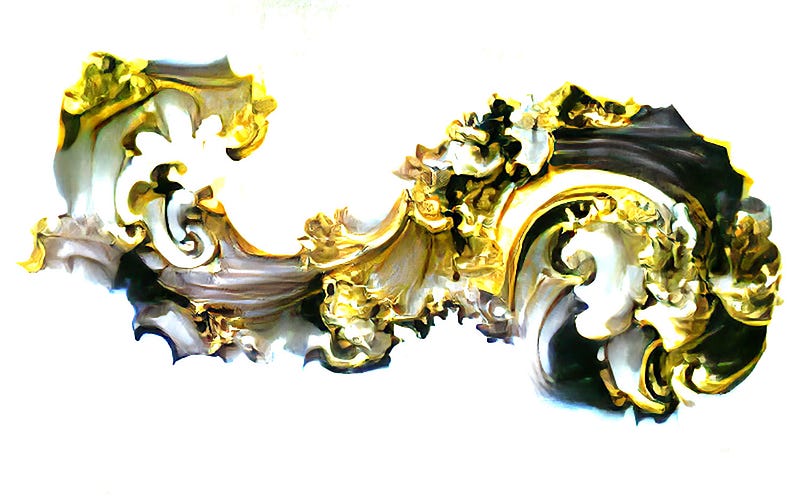
In the words of Mary Shelley’s Frankenstein:
“I declare I had no idea that I possessed such powers.”
This quote captures the sentiment of artists and creators today as we imagine an artist who is also a machine. What would it be like if we used Machine Learning to create art? How would this new form of art affect humanity?
Would Machine Learning be Baroque because it takes a different perspective with a technological medium? Would Machine Learning be more than just algorithms and lines of code, but also drama and emotion, as was characteristic in artists during the Baroque period? But most importantly, how do we define what is valuable about art and beauty in this 21st century where AI can create things like never before?
Here’s to the future and the possibilities of what we can do with Machine Learning.
AI-generated art created without human input may create all-new genres of art that humans cannot come up with. This opens up the possibility of creating entirely new and innovative art, which causes us to reconsider what art really is.
This article explores the boundaries of what constitutes “art” — precisely what happens when an artist is an AI!
My father, Siegfried Gross, devoted several years of his life to creating a neo-baroque sculptural decoration for the organ instrument on St. Anne’s Mountain. His masterpiece, a three-dimensional representation of the Baroque organ, is a testament to the enduring attractiveness of this style. What he created was inspired by the project of a great Silesian painter named Prof. Georg Mitschke. The originator and principal patron of the task of creating the instrument was Father Teofil. The legendary figure of the monastery on St. Anne’s Mountain.
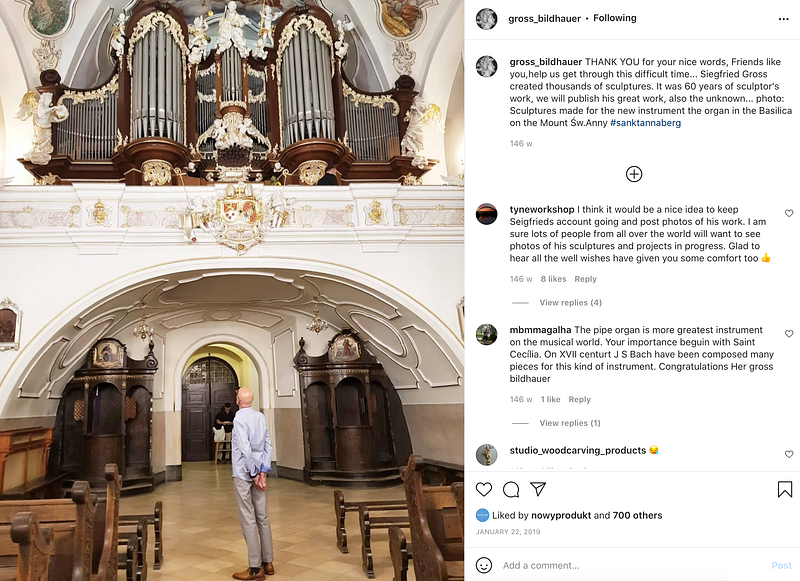
The process of creating the instrument was a process of discovery as each was conceived from scratch. This created a unique synthesis of sculpting, metal shaping, wood carving, and organ building that Siegfried Gross describes as “a collaboration of art and science.”
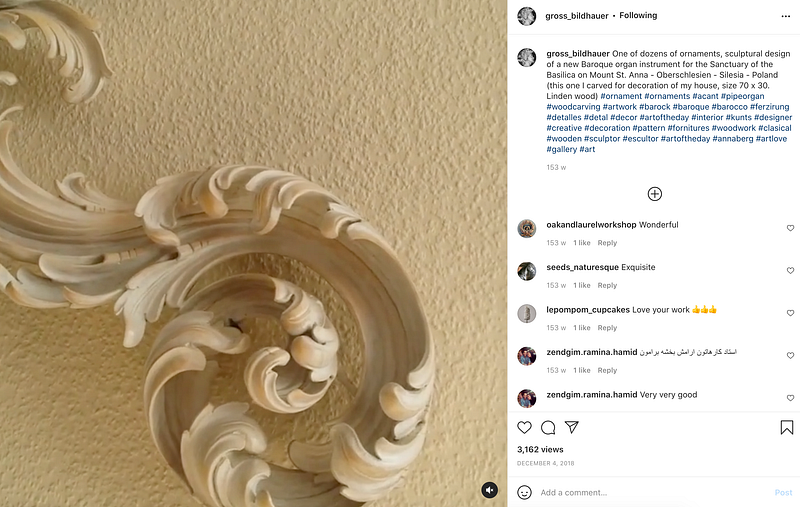
The Baroque organ is a masterpiece of 20th-century neo-Baroque sculpture. It is an art object that can be experienced as well as heard. The instrument attracts the attention and curiosity of organists and non-organists alike, as it offers many ways to experience music. This instrument served as an inspiration for Machine Learning to create a new art form.
the fragment of the sculptural decoration visible on the video comes from the organ on St. Anne’s Mountain
The main goal of this project is to explore the concepts of art through the creative process of Machine Learning. This involves designing what is considered “a new genre of music” composed by AI and discussing whether this form of music can be called art. This also involves understanding how humans perceive this form of music. In the enclosed video, the soundtrack has been “matched” to the content by machine learning. The same model was used for the compositions performed on the organ instrument. The model “learns” the music based on the facts about music, which is different from how humans learn.
Machine Learning is challenging what constitutes art by creating innovative pieces of work that are not easily explainable or understood by humans. This raises questions about what really makes something art and what the purpose of art is. AI demonstrates that art does not need to be easily understood by anyone for it to be valuable. All that matters is to create something with meaning, regardless of how it can be interpreted or understood by human beings.
Machine Learning Is Baroque because it is about taking a different perspective with a technological medium. The Baroque period was also referred to as the age of excess because it was filled with drama and emotion, especially in sculpture and poetry. That same playfulness of art can be seen in Machine Learning.
Machine Learning can impact the way humans experience art forever. It allows us to question what makes something valuable or necessary within the arts, both historically and for future artists. Through AI, we have a new opportunity to redefine what art is and how it affects society as a whole.
I’m curious about your opinion
- Check out my instagram with new material every week
- If you enjoyed this, follow me on Medium for more
- Want to collaborate? Let’s connect on LinkedIn
- https://linktr.ee/datasculptor
- 3D Machine Learning generated model on sketchfab
CODE: https://colab.research.google.com/github/justinjohn0306/VQGAN-CLIP/blob/main/VQGAN%2BCLIP(Updated).ipynb
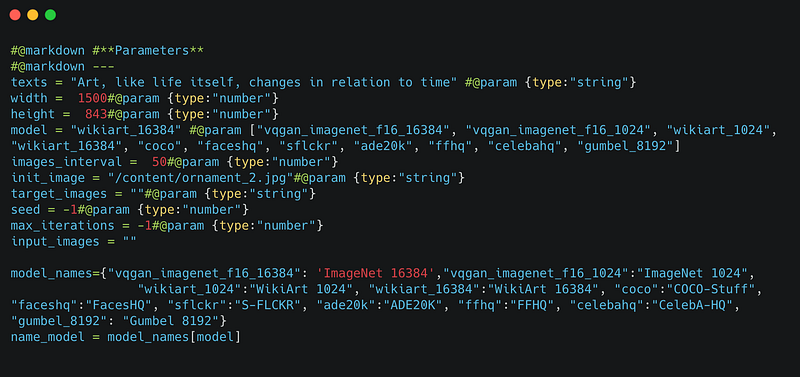
#@markdown #**Parameters**
#@markdown ---texts = "Art, like life itself, changes in relation to time" #@param {type:"string"}width = 1500#@param {type:"number"}height = 843#@param {type:"number"}model = "wikiart_16384" #@param ["vqgan_imagenet_f16_16384", "vqgan_imagenet_f16_1024", "wikiart_1024", "wikiart_16384", "coco", "faceshq", "sflckr", "ade20k", "ffhq", "celebahq", "gumbel_8192"]images_interval = 50#@param {type:"number"}init_image = "/content/ornament_3.jpg"#@param {type:"string"}target_images = ""#@param {type:"string"}seed = -1#@param {type:"number"}max_iterations = -1#@param {type:"number"}input_images = ""model_names={"vqgan_imagenet_f16_16384": 'ImageNet 16384',"vqgan_imagenet_f16_1024":"ImageNet 1024","wikiart_1024":"WikiArt 1024", "wikiart_16384":"WikiArt 16384", "coco":"COCO-Stuff", "faceshq":"FacesHQ", "sflckr":"S-FLCKR", "ade20k":"ADE20K", "ffhq":"FFHQ", "celebahq":"CelebA-HQ", "gumbel_8192": "Gumbel 8192"}name_model = model_names[model]if model == "gumbel_8192":is_gumbel = Trueelse:is_gumbel = Falseif seed == -1:seed = Noneif init_image == "None":init_image = Noneelif init_image and init_image.lower().startswith("http"):init_image = download_img(init_image)if target_images == "None" or not target_images:target_images = []else:target_images = target_images.split("|")target_images = [image.strip() for image in target_images]if init_image or target_images != []:
input_images = Truetexts = [frase.strip() for frase in texts.split("|")]if texts == ['']:texts = []args = argparse.Namespace(prompts=texts,image_prompts=target_images,noise_prompt_seeds=[],noise_prompt_weights=[],size=[width, height],
init_image=init_image,init_weight=0.,clip_model='ViT-B/32',vqgan_config=f'{model}.yaml',vqgan_checkpoint=f'{model}.ckpt',step_size=0.1,cutn=64,cut_pow=1.,display_freq=images_interval,seed=seed,)


