avatar'bumpyjonas…

Free AI web copilot to create summaries, insights and extended knowledge, download it at here

2007

Abstract

aused her to be labeled as more dangerous than Marcus Garvey. It all began in 1892 when three of her friends were lynched in Memphis, Tennessee. Wells owned the only Black newspaper in town.</p><p id="b06d">She immediately began demanding justice for those who were lynched through writings in her newspaper. She received no justice. Instead, the building housing her paper was burned down.</p><p id="f929">She was not deterred. In the 1890s her advocacy in speaking engagements became so intense, lynchings decreased, according to Inez Tate, writing for the Negro Bulletin, in 1942.</p><p id="3c19">It is estimated that between 1883 — 1941, 3,265 black people were lynched in America. Though the crime is much rarer today, lynchings have not disappeared completely. In that same time period, many anti-lynching bills were introduced but none became law. Rush’s effort is the first time both congressional bodies have passed a bill.</p><p id="b263">President Biden is expected to sign the bill into law.</p><h2 id="ebe8">Additional Writings</h2><div id="3e02" class="link-block"> <a href="https://readmedium.com/do-we-want-justice-or-revenge-d2df041aaed"> <div> <div> <h2>Do We Want Justice Or Revenge?</h2> <div><h3>The Daunte Wright tragedy raises this question again</h3></div> <div><p>medium.com</p></div> </div> <div> <div style="background-image: url(https://miro.readmedium.com/v2/resize:fit:320/1*0JsOsm1a8ndyAw59YzbqIQ.png)"></div> </div> </div> </a> </div><div id="69a2" class="link-block"> <a href="https://readmedium.com/those-tiny-moments-of-black-history-6d44f576c9a0"> <div> <div> <h2>Those Tiny Moments Of Black History</h2> <div><h3>Black History Month is about the rediscovery</h3></div> <div><p>medium.com</p></div> </d

Options

iv> <div> <div style="background-image: url(https://miro.readmedium.com/v2/resize:fit:320/1*RfMmvNsk6IazhgOC649eGw.jpeg)"></div> </div> </div> </a> </div><p id="2f61"><a href="undefined">Allison Gaines</a></p><div id="cda6" class="link-block"> <a href="https://www.writersandeditorsofcolor.com/shine-a-light-on-injustice-20a2ebccdb0d"> <div> <div> <h2>Shine a Light on Injustice</h2> <div><h3>What journalists can learn from Ida B. Wells</h3></div> <div><p>www.writersandeditorsofcolor.com</p></div> </div> <div> <div style="background-image: url(https://miro.readmedium.com/v2/resize:fit:320/1*c-968pJyElD3mvJHk1kkxQ.jpeg)"></div> </div> </div> </a> </div><h2 id="b1c6">Sources</h2><p id="df80">The Improbable Ida B. Wells; Reviewed Work(s): Ida B. Wells-Barnett and American Reform, 1880–1930 by Patricia A. Schechter; Review by: Mia Bay Source: Reviews in American History , Sep., 2002, Vol. 30, №3 (Sep., 2002), pp. 439–444</p><p id="3e20">The Emmitt Till Lynching Law: <a href="https://www.congress.gov/bill/117th-congress/house-bill/55/text">https://www.congress.gov/bill/117th-congress/house-bill/55/text</a></p><p id="d005">Ida B. Wells-Barnett, Author(s): Inez D. Tate, Source: Negro History Bulletin , MAY, 1942, Vol. 5, №8 (MAY, 1942), pp. 182–183</p><p id="dfd5">Public Pragmatism: Jane Addams and Ida B. Wells on Lynching Author(s): MAURICE HAMINGTON; Source: The Journal of Speculative Philosophy, 2005, New Series, Vol. 19, №2 (2005), pp. 167–174</p><p id="be81">Seguin, Charles; Rigby, David (2019). <a href="https://journals.sagepub.com/doi/full/10.1177/2378023119841780">“National Crimes: A New National Data Set of Lynchings in the United States, 1883 to 1941”</a>. <i>Socius: Sociological Research for a Dynamic World</i></p></article></body>

Lynching Is Finally A Federal Hate Crime

Ida B. Wells’ crusade for justice is realized at last
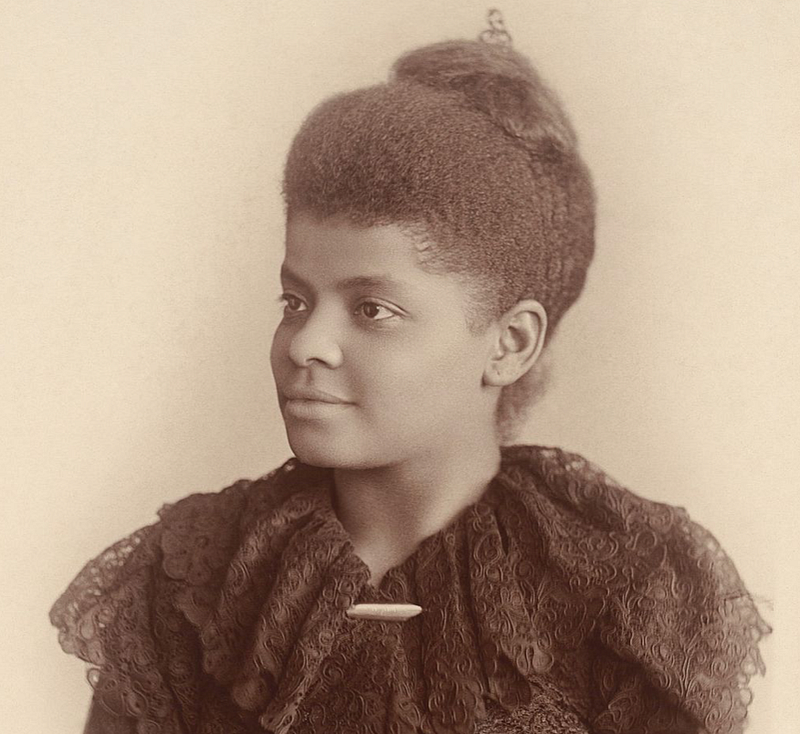
a photograph by Mary Garrity from c. 1893, Ida B. Wells — Public Domain

Rep. Bobby Rush of Illinois’ Emmitt Till Anti Lynching Act is about to become law. It is far too late. But, all Americans should welcome it.

Rep. Rush introduced the law last month and it passed the House of Representatives easily. It just passed the U.S. Senate and is headed to President Biden for signature.

Emmitt Till, the 14 year old Black boy lynched in Money, Mississippi, on August 28, 1955 will now be part of the U.S. Code and our tragic racial history. Till’s brutal killing triggered Rosa Parks to take her revolutionary stand on a Montgomery, Alabama bus not long thereafter and then all of Black America rose up to smash America’s evil Jim Crow system.

As for lynching itself, the law is long overdue because it should have never been necessary. But America’s history is a history of lynching.

The journalist, Ida B. Wells made it her cause to get lynching declared a crime in America. Despite her diligence and valiant efforts, it never happened. And lynchings continued well into the 20th century. Many have brought attention to Wells’ bravery including Allison Gaines in her September 2020 article on Wells.

Wells, born into slavery in 1862, was an orphan by the age of 16. She had to quit school at the Rust College to take a teaching job to take care of her siblings. Eventually, she became a journalist who would champion the cause of an anti-lynching law in the U.S.

Her relentess advocacy in the 1890s’ and on caused her to be labeled as more dangerous than Marcus Garvey. It all began in 1892 when three of her friends were lynched in Memphis, Tennessee. Wells owned the only Black newspaper in town.

She immediately began demanding justice for those who were lynched through writings in her newspaper. She received no justice. Instead, the building housing her paper was burned down.

She was not deterred. In the 1890s her advocacy in speaking engagements became so intense, lynchings decreased, according to Inez Tate, writing for the Negro Bulletin, in 1942.

It is estimated that between 1883 — 1941, 3,265 black people were lynched in America. Though the crime is much rarer today, lynchings have not disappeared completely. In that same time period, many anti-lynching bills were introduced but none became law. Rush’s effort is the first time both congressional bodies have passed a bill.

President Biden is expected to sign the bill into law.

Additional Writings

Allison Gaines

Sources

The Improbable Ida B. Wells; Reviewed Work(s): Ida B. Wells-Barnett and American Reform, 1880–1930 by Patricia A. Schechter; Review by: Mia Bay Source: Reviews in American History , Sep., 2002, Vol. 30, №3 (Sep., 2002), pp. 439–444

The Emmitt Till Lynching Law: https://www.congress.gov/bill/117th-congress/house-bill/55/text

Ida B. Wells-Barnett, Author(s): Inez D. Tate, Source: Negro History Bulletin , MAY, 1942, Vol. 5, №8 (MAY, 1942), pp. 182–183

Public Pragmatism: Jane Addams and Ida B. Wells on Lynching Author(s): MAURICE HAMINGTON; Source: The Journal of Speculative Philosophy, 2005, New Series, Vol. 19, №2 (2005), pp. 167–174

Seguin, Charles; Rigby, David (2019). “National Crimes: A New National Data Set of Lynchings in the United States, 1883 to 1941”. Socius: Sociological Research for a Dynamic World

Law
Writing
Thoughts
Racism
Justice
Recommended from ReadMedium