
“Losing Lesbians”
Elliot Page isn’t confused, you’re just a TERF
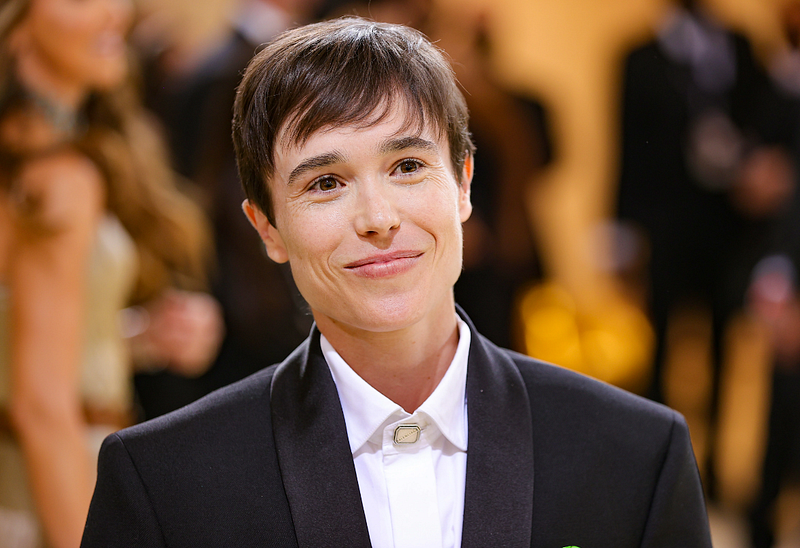
When Elliot Page came out as trans a month ago, I felt about two seconds of joy for the person I knew would suddenly be feeling a lot more confident and happy with himself due to the announcement, followed by a prolonged period of dread when I realized I had not yet been on Twitter.
I think it’s wonderful that Page came out publicly, and their statement demonstrated an understanding of the context in which they were coming out.
Though he is AFAB and (seemingly?) white, Elliot Page recognized the extreme callousness with which we regard the lives of trans women of color. His statement did not attempt to apologize for his relatively safer status as a white person who is not a woman, but instead recognized the unity he shares with some of the most vulnerable people in our population.
We’re together in this fight, and attacks on some us are a threat to all of us.
Of course, I could already think of a few people in our little LGBT community that are not willing to stand with their siblings. And they want to push Elliot back in the closet.
We all know that Trans Exclusive Radical Feminists, many of whom are lesbians who advocate for queer rights generally (with some exceptions), do not like trans women. But we sometimes forget that they hate the rest of us as well.
TERFs all over the internet, like Arielle Scarcella, have recently been proclaiming their distaste for progressive politics openly: putting their disgust for people they do not understand above their alleged beliefs in social justice. And my TERF sense started tingling the minute I first read Page’s statement.
We’ve lost yet another butch lesbian! They began lamenting, ripping their clothes and donning black arm bands. These poor young lesbians hate butch lesbianism so much that they would rather be straight men. It’s ‘compulsory heterosexuality’ all over again!’
(…they said, revealing that they never read as far as the fourth paragraph of Page’s statement wherein he explicitly states that he is queer. You know, that thing you are when you are not straight.)
Needless to say, this is not a good-faith expression of fear. It’s hastily slapped together rationale for the disgust and confusion transness evokes in them.
Never the less, I feel compelled to draft a short list of just a few reasons why Elliot Page coming out as trans does not effect the lives of butch lesbians at all. Not even a little.
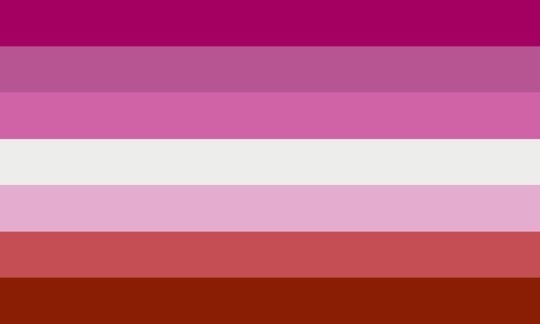
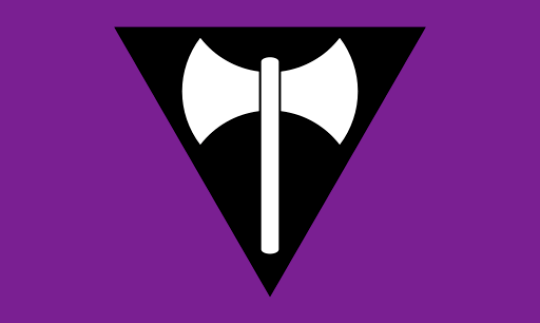
They/He Users Can Be Lesbians
Here’s an interesting hypothesis: what if Elliot Page does identify as a lesbian?
I have no idea whether or not this is the case, as he did not specify what he specifically meant by ‘queer.’ But here’s the thing: being non-binary does not exclude one from being a lesbian. Nor does the use of he/they pronouns.
(I’m feeling a rage-induced rant on the validity of he/him lesbians coming on, so I’ll try to make my point fast.)
Being trans does not equal a complete severing from the gender norms of your gender assigned at birth. Though Page is not a woman, we have no reason to believe that he does not consider himself aligned with womanhood in any way.
This belies a lack of understanding between identity and expression. Pronouns relate to expression, and plenty of cis people play with theirs as well.
Unless you think cis drag kings are also ashamed of being butch lesbians.
Numbers Don’t Validate You
If I had to make an assumption though, I would say that Elliot Page probably is not a lesbian. I think Page would have mentioned that he was a lesbian in his statement were that the case.
So, let’s return to the initial point: Butch lesbians do not require a quota of members to be valid.
I won’t claim that there are no genuine feelings of fear or pain felt by any of the trans exclusive lesbians regarding the perceived loss of a high-profile lesbian. Numbers do equal strength, after all.
However, this feeling emanates from the reptilian brain and does not belong in 21st century discussions about gender and sexuality. If there was only one butch lesbian in the entire world, that person would still be entitled to respect, understanding, and freedom.
You see, for every trans man who comes out despite the crude prejudiced ramblings of trans exclusive lesbians, there is a trans man in the closet as a cis lesbian who is too scared to come out due to the same vitriol.
Trans masculine people deserve the same security in numbers that you claim a right to. The only difference is that one group has the social capital to enforce its claim to numbers and the other is still in the early stages of a budding, mainstream community.
And if you are so concerned about losing lesbians, maybe you should start recognizing trans lesbians as women, hmmmm?
This can only make you stronger
I was under the impression that the Pride movement was not only important due to its ability to advocate for civil protections and rights, but also for generating the communal space in which we can all explore ourselves and others, rather than being divided and isolated by the cisheteronormative world.
The condescending tone with which these people claim to know the internal world of Elliot Page in every comment is nauseating.
“I find it depressing how many young lesbians now feel that, because they do not perform or feel invested in conventional femininity, they can no longer be women. And so they shift from identifying as lesbian women to straight men,” one person tweeted.
I believe that it is perfectly possible that the experience of being trans masc is only a hair’s breadth away from the experience of being a butch lesbian.
“What if your yellow looks different than my yellow?” and all that.
It could be that the desire to express oneself in masculine coded ways can manifest differently for different people. Personally, I believe that there is an overlap between who we are attracted to and how we want others to be attracted to us (a topic I have written about extensively on Medium). And that overlap never looks exactly the same from one person to another.
But we can never learn about the details of our own experiences without being confronted with those of others. And don’t we want to learn about ourselves and others? Where they end and we begin?
Why — why on Earth — would we want people to experience their own lives in the same exact way that we do?
Elliot Page being himself can only be better for all of us. That’s what Pride is about.
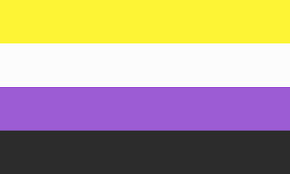
If it helps, I encourage you to get into fights with these people in public platforms, and feel free to steal any of these points when doing so. These people should be mocked in public for their hateful beliefs.
That said, I do hope you approach such arguments with their fears in mind.
The idea that Page only began identifying as trans because he is afraid of the stigma and hatred so many butch lesbians are subjected to is cruel to trans people and lesbians.
But if I have learned anything from my engagements with the larger LGBT community, it’s that people are capable of ditching toxic beliefs if given a chance.
I try my hardest to keep my critiques directed at arguments and not people. If I were to begin assigning my own half-formed assumptions of their opinions to them, my arguments would be just as unpersuasive as theirs.


