
Lose Weight Fast With These 7 Easy Steps (How To Do It Correctly)
Easy and effective strategies to achieve your desired body weight goals.

Losing weight fast can be a challenging yet achievable goal. While most people try to overcomplicate, it comes down to a few basic principles and strategies. If you understand them and approach the journey with the right mindset, you can achieve your desired body goals.
#1. Restrict Your Calorie Intake
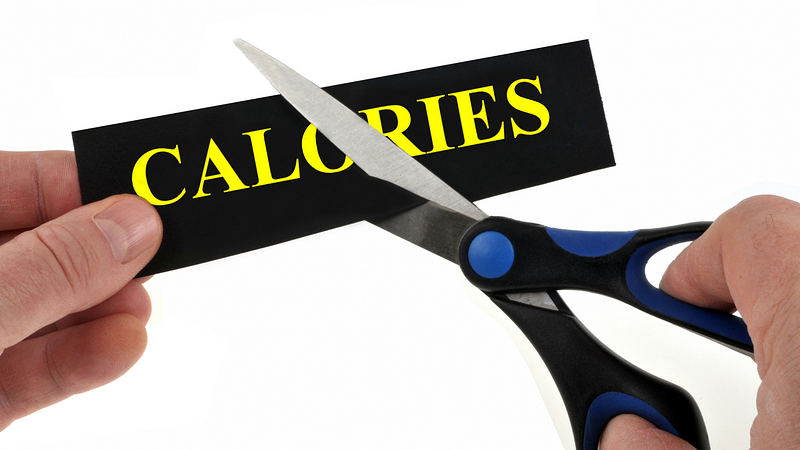
Reducing daily calorie intake remains the most important factor for weight loss.
Calorie restriction creates a deficit making the body burn more calories than it consumes.
This deficit, over time, forces the body to use stored energy (primarily in the form of fat) leading to weight loss.
Consuming 1,000–1,500 calories and a deficit of 500–750 calories per day is recommended as the initial strategy.
Note that the amount of weight loss achieved through calorie restriction can vary based on factors like individual metabolism, activity level, and overall health status.
While on a caloric deficit, you might experience discomfort due to hunger, fatigue, and potential mood changes.
However, you can still adjust your calories slightly to overcome these challenges.
#2. Intermittent fasting
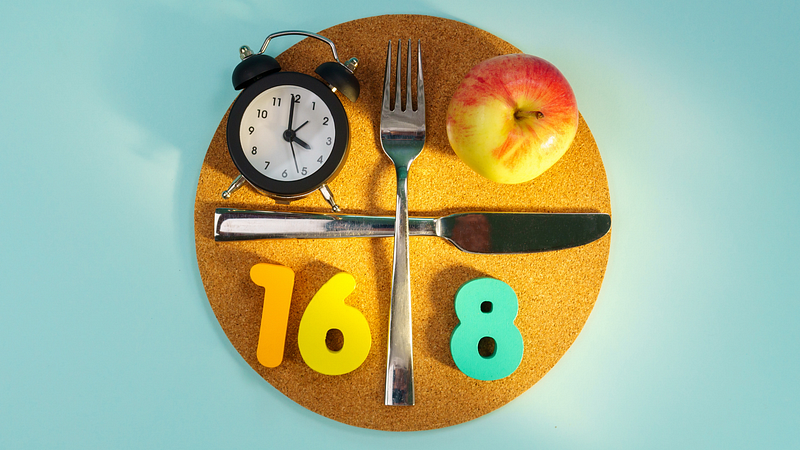
The second strategy to lose weight fast is through intermittent fasting.
This is an eating pattern that involves alternating cycles of eating and fasting.
For example, you can eat within an 8-hour window and fast for 16 hours.
This creates a calorie deficit eventually leading to weight loss, as explained in #1 above.
A systematic review of 27 trials in 2020 found that intermittent fasting resulted in weight loss ranging from 0.8% to 13.0% of baseline body weight.
According to the review, the weight loss occurred regardless of changes in overall caloric intake.
Additionally, Intermittent fasting has been found to improve blood sugar levels in patients with type 2 diabetes.
#3. Eat More Protein

The importance of prote in muscle building is well documented, but did you know consuming more protein could aid in weight loss?
Eating more protein enhances weight loss in 3 different ways.
One is by boosting the body’s ability to burn calories after meals. Two, increasing levels of appetite-suppressing hormones, and finally, decreasing levels of hormones that stimulate hunger.
Additionally, protein intake helps prevent a decline in resting energy expenditure, contributing to maintaining energy balance despite weight loss.
Studies have also proven that protein can be effective and safe for weight reduction, preventing obesity and related diseases.
The recommended range of protein for weight loss is between 1.2 to 2.0 grams per kilogram of body weight per day for active individuals.
#4. Regularly Weigh Yourself
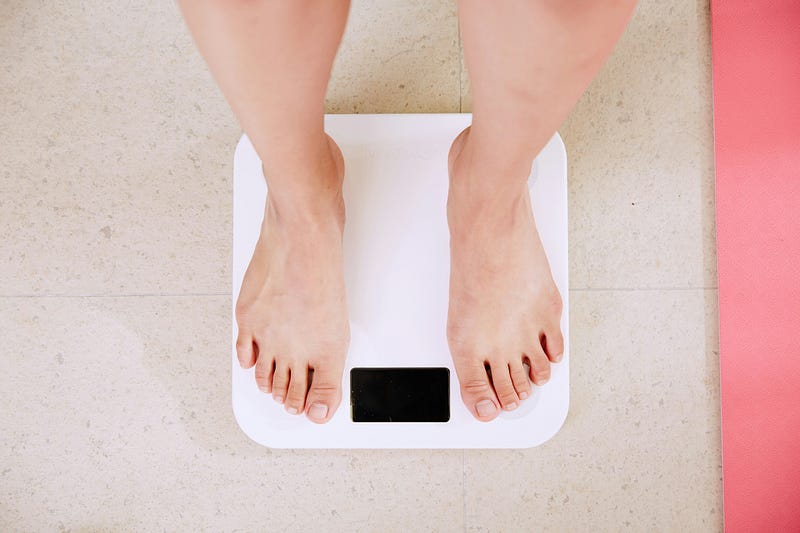
Weighing yourself daily or a few times a week can help you measure your progress consistently.
Studies have also proven this improves the adoption of weight control behaviours.
An example is this study in Chapel Hill, NC, that involved 47 overweight participants.
They were asked to weigh themselves daily using e-scales linked to a study website. They then received weekly emails with lessons and feedback on their weight and weight loss progress.
The study found that those who weighed themselves daily lost more weight and adopted more weight control behaviours.
However, there were no differences in diet, calorie intake, or expenditure based on how often they weighed themselves.
This proved daily weighing to be an effective weight loss tool.
If you find that weighing daily decreases your self-esteem, try weighing yourself every two weeks and track changes over time.
To ensure accurate and consistent measurements, use a quality scale. The scale should be set up properly on a hard, flat, level surface.
Additionally, stick to using the same scale for all measurements.
Finally, weigh yourself naked or wear the same clothing each time for consistent results.
#5. Workout Regularly

By adjusting your diet, you will often start to recognize significant changes in your weight but to accelerate the process, you will include regular strength training and cardio.
Strength training effectively burns body fat, builds muscle mass, increases metabolism, and contributes to long-term weight management.
Preserving muscle while losing fat, helps you keep the weight off.
According to experts engaging in strength training sessions at least two to three times a week is optimal for weight loss.
Focus your workouts more on compound exercises.
These exercises engage multiple muscle groups simultaneously, making them highly effective for burning calories, building muscle, and boosting metabolism.
Examples include Squats, Deadlifts, Lunges, Bench presses, Dips, Pull-ups, Shoulder presses, Push-ups, and Lat pull-downs.
#6. Get Adequate Sleep
How much you sleep affects various factors such as your metabolic rate, hormonal balance, appetite regulation, and energy consumption.
Studies have shown that adjusting from a short amount of sleep to a healthier duration prevents an increase in fat mass. This is an important factor to consider when trying to lose weight.
It is recommended to sleep for 7–9 hours per night to maintain good health and support weight management.
Sleeping less over extended periods can lead to increased hunger, food cravings, higher calorie intake, and ultimately weight gain.
#7. Eliminate Highly Processed Foods from Your Diet

Scientific evidence supports this notion, showing that reducing the consumption of ultra-processed foods can lead to weight loss.
A randomized controlled study conducted at the National Institute of Diabetes and Digestive and Kidney Diseases (NIDDK) found that individuals who consumed ultra-processed foods tended to eat more calories and gain more weight than those who consumed minimally processed foods.
This study highlights the impact of processed foods on calorie intake and weight gain, showing the importance of avoiding highly processed foods for weight management.
Conclusion
And there you have it. Following these basic principles and strategies, such as restricting calorie intake, practising intermittent fasting, increasing protein consumption, regularly weighing yourself, working out consistently, getting adequate sleep, and eliminating highly processed foods from your diet will accelerate your weight loss journey.
Stay consistent, persistent, and maintain the right mindset and you will undoubtedly achieve your desired body goals.


