
How to Maintain Muscle While Losing Weight: Science-Proven Techniques
The ultimate guide to preserving muscle mass on a caloric deficit.

If you’re looking to shed some extra pounds, dieting is often the go-to solution. However, when you restrict your calorie intake, your body may start breaking down muscle tissue for energy, leading to muscle loss.
There are several reasons why this happens, including suppressed rates of muscle protein synthesis, increased muscle protein breakdown, and burning more protein for energy. Additionally, as you get leaner, you may lose strength, which can further contribute to muscle loss.
But don’t worry, in this article, we’ll discuss some effective strategies to prevent muscle loss while dieting.
Let´s dive in.
#1. Maintain Your Strength Levels in the Gym
One of the most effective strategies to prevent muscle loss while dieting is to maintain your strength levels in the gym.
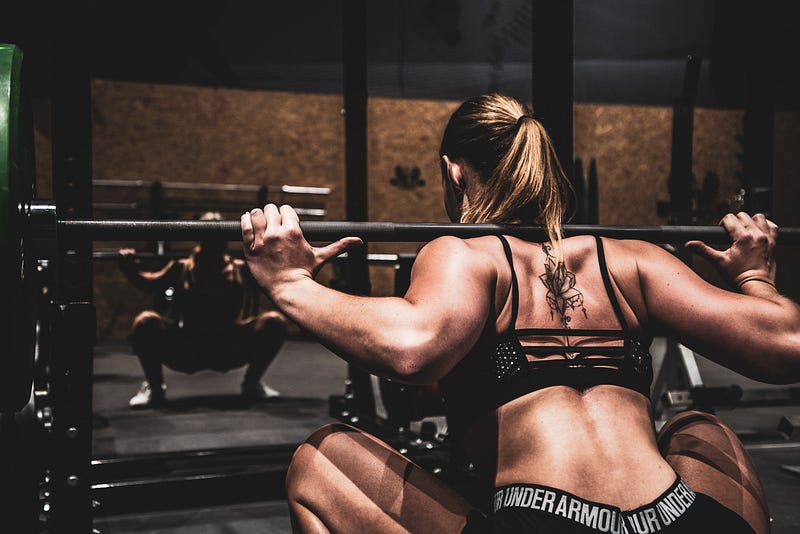
This is because, during a caloric deficit, your body is more likely to break down muscle tissue for energy, especially if you’re not providing enough stimulus to maintain your muscle mass.
By continuing to lift heavy weights and challenging yourself, you’re sending a powerful signal to your body that it needs to hold onto its muscle mass.
However, it’s important to note that maintaining your strength levels doesn’t mean lifting as heavy as possible at all times. Rather, it means trying to maintain the weight you can do for 8 to 12 reps on as many movements as possible for as long as possible. This will help you preserve your hard-earned muscle mass and keep your metabolism firing on all cylinders.
“Your training requirements don’t change, your ability to recover changes”- Dr. Eric Holmes.
#2. Diet More Slowly
The second strategy to prevent muscle loss when dieting is to adopt a slower approach to weight loss.

While it may be tempting to starve yourself and lose weight quickly, this can lead to muscle loss as your body breaks down muscle tissue for energy. Studies have shown that a slower rate of weight loss can be more effective at preserving muscle mass.
One study conducted by Garthe and colleagues in 2011 compared the effects of a slow caloric deficit to a much faster weight loss approach in 30 elite athletes with 10–13 years of training.
The group that followed a slower diet lost 4.9 kg of fat while gaining 1 kg of muscle. In contrast, the faster weight loss group lost 3.2 kg of fat but also lost 0.2 kg of muscle. These findings suggest that a slower approach to weight loss can help you maintain your muscle mass while losing fat.
However, it’s important to note that a slow approach to weight loss doesn’t mean you should drag out your diet for an extended period of time.
According to a study by Dr. Gilbert B. Forbes, weight loss is influenced by two factors: the initial body fat percentage and the magnitude of the energy deficit.
Starting with an aggressive approach can be helpful, but as you get leaner, consider slowing down your weight loss to preserve muscle mass.
A study by Eric Helms and colleagues recommends a weekly weight loss rate of 0.5 to 1% of your body weight to maximise muscle retention. As you approach your desired weight, consider dropping your weight loss rate to maintain your muscle mass.
#3. Increase Protein Intake
Protein is essential for muscle growth and maintenance. When you are in a caloric deficit, your body can start to break down muscle tissue to use for energy. However, increasing your protein intake can help to prevent muscle loss while dieting.
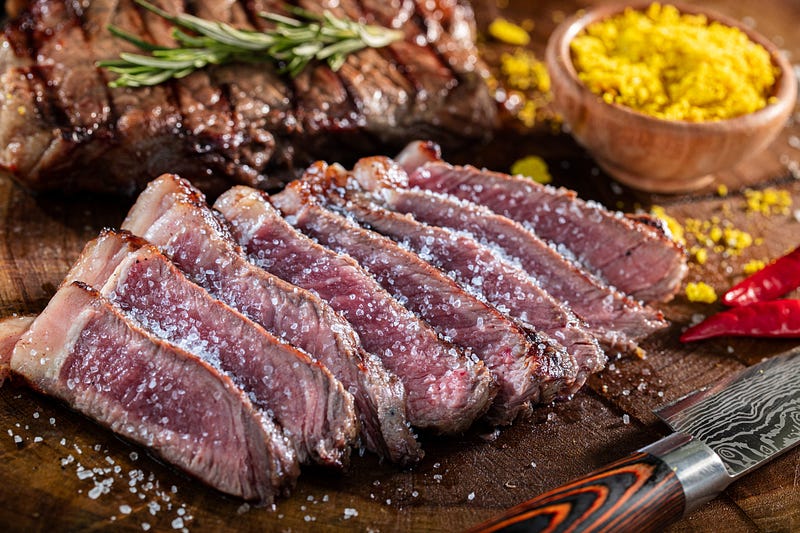
A 2018 review paper found that consuming 2.4g of protein per kilogram of body weight per day is enough to preserve lean body mass when combined with resistance exercise. This means that if you weigh 70kg, you would need to consume 168g of protein per day to maintain your muscle mass while in a caloric deficit.
Some good sources of protein include lean meats, fish, poultry, eggs, dairy, beans, and legumes. It is also a good idea to include a protein source with every meal and snack throughout the day to ensure that your body is getting enough protein to support muscle growth and maintenance.
In addition to preventing muscle loss, increasing your protein intake can also help you feel fuller for longer, which can make it easier to stick to your diet and resist cravings. So, make sure to prioritize protein in your diet while in a caloric deficit to maintain your muscle mass and support your weight loss goals.
#4. Avoid Excessive Cardio

The fourth strategy to minimize muscle loss when dieting is to avoid excessive cardio. While cardio can be an effective tool for burning calories, excessive cardio can lead to muscle loss. This is because excessive cardio can increase cortisol levels, which can lead to muscle breakdown.
A 2014 study by Helms and colleagues recommends that bodybuilders perform the lowest number and duration of cardiovascular sessions possible while still meeting their need to maximally reduce subcutaneous body fat. This means that you should avoid doing too much cardio and focus on resistance training to maintain muscle mass.
Jeff Nippard, a renowned fitness expert, recommends not more than 1–2 HIIT sessions per week and a maximum of Low-Intensity Steady State (LISS) sessions, only as needed to establish a caloric deficit. By doing this, you can still burn calories and lose fat while minimizing muscle loss.
CONCLUSION
Losing weight while maintaining muscle mass is achievable with the right approach. To prevent muscle loss while dieting, maintain your strength levels in the gym, diet more slowly, increase protein intake, and avoid excessive cardio. By following these strategies, you can successfully lose weight while preserving your muscle mass. Remember, consistency and patience are key to achieving your desired results.


