
Eating the equivalent of one peanut M&M less every day could transform the trajectory of your body weight.
The LATO Nudge

Benjamin Franklin said, “Little strokes fell great oaks.”
Look after the ounces and the pounds will take care of themselves
That is a phrase from backpacking. Backpackers need to be really careful about what they take along and how much it weighs because all the little extra things add up and pretty soon your lugging an uncomfortably heavy pack.
You keep the weight of your pack under control by making disciplined scrutinized decisions about everything you put into it.
This has similarities to the strategy of the great football coach Bill Walsh which he delineates in his book The Score Takes Care of Itself.

Look After The Ounces: LATO
I have found the same approach is helpful in controlling my body weight. Exercise is important to burn some calories and diet is important to get proper nutrition. But the most important aspect is simply the amount of calories ingested.
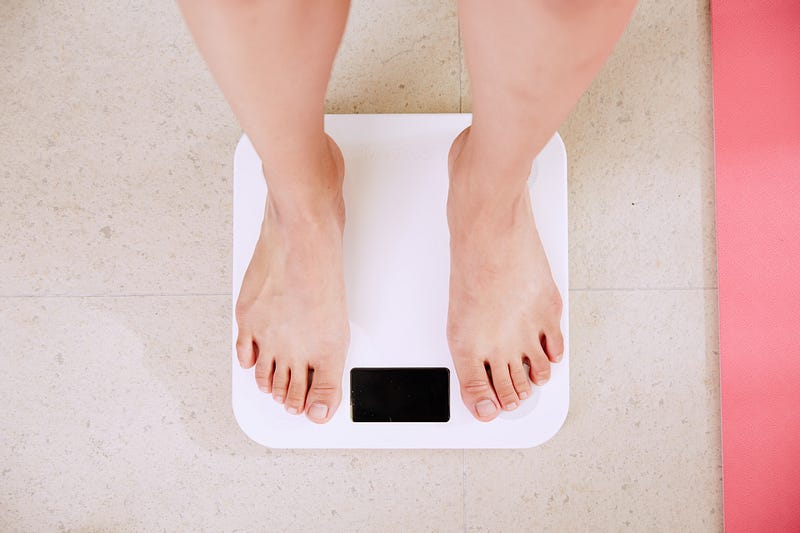
I have been coming to understand this especially as I get older and don’t bounce back as easily from binging undisciplined behavior. I end up paying a high price for what I convince myself in the moment are slight lapses.
Abs are made in the kitchen not in the gym.
Exercising is not a way to lose weight. You can’t eat extra and rationalize it by working out. A thousand calorie workout on FitnessBlender.com takes an hour and a half of hard-ass work.
Eat a Big Mac with a medium order of fries and a medium cola and your total calorie intake is 1,080 calories. There are 510 calories in a Venti Starbucks Caramel Frappuccino.
You have to do serious exercise to burn these things off.
Its easier to just forgo them in the first place. Use the concept of Via Negativa.
Mindfulness Calculus
It’s the simple calculus of calories in and calories expended. Any additional calories that you don’t immediately metabolize get stored as fat. We are incredibly efficient fat storage devices. Its part of our evolutionary heritage and it served us well for survival.
Now we of the developed world suffer from the high-class problem of having plenty to eat. Our brains still think we have to stock up for a trek across a barren desert or something.

We have the tendency to indulge and over consume. This is not good behavior. It’s insidious, tempting and seductive. And we are weak. We need simple and direct cues to combat caloric creep and weight gain.
Giving into small urges add up. They are cumulative. They are the root cause of incremental weight gains. A pound a year is ten pounds in a decade. Two pounds a year is twenty pounds in a decade. It’s easy to find ourselves at thirty or forty, ten or twenty pounds over our ideal weight.
That happened to me and I ended up lugging around an extra forty pounds.
Nudge
Here is a simple idea that has helped me to be more vigilant in the face of seemingly small temptations. I say seemingly small because they loom large in the moment and we need tools of vigilance to deny them.
This nudge technique is rational and based on the earlier mentioned math of calories in, and calories expended, and the calories not burned being stored as fat.
A pound is equal to 3500 calories. To make the math easy lets round a year to 350 days. That means that in order to gain a pound a year you only need to consume a surplus of ten calories a day. Ten. That is a very small amount of food. Its 1 peanut M&M.
In order to gain a pound a year you only need to consume a surplus of only ten calories a day. Ten. That is a very small amount of food. Its one peanut M&M.
Its like the smallest bit of food you can think of and if you can forgo that one extra little thing, you can keep control of your weight. Its totally doable and a great place to start.
A journey of a thousand miles begins with a single step.
If you keep that in mind as you are eating or snacking and just discipline yourself to have one incremental piece less, you can adjust the equation and combat weight creep. This is not a big challenging decision to feel hungry and starving. It is just a small tweak, if you are mindful.
This is a behavior modification. Check out the book Nudge: Improving Decisions About Health, Wealth, and Happiness by Richard Thaler and Cass Sunstein for more on the subject.
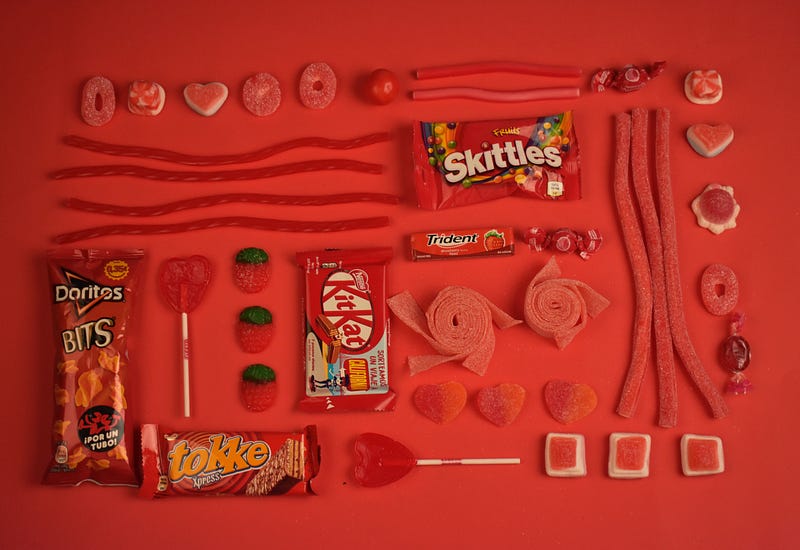
Here is a list of ten-calorie food items to give you an idea of the tiny level of discipline required to nudge yourself in the right direction.
- 4 1/2 mini-marshmallows
- 1 Wheatables cracker
- 1 1/2 almonds
- 2 1/2 Jelly Belly jelly beans
- 1 French onion SunChip
- 3 Altoids mints
- 1 Austin Zoo animal cracker
- 9 Brach’s Cinnamon Imperial Hearts
- 1 dried pineapple piece
- 1 pecan half
- 1 Big Cheez-It Cracker
- 1 Tostitos Scoops! chip
- 1 gummi bear
- 1 Snyder’s of Hanover honey mustard and onion pretzel nibbler
- 1 Keebler mini vanilla wafer
- 4 Cheddar Goldfish crackers
- 2 Skittles
- 1 reduced-fat Pringle
- 4 Nestle Toll House semisweet chocolate chips
- 2 1/2 baked Cheetos
- 42 Cheerios
- 2 Fritos
- 1 shoestring french fry
- 1 peanut M&M
- 3 green or red grapes
- 1 1/2 Twizzlers black licorice bites
- 2 1/2 baby carrots
- 2 Teddy Grahams
- 3 plain M&M’s
Look After The Ounces LATO. Small choices add up. Make this part of your daily mindfulness practice.
All know the way; few actually walk it.
― Bodhidharma
Behavioral Economics
Behavioral Economics is the study of why we do what we do when it comes to decision making. Check out my article on the subject.


