avatarAlex Markham

Free AI web copilot to create summaries, insights and extended knowledge, download it at here

4788

Abstract

tion>The Pagoda in Victoria Park East London with the lake behind. Photo by Alex Markham.</figcaption></figure><h1 id="b768">The Alternative Historical Sites</h1><p id="4ab9">Everyone knows about the Tower of London, Buckingham Palace, The Houses of Parliament, Westminster Abbey and so on. A million tourists and a zillion photos.</p><p id="2552">I used to choose London’s lesser-known history to visit.</p><h2 id="0484">Queen Elizabeth I Hunting Lodge</h2><figure id="3b41"><img src="https://cdn-images-1.readmedium.com/v2/resize:fit:800/1*IReD12ccZzox0DUFswye3g.jpeg"><figcaption>Queen Elizabeth’s Hunting Lodge. Photo by Alex Markham.</figcaption></figure><p id="11d5">The Lodge is a free Tudor museum on the edge of Epping Forest. It was actually built for Liz’s dad, Henry VIII, in 1543 as a base for deer hunting. The two most well-known rulers in English history and there are no tourists. Except for me, Alejandra and a few dog walkers.</p><h2 id="4a9e">Alexandra Palace</h2><p id="21bb">‘Ally Pally’’ was built on one of London’s highest points on what had previously been a farm. It became famous as the studios for the UK’s first national TV broadcasts in the 30s.</p><p id="1c60">These days it’s an entertainment centre for live music and exhibitions and is surrounded by a nature reserve and parkland. All the reasons we went. Often.</p><figure id="8d35"><img src="https://cdn-images-1.readmedium.com/v2/resize:fit:800/1*mxdxNWUemVc1-pLq1yGJaQ.jpeg"><figcaption>The main entrance of Alexandra Palace. Photo by Alex Markham</figcaption></figure><figure id="e781"><img src="https://cdn-images-1.readmedium.com/v2/resize:fit:800/1*1v70hrlDmh9YiputJCftMw.jpeg"><figcaption>View from Alexandra Palace on a rainy day over the park and nature reserve. Central London can be seen on the horizon. Photo by Alex Markham</figcaption></figure><h2 id="f957">William Morris Gallery</h2><p id="cfe1">William Morris was a famous Victorian textile designer and also a poet, novelist, translator and socialist activist. A busy man. His childhood home is now a gallery of his work.</p><p id="47cb">The building used to sit in the countryside surrounded by fields but is now in North-East London surrounded by buildings and traffic on three sides. Luckily, Lloyds Park sits behind and there are a couple of cafés on the site. I could never get fed up with this place. The coffee’s good too.</p><figure id="6337"><img src="https://cdn-images-1.readmedium.com/v2/resize:fit:800/1*qnOtY0_qf7TiRBv98_RTGQ.jpeg"><figcaption>The William Morris Gallery. Photo by Alex Markham.</figcaption></figure><figure id="5071"><img src="https://cdn-images-1.readmedium.com/v2/resize:fit:800/1*oYp8hAJyJFBeUXYXMoanag.jpeg"><figcaption>A peaceful scene in the 10-acre Lloyds Park behind the Gallery. Photo by Alex Markham.</figcaption></figure><figure id="3bdc"><img src="https://cdn-images-1.readmedium.com/v2/resize:fit:800/1*APG7lQ0G3rHdiNip41h3PQ.jpeg"><figcaption>A montage of William Morris classic designs displayed in the gallery. Photos by Alex Markham</figcaption></figure><h2 id="1b37">Roman London</h2><p id="eb1d">London’s Roman past is well known. Less well known are the preserved sections of the Roman wall and other buildings hidden away in central London courtyards and small parks between modern office buildings.</p><p id="e73d">You’ll find only a couple of locals there, one could have been me, and the occasional office worker having a break between Zoom calls.</p><figure id="6db6"><img src="https://cdn-images-1.readmedium.com/v2/resize:fit:800/1*m_wAaWaXJUvBVbJsFiJ_rA.jpeg"><figcaption>A section of London’s Roman wall in a courtyard hidden between office buildings. Photo by Alex Markham.</figcaption></figure><figure id="cd4f"><img src="https://cdn-images-1.readmedium.com/v2/resize:fit:800/1*ue99fPbflm0pDQQJjD1H6Q.jpeg"><figcaption>A Roman strongpoint and entrance to the city below street level in central London. Photo by Alex Markham.</figcaption></figure><h2 id="759d">Loughton Camp</h2><p id="a759">This 10-acre iron-age fort is technically a mile or two outside London’s boundaries. It was a stopping-off point for Julius Caesar on his invasion of Britain over 2,000 years ago. Dick Turpin, the highwayman, is also said to have used it as a hideaway.</p><p id="2a47">These days, you’ll find only foxes, birds and maybe a couple of locals like me and Alejandra with visiting family.</p><figure id="6a43"><img src="https://cdn-images-1.readmedium.com/v2/resize:fit:800/1*DJhAWjgX3X3gMEI11l0NAQ.jpeg"><figcaption>My brother-in-law, Guillermo, standing inside Loughton Camp. The earthwork walls can be seen to the right and behind him. Photo by Alex Markham.</figcaption></figure><h1 id="2987">The New Districts</h1><h2 id="3278">Stratford, East London</h2><p id="c071">Stratford wa

Options

s a former industrial wasteland that now contains London’s newest postcode. The area was regenerated for the 2012 London Olympics and has Europe’s largest undercover shopping centre, Queen Elizabeth Park, the River Lea and the London Stadium, formally the Olympic Stadium.</p><p id="ceae">The stadium is home to my football team, West Ham, so I travelled to Stratford all the time. Great memories. If we won.</p><figure id="a015"><img src="https://cdn-images-1.readmedium.com/v2/resize:fit:800/1*IrfsuvS_fYxsT32qIWknwA.jpeg"><figcaption>A game in progress at the London Stadium, formally the 2012 Olympic Stadium. Photo by Alex Markham</figcaption></figure><h2 id="3711">London Docklands</h2><p id="3d82">The London Docklands was regenerated in the 80s after the docks closed. The area was converted to London’s financial centre and the location for thousands of new homes and many restaurants and entertainment centres including the O2, the world’s busiest music and entertainment venue.</p><figure id="d21e"><img src="https://cdn-images-1.readmedium.com/v2/resize:fit:800/1*bAUldhBFUnApp0fTpJ3CMA.jpeg"><figcaption>The O2 Arena from a cable car over the Thames. The foreground shows the financial district and, in the background, the City of London. Photo by the Alex Markham</figcaption></figure><p id="2e6f">Fed up with the hordes of tourists and coachloads of school children at London’s museums? Then head to the Museum of London at the Docklands. You might meet Alejandra and me on a trip back from Spain. Not many others though and never mind the exhibits, the café is excellent.</p><figure id="48d4"><img src="https://cdn-images-1.readmedium.com/v2/resize:fit:800/1*cVTaoPmJM55_O92etrSPgw.jpeg"><figcaption>The Museum of London in a renovated dock warehouse. Photo by Alex Markham.</figcaption></figure><h2 id="05b8">The Barbican</h2><p id="5d2d">The Barbican is a traffic-free 40-acre estate built on a former WWII bomb site in central London. We loved the Arts Centre with its cinemas, theatres and exhibitions. And the bars and restaurants. Very important.</p><figure id="c365"><img src="https://cdn-images-1.readmedium.com/v2/resize:fit:800/1*YtObytRoIiEE2HKlzBmqqA.jpeg"><figcaption>The Barbican development in central London. It contains the largest arts and entertainment centre in Europe. And lots of homes. Photo by Alex Markham.</figcaption></figure><h2 id="0223">Travel Memories of London</h2><p id="604e">I love to live and travel in cities, they have everything. London is an extreme mix of the noise and bustle of a massive metropolis combined with forests, villages and tranquility. And it holds my favourite memories of a London off the tourist trail.</p><p id="184a"><b>#travelmemories</b></p><p id="c684"><i>All photos ©Alex Markham 2021. Photos were taken on my Nikon D3200 DSLR and iPhone 6plus.</i></p><p id="5a80"><i>If you enjoyed this article about my travel memories in my old home city, you can read about my new home city here — <a href="https://readmedium.com/every-day-is-a-holiday-in-valencia-24e48b1ba327">Valencia Spain</a>.</i></p><figure id="495c"><img src="https://cdn-images-1.readmedium.com/v2/resize:fit:800/1*SKwELdEBKcKsuEW5XX6-jw.png"><figcaption></figcaption></figure><p id="b3de"><b><i>Sign up for our newsletter to stay informed with up-to-date curations from our editors:👇</i></b></p><div id="8d7a" class="link-block"> <a href="https://codyjameshowellphd.substack.com/"> <div> <div> <h2>World Traveler's Blog</h2> <div><h3>Digital nomad tips and travel stories from around the world</h3></div> <div><p>codyjameshowellphd.substack.com</p></div> </div> <div> <div style="background-image: url(https://miro.readmedium.com/v2/resize:fit:320/0*BAEhE-6vwyGehV8S)"></div> </div> </div> </a> </div><p id="8483"><b><i>We now offer exclusive writing services for our members. Discover how you can take advantage of our editing services and more.</i></b></p><div id="b4c9" class="link-block"> <a href="https://www.patreon.com/WorldTravelersBlog"> <div> <div> <h2>World Traveler's Blog is creating a community for travelers and digital nomads to share the world |…</h2> <div><h3>You will receive professional line-editing services on up to 3 articles per month. We will also assure that your…</h3></div> <div><p>www.patreon.com</p></div> </div> <div> <div style="background-image: url(https://miro.readmedium.com/v2/resize:fit:320/0*9x-UbnDn9vdYeLqr)"></div> </div> </div> </a> </div></article></body>

Travel. Travel Memories. Travel Writing Prompt.

London Off the Tourist Trail

My favourite London memories you won’t find in travel guides
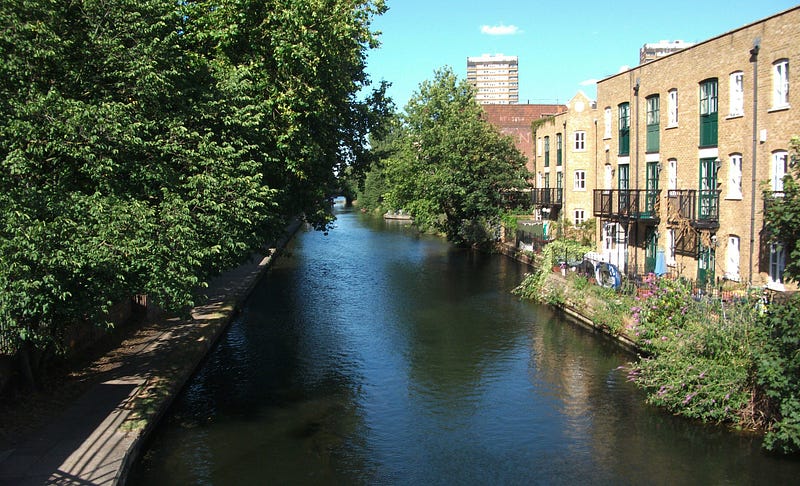
Regents Canal at Victoria Park in East London. Photo by Alex Markham.

My favourite travel memories from the country I was born in are from the city I lived in — London.

It might seem odd that someone would travel around their home city and find it the best memory. Maybe it’s nostalgia now my wife, Alejandra, and I live in Spain? I don’t think so.

London covers 600 square miles so there’s a lot of London to travel to. Here are a few of my favourite London travel memories — off the tourist trails.

The Lost Villages and Towns

London expanded rapidly in the 20th century, eating up villages and towns in its path like a hungry tidal wave. In many areas, vestiges of the past remain: ancient village greens, churches, cottages and historic buildings. These are the places I travelled to.
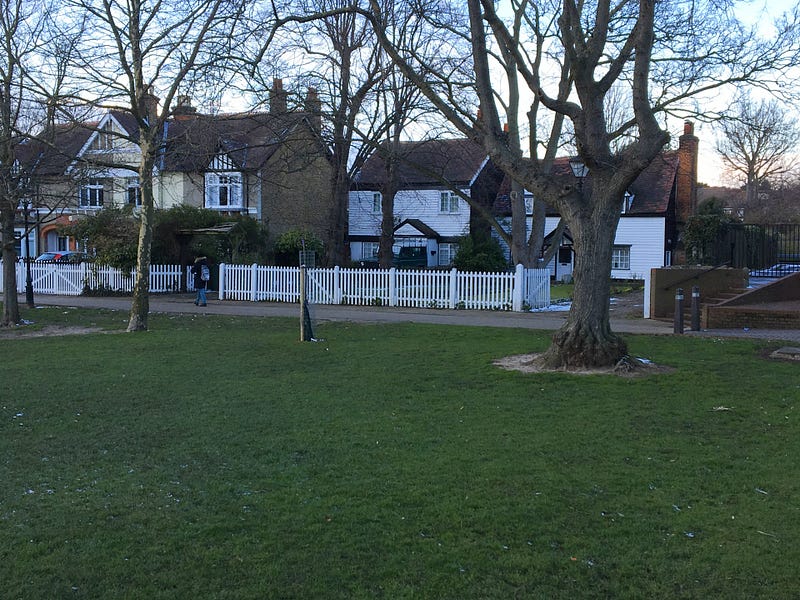
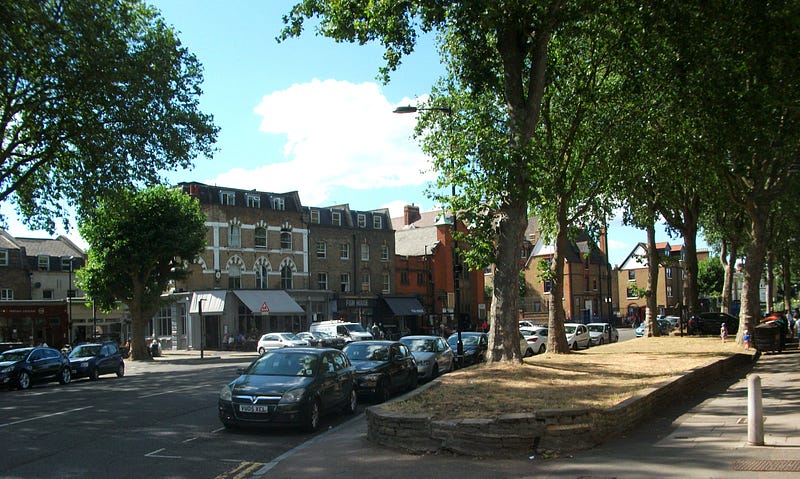
The Village Green at Chingford, North East London. These 17th-century whiteboard cottages are now surrounded by later developments but the Green remains. Photo by Alex Markham
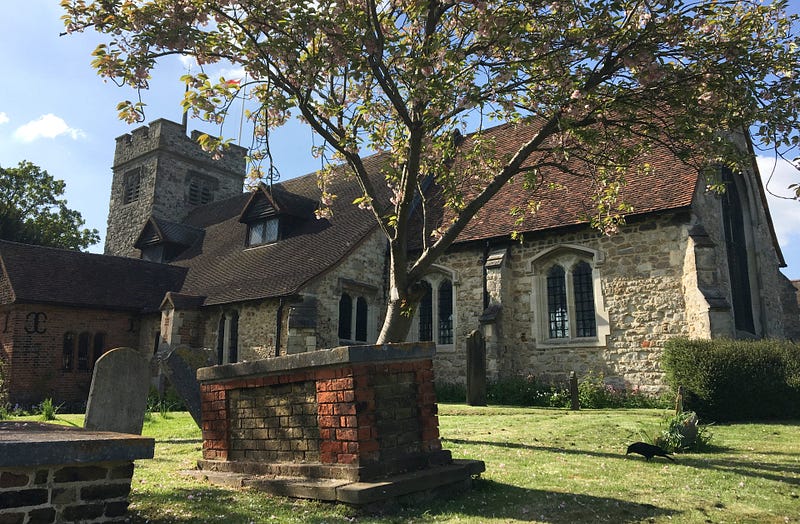
All Saints, a 12-century Anglo-Saxon church in North East London. Photo by Alex Markham.
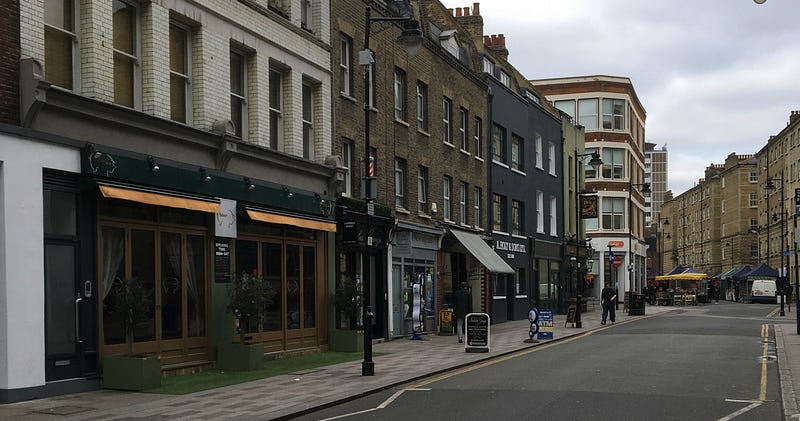
Whitecross Street with its street market. This quiet area is a ten-minute walk to central London’s business district. Photo By Alex Markham.
Victoria Park Village in East London. Quiet bakeries, pubs and restaurants. Photo by Alex Markham.
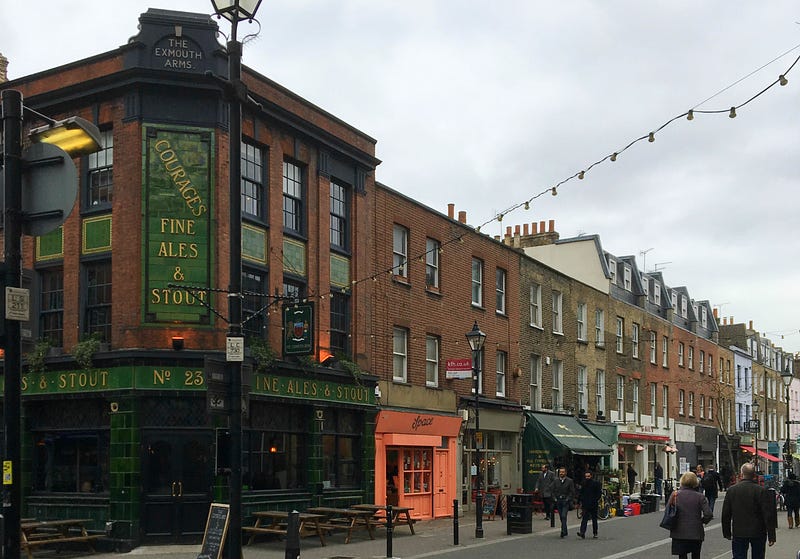
Tranquil and trendy Exmouth Market, a traffic-free high street about half a mile north of central London. Photo by Alex Markham.
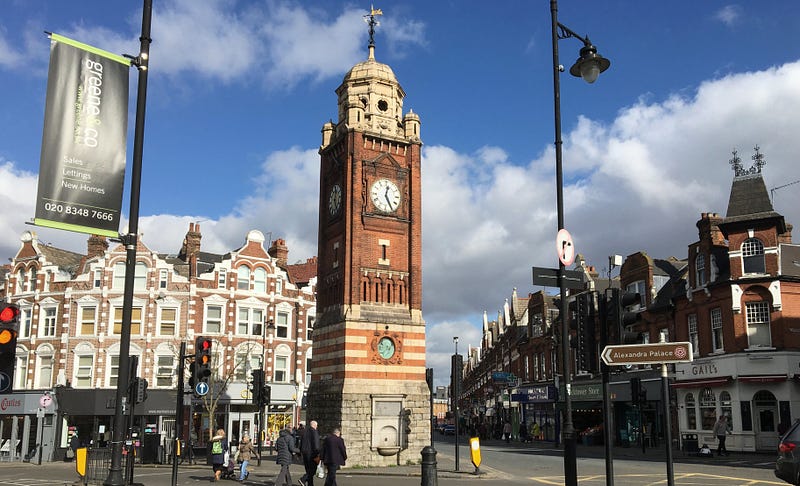
The Victorian Clock Tower in the centre of Crouch End, North London. Crouch End was a rural crossroads until the end of the 19th century and now an upmarket suburb with theatres, independent cinemas and independent shops. Photo by Alex Markham.

The Forests and Parklands

Epping Forest

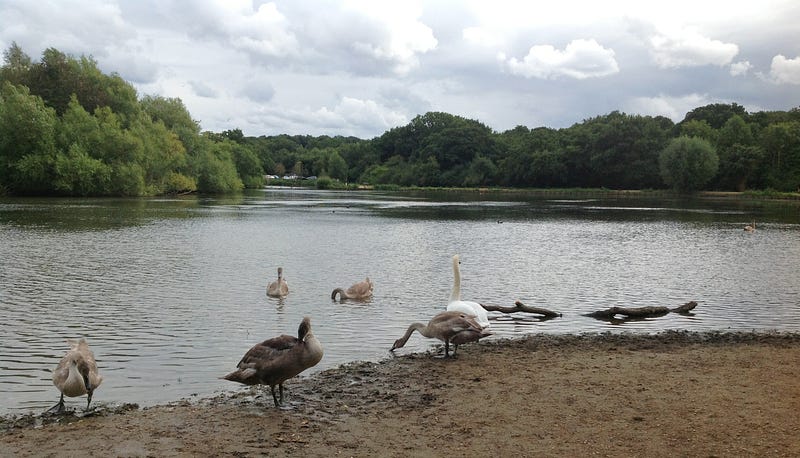
Epping Forest is a 6,000 acre ancient royal forest in East London stretching out into the county of Essex. Our fellow explorers were the deer.
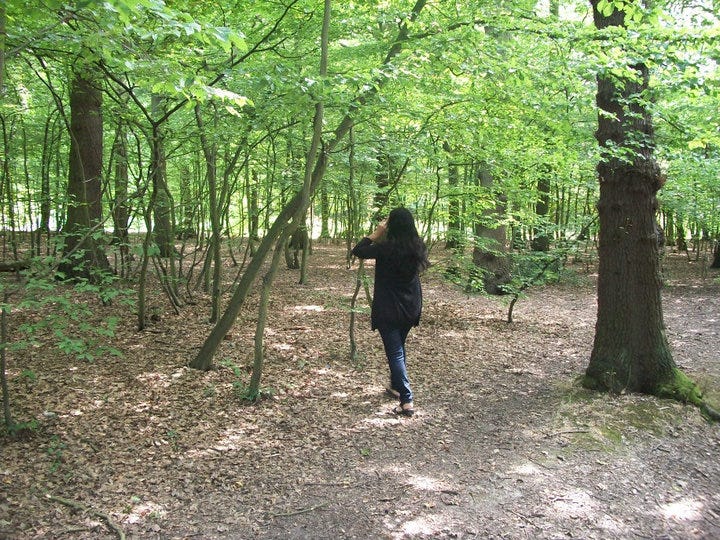
With my wife, Alejandra, on a visit to Epping Forest in London. Photo by Alex Markham.
Geese relaxing at a lake in Epping Forest, London. Photo by Alex Markham.
Not a skyscraper or office block in sight – just miles and miles of grass, bushes and trees in Epping Forest London. Photo by Alex Markham.

Walthamstow Wetlands

The Wetlands is a nature reserve in North East London. Perfect for a stroll and a quiet coffee in the café — a converted Victorian pumping station. We all know coffee is the fuel of life. As is the tranquility of city life.
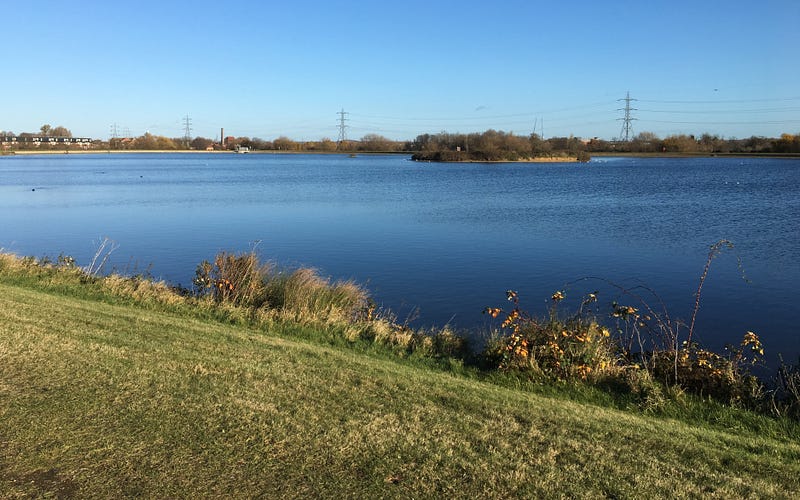
View across a lake at the Walthamstow Wetlands, North-East London. Photo by Alex Markham.

Victoria Park

‘Vicky Park’ is a 180-year-old park five miles from central London. It’s also the location for many open-air music concerts in summer. Pre-Covid. Sigh.
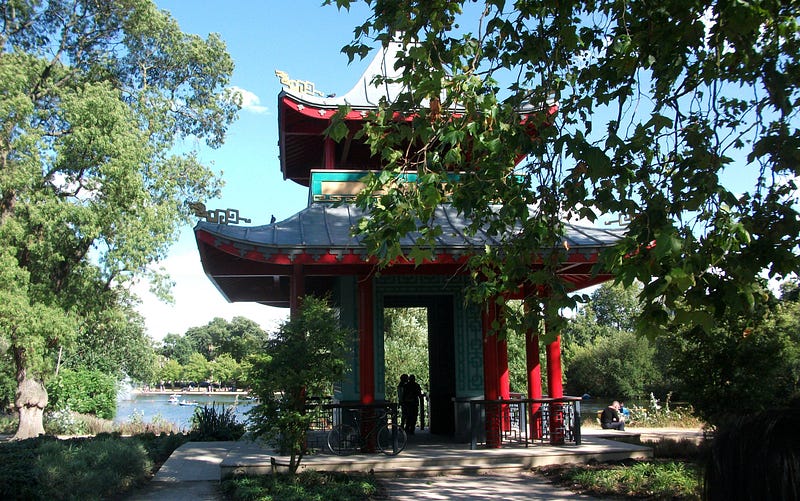
The Pagoda in Victoria Park East London with the lake behind. Photo by Alex Markham.

The Alternative Historical Sites

Everyone knows about the Tower of London, Buckingham Palace, The Houses of Parliament, Westminster Abbey and so on. A million tourists and a zillion photos.

I used to choose London’s lesser-known history to visit.

Queen Elizabeth I Hunting Lodge
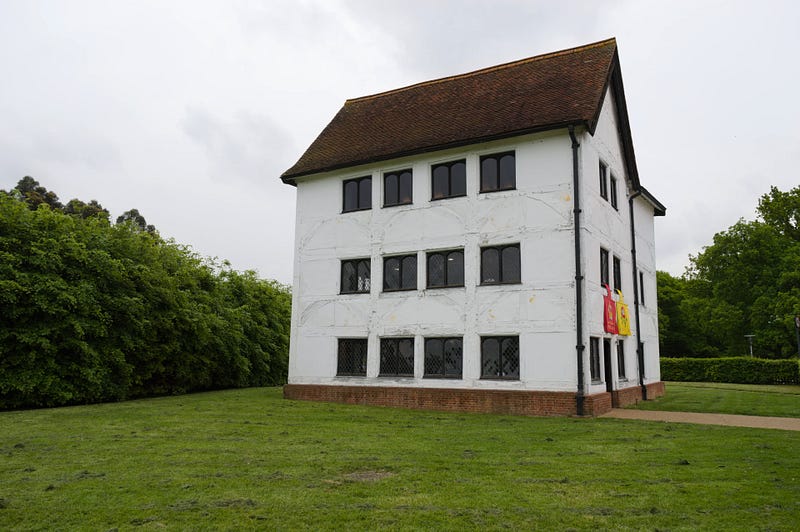
Queen Elizabeth’s Hunting Lodge. Photo by Alex Markham.

The Lodge is a free Tudor museum on the edge of Epping Forest. It was actually built for Liz’s dad, Henry VIII, in 1543 as a base for deer hunting. The two most well-known rulers in English history and there are no tourists. Except for me, Alejandra and a few dog walkers.

Alexandra Palace

‘Ally Pally’’ was built on one of London’s highest points on what had previously been a farm. It became famous as the studios for the UK’s first national TV broadcasts in the 30s.

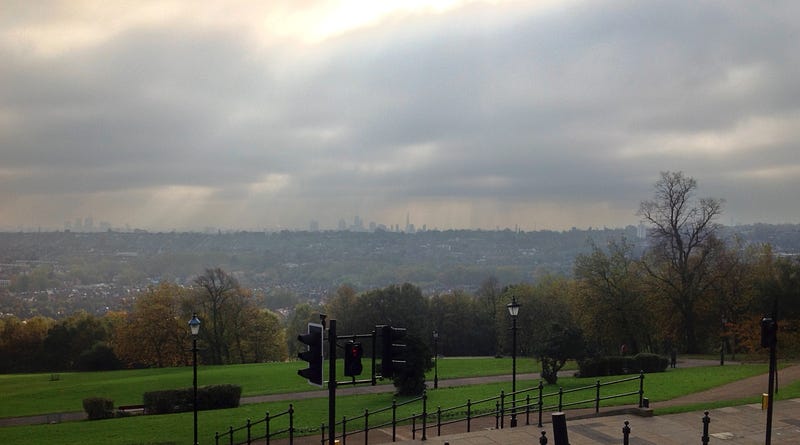
These days it’s an entertainment centre for live music and exhibitions and is surrounded by a nature reserve and parkland. All the reasons we went. Often.
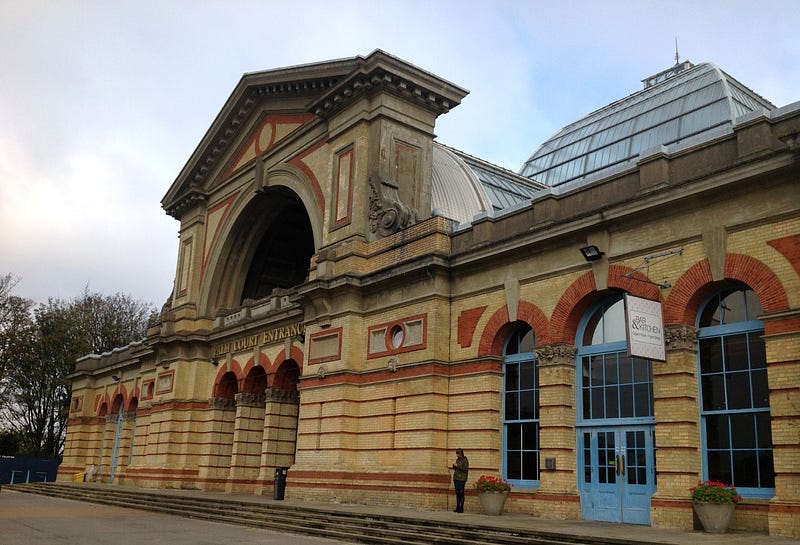
The main entrance of Alexandra Palace. Photo by Alex Markham
View from Alexandra Palace on a rainy day over the park and nature reserve. Central London can be seen on the horizon. Photo by Alex Markham

William Morris Gallery

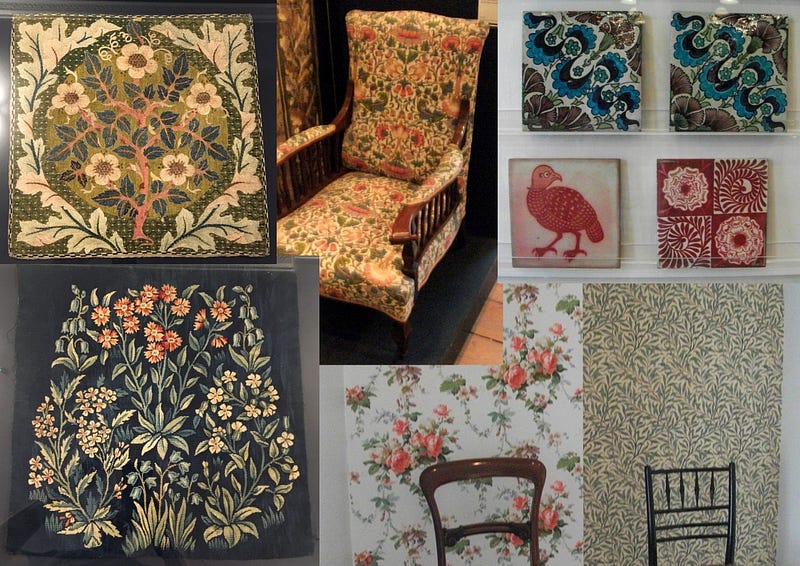
William Morris was a famous Victorian textile designer and also a poet, novelist, translator and socialist activist. A busy man. His childhood home is now a gallery of his work.

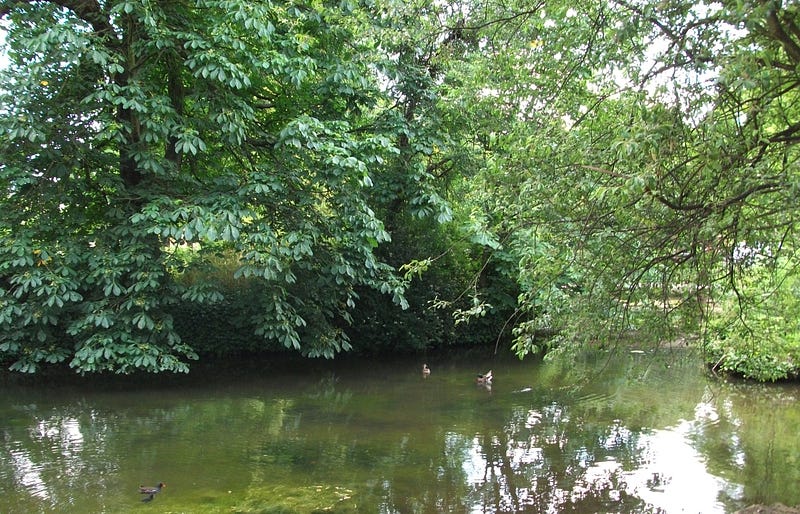
The building used to sit in the countryside surrounded by fields but is now in North-East London surrounded by buildings and traffic on three sides. Luckily, Lloyds Park sits behind and there are a couple of cafés on the site. I could never get fed up with this place. The coffee’s good too.
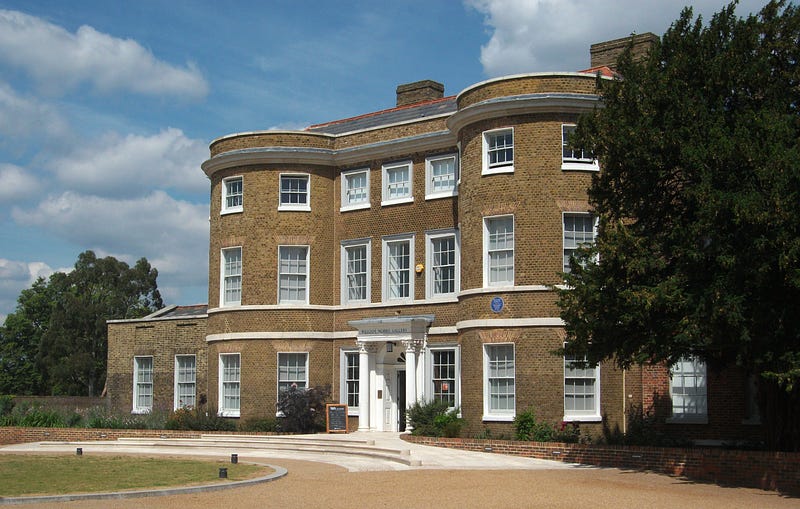
The William Morris Gallery. Photo by Alex Markham.
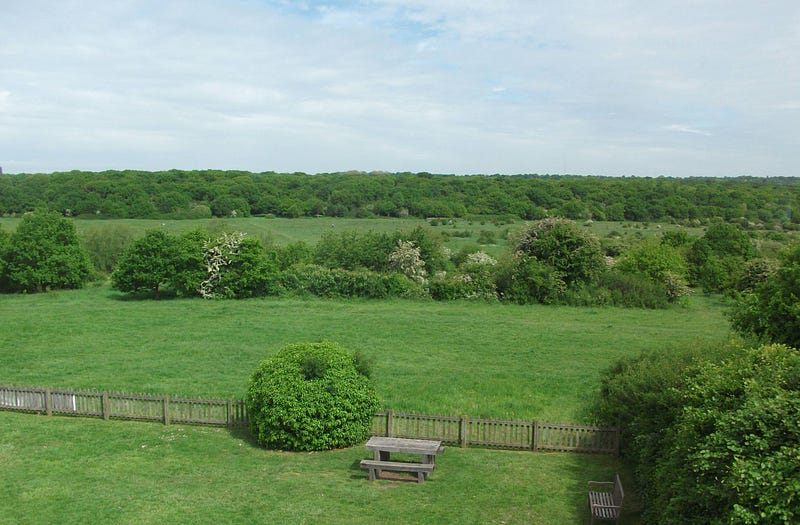
A peaceful scene in the 10-acre Lloyds Park behind the Gallery. Photo by Alex Markham.
A montage of William Morris classic designs displayed in the gallery. Photos by Alex Markham

Roman London

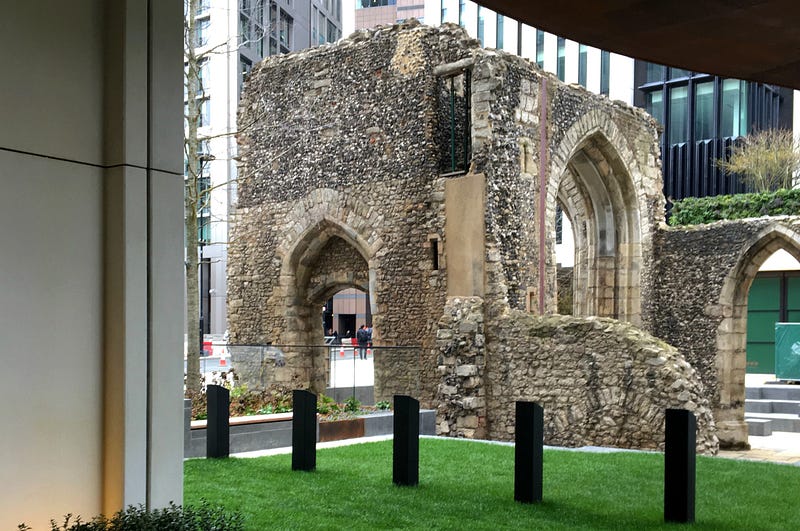
London’s Roman past is well known. Less well known are the preserved sections of the Roman wall and other buildings hidden away in central London courtyards and small parks between modern office buildings.

You’ll find only a couple of locals there, one could have been me, and the occasional office worker having a break between Zoom calls.
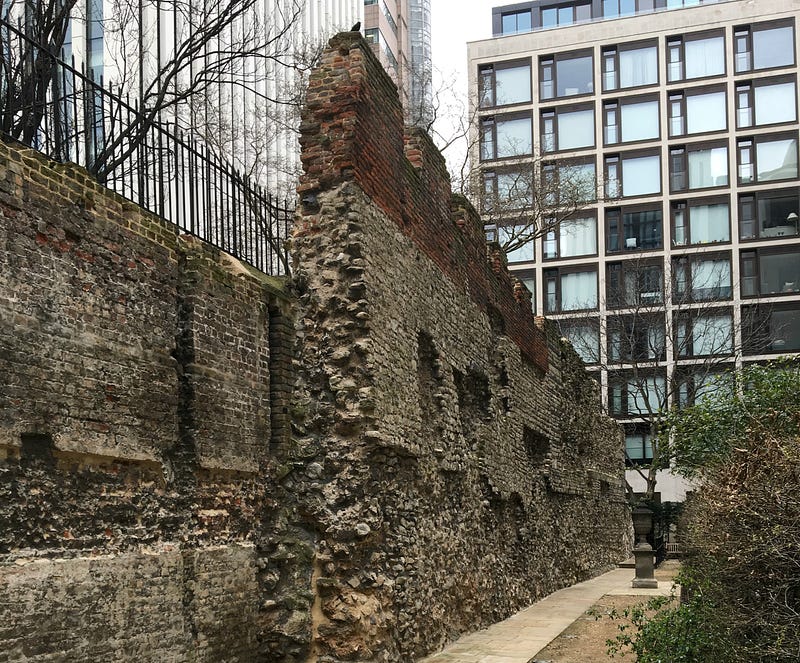
A section of London’s Roman wall in a courtyard hidden between office buildings. Photo by Alex Markham.
A Roman strongpoint and entrance to the city below street level in central London. Photo by Alex Markham.

Loughton Camp

This 10-acre iron-age fort is technically a mile or two outside London’s boundaries. It was a stopping-off point for Julius Caesar on his invasion of Britain over 2,000 years ago. Dick Turpin, the highwayman, is also said to have used it as a hideaway.

These days, you’ll find only foxes, birds and maybe a couple of locals like me and Alejandra with visiting family.
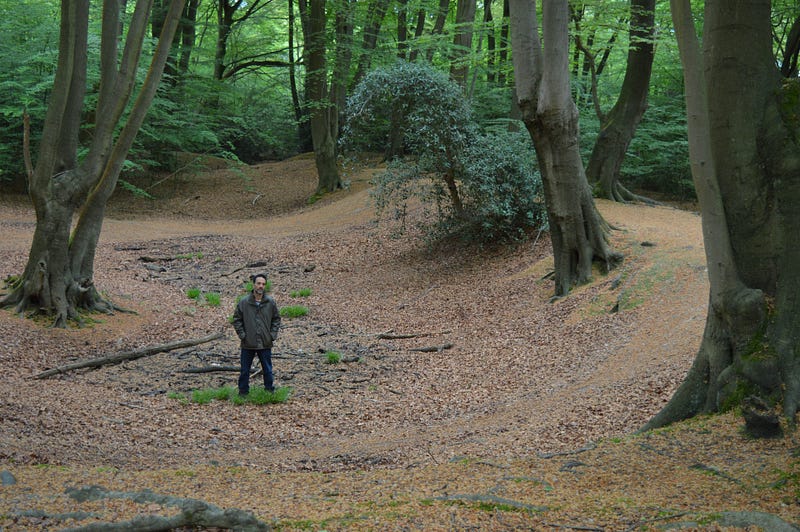
My brother-in-law, Guillermo, standing inside Loughton Camp. The earthwork walls can be seen to the right and behind him. Photo by Alex Markham.

The New Districts

Stratford, East London

Stratford was a former industrial wasteland that now contains London’s newest postcode. The area was regenerated for the 2012 London Olympics and has Europe’s largest undercover shopping centre, Queen Elizabeth Park, the River Lea and the London Stadium, formally the Olympic Stadium.

The stadium is home to my football team, West Ham, so I travelled to Stratford all the time. Great memories. If we won.
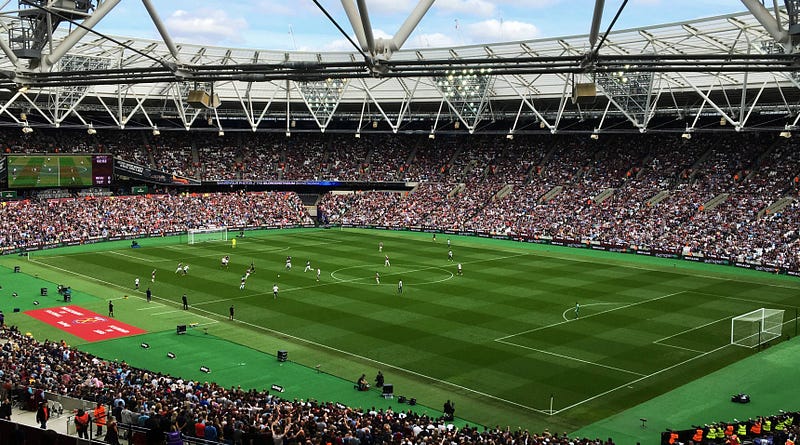
A game in progress at the London Stadium, formally the 2012 Olympic Stadium. Photo by Alex Markham

London Docklands

The London Docklands was regenerated in the 80s after the docks closed. The area was converted to London’s financial centre and the location for thousands of new homes and many restaurants and entertainment centres including the O2, the world’s busiest music and entertainment venue.
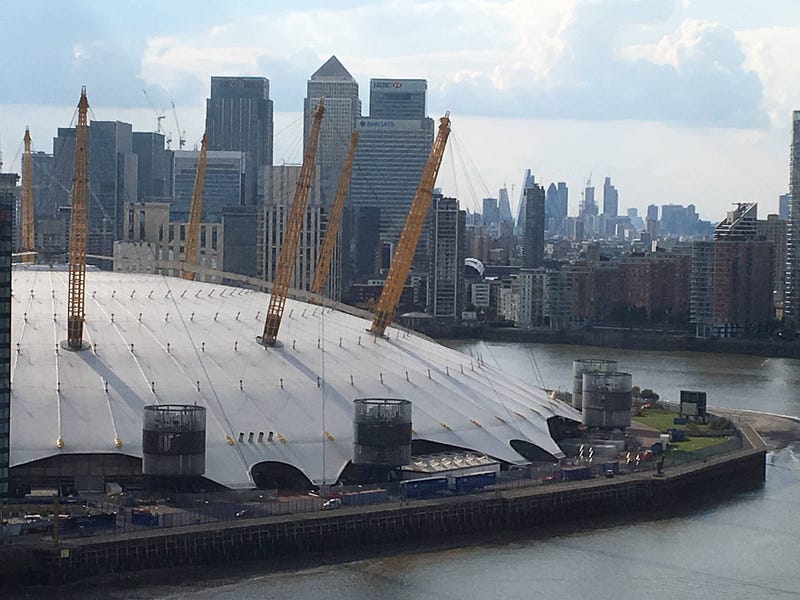
The O2 Arena from a cable car over the Thames. The foreground shows the financial district and, in the background, the City of London. Photo by the Alex Markham

Fed up with the hordes of tourists and coachloads of school children at London’s museums? Then head to the Museum of London at the Docklands. You might meet Alejandra and me on a trip back from Spain. Not many others though and never mind the exhibits, the café is excellent.
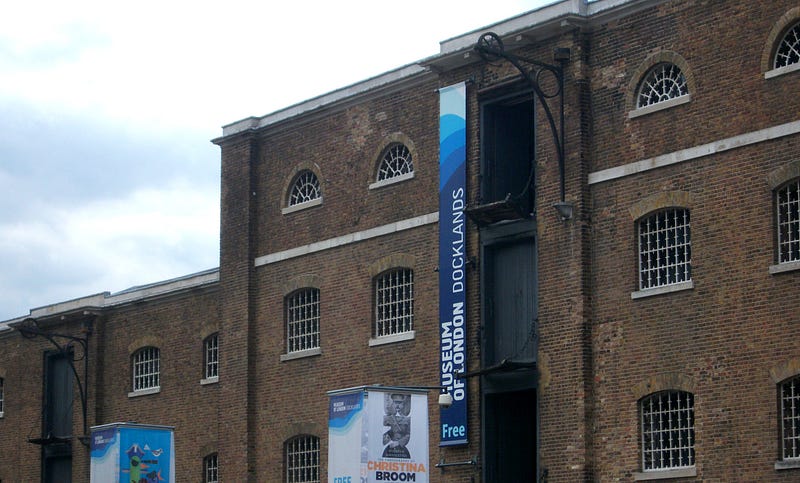
The Museum of London in a renovated dock warehouse. Photo by Alex Markham.

The Barbican

The Barbican is a traffic-free 40-acre estate built on a former WWII bomb site in central London. We loved the Arts Centre with its cinemas, theatres and exhibitions. And the bars and restaurants. Very important.
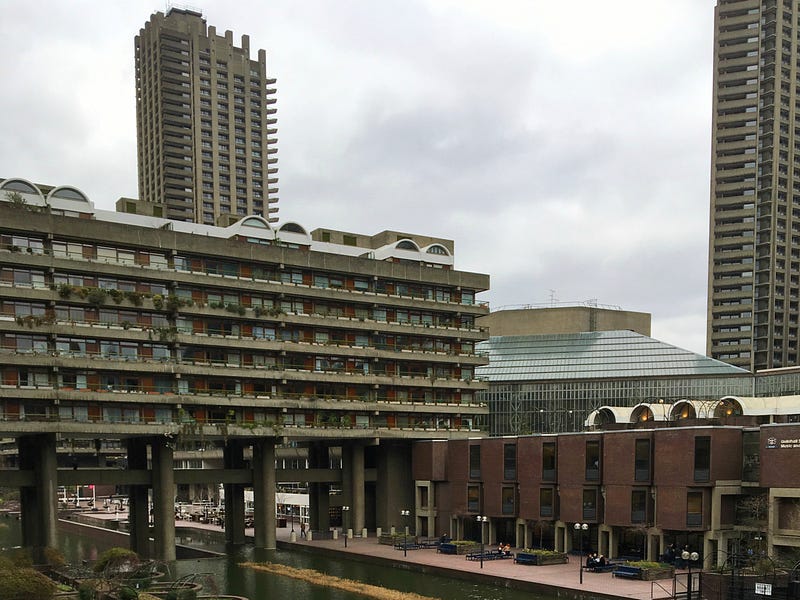
The Barbican development in central London. It contains the largest arts and entertainment centre in Europe. And lots of homes. Photo by Alex Markham.

Travel Memories of London

I love to live and travel in cities, they have everything. London is an extreme mix of the noise and bustle of a massive metropolis combined with forests, villages and tranquility. And it holds my favourite memories of a London off the tourist trail.

#travelmemories

All photos ©Alex Markham 2021. Photos were taken on my Nikon D3200 DSLR and iPhone 6plus.

If you enjoyed this article about my travel memories in my old home city, you can read about my new home city here — Valencia Spain.

Sign up for our newsletter to stay informed with up-to-date curations from our editors:👇

We now offer exclusive writing services for our members. Discover how you can take advantage of our editing services and more.

Travel
London
Memories
British Isles
Travel Writing Prompt
Recommended from ReadMedium