
HOMETOWN TOURIST
Every Day is a Holiday in Valencia
Spain’s third city relaxes on the Mediterranean coast minding its own business
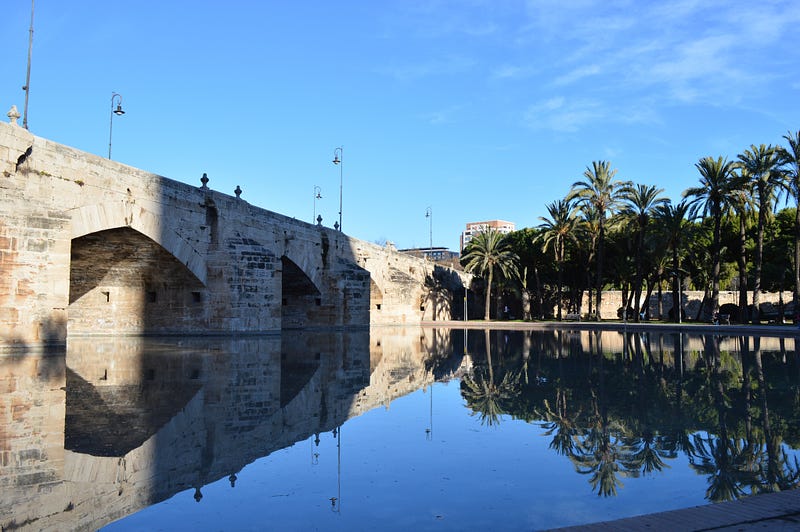
I always ask myself the same question about a possible holiday destination — is it better than Valencia? Often it isn’t. And this from a seasoned traveller.
In October 2018, I moved home from London to Valencia. My wife and I love cities, often our holidays are city travel.
There are many things I miss about my real hometown city in the UK, yet I sometimes have to pinch myself. In Valencia, every day is like a vacation, even when I’m working.
Valencia City (La Ciudad)
Valencia is the capital city of the community of Valencia, a semi-autonomous region of Spain
It’s the country’s third-largest city after Madrid and Barcelona. You’d never guess though; Valencia is light years away from the noise and restlessness of those brash noisy places.
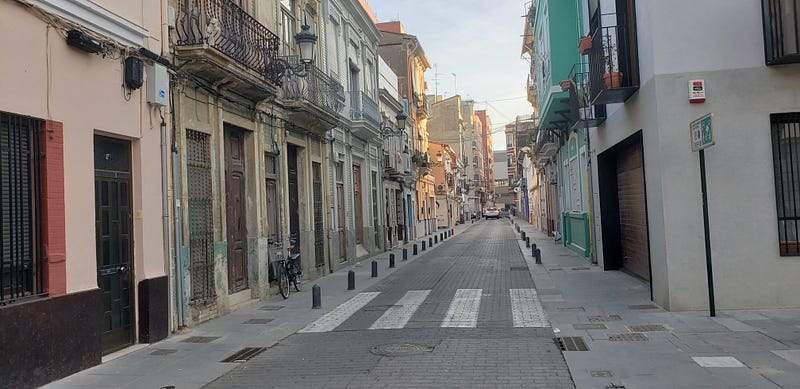
Surrounded by mountains on three sides and the Mediterranean sea on the eastern border, Valencia is cut off meteorologically and philosophically from the rest of Spain. We do things differently here.
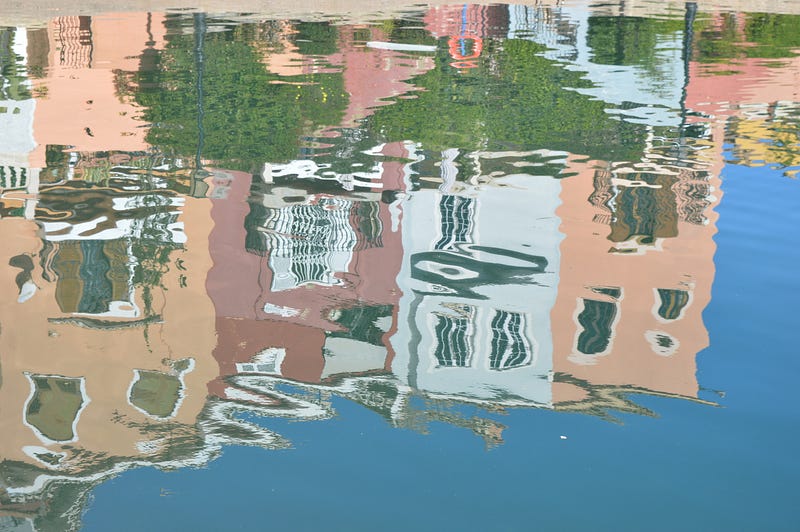
There are about 800,000 of us living in Valencia City and around 100,000 are ex-pats like me. However, don’t expect to hear much English; you’ll need a good level of Spanish to get by. Some knowledge of the local Valenciano language is also useful — Valenciano is similar to Catalan.
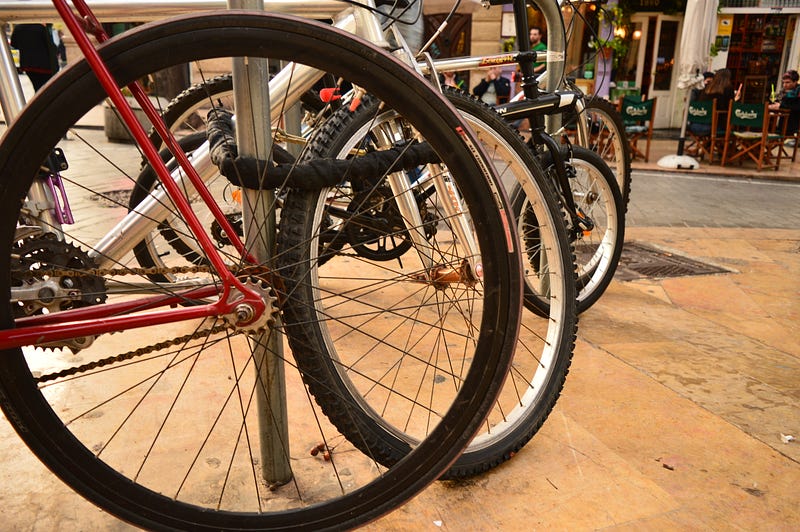
The River (El Rio)
The River Turia is the centre of much of our everyday cultural, recreational and sporting life in the city. The River runs around the centre of Valencia in an upside-down horseshoe shape. Or the right way up if you’re upside down.
The thing is, it’s not actually a river anymore. These days it’s an 11km / 7-mile long park called the Turia Gardens running along the course of the former river.
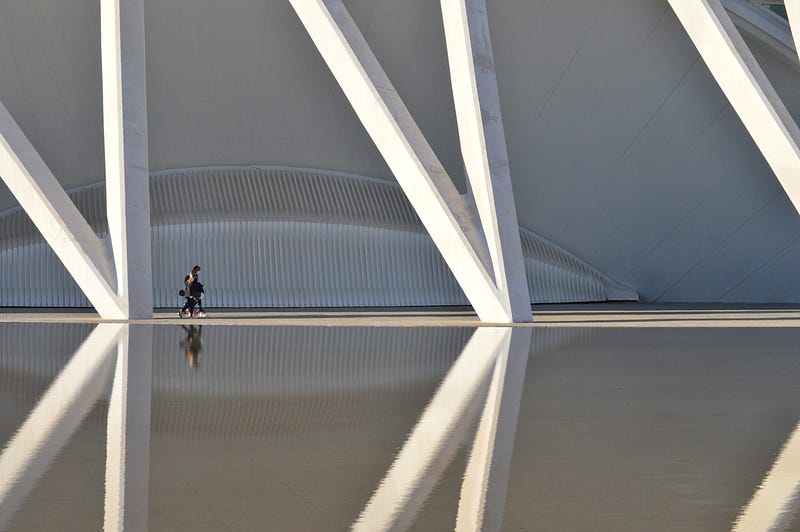
The River Turia was diverted south of the city in the ’60s following several serious floods, the worst and final one was in 1957 and caused serious destruction and loss of life.
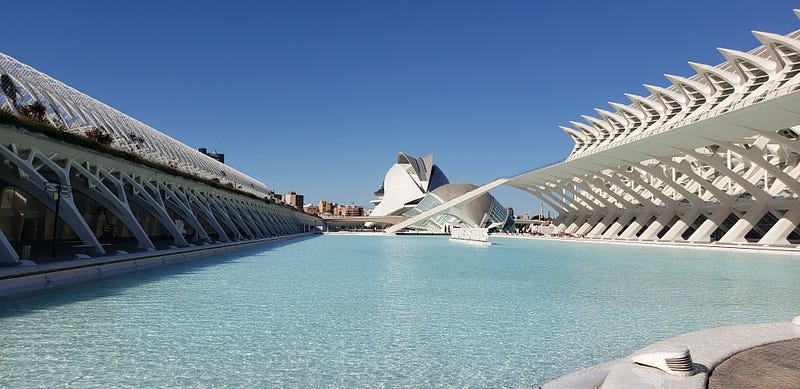
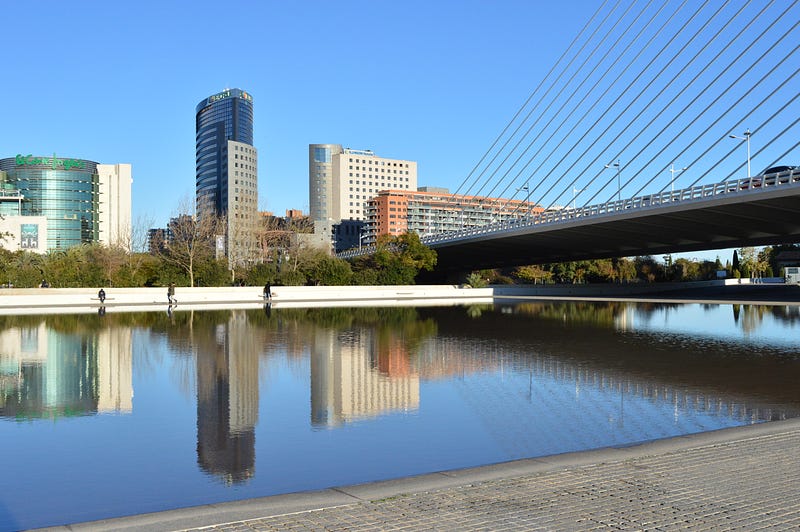
Officially the park is called the Turia Gardens but everyone calls it ‘El Rio’ — ‘The River’. This is to differentiate it from ‘The River’ which is the actual River Turia that now flows south of the city. That’s nice and clear then.
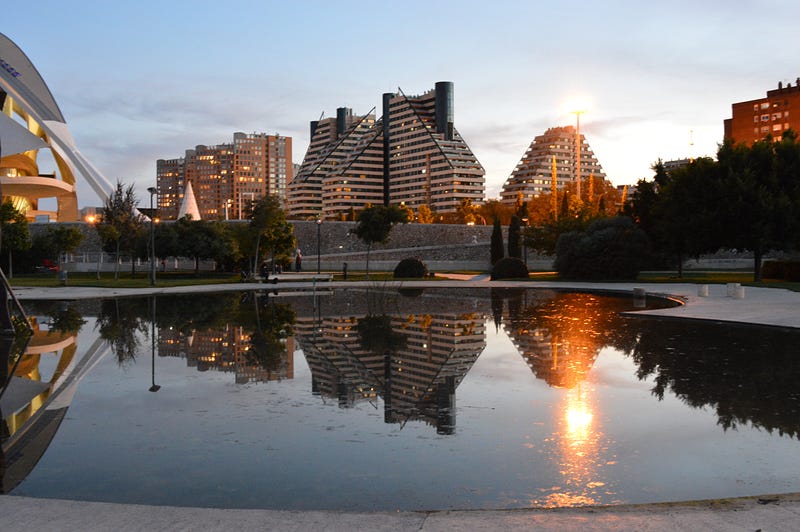
The local government wanted to turn the course of the diverted river into a ten-lane motorway. That’s politicians for you. The locals campaigned successfully and we got a park and the City of Arts and Sciences instead.
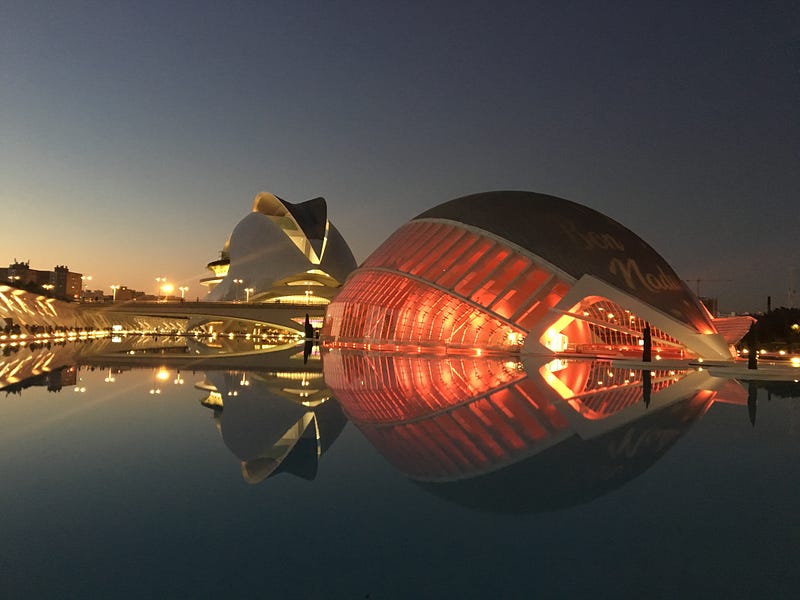
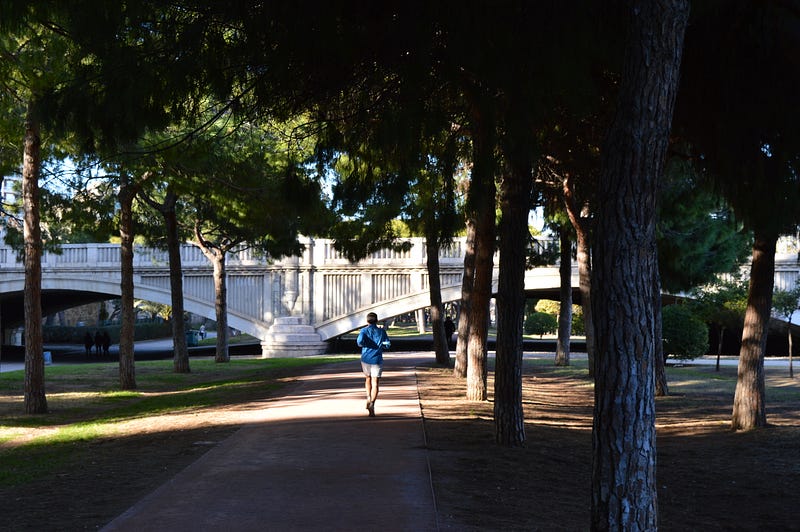
I, and many Valencianos, use the Turia Gardens for our outside recreation all year round thanks to the amazing micro-climate in Valencia. Every day there is open-air Pilates, Yoga, Tai Chi, aerobics and other exercise groups, people reading, chatting, jogging, cycling, walking or just relaxing by eating and drinking in the many cafés and bars in the Turia. Well, we are all on a permanent holiday.
There are also football pitches and cycling and running tracks. Running’s one of my things and I defy anyone to find a more attractive running track than the one I use in the Turia Gardens.
The Old Town (La Ciudad Vieja / La Ciutat Vella)
Every Spanish town and city has to have an Old Town and Valencia is no different. Everyone calls it by its Valenciano name, La Ciutat Vella.
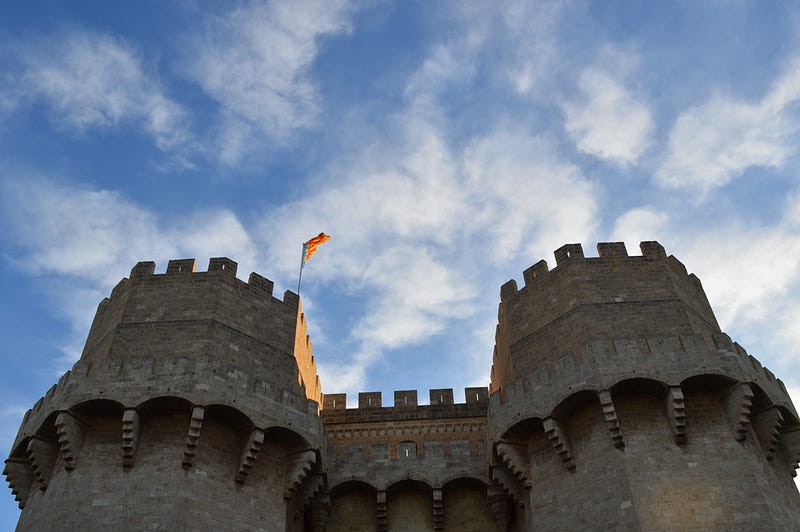
The Old Town is the location for Valencia’s medieval Cathedral. The Cathedral displays the Holy Grail, the cup from which Jesus is said to have drunk from at the Last Supper.
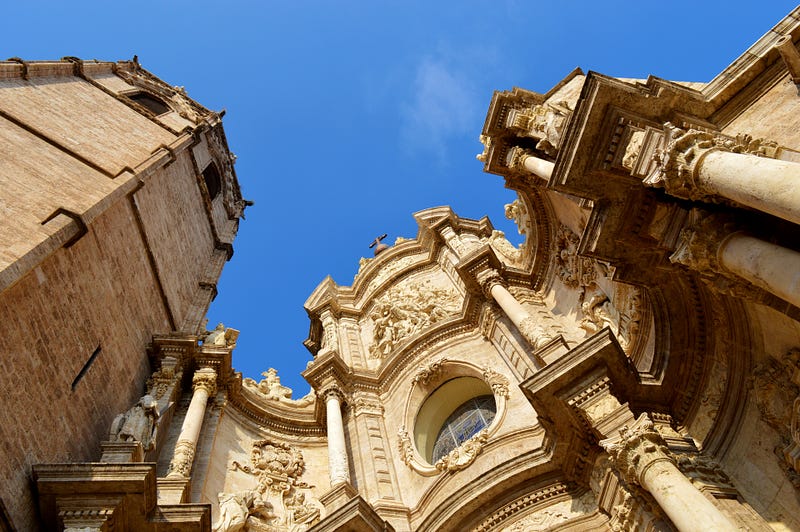
The Holy Grail was ‘miraculously’ discovered here in 1399, fourteen centuries after the Last Supper. Quite why it turned up in Valencia of all places has never been explained nor why the several other miraculously discovered Holy Grails displayed in other European cities are not the real ones.
By complete coincidence, a local historian confidently announced ours is definitely the real one so that’s settled that debate then. At least in Valencia.
The cathedral also displays the mummified right arm of St Vincente the Martyr. Why?
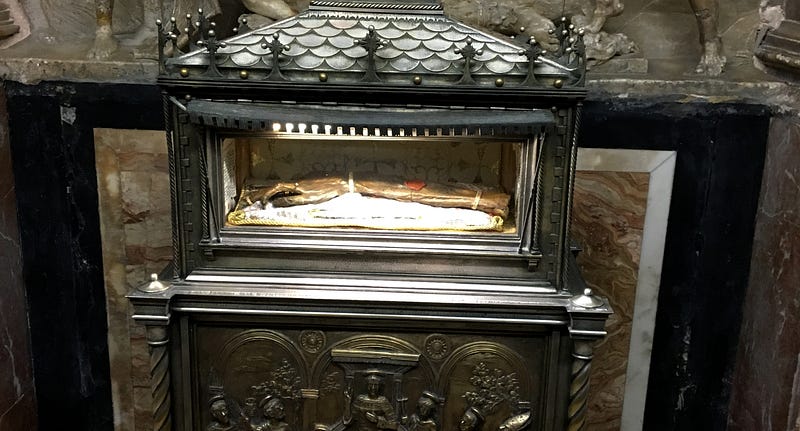
The Culture (La Cultura)
There are so many historical and cultural buildings here I could write a whole book rather than a Medium post. There’s also Europe’s biggest sea-life centre and a massive Biopark (a euphemism for zoo). I suggest you pick up a tourist book or google the tourist office as I don’t want this post running to 180 pages.
Music is a big deal here and there are several stunning buildings to hear live music.
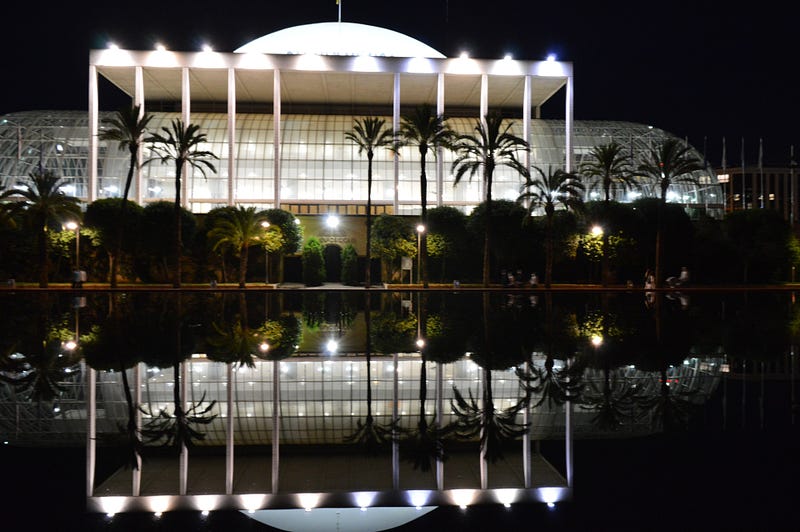
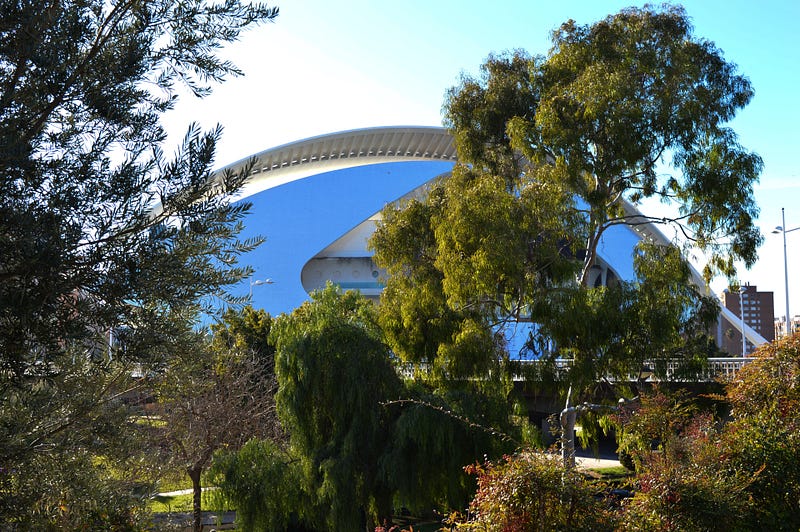
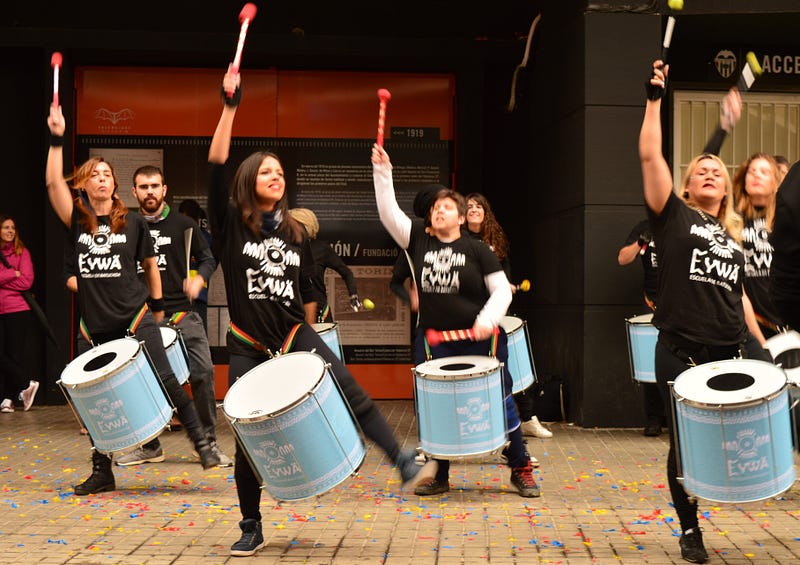
To be honest, the buildings are often better than the music inside as the top acts tend to go to Madrid and Barcelona. But also because I would say the Valencianos favourite instrument is the drum. They have many drum bands and make a hell of a noise at any celebration or sporting event. Being on a permanent hometown holiday, there are lots of celebrations.
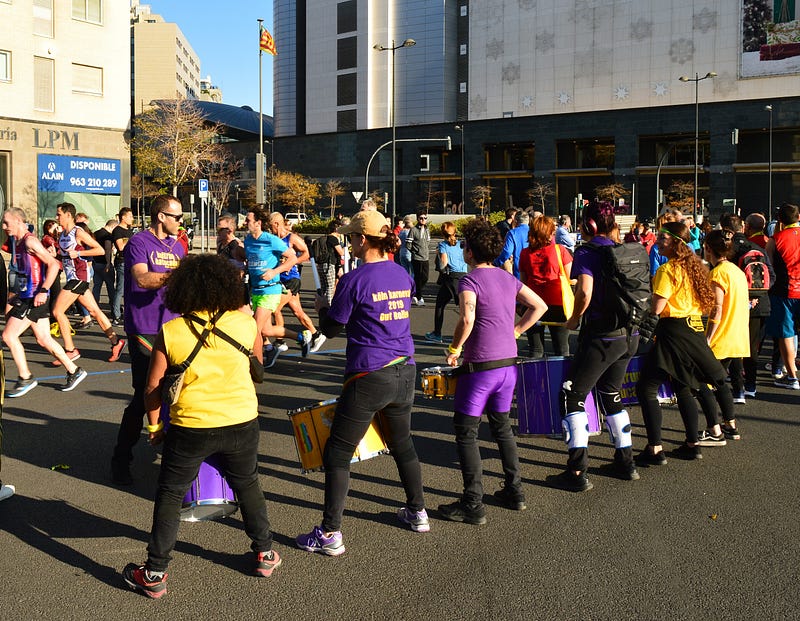
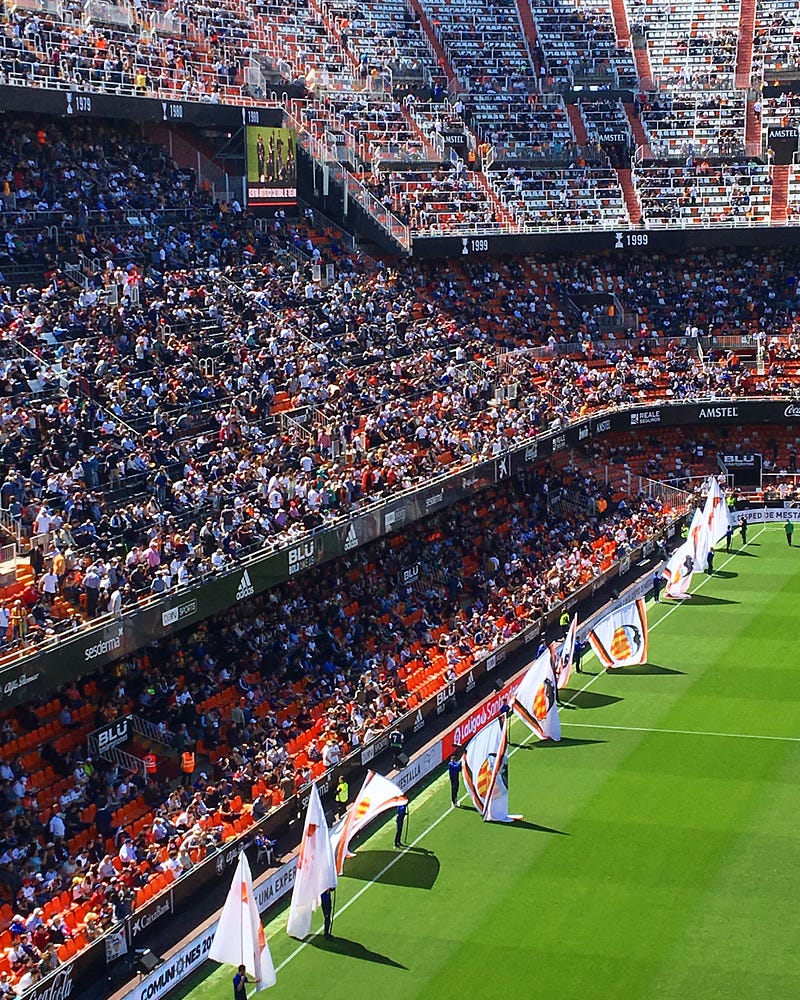
Valencia has two football (soccer in US English) teams, both in the top division of Spain’s La Liga: Valencia CF (Club de Fútbol) and Levante UD (Unión Deportiva).
I have adopted Valencia CF as my team. Levante’s nickname is La Granota which is Valenciano for frog; I’m not going to support a team called the Frog.
The Beach (La Playa)
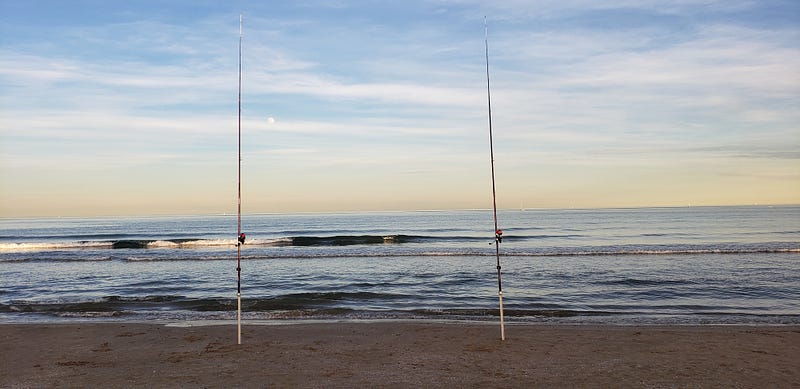
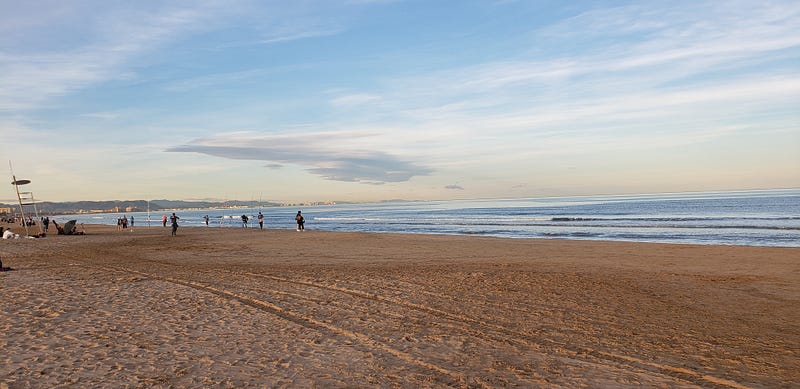
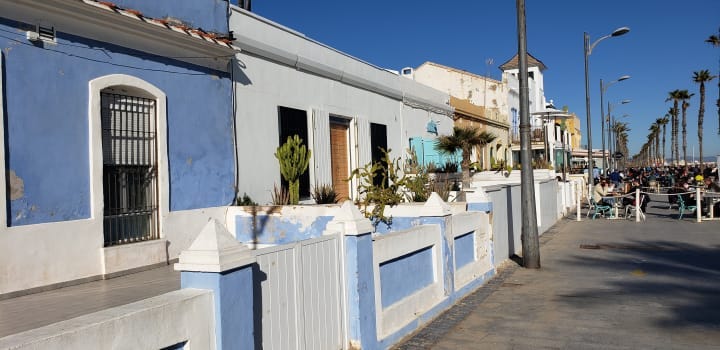
I wasn’t going to choose a new hometown city that didn’t have a beach. I’m on a hometown holiday, remember? It’s not that I’m a beach person, but it’s nice to use it for a morning run, to have lunch watching the sea, or drink an evening beer as the moon rises over the Med.
Maybe we’d have some tapas? It’d be rude not to, I am on holiday after all.
Valencia Community (La Comunidad de Valencia)
If we fancy a trip out of the city for a change, we take trips to other areas of the Community which are largely agricultural. Not for too long though, we’d miss the city life
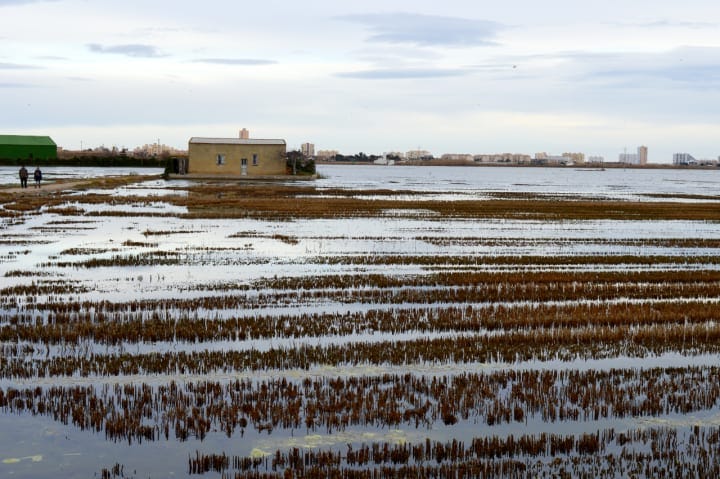
Rice is cultivated in a watery area just outside Valencia city called Albufera.
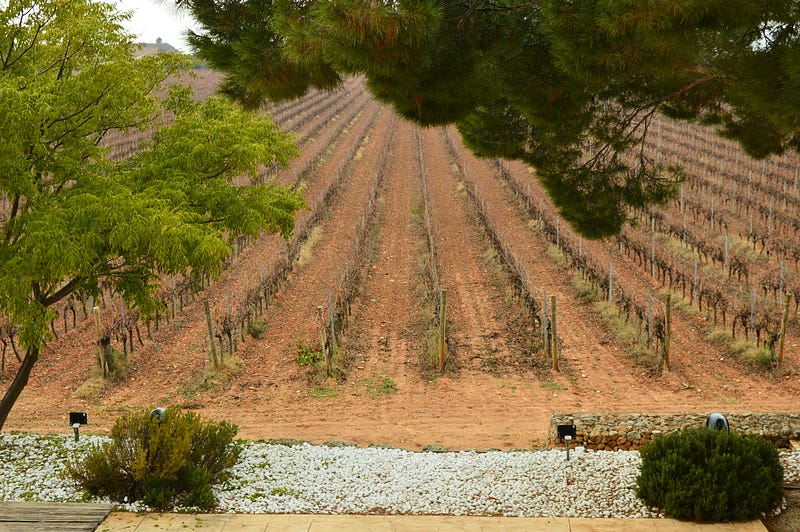
Requena-Utiel is the one agricultural region that’s a must now and then. Requena is the wine region and the local light red Bobal is the main variety here.
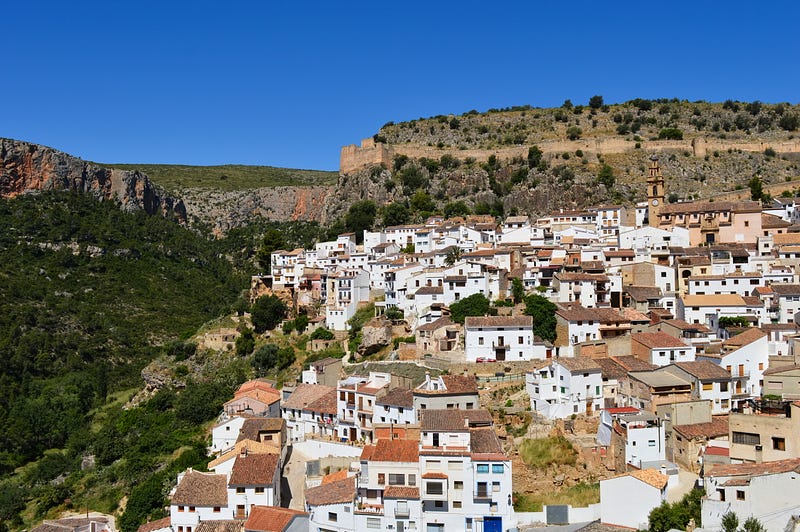
Outside of Valencia, the towns and villages are picturesque. And very sleepy. Yawn.
My Holiday Hometown
Valencia is a major city with a small-town holiday mentality. We have great public transport, el fútbol, high-quality health services, ‘the River’, high-speed internet networks, the beach, a wonderful year-round climate, and a low cost of living. And of course, the wine. I am on vacation after all.
#hometowntourist
All photos ©Alex Markham 2021. Photos were taken on my Nikon D3200 DSLR and Samsung S9+ phone.
If you liked this article, you may also like:
Sign up for our newsletter to stay informed with up-to-date curations from our editors:👇
We now offer exclusive writing services for our members. Discover how you can take advantage of our editing services and more.


