The website content provides a comprehensive guide on lighting techniques in Midjourney, focusing on volumetric lighting with an emphasis on the interplay of light with smoke and fog to create realistic visual effects.
Abstract
The guide delves into the intricacies of volumetric lighting within the Midjourney platform, illustrating how light interacts with media like smoke and fog to produce dynamic and realistic scenes. It offers practical tips, such as using a stylize value of 1000 and new aspect ratios, to enhance the visual impact of images. The author has split the topic into different posts for clarity, starting with smoke and fog effects. The article includes numerous examples and prompts for generating images with volumetric lighting, showcasing the potential of Midjourney in creating engaging visuals for photography, cinematography, and video games. The guide also previews upcoming techniques to be covered, such as god rays and ambient occlusion, suggesting that the current exploration is just the beginning of what can be achieved with light and shadow in Midjourney.
Opinions
The author finds that covering lighting techniques in a single post was overwhelming, leading to a series of more focused posts.
A stylize value of 1000 and the new aspect ratios in Midjourney 4 are recommended for achieving pleasing results.
Volumetric lighting is praised for its ability to create more realistic and engaging visual effects in various media.
The interaction of light with smoke and fog is highlighted as a way to add ethereal and dreamlike qualities to scenes.
The author expresses enthusiasm about the versatility and potential of Midjourney for shaping images with light and shadow.
The article encourages readers to explore the author's other posts for further insights into Midjourney's capabilities, such as using different shot types and color theory.
A cost-effective AI service, ZAI.chat, is recommended as an alternative to ChatGPT Plus(GPT-4), indicating a value proposition for readers interested in AI services.
Lighting Techniques in Midjourney — Volumetric Lighting — Smoke and Fog
I am putting together a guide to lighting and volumetric lighting in Midjourney. Originally, I thought I could put together just one post on lighting and found that was overwhelming. So I separated the post into different types of lighting, including volumetric lighting. And that became overwhelming. So I split up volumetric lighting into different posts. Here is the first part.
I typically use a stylize value of 1000 (using the parameter — stylize or — s in shortened format). Feel free to change this value in order to experiment. Also, I have been using the new aspect ratios available in Midjourney 4 (using the parameter — ar and specifying either 1:2 or 2:1) and find the results really pleasing.
Volumetric lighting is a computer graphics technique used in photography, cinematography, and video games to simulate the way that light behaves in real life. It involves modeling light as it travels through a medium, such as air or smoke, and how it interacts with the environment, such as objects and surfaces. This creates the illusion of 3D light, with shadows, highlights, and reflections that look more realistic and dynamic than traditional 2D lighting.
In photography and cinematography, volumetric lighting can be used to enhance the mood and atmosphere of a scene by creating more realistic lighting and shadow effects. In video games, volumetric lighting can be used to create immersive and dynamic environments, with light that interacts realistically with the player’s surroundings.
Overall, volumetric lighting is a powerful tool for creating more realistic and engaging visual effects, and can greatly enhance the impact and atmosphere of a scene in photography, cinematography, and video games.
Smoke
This type of volumetric lighting is characterized by the scattering of light through a medium, such as fog or smoke, creating a sense of depth and volume.
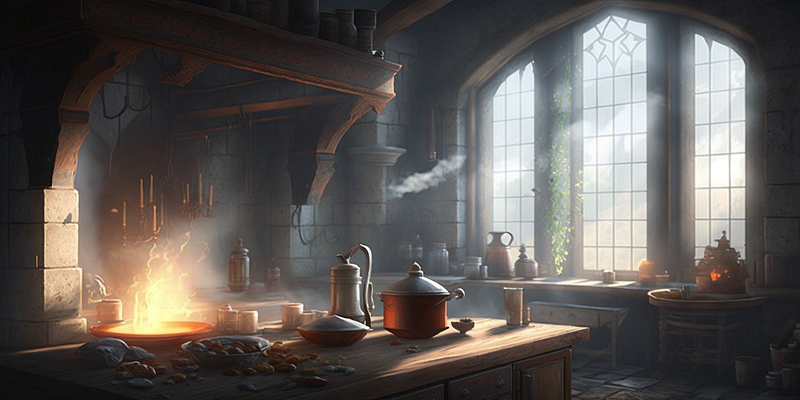
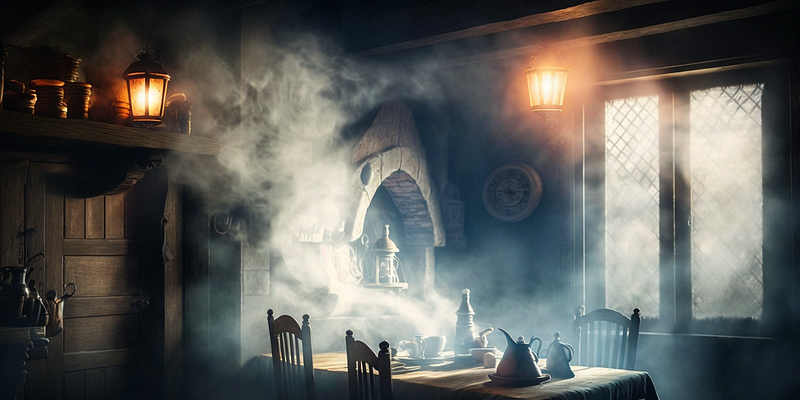
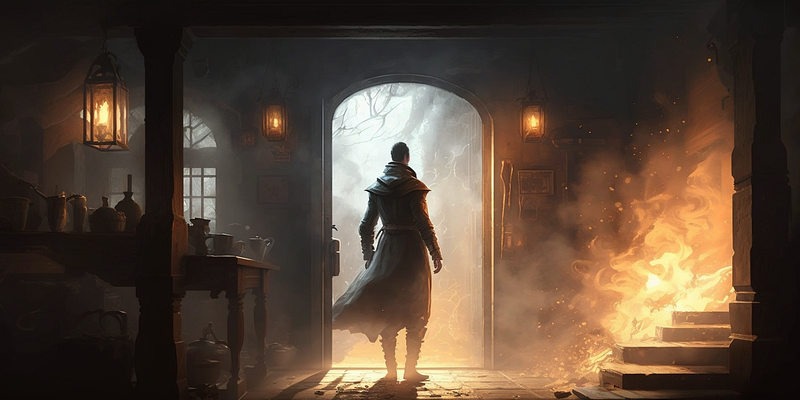
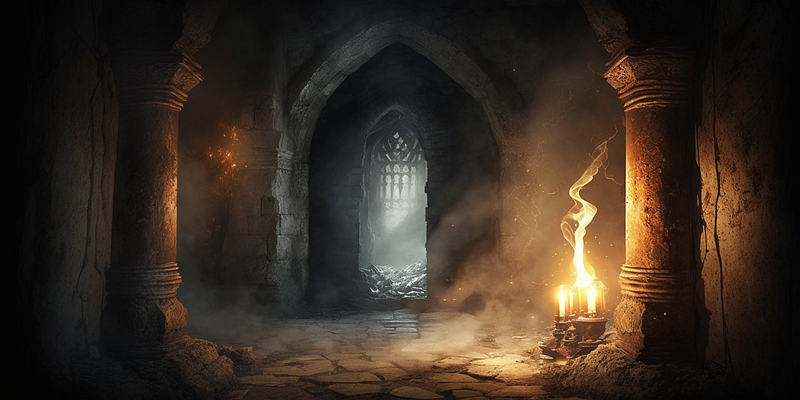
/imagine smoke, volumetric lighting shining through window::Kitchen of a medieval castle — s 1000 — ar 2:1
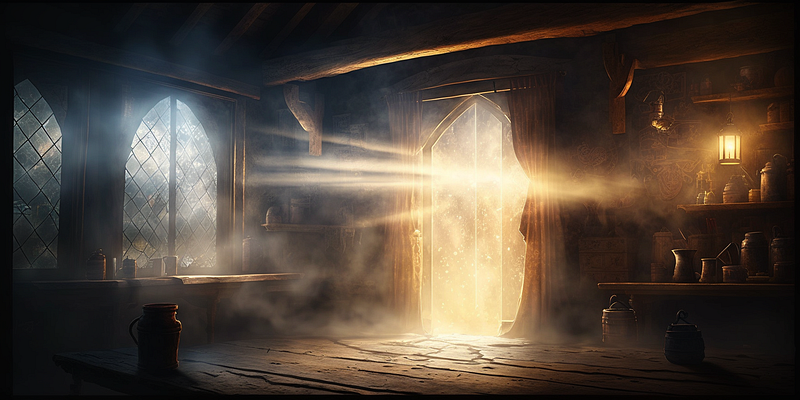
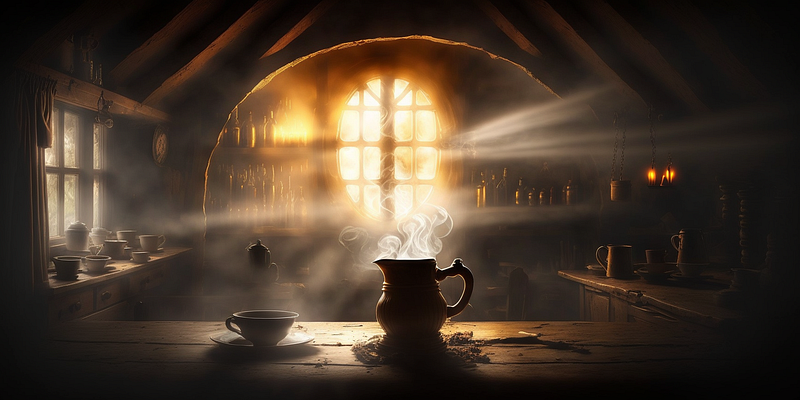
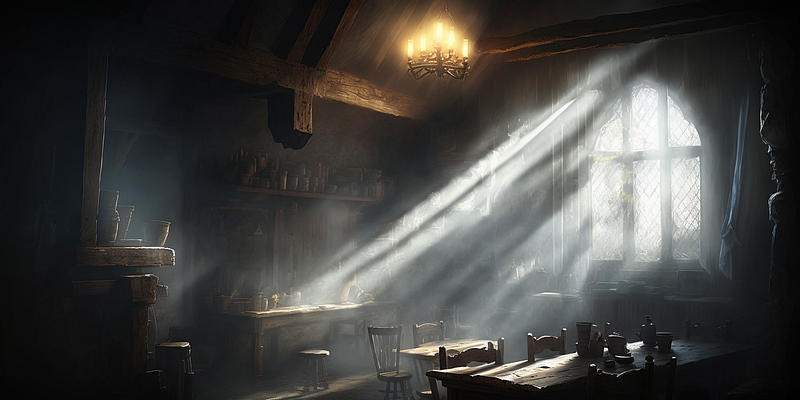
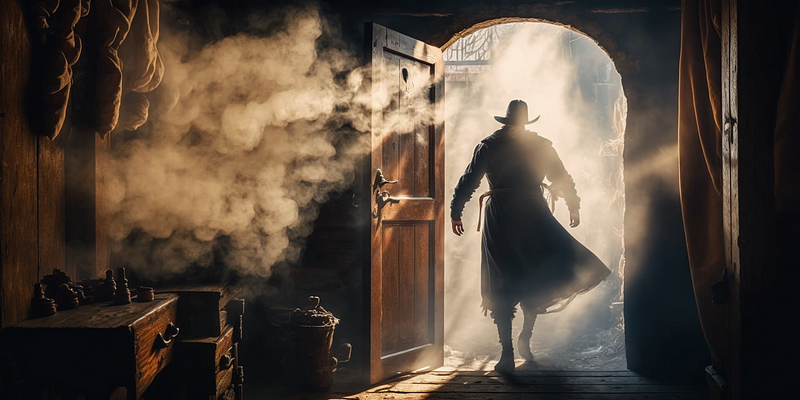
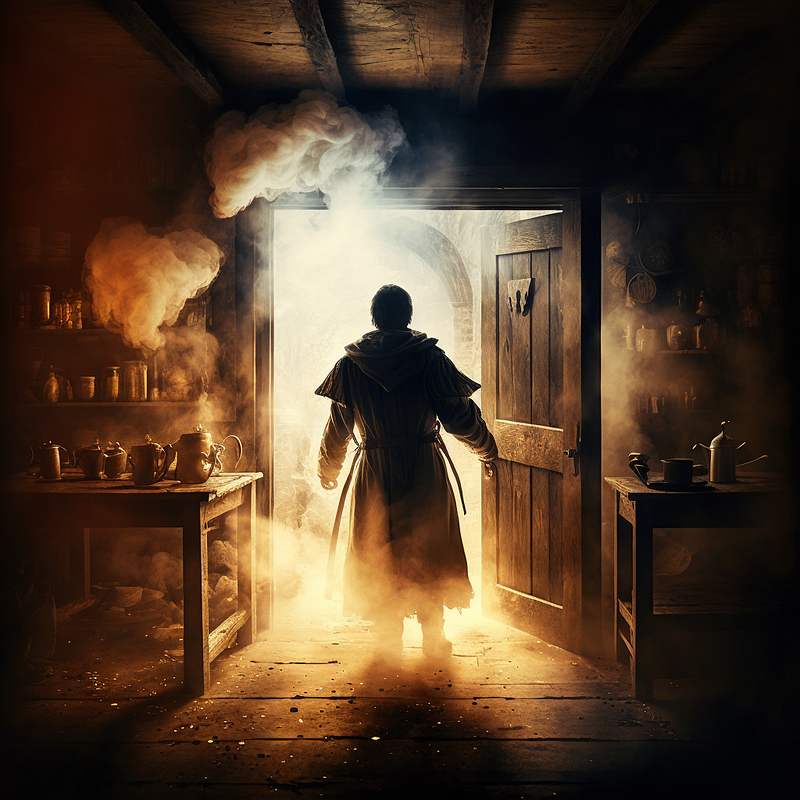
The interaction between light and smoke creates a dynamic and fluid visual effect, with the smoke appearing to glow and dance as it is illuminated by light. The way that light interacts with smoke depends on various factors, including the intensity and direction of the light source, the size and density of the smoke particles, and the angle at which the light hits the smoke. In general, smoke appears to absorb and scatter light, creating soft and diffused shadows, highlights, and reflections. The overall effect of light and smoke interacting can be visually stunning and add an ethereal and dreamlike quality to a scene.
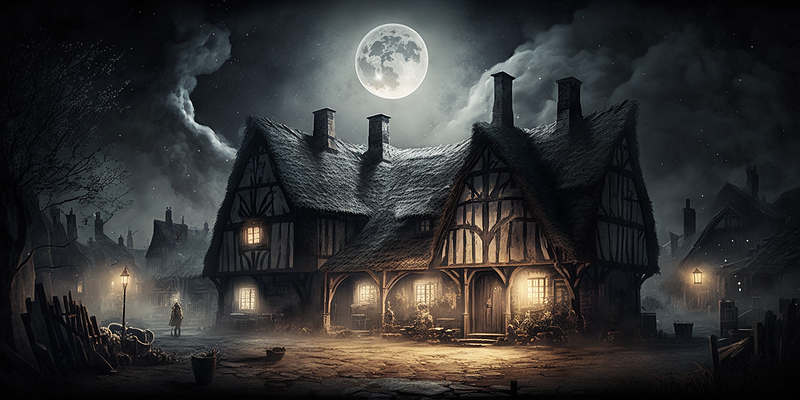
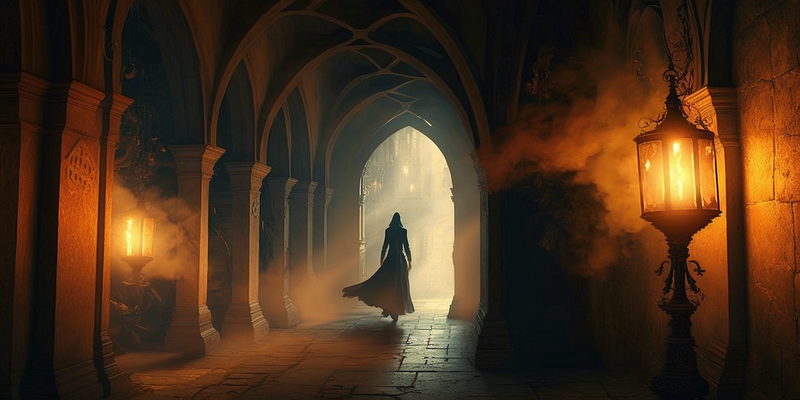
/imagine rays of light from window through smoke in fantasy medieval tavern — ar 2:1 — s 1000/imagine rays of light from window through smoke in fantasy medieval tavern — ar 2:1 — s 1000/imagine rays of light from window through smoke in fantasy medieval tavern — ar 2:1 — s 1000/imagine rays of light from window through smoke in fantasy medieval tavern — ar 2:1 — s 1000/imagine man entering open door, rays of light from window through smoke in fantasy medieval tavern — ar 2:1 — s 1000/imagine man entering open door, rays of light from window through smoke in fantasy medieval tavern — ar 2:1 — s 1000/imagine young man entering open door, rays of light from window through smoke in fantasy medieval tavern — s 1000/imagine Moonlight shining through the smoke in a medieval village square — ar 2:1 — stylize 1000/imagine Smoke illuminated by lantern light in a medieval castle corridor — ar 2:1 — stylize 1000/imagine Torchlight shining through the smoke in a medieval castle dungeon — ar 2:1 — stylize 1000
Fog
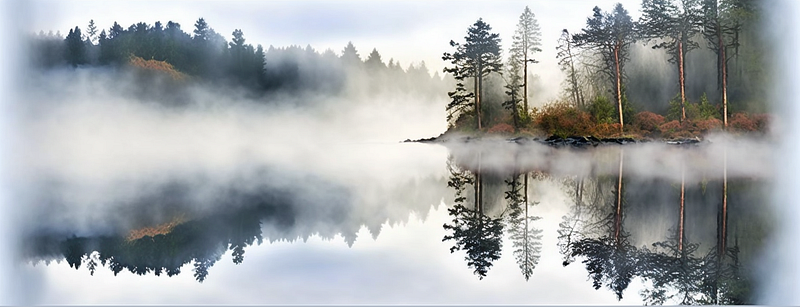
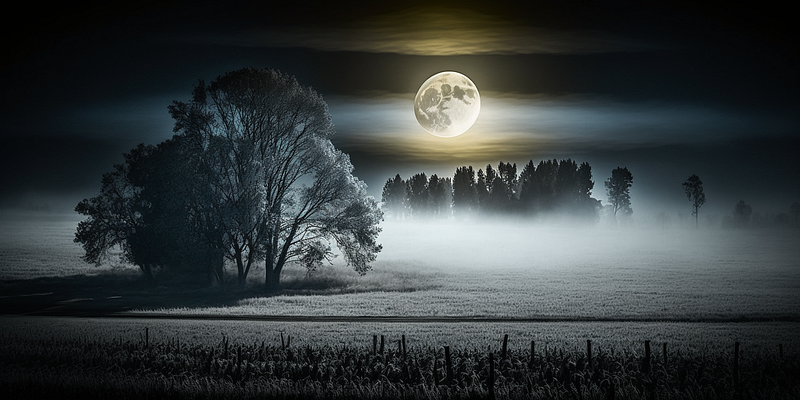
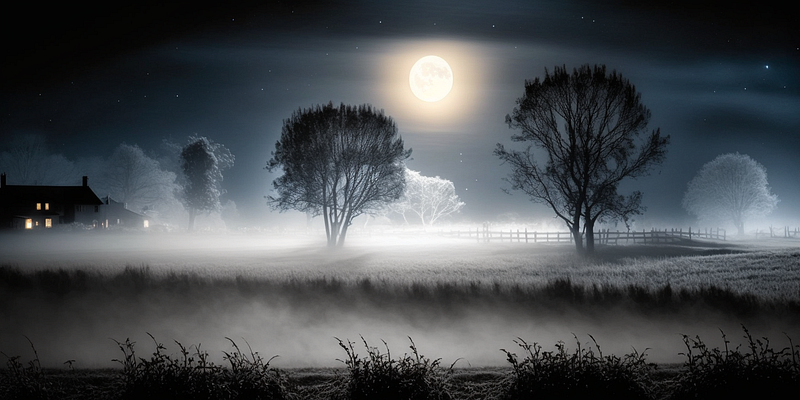
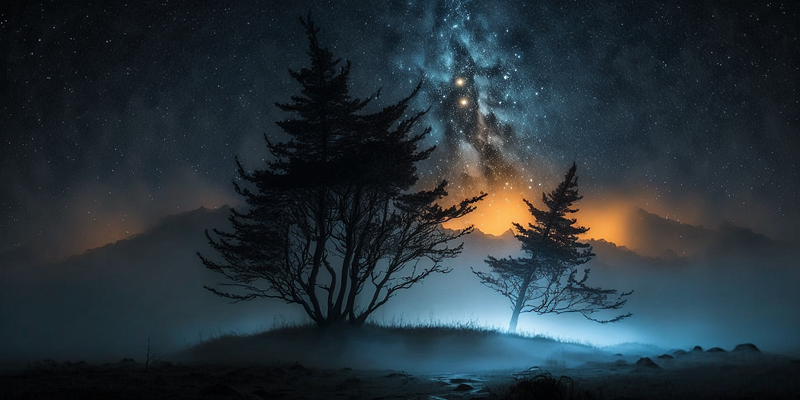
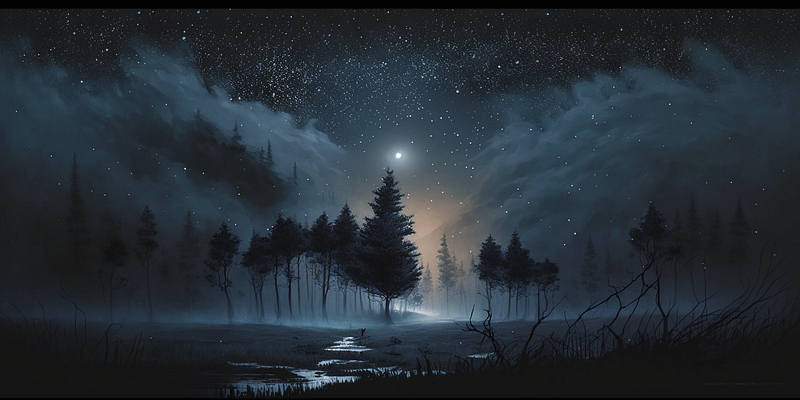
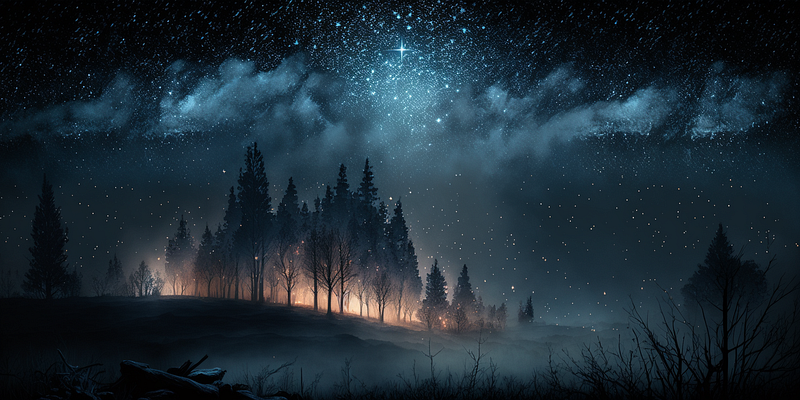
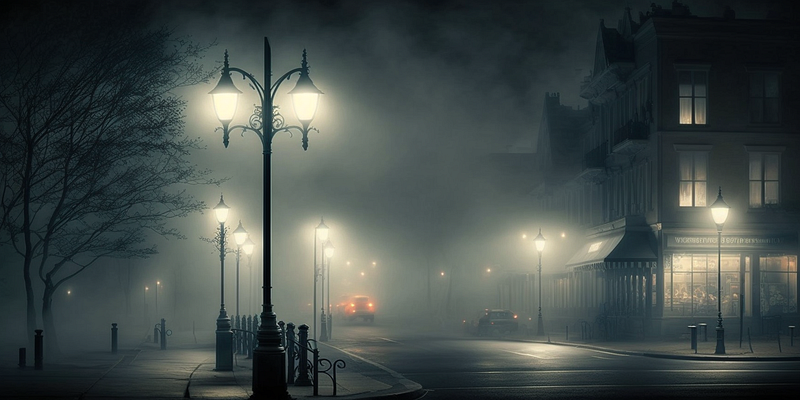
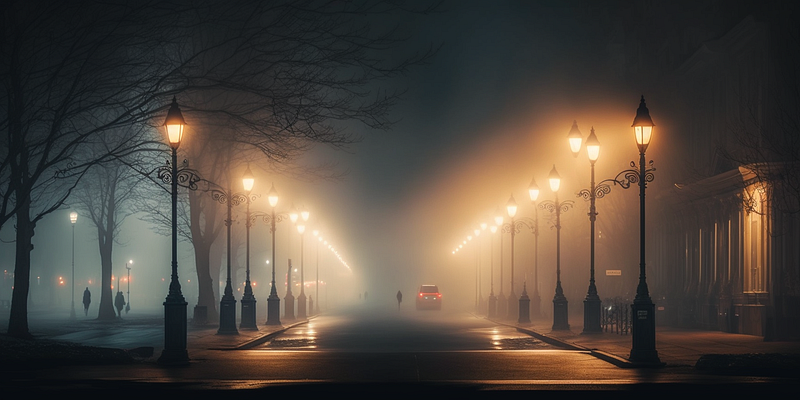
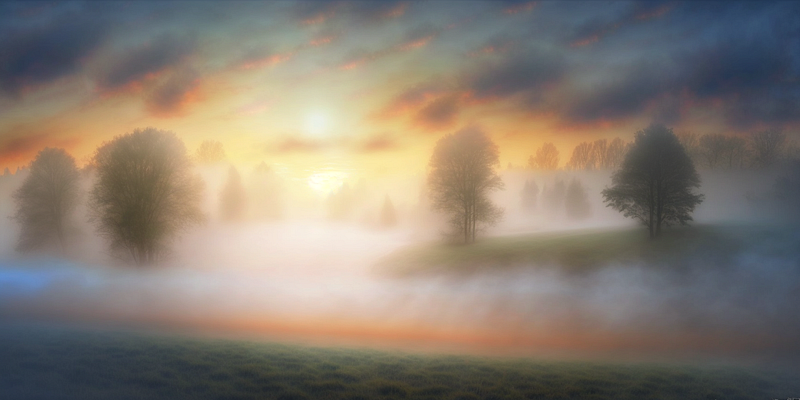
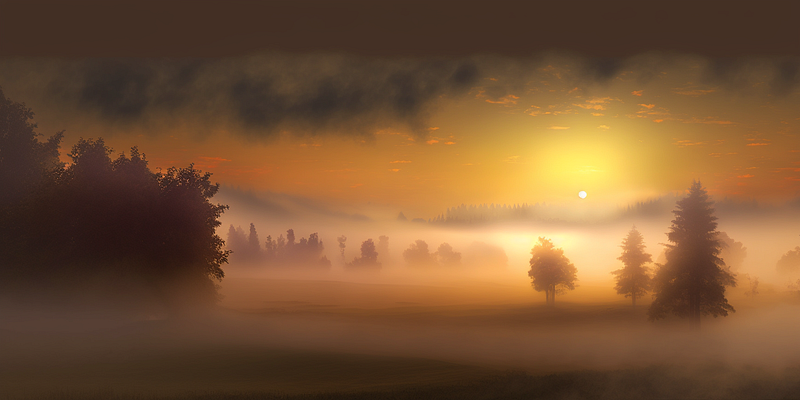
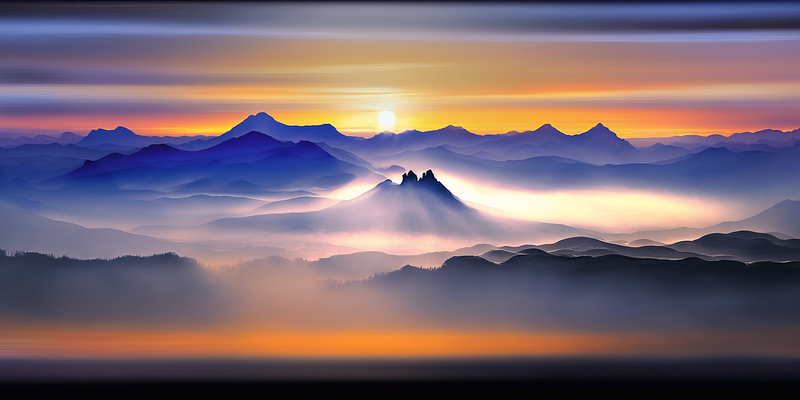
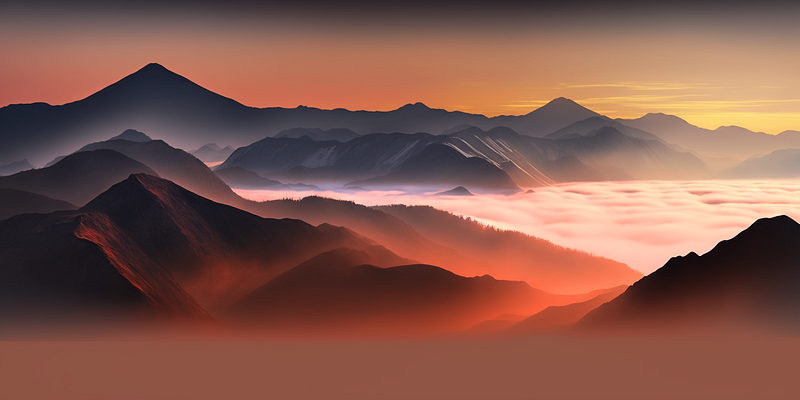
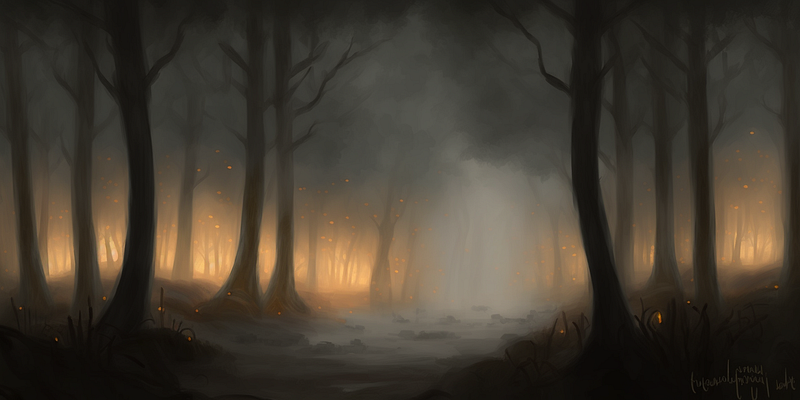
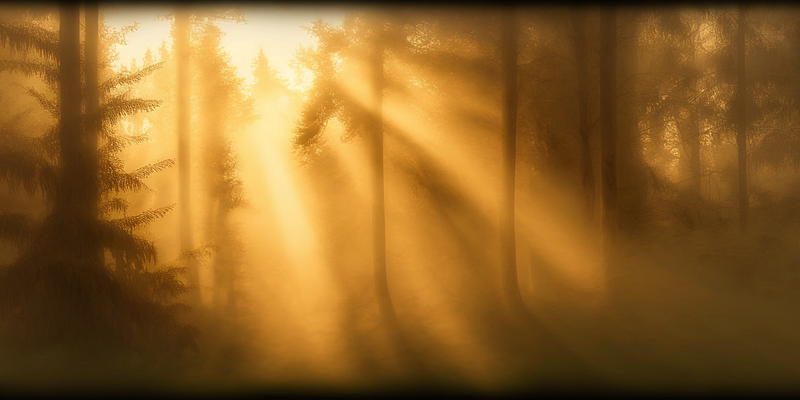
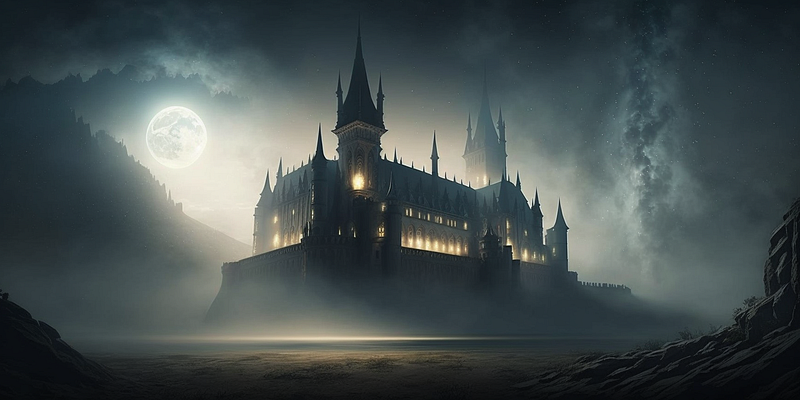
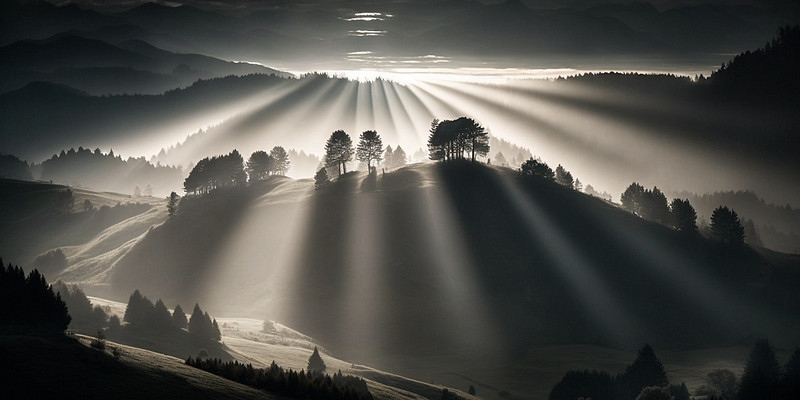
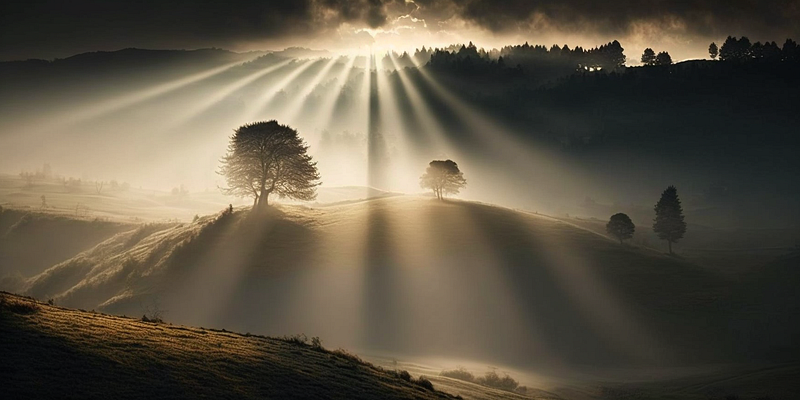
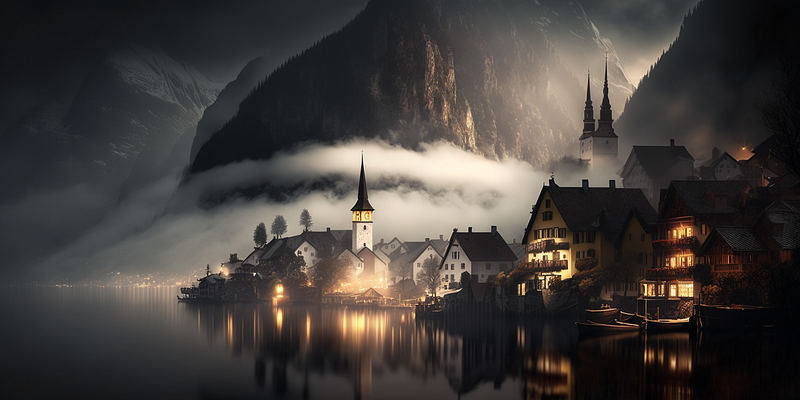
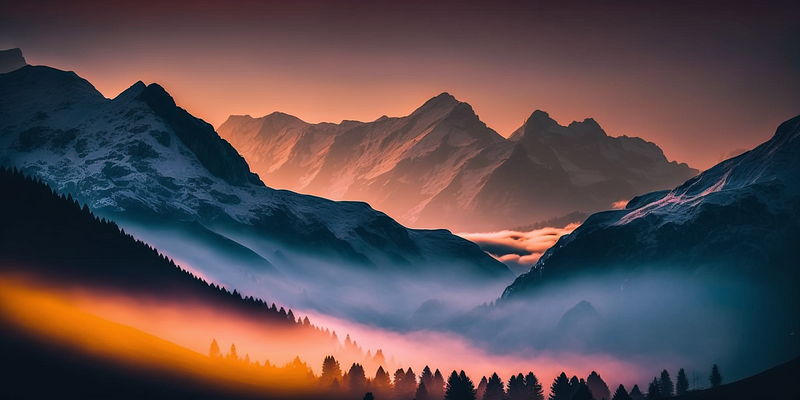
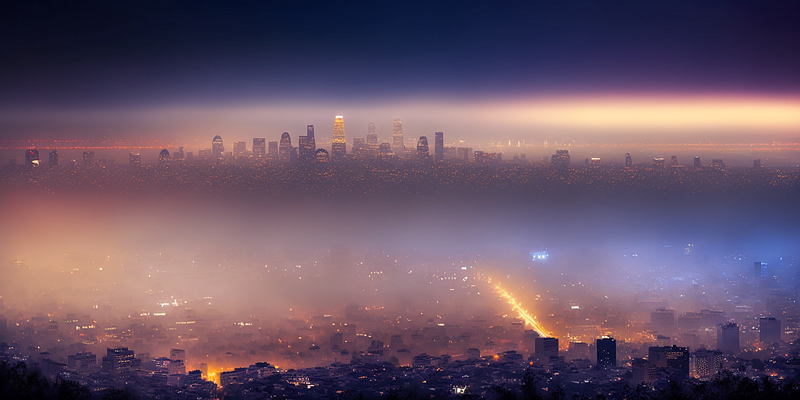
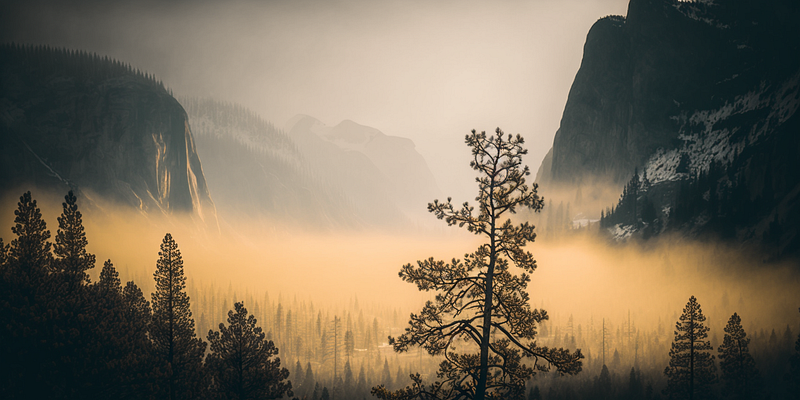
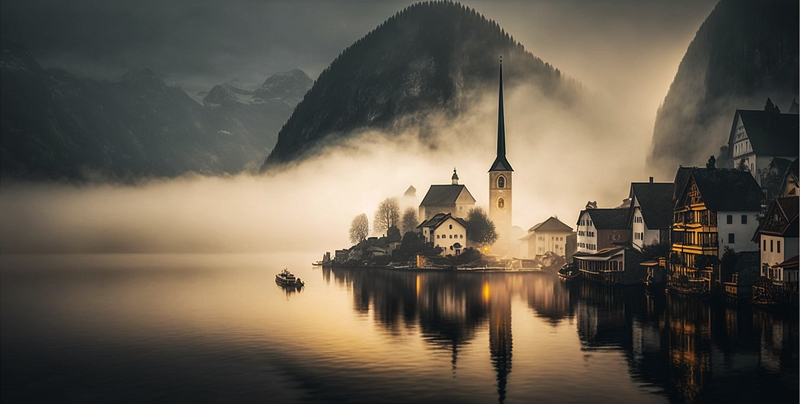
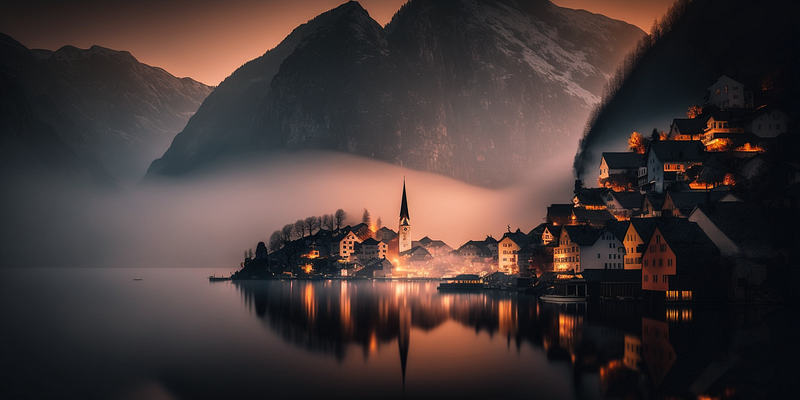
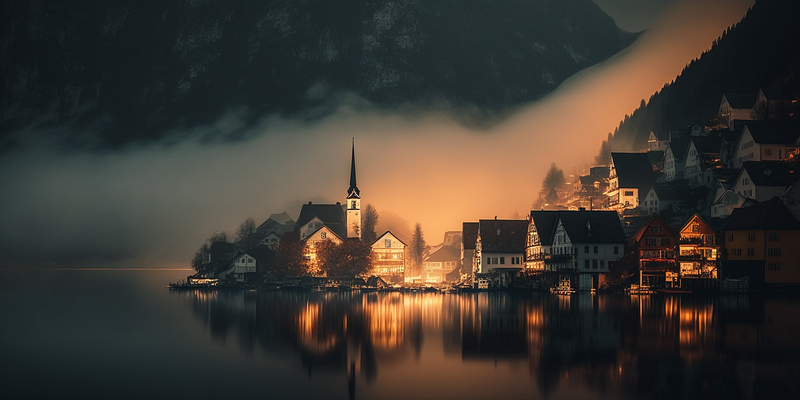
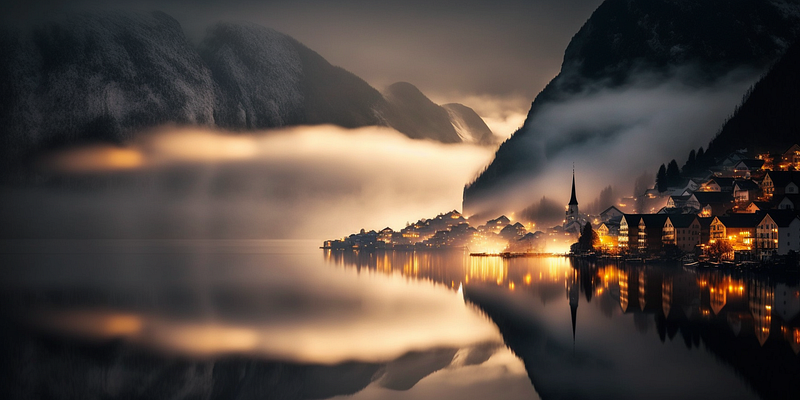
The interaction between light and fog creates a soft and dreamy visual effect, with the fog appearing to glow and diffuse the light in the scene. The way that light interacts with fog depends on various factors, including the intensity and direction of the light source, the density of the fog, and the angle at which the light hits the fog. In general, fog appears to scatter and soften the light, creating a hazy and diffused atmosphere and adding depth and dimension to a scene. This can create a visually stunning and atmospheric effect, especially when combined with natural light sources such as sunlight, moonlight, or torchlight.
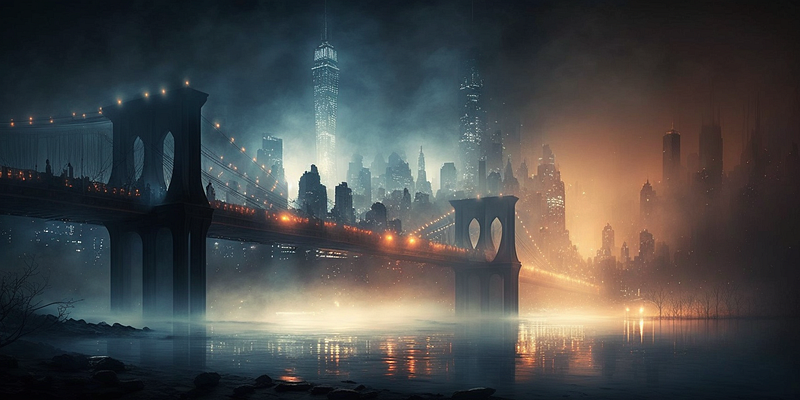
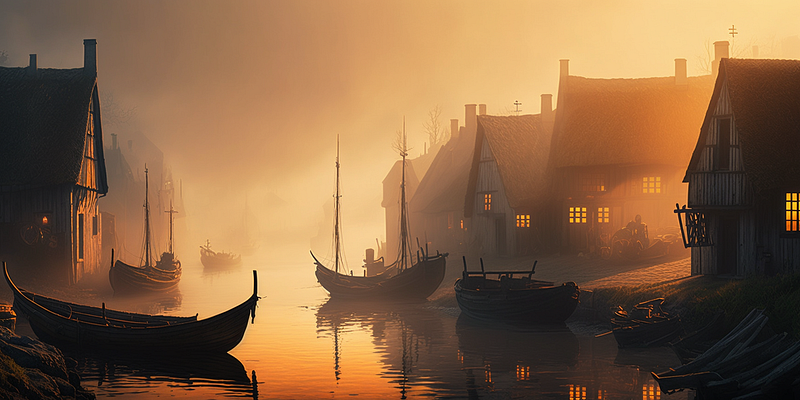
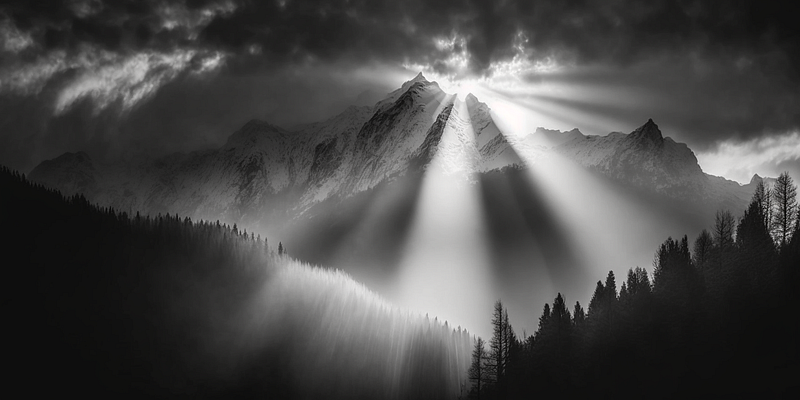
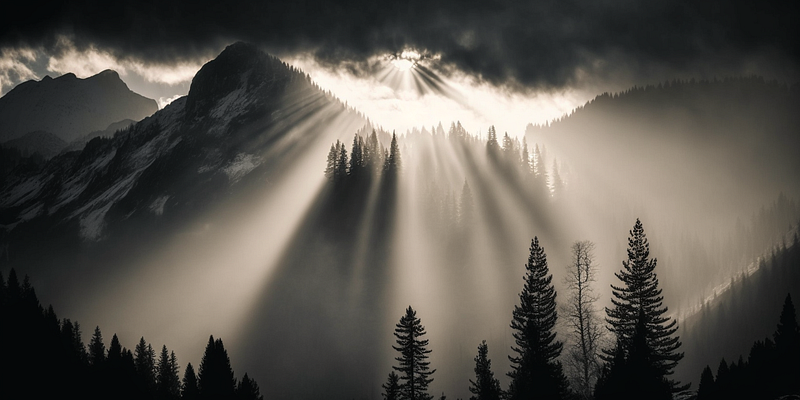
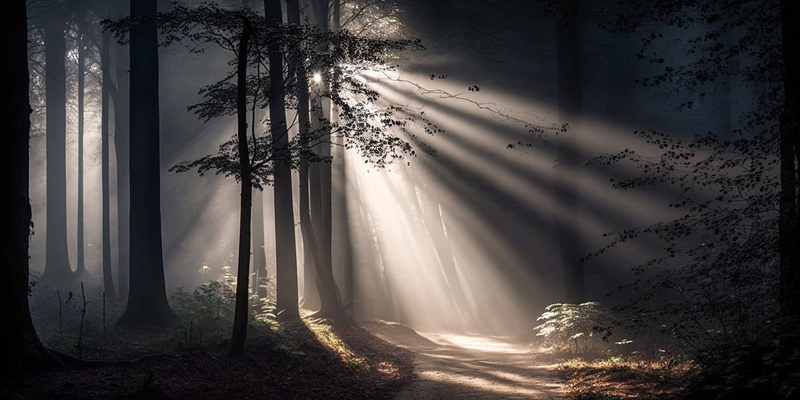
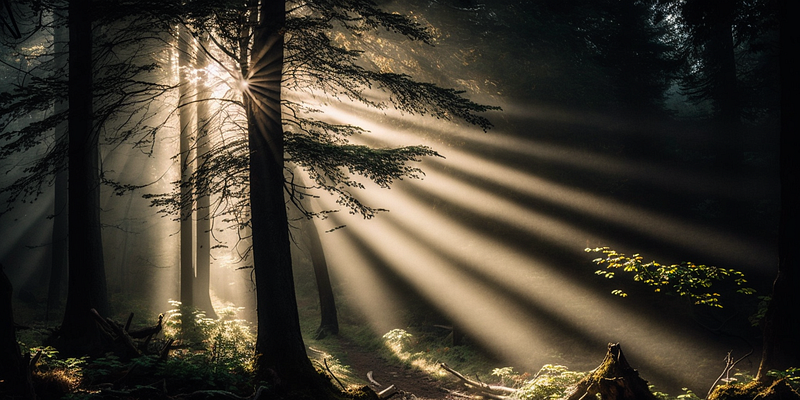
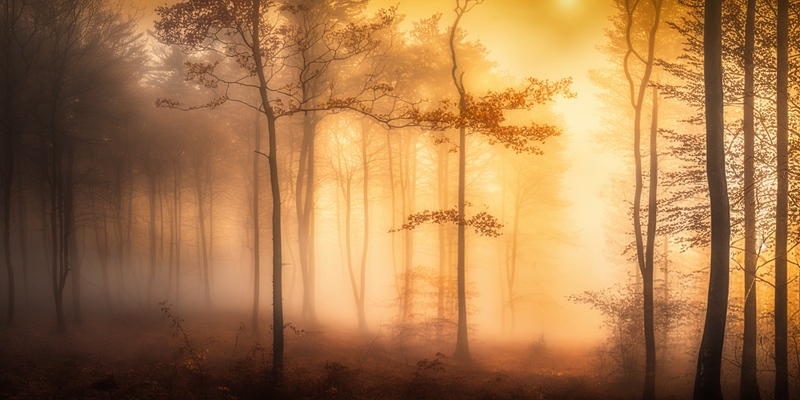
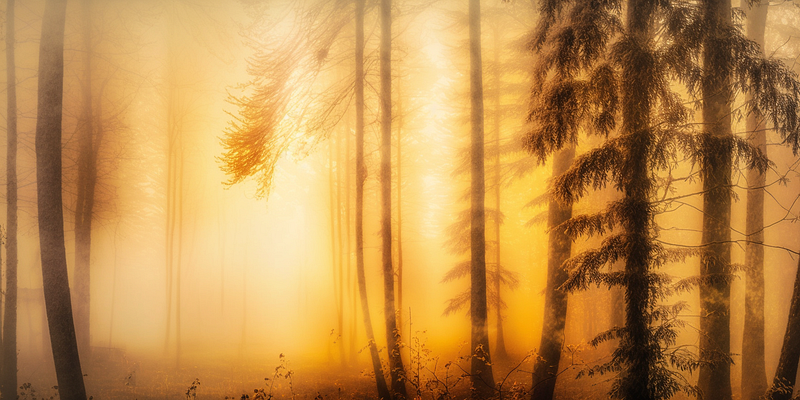
/imagine “Foggy Lake Reflection”, lake surrounded by mist, with the reflection of the trees and sky creating a serene and peaceful atmosphere — ar 2:1 — stylize 1000/imagine “Foggy Moonlit Landscape” — A photograph of a landscape lit by the full moon, with the fog casting a ghostly glow over the trees and field — ar 2:1 — stylize 1000/imagine “Foggy Moonlit Landscape” — A photograph of a landscape lit by the full moon, with the fog casting a ghostly glow over the trees and field — ar 2:1 — stylize 1000/imagine “Foggy Starry Night”, landscape at night, with the stars shining through the mist and creating a magical and otherworldly atmosphere. — ar 2:1 — stylize 1000/imagine “Foggy Starry Night”, landscape at night, with the stars shining through the mist and creating a magical and otherworldly atmosphere. — ar 2:1 — stylize 1000/imagine “Foggy Streetlights”, city street at night, with the streetlights shining through the mist and creating a moody and atmospheric effect — ar 2:1 — stylize 1000/imagine “Foggy Sunrise”, misty morning, with the first light of the sun illuminating the clouds and creating a dreamy atmosphere. — ar 2:1 — stylize 1000/imagine “Foggy Sunrise”, misty morning, with the first light of the sun illuminating the clouds and creating a dreamy atmosphere. — ar 2:1 — stylize 1000/imagine “Foggy Sunrise over the Mountain”, mountain range lit by the rising sun, with the fog creating a warm and glowing effect over the peaks — ar 2:1 — stylize 1000/imagine “Foggy Sunrise over the Mountain”, mountain range lit by the rising sun, with the fog creating a warm and glowing effect over the peaks — ar 2:1 — stylize 1000/imagine “Foggy Torches”, forest lit by faraway flickering torches, with the fog casting a warm and cozy glow over the trees. — ar 2:1 — stylize 1000/imagine mountain covered in fog with trees in the foreground, shafts of light god rays — ar 2:1 — stylize 1000/imagine mountain covered in fog with trees in the foreground, shafts of light god rays — ar 2:1 — stylize 1000/imagine rays of light through early morning fog in forest — ar 2:1 — stylize 1000/imagine rays of light through early morning fog in forest — ar 2:1 — stylize 1000/imagine “Golden Hour Fog”, forest shrouded in fog during the golden hour, with the warm light of the setting sun casting a golden glow on the trees — ar 2:1 — stylize 1000/imagine “Golden Hour Fog”, forest shrouded in fog during the golden hour, with the warm light of the setting sun casting a golden glow on the trees — ar 2:1 — stylize 1000/imagine “rays of Moonlight in Fog Medieval Castle”, with the cool light of the moon shining through and creating a moody and atmospheric atmosphere. — ar 2:1 — stylize 1000/imagine rollings hills covered in fog with trees in the foreground, shafts of light god rays — ar 2:1 — stylize 1000/imagine rollings hills covered in fog with trees in the foreground, shafts of light god rays — ar 2:1 — stylize 1000
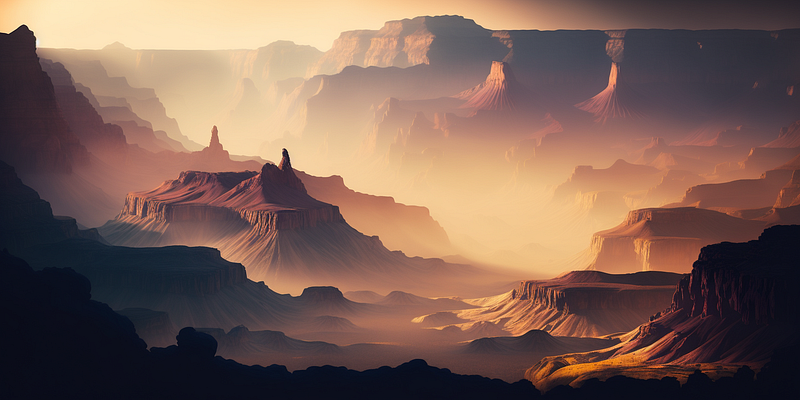
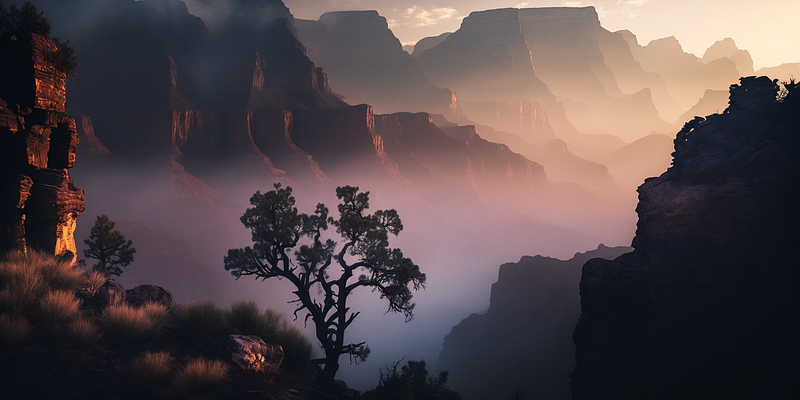
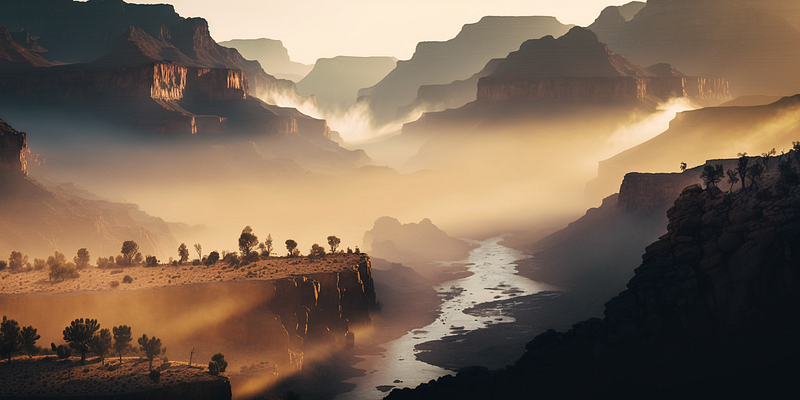
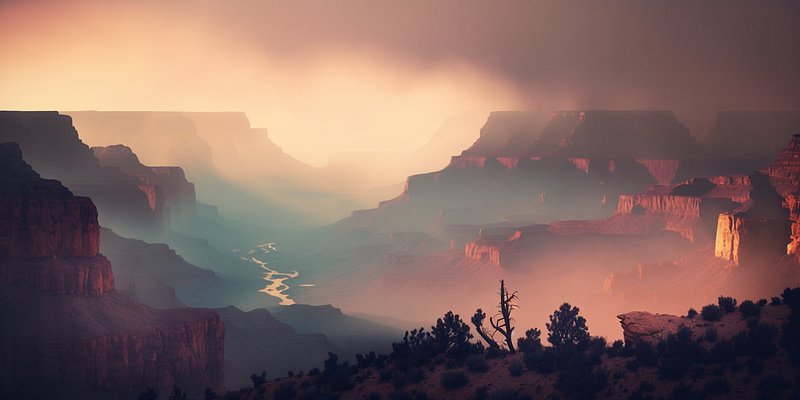
Here are some additional images with fog:
I am putting together additional volumetric lighting techniques for Midjourney including:
- God rays
- Caustics
- Subsurface Scattering
- Ambient Occlusion
- Global Illumination
- Indirect Lighting
- HDRI (High Dynamic Range Imaging)
There is a lot one can do to shape an image in Midjourney using light and shadow and it seems like we are just scratching the surface.
Rather than generating as many fantastical images as I can, I have been developing generalized methods for Midjourney Please check my other posts: