
Life in Feudal Japan: A Brutal World You’re Not Ready For
The constant threat of violence and war made life in Feudal Japan a struggle for survival.
Feudal Japan, known as the Kamakura Period (1185–1333), was a time of strict social hierarchies and powerful warlords.
The era was characterized by strict codes of conduct, such as Bushido, which governed everything from how people dressed to how they fought in battle. While the samurai warrior class and their lords enjoyed a privileged position, life for the lower classes was harsh and unforgiving.
Social Hierarchy
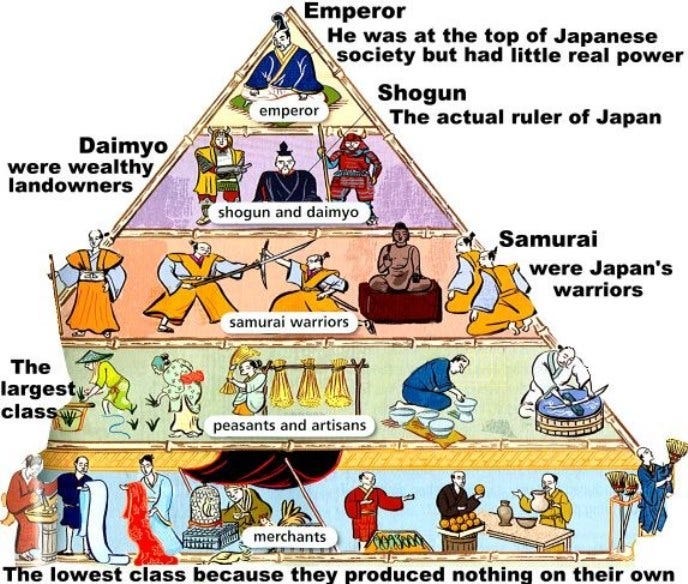
The social hierarchy in feudal Japan was rigid and strictly enforced. At the top were the emperor and his court was at the top, followed by the shogun, who held military power.
Beneath the shogun were the daimyo, or feudal lords, who ruled over their territories with absolute authority. Well, from the bottom of the hierarchy were the commoners, primarily farmers, and craftsmen. There was very little social mobility, so if you were born into a lower class, you would likely stay there for your entire life.
Strict Codes Of Conduct
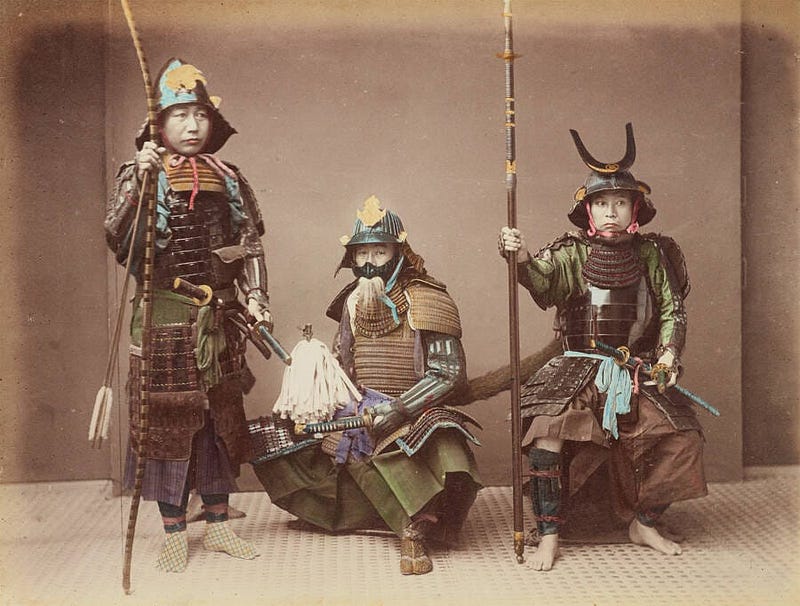
Bushido is a term used to describe the code of conduct that governed the behavior of samurai warriors in feudal Japan.
It was a strict and demanding set of rules emphasizing loyalty, honor, and self-discipline. The code was based on a set of moral and ethical principles that were derived from Confucianism, Zen Buddhism, and Shintoism.
The samurai were expected to live by the principles of Bushido in every aspect of their lives. This included their behavior towards their superiors, their subordinates, their peers, and even their enemies. They were expected to be brave, loyal, and honorable at all times and to always put their lord and clan’s needs before their own.
One of the critical principles of Bushido was loyalty. Samurai were demanded to be loyal to their lord above all else. They were expected to obey their lord’s commands without question and to be willing to sacrifice their own lives for their lord if necessary. This loyalty was considered the most crucial aspect of samurai life and violating it was considered a grave offense.
Self-discipline was also an essential aspect of Bushido. Samurai were expected to control their emotions and maintain a sense of calm and composure at all times. They were expected to be disciplined in their physical training and strive to improve their skills and abilities.
Limited Access To Resources
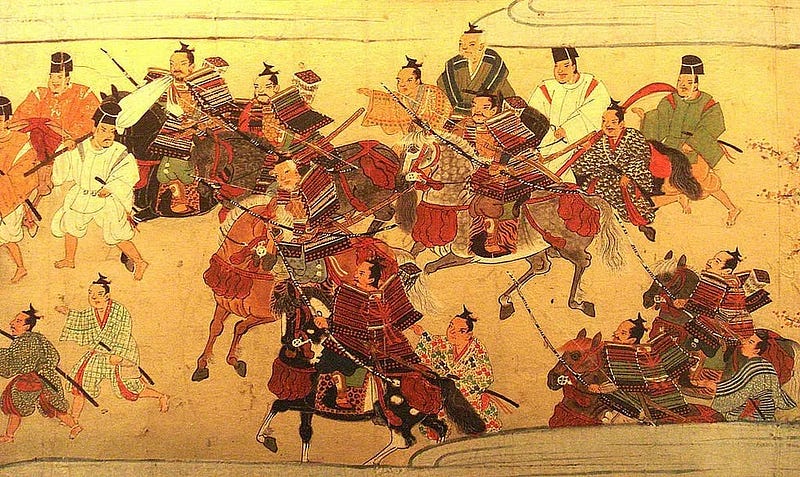
During feudal Japan, which lasted from the 12th to the 19th century, the country was divided into a strict social hierarchy that consisted of the emperor, the shogun, the daimyo (feudal lords), the samurai, and commoners. The ruling class controlled most of the resources, and the commoners had limited access to them.
As a commoner, you would have been born into a predetermined social class that was difficult to escape. The highest class of commoners were the wealthy merchants who traded goods, but most commoners were farmers who lived in rural areas and worked long hours in the fields to produce food for themselves and the ruling class.


