
Will Palestinian Refugees Come to the US?
Palestinians face in leaving Gaza is the closure of border crossings by both Egypt and Israel.
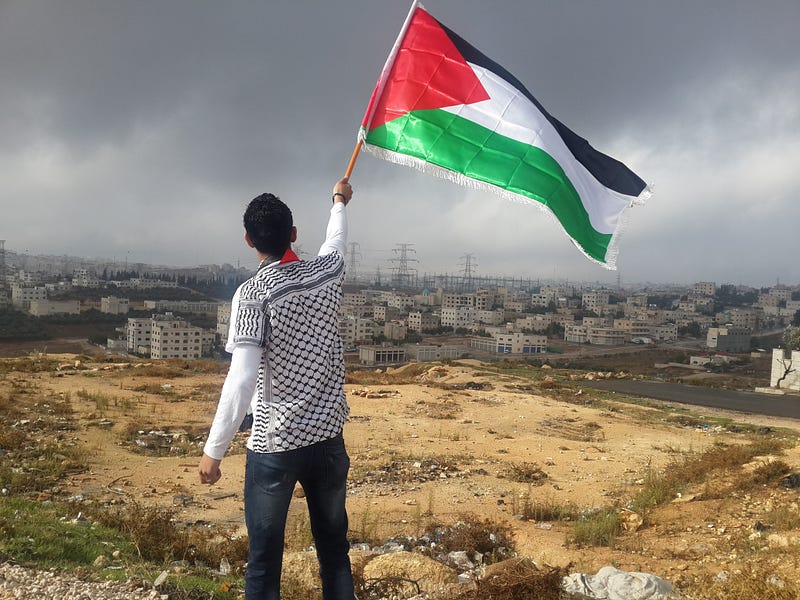
In a world fraught with complex geopolitical dynamics, one pressing question looms large: Will Palestinian refugees find a new home in the United States?
As the global community grapples with this issue, a staggering fact captures our attention: There are approximately 5.9 million Palestinian refugees worldwide, primarily descendants of those displaced during the 1948 Arab-Israeli war. Among them, more than one million reside in Gaza, facing dire challenges compounded by ongoing conflicts.
The Joe Biden (D-Delaware) administration has yet to unveil measures for resettling Palestinian refugees in the U.S., while Republican presidential candidates debate over blocking their entry due to terrorism concerns. Against this backdrop, we delve into the multifaceted factors, challenges, and potential outcomes surrounding the prospect of Palestinian refugees seeking refuge on American soil.
Palestinian Perspectives
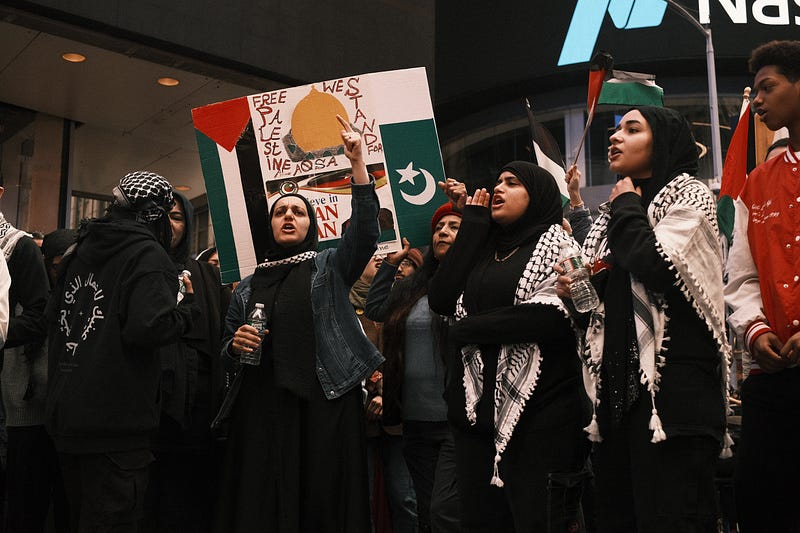
Understanding the Palestinian perspective on the issue of leaving Gaza and becoming refugees is crucial for grasping the depth of their attachment to their homeland and their resilience in the face of adversity.
Many Palestinians, despite the challenging circumstances they face, express a resolute desire to remain in Gaza, even when confronted with the threat of airstrikes and ongoing conflict. This determination is grounded in a profound attachment to their homeland, which spans generations. For these Palestinians, Gaza is not merely a geographical location; it is the repository of their history, culture, and identity.
Statements from Palestinians living in refugee camps in Jordan vividly illustrate this unwavering commitment to Gaza. These individuals, who have experienced displacement themselves, often express their conviction that Gaza is their home, and they are willing to endure significant hardships to maintain their connection to it. Their strong sense of belonging to the region compels them to remain, despite the inherent dangers.
Palestinian Refugees in the US
The presence of Palestinian refugees in the United States is marked by a unique set of circumstances, including limited numbers, eligibility issues, and evolving demographic trends. This section delves into the specifics of Palestinian refugees living in the US.
According to estimates from the United Nations, there are approximately 5.9 million Palestinian refugees worldwide. This vast population primarily consists of the descendants of the hundreds of thousands of Palestinians who were expelled or fled their homes during the 1948 Arab-Israeli war, also known as the Nakba.
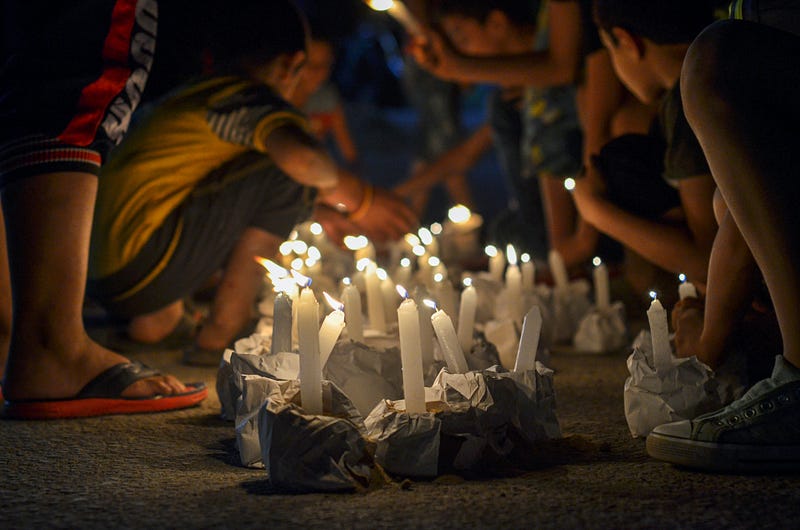
Among this global diaspora, a significant portion resides in the Gaza Strip, accounting for over a million of Gaza’s approximately 2 million residents. Many others live in refugee camps in countries such as Jordan, Lebanon, and Syria.
While the number of Palestinian refugees in the US remains relatively small, there is a notable trend in the increasing identification of US-born individuals as Palestinians. Over the past 30 years, the proportion of US-born people who identify as Palestinians has nearly quadrupled, according to the Migration Policy Institute’s analysis of government statistics.
This demographic shift suggests that the Palestinian identity and heritage continue to be preserved and passed down through generations in the United States. The growing number of US-born Palestinians underscores the importance of recognizing the cultural and historical ties that connect Palestinian Americans to their ancestral homeland.
Israelis in the US
The presence of Israelis in the United States has gained attention in recent years due to policy changes and the potential impact of the ongoing conflict. This section explores the recent policy shift and the considerations surrounding the influx of Israelis to the US.
One noteworthy development is the recent policy change that allows Israeli passport-holders to enter the United States without the need for tourist visas. This policy alteration marks a significant shift in US-Israeli relations, making it easier for Israeli citizens to travel to the US for various purposes, including tourism, business, and family visits. Under this policy, Israeli passport-holders can apply for entry to the US through a Customs and Border Protection (CBP) electronic authorization system, allowing stays of up to 90 days.
Comparisons with Other Refugee Influxes
Let’s take a moment to compare the Palestinian refugee situation with other refugee crises around the world. The Palestinian situation is unique in several ways.
Firstly, Palestinian refugees have been displaced for generations, dating back to the 1948 Arab-Israeli war. Many of them still live in refugee camps in neighboring countries like Jordan, Lebanon, and Syria. This long-standing displacement sets them apart from more recent refugee crises.
Secondly, the geographical challenges are distinctive. Unlike some refugees who can cross borders and seek asylum in neighboring countries, Palestinians in Gaza face significant obstacles to leaving the region due to border closures by Egypt and Israel.
Additionally, the political complexity of the Israeli-Palestinian conflict further complicates the Palestinian refugee situation. It’s deeply intertwined with ongoing political negotiations and disputes, making it challenging to find a comprehensive and long-lasting solution.
You mentioned concerns about potential foreign fighters crossing the U.S.-Mexico border, particularly those affiliated with Hamas. It’s essential to note that U.S. Customs and Border Protection officials have stated that there is currently no indication of Hamas-directed foreign fighters seeking to enter the United States through the U.S.-Mexico border. While security concerns are always taken seriously, it’s crucial to rely on accurate and verified information when evaluating potential threats. As of now, there is no concrete evidence to support the claim that Hamas-directed foreign fighters are using this route to enter the United States.
In conclusion, each refugee crisis is unique, and the Palestinian situation stands out due to its historical context, geographical challenges, and political complexities. It’s essential to stay informed about the specific details of each situation and rely on credible sources when assessing security risks at borders.