avatarAvi Kotzer

Free AI web copilot to create summaries, insights and extended knowledge, download it at here

3167

Abstract

o chose lictors designated them mostly for bodyguard duty and occasional personal chores, like taking togas to the dry cleaners. <i>Lictors</i> followed the magistrates around like puppies, except when they were sicced on people the rulers didn’t like. Kinda like Senate aides today.</p><figure id="77b7"><img src="https://cdn-images-1.readmedium.com/v2/resize:fit:800/1*4hG6KXvFlRQ_CR_5bLUIVQ.png"><figcaption>Image by John Leech</figcaption></figure><p id="90a7">The <i>lictor</i> in the above illustration was sent to bear hug a cartoon.</p><p id="8926">Those magistrates who had more than one <i>lictor</i> could organize them in a little parade when they went strolling about. In that case, the <b>primus lictor</b> (main tough guy) would go directly in front of the ruler, clearing the path for him as he walked.</p><p id="c92d">Your power status was reflected in the number of <i>lictors</i> you had. For example:</p><ul><li>Dictator: 24 <i>lictors</i></li><li>Emperor: originally 12 <i>lictors</i>, after Domitian 24 lictors</li><li>Rex and Consul: 12 <i>lictors</i></li><li>Proconsul: 11 <i>lictors</i></li><li>Praetor: 6 <i>lictors</i></li><li>Quaestor: 0 <i>lictors</i></li></ul><p id="f146">That’s right. Just like today, <b>quaestors</b> back then got no respect, either.</p><p id="d763">Now, <i>lictors</i> carried with them something called a <b>fasces</b>, or a bundle of wooden rods that had an axe popping out of the middle. Something like this:</p><figure id="d854"><img src="https://cdn-images-1.readmedium.com/v2/resize:fit:800/1*03FdwIf2YVcRr-jLUmYCLw.png"><figcaption>Screenshot collage by Iva Reztok</figcaption></figure><p id="ccc2">Trust me, they were much more effective when they were not just illustrations. They represented the power <i>lictors</i> had to carry out capital punishment.</p><p id="3032">The <i>fasces</i> also seem to have originated with the Etruscans, and the word comes from the Latin <i>fascis</i>, meaning “bundle”. Now, if the word fasces brings to mind something else… you’re right.</p><h2 id="ec89">A little bit of fasces by my side…</h2><p id="7854">Did you know Lincoln was a fascist? It’s all right there, in plain sight, at his memorial in Washington, DC.</p><figure id="7bd8"><img src="https://cdn-images-1.readmedium.com/v2/resize:fit:800/0*jDBgQW1pc5dxmzzz.jpg"><figcaption>Photo by Paul Frederickson</figcaption></figure><p id="fa4b">See the <i>fasces</i> at the front of the armrests?</p><p id="5495">You can also see them on the seal of the Administrative Office of the United States Courts,</p><figure id="8203"><img src="https://cdn-images-1.readmedium.com/v2/resize:fit:800/0*6_WVG-3mXIZne08-.png"><figcaption></figcaption></figure><p id="c923">on either side of the U.S. flag in the House of Representatives,</p><figure id="9a9d"><img src="https://cdn-images-1.readmedium.com/v2/resize:fit:800/1*OTQu2iq-thD6W4M2SSSD_w.png"><figcaption></figcaption></figure><p id="4d8b">on the back of the Mercury Dime,</p><figure id="249e"><img src="https://cdn-images-1.readmedium.com/v2/resize:fit:800/0*6WRhTo6tO93NYim_.jpg"><figcaption></figcaption></figure><p id="0cba">and even Shoulder Sleeve Insignia of the

Options

42nd Military Police Brigade:</p><figure id="dd6b"><img src="https://cdn-images-1.readmedium.com/v2/resize:fit:800/0*1PpfW2J0jzTfQhlH.png"><figcaption></figcaption></figure><p id="11d4">What gives? Surely this means all the conspiracy theories are true, and that that Nazi Germany and Fascist Italy really won the war. We’ve been living a lie since 1945!</p><p id="dcbd">During the first half of the twentieth century both the swastika and the <i>fasces</i> were associated with the authoritarian political movements of Nazi Germany and Benito Mussolini, respectively. Il Duce picked the fasces because it was a traditional Roman civilization symbol that signified authority, unity, authority, exercise of power, and authority.</p><p id="ced2">For whatever reason, the stigma attached to the swastika remains to this very day, but the same did not occur with the <i>fasces</i>.</p><p id="9e7c">Also, of course, the <i>fasces</i> had been used as a symbol in the United States long before Mussolini had even been born.</p><p id="8e0b">But that’s not gonna stop people from posting their weird theories online and explaining to others how the fact that the <i>fasces</i> hangs over sideways above the door leading out of the Oval Office…</p><figure id="669a"><img src="https://cdn-images-1.readmedium.com/v2/resize:fit:800/1*1M1U70JA3TvbyyTQ8fPGSg.png"><figcaption></figcaption></figure><p id="816f">…means that FDR bowed down to the Axis powers and we’re living in a dystopian Philip K. Dick <a href="http://www.worldswithoutend.com/novel.asp?ID=9">novel</a>.</p><p id="9fcc">Perhaps the editors of the Spelling Bee puzzle fell prey to these conspiracy theories and that’s why they decided that the word <i>lictor</i> is a<b> <a href="https://www.merriam-webster.com/words-at-play/dord-a-ghost-word">dord</a>.</b></p><p id="301b">You can check out my previous entry on another <b>dord </b>here:</p><div id="2818" class="link-block"> <a href="https://readmedium.com/muntin-3c71f197daf7"> <div> <div> <h2>Muntin</h2> <div><h3>Open your windows to this rejected word</h3></div> <div><p>medium.com</p></div> </div> <div> <div style="background-image: url(https://miro.readmedium.com/v2/resize:fit:320/0*JX7mkAgFdbBKZFSl)"></div> </div> </div> </a> </div><p id="4eda">*What the heck is a <b>dord, </b>you ask? Here’s the answer:</p><div id="b73c" class="link-block"> <a href="https://www.merriam-webster.com/words-at-play/dord-a-ghost-word"> <div> <div> <h2>'Dord': A Ghost Word</h2> <div><h3>One of the questions people like to ask lexicographers is this: Can you sneak something into the dictionary? Can you…</h3></div> <div><p>www.merriam-webster.com</p></div> </div> <div> <div style="background-image: url(https://miro.readmedium.com/v2/resize:fit:320/0*-8twccvh72dYcpp5)"></div> </div> </div> </a> </div></article></body>

Lictor

Let’s delve into a fasces-nating subject
Photo by Ariel Pilotto on Unsplash

Today’s New York Times Spelling Bee letters:
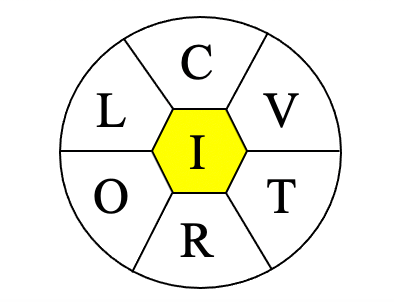
Art: Iva Reztok

C, L, O, R, T, V, and center I (all words must include I).

Merriam-Webster says…
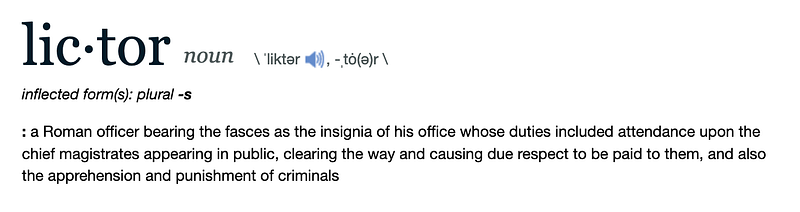
Credit: merriam-webster.com

Silly little dictionary! Don’t you know that lictor can’t possibly be a word if the New York Times says it ain’t?

For further fascinating facts, check out the Spelling Bee Master.

What’s your favorite dord* from today’s puzzle?

My Two Cents

Although lictors may have originated with the Etruscans, they are mostly associated with the Roman Empire. Now, this is not to say the two civilizations are not related. The Etruscans spread out along what today is the northwestern coast of Italy; think of the laces of the boot shape.

It’s just that lictor brings to mind Romans, perhaps because the word itself is thought to come from the Latin ligare, meaning “to bind”.

Also, Romulus, who was Rome’s first king, is said to have been the first to appoint lictors when he designated twelve iron-pumping hunks to attend to his every need.

Hannibal & lictor

I know Hannibal was the Carthaginian general who attacked the Roman Republic, and not a Roman himself, but I thought that bit of wordplay was fun. And who knows, maybe Hannibal did have some lictors himself.

The Roman lictors were originally selected from the plebs, or plebeians, who were free citizens of the empire not classified by the census as patricians. The patricians were the ruling class of families in ancient Rome, which made the plebs into what today we call “commoners” or “working stiffs” or “middle and lower classes”.

Hmmm. The more things change, the more they stay the same.

The reality is that most lictors ended up being former slaves or retired Centurions (commanders of armies). That’s probably because lictors had to be strongly built and capable of physical work. So your average pleb CPA probably didn’t qualify.

The elected officials who chose lictors designated them mostly for bodyguard duty and occasional personal chores, like taking togas to the dry cleaners. Lictors followed the magistrates around like puppies, except when they were sicced on people the rulers didn’t like. Kinda like Senate aides today.
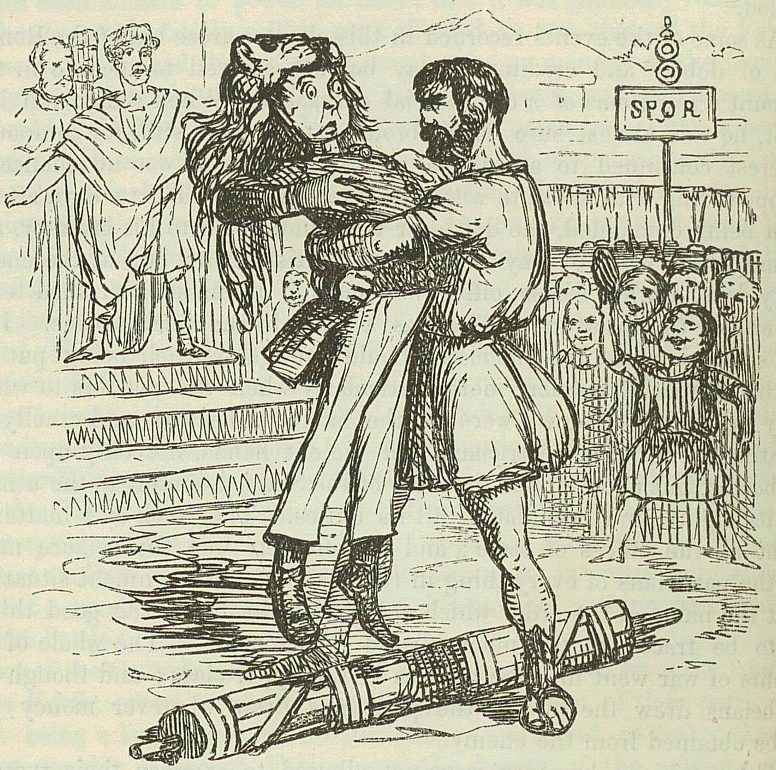
Image by John Leech

The lictor in the above illustration was sent to bear hug a cartoon.

Those magistrates who had more than one lictor could organize them in a little parade when they went strolling about. In that case, the primus lictor (main tough guy) would go directly in front of the ruler, clearing the path for him as he walked.

Your power status was reflected in the number of lictors you had. For example:

  • Dictator: 24 lictors
  • Emperor: originally 12 lictors, after Domitian 24 lictors
  • Rex and Consul: 12 lictors
  • Proconsul: 11 lictors
  • Praetor: 6 lictors
  • Quaestor: 0 lictors

That’s right. Just like today, quaestors back then got no respect, either.

Now, lictors carried with them something called a fasces, or a bundle of wooden rods that had an axe popping out of the middle. Something like this:
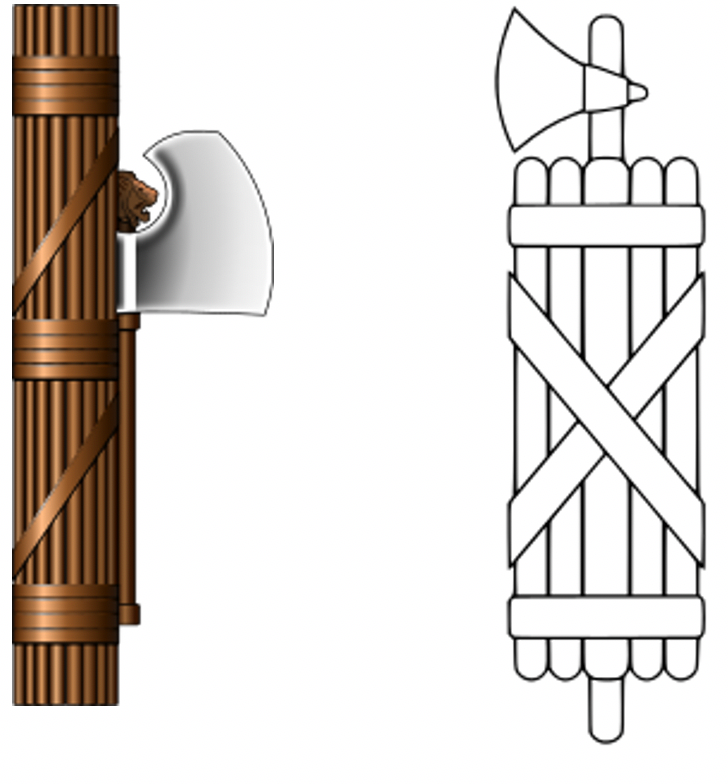
Screenshot collage by Iva Reztok

Trust me, they were much more effective when they were not just illustrations. They represented the power lictors had to carry out capital punishment.

The fasces also seem to have originated with the Etruscans, and the word comes from the Latin fascis, meaning “bundle”. Now, if the word fasces brings to mind something else… you’re right.

A little bit of fasces by my side…

Did you know Lincoln was a fascist? It’s all right there, in plain sight, at his memorial in Washington, DC.
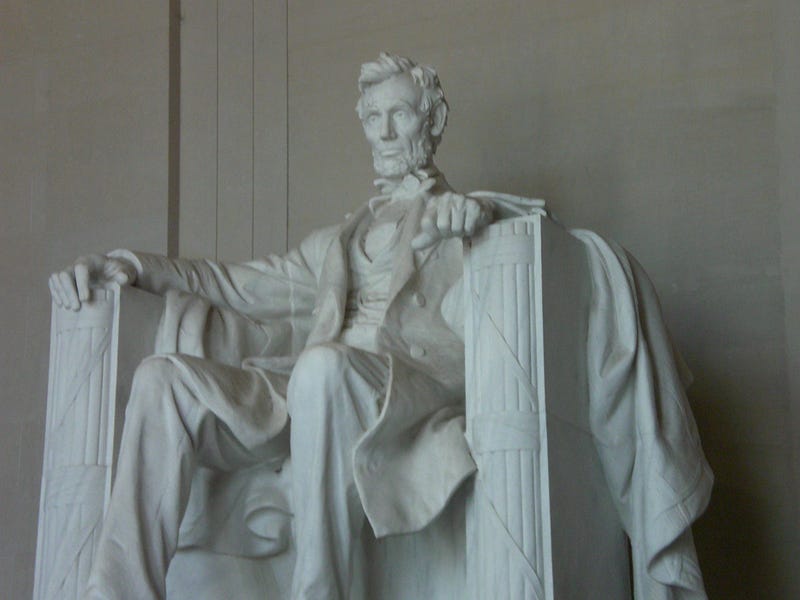
Photo by Paul Frederickson

See the fasces at the front of the armrests?

You can also see them on the seal of the Administrative Office of the United States Courts,

on either side of the U.S. flag in the House of Representatives,

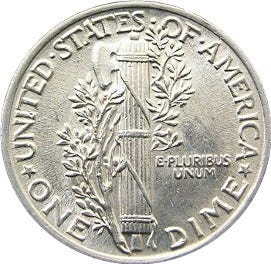
on the back of the Mercury Dime,
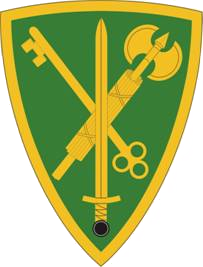
and even Shoulder Sleeve Insignia of the 42nd Military Police Brigade:
What gives? Surely this means all the conspiracy theories are true, and that that Nazi Germany and Fascist Italy really won the war. We’ve been living a lie since 1945!

During the first half of the twentieth century both the swastika and the fasces were associated with the authoritarian political movements of Nazi Germany and Benito Mussolini, respectively. Il Duce picked the fasces because it was a traditional Roman civilization symbol that signified authority, unity, authority, exercise of power, and authority.

For whatever reason, the stigma attached to the swastika remains to this very day, but the same did not occur with the fasces.

Also, of course, the fasces had been used as a symbol in the United States long before Mussolini had even been born.

But that’s not gonna stop people from posting their weird theories online and explaining to others how the fact that the fasces hangs over sideways above the door leading out of the Oval Office…
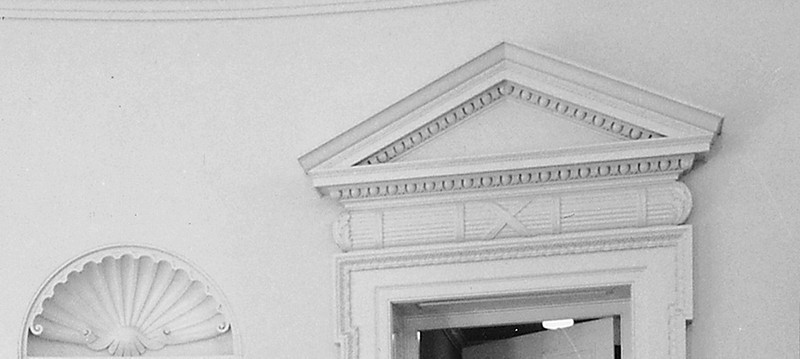
…means that FDR bowed down to the Axis powers and we’re living in a dystopian Philip K. Dick novel.

Perhaps the editors of the Spelling Bee puzzle fell prey to these conspiracy theories and that’s why they decided that the word lictor is a dord.*

You can check out my previous entry on another dord* here:

*What the heck is a dord, you ask? Here’s the answer:

Spelling Bee
Language
History
Politics
Culture
Recommended from ReadMedium