
Let’s Rename Some Birds
Replacing problematic species names
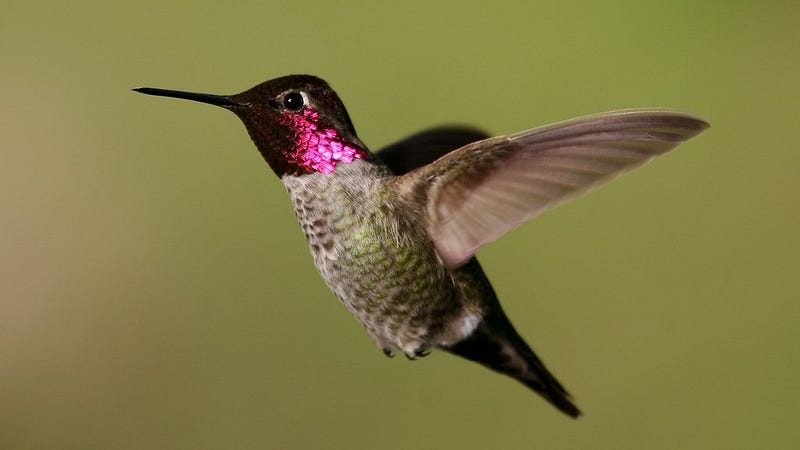
On November 1, 2023, the American Ornithological Society (AOS) announced that all bird species within AOS jurisdiction that are named after people will be renamed. The AOS is an organization of ornithologists (bird experts) responsible for naming and classifying North American birds.
After checking out which species will be affected, I started brainstorming some new names — after all, the AOS says they’ll be seeking public input on choosing new names.
I also recalled the “Central Park birdwatching incident”.
Said incident involved a black, male birdwatcher, Christian Cooper, and a white woman, Amy Cooper (unrelated), who was walking her dog. Christian asked Amy to leash the dog, and she responded by calling the police. She told the dispatcher:
“There is an African American man — I am in Central Park — he is recording me and threatening myself and my dog. Please, send the cops immediately!”
A video of the confrontation went viral and Amy Cooper was charged with filing a false police report. The incident sparked a national discussion regarding the challenges of “birding while black.” Christian Cooper’s experience highlighted inequities regarding peaceful, uncomplicated access to nature.
The Central Park birdwatching incident occurred on May 25, 2020 — the exact same day that George Floyd was murdered by a police officer in Minneapolis, Minnesota, sparking a worldwide racial justice protest movement.
During this time, there was discussion regarding the way that the United States continues to honor Confederate Civil War leaders (if you’re not familiar with US history, the Confederacy was the side that fought to uphold slavery).
Between May and October 2020, over 100 Confederate symbols were removed. This included renaming schools, tearing down statues, and relocating monuments away from public spaces.
The birdwatching community had its own renaming debate.
John James Audobon was a slaveowner and now lends his name to the National Audobon Society, a leading avian conservation group. Among North American birds with honorific names, almost all of the namesakes are white men — men like John Bachman (Bachman’s sparrow), also a slaveowner, and Winfield Scott (Scott’s oriole), who oversaw the forced relocation of Native Americans.
Choosing New Names for Birds
Rather than picking and choosing which names should be replaced, the AOS will change the English names of all bird species within its jurisdiction (mostly the US and Canada) that are named after people — 142 species in total.
Arguably, renaming so many species (especially those that aren’t named after particularly bad people) is unnecessary and overly politically correct. On the plus side, the new names will more accurately describe the species’ features, which is a more logical system compared to eponymous (naming after people) naming.
The project will start with the renaming of around 70–80 species in 2024.
In the AOS statement, this caught my eye:
“The AOS commits to actively involving the public in the process of selecting new English bird names.”
Challenge accepted. To get the ball rolling, I now present my first three suggestions.
Steller’s Jay
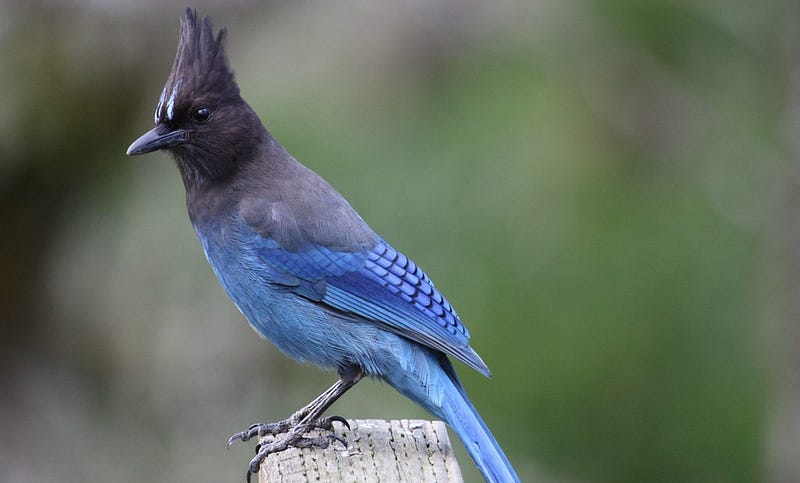
Steller’s jays are named after Georg Wilhelm Steller (1709–1746), a German zoologist, physician, and explorer. His life was short but full of adventure. After studying medicine, theology, and botany (pick a major!), Steller joined the Russian army as a surgeon. In 1733, he joined the Great Northern Expedition that mapped the Arctic coast of Siberia and achieved the European discovery of Alaska. During this journey, Steller recorded biological observations and collected specimens. He was the first European to record an observation of the jay species that would eventually bear his name.
Steller’s jays are known for their beautiful multi-shaded blue coloring, their presence as campsite pests, and, of course, their distinctive mohawk crest (head) feathers. My pick for a new name is Punk Rock jay.
Wilson’s Warbler
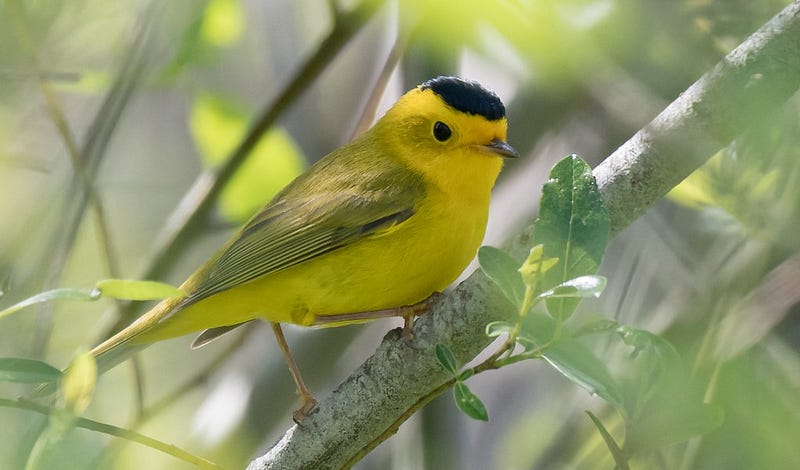
Wilson’s warblers are named after ornithologist Alexander Wilson (1766–1813). Wilson seems like a sympathetic character. He was one of the great early ornithologists as well as a poet, weaver, and satirist. One summary of his life and times states that he died of “dysentery, overwork, and chronic poverty.”
Male Wilson’s warblers have distinctive black caps that look like tiny hats — specifically, like French berets. Thus, I propose renaming this species Beret warbler.
Lewis’s Woodpecker
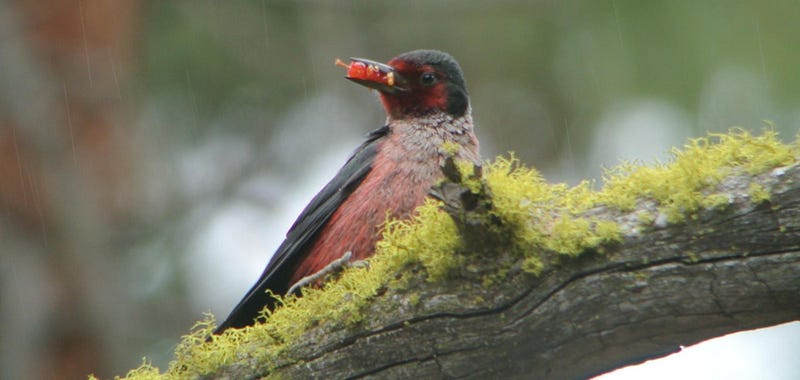

Lewis’s woodpecker is a black and red woodpecker found mainly in the western US. The species is named for Meriweather Lewis (1774–1809) of the Lewis and Clark Expedition. Lewis and Clark, commissioned by President Thomas Jefferson, traversed the American wilderness all the way to the Pacific Ocean.
While camping in modern-day Idaho, Lewis wrote an incredibly detailed description of a black woodpecker with “Ten feathers in the tail, sharply pointed… The tongue is barbed, pointed, and of an elastic cartilaginous substance. The eye is moderately large, purple-black, and iris of a dark yellowish brown.”
It’s incredible that while journeying thousands of miles through harsh unmapped wilderness, he took the time to record the number of tail feathers of a new bird species.
But alas, this barbed-tongued woodpecker shall be Lewis’s no more. However, I do recommend a new name from the same historical era. In my opinion, this species bears a resemblance to British soldiers (known as “redcoats”) from the Revolutionary War era.
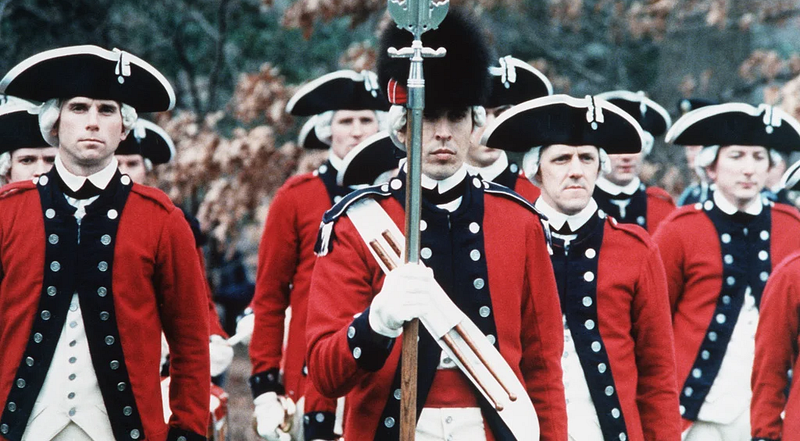
The name I propose is Redcoat woodpecker. It’s a stretch, but the color scheme (sort of) fits.
The Power of Names
Not all of the names that will soon be erased from ornithology come from terrible people. Thus, the all-or-nothing approach from the AOS is surprising.
AOS President Colleen Handel says:
“There is power in a name, and some English bird names have associations with the past that continue to be exclusionary and harmful today. We need a much more inclusive and engaging scientific process that focuses attention on the unique features and beauty of the birds themselves.”
In my experience, conservationists and wildlife scientists tend to be quite progressive. There’s a widespread desire to make conservation and environmentalism more inclusive, for the mutual benefit of humanity and wildlife. Overhauling the names of birds reflects that movement.
The American Bird Conservancy estimates that there are nearly three billion fewer birds in the US and Canada than there were in 1970. Lots of folks can’t even be bothered to stop their cats from slaughtering backyard songbirds for sport. If renaming species makes birdwatching more inclusive, and more inclusive birdwatching leads to better outcomes for our feathered friends — then I’m all for it.
What do you think?
More avian content: