

Let’s Make Better Food Choices For Our Children
Maintaining a healthy diet for our child is easier than we think; we just need to know how to make smart food choices…

The key to an energetic and healthy life is to eat the right amount of proteins, calcium, calories, and other nutrients. If you drink or eat more than your body requirements, it will not be possible for you to remain fit. The chance is that you will start putting on weight and may develop diseases like high blood pressure, diabetes and others.
Similarly, if you drink and eat lesser than your daily requirements, you will become weak and may not be able to do day-to-day works. The same is the situation for your kids. As a parent, it is your duty to make appropriate food choices for them because they cannot understand what to eat, when to eat and how much to eat.
So, let’s check out what types of food choices are good for our children.
The Best Food Strategies

With these five food strategies, we can encourage smart eating habits and improve nutrition.
- Have family meals every day.
- Serve multiple snacks and healthy foods.
- Act as a role model by drinking and eating healthy yourself.
- Don’t battle over food.
- Get your kids involved in the process.
Family Meals
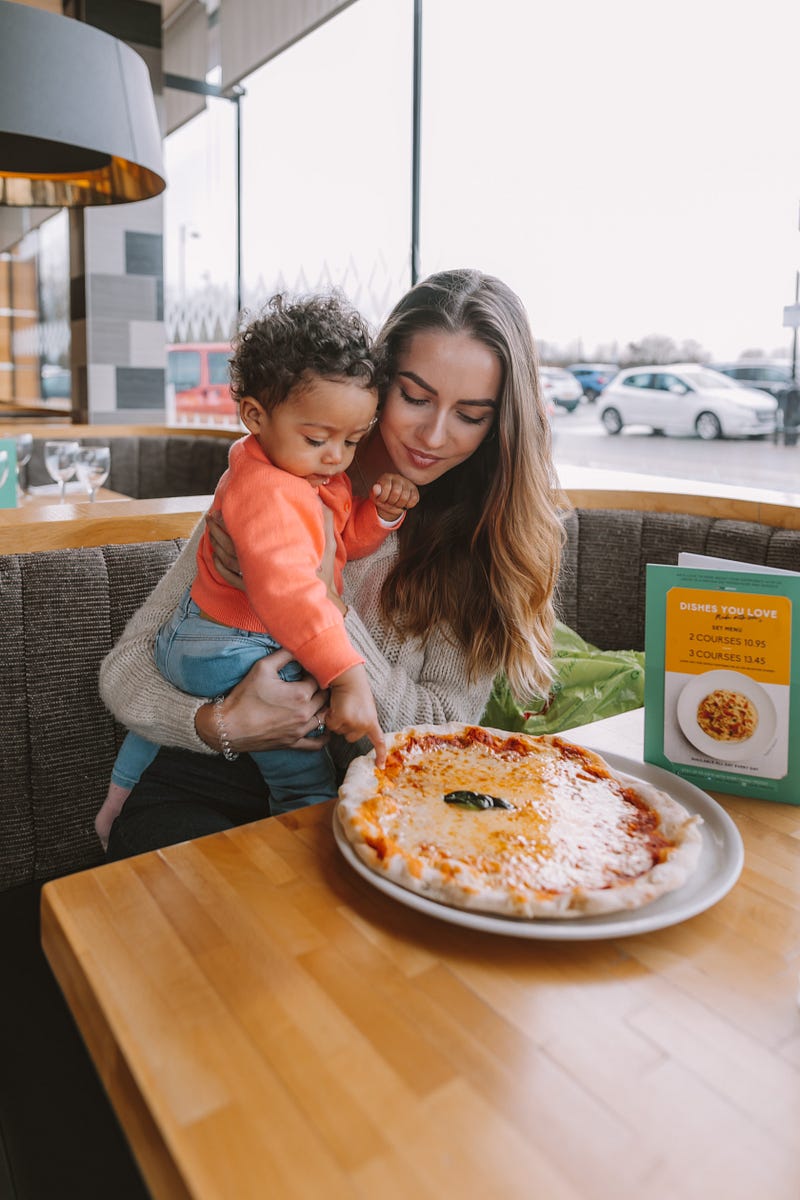
Various parents remain busy with their own works and pay less or no attention to family meals. It’s safe to say that family meals are a great way to encourage kids to eat healthy food.
A family meal can benefit our children in the following ways.
- Our kids will more likely to eat vegetables, grains, and fruits.
- Our children will not demand junk foods.
- Our kids will never get time to use marijuana, drink alcohol or smoke.
- During a family meal, we can introduce our children to new food items.
Plus, we encourage you to try these things.
- Allow your children to invite their friends to lunch or dinner.
- Get the kid involved in meal preparation and planning.
- Keep the mealtime friendly and calm, meaning there shouldn’t be any argument or lecture.
Stock Up On Healthy Foods

Once we begin encouraging our children to spend time with us during lunch and dinner, they will eat what’s available at home. This is where we have to control the supply line — the foods that we are serving on lunch and dinner and have on hand for snacks.
We suggest you follow these guidelines.
- Vegetables And Fruits — Include fruits and vegetables in daily life. You can prepare a salad or get your child yogurt. The goal should be to serve as many fruits and vegetables as possible, no matter what is the form of the meal.
- Make It Easy For Children To Choose Healthy Snacks — You shouldn’t force your children to eat excessive fruits and vegetables. Instead, you have to let them try healthy snacks too. Some of the best choices are low-fat butter, celery, whole-grain crackers, and cheese.
- Serve Lean Meat And Other Sources Of Proteins — Fish, nuts, beans, and eggs are good for you and your children’s health.
- Select Whole-Grain Bread And Cereals — In the breakfast, you can get your children whole-grain bread and cereals. These contain fibers and provide instant energy to the human body.
- Limit Fat Intake — Don’t consume fat ad help your child understand that the secret to their health is in avoiding fried foods. You can try some great and healthy cooking methods like broiling, roasting, steaming and grilling. Select nonfat or low-fat dairy products for your kids.
- Quit Fast Foods And Low-Nutrient Snacks — French fries, candies, burgers, pizzas, soft drinks, and other unhealthy meals should be skipped from your life. If your children insist to eat these food items, you can bring them to a restaurant once a month.
- Limit Sugar Intake — The intake of sugar has to be limited. For example, don’t allow your child to drink soda and fruit-flavored drinks. Instead, you can serve them low-fat milk and water.
Takeaway
All parents are concerned about the health and wellbeing of their children, and it is important to keep an eye on what our kid eats every day even when he or she is outside. We suggest you give them proper instructions that they shouldn’t eat anything from the cafeteria.
How do you plan your children’s meals?