avatarAvi Kotzer

Free AI web copilot to create summaries, insights and extended knowledge, download it at here

2356

Abstract

Provision is made for gaseous interchange between the internal tissues and the external air after the formation of cork, by the development of <i>lenticels</i>. These are special organs which interrupt the continuity of the impermeable layer of ordinary cork-cells. A <i>lenticel</i> is formed by the phellogen at a given spot dividin very actively and giving rise to a loose tissue of rounded cells which soon lose their contents, and between which air can pass to the tissues below (fig. 25). A <i>lenticel</i> appears to the naked eye as a rounded or elongated scar, often forming a distinct prominence on the surface of the organ. The lenticels of the stem are usually formed beneath stomata, whose function they take up after the stomata have been ruptured and cast off with the rest of the epidermis.</p></blockquote><p id="f8e5">And here is fig. 25, which does not refer to fig as in the fruit, but rather the abbreviation of “figure”:</p><figure id="bbe0"><img src="https://cdn-images-1.readmedium.com/v2/resize:fit:800/1*amfaeWXotJHmRCTgGZNIgw.png"><figcaption>Screenshot by Iva Reztok</figcaption></figure><figure id="44a1"><img src="https://cdn-images-1.readmedium.com/v2/resize:fit:800/1*VfBXKQVf-RUMOKhAQz83Pg.png"><figcaption></figcaption></figure><p id="9d3f">In the photo at the top of today’s column, the <i>lenticels</i> are the dark horizontal marks that look like scars. Here is a close-up:</p><figure id="c7e7"><img src="https://cdn-images-1.readmedium.com/v2/resize:fit:800/0*7N2k-R6W0R2GBbOC.jpg"><figcaption>Photo by Sue Sweeney — <a href="http://www.inmygarden.org">http://www.inmygarden.org</a></figcaption></figure><p id="8efd">In layman’s terms, the <i>lenticel</i> is porous tissue consisting of cells with large intercellular spaces in the bark of woody stems and roots of flowering plants that basically functions as a pore and allows for the direct exchange of gases between the internal tissues and atmosphere through the bark (which is otherwise impermeable to gases).</p><h2 id="097c">Breathe, fruits, breathe</h2><p id="cb95">Some fruits and tubers — notably apples, pears, and potatoes — also have <i>lenticels</i> that serve the same basic function as in trees. In these cases, however, the term <i>lenticel</i> is used to describe the lightly colored spots that you sometimes see:</p><figure id="06c2"><img src="https

Options

://cdn-images-1.readmedium.com/v2/resize:fit:800/0tr_wvszUHI05WUjk.jpg"><figcaption>Photo by Rasbak</figcaption></figure><p id="0f0c">And in pears:</p><figure id="483b"><img src="https://cdn-images-1.readmedium.com/v2/resize:fit:800/1*eM0V_DKj--YPm35njgNE_A.png"><figcaption>Photo by Mleprince</figcaption></figure><p id="57a2">And here come the potatoes:</p><figure id="418b"><img src="https://cdn-images-1.readmedium.com/v2/resize:fit:800/1*HFbHc0J611XHc2lrT12dtA.png"><figcaption>Photo by Spedona</figcaption></figure><p id="b893">There. Now when someone tells you an apple or pear or potato is going bad, you can smugly reply: “Those are <i>lenticels</i>, you ignoramus. I read all about it in <b>Silly Little Dictionary!</b></p><p id="0d6a">We all need to take a deep breath today. I do, because it’s been a stressful Monday. Trees and fruits, so they can use their <i>lenticels</i> and prove to the editors of the Spelling Bee that the word <i>lenticel</i> should not be a dord.</p><p id="2ac3">You can check out my previous entry on another <b>dord* </b>here:</p><div id="bb49" class="link-block"> <a href="https://readmedium.com/mano-3945d202f0d5"> <div> <div> <h2>Mano</h2> <div><h3>There’s more to this word than the expression “mano a mano”</h3></div> <div><p>medium.com</p></div> </div> <div> <div style="background-image: url(https://miro.readmedium.com/v2/resize:fit:320/0*_GvF7hXAUSWLJiaa)"></div> </div> </div> </a> </div><p id="ec99">*What the heck is a <b>dord, </b>you ask? Here’s the answer:</p><div id="afb9" class="link-block"> <a href="https://www.merriam-webster.com/words-at-play/dord-a-ghost-word"> <div> <div> <h2>'Dord': A Ghost Word</h2> <div><h3>One of the questions people like to ask lexicographers is this: Can you sneak something into the dictionary? Can you…</h3></div> <div><p>www.merriam-webster.com</p></div> </div> <div> <div style="background-image: url(https://miro.readmedium.com/v2/resize:fit:320/0*6T08wHrKwipI1jKi)"></div> </div> </div> </a> </div></article></body>

Lenticel

We all need to catch our breath today!

Photo by John Price on Unsplash

Yesterday’s New York Times Spelling Bee letters:
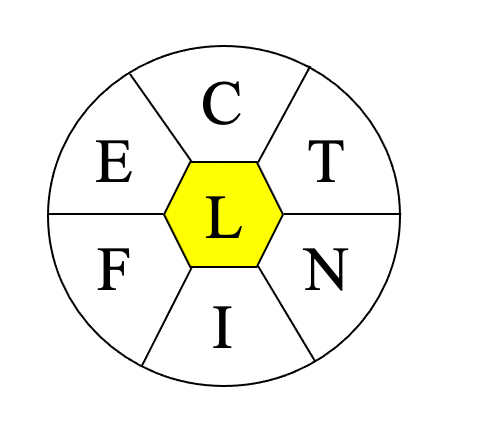
Art: Iva Reztok

C, E, F, I, N, T, and center L (all words must include L)

Merriam-Webster says…
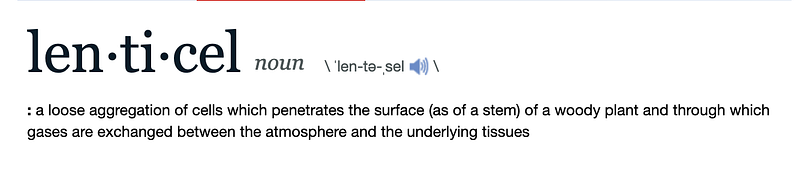
Credit: merriam-webster.com

Silly little dictionary! Don’t you know lenticel can’t possibly be a word if the New York Times says it ain’t?

For further fascinating facts, check out the Spelling Bee Master.

What’s your favorite dord* from the puzzle?

My Two Cents

This entry is gonna be a quick one; it’s been a rough day and, well, if the Spelling Bee doesn’t care about trees and fruits and their lenticels, well, then why should we either, right? Right?

Wrong.

Breathe, tree, breathe

Merriam-Webster explains that the word lenticel comes from the New Latin lenticella, a diminutive of Latin lent-, lens, meaning “lentil”. Because lentils are shaped like lenses, I guess?

The first recorded use goes back to around 1864. So lenticel has been around for only 150-plus years. You hear that, Spelling Bee?

Thanks to that fact, I can quote the 1911 Encyclopedia Britannica. Specifically, an article written by Sir William Turner Thiselton-Dyer, a leading British botanist, and the third director of the Royal Botanic Gardens, in Kew.

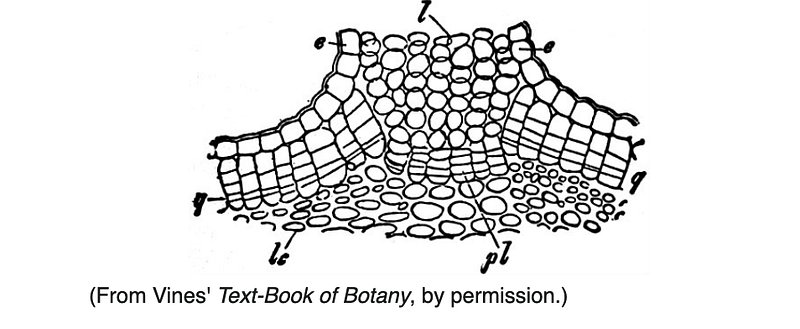
Provision is made for gaseous interchange between the internal tissues and the external air after the formation of cork, by the development of lenticels. These are special organs which interrupt the continuity of the impermeable layer of ordinary cork-cells. A lenticel is formed by the phellogen at a given spot dividin very actively and giving rise to a loose tissue of rounded cells which soon lose their contents, and between which air can pass to the tissues below (fig. 25). A lenticel appears to the naked eye as a rounded or elongated scar, often forming a distinct prominence on the surface of the organ. The lenticels of the stem are usually formed beneath stomata, whose function they take up after the stomata have been ruptured and cast off with the rest of the epidermis.

And here is fig. 25, which does not refer to fig as in the fruit, but rather the abbreviation of “figure”:

Screenshot by Iva Reztok

In the photo at the top of today’s column, the lenticels are the dark horizontal marks that look like scars. Here is a close-up:
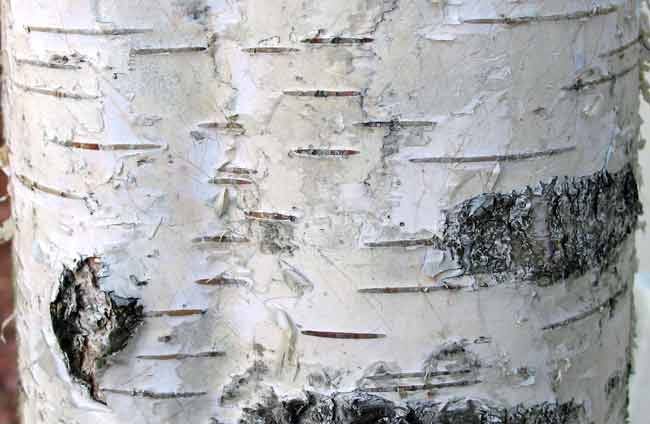
Photo by Sue Sweeney — http://www.inmygarden.org

In layman’s terms, the lenticel is porous tissue consisting of cells with large intercellular spaces in the bark of woody stems and roots of flowering plants that basically functions as a pore and allows for the direct exchange of gases between the internal tissues and atmosphere through the bark (which is otherwise impermeable to gases).

Breathe, fruits, breathe

Some fruits and tubers — notably apples, pears, and potatoes — also have lenticels that serve the same basic function as in trees. In these cases, however, the term lenticel is used to describe the lightly colored spots that you sometimes see:
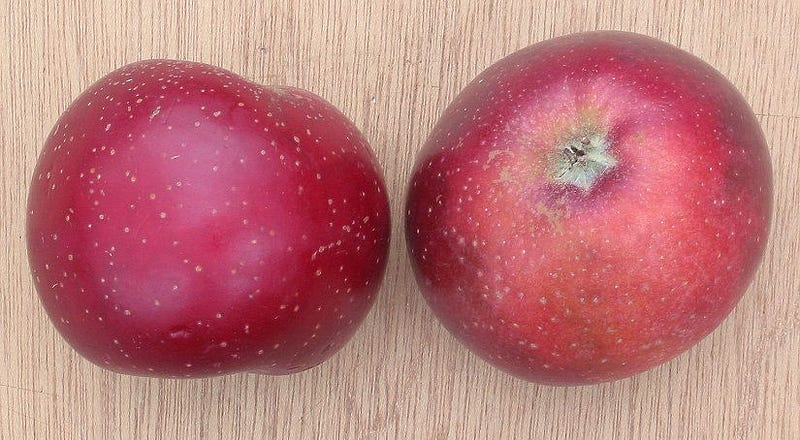
Photo by Rasbak

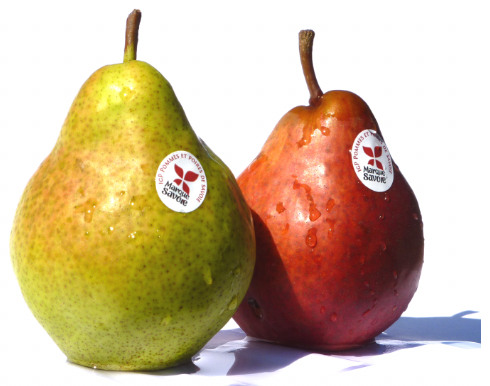
And in pears:

Photo by Mleprince

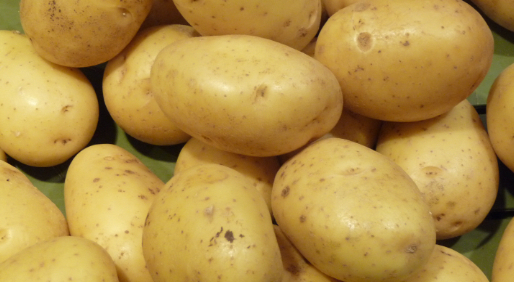
And here come the potatoes:

Photo by Spedona

There. Now when someone tells you an apple or pear or potato is going bad, you can smugly reply: “Those are lenticels, you ignoramus. I read all about it in Silly Little Dictionary!

We all need to take a deep breath today. I do, because it’s been a stressful Monday. Trees and fruits, so they can use their lenticels and prove to the editors of the Spelling Bee that the word lenticel should not be a dord*.

You can check out my previous entry on another dord* here:

*What the heck is a dord, you ask? Here’s the answer:

Spelling Bee
Language
Science
Fruits
Trees
Recommended from ReadMedium