avatarBrett Berry

Free AI web copilot to create summaries, insights and extended knowledge, download it at here

1469

Abstract

rc="https://cdn-images-1.readmedium.com/v2/resize:fit:800/1*_Iir60D304-rMw7BSy-4vQ.png"><figcaption></figcaption></figure><p id="93ed">Begin by adding the hundreds together.</p><figure id="4c22"><img src="https://cdn-images-1.readmedium.com/v2/resize:fit:800/1*OB3b5pH-H1P3XBPYwl8U6Q.png"><figcaption></figcaption></figure><p id="2a8d">Next add the tens. You could add them one at a time or combine them first.</p><figure id="c535"><img src="https://cdn-images-1.readmedium.com/v2/resize:fit:800/1*uBknWoyAu_AVhFlNpuAKHg.png"><figcaption></figcaption></figure><p id="5349">And add them with the previous partial sum.</p><figure id="1e75"><img src="https://cdn-images-1.readmedium.com/v2/resize:fit:800/1*n9zXwMYq2bwmmHoOBVDxtA.png"><figcaption></figcaption></figure><p id="108a">Lastly add on the one’s. I prefer adding them on one-by-one because that seems easier to me.</p><figure id="8c1f"><img src="https://cdn-images-1.readmedium.com/v2/resize:fit:800/1*R5EftgWFP2F7p_x8DhdOpA.png"><figcaption></figcaption></figure><figure id="a15f"><img src="https://cdn-images-1.readmedium.com/v2/resize:fit:800/1*iadwo8hyp1idxTDDhOyDSg.png"><figcaption></figcaption></figure><h1 id="6e74">Example 3</h1><figure id="2694"><img src="https://cdn-images-1.readmedium.com/v2/resize:fit:800/1*5VHAc1sYlNsM_KF_NNH36A.png"><figcaption></figcaption></figure><p id="de04"><b>Step 1: </b>Add the thousands.</p><figure id="d770"><img src="https://cdn-images-1.readmedium.com/v2/resize:fit:

Options

800/1*i3LMKM70DkVDVK8cTDex-A.png"><figcaption></figcaption></figure><p id="5b23"><b>Step 2: </b>Add the hundreds onto the sum. This time I’ll add them one at a time.</p><figure id="064c"><img src="https://cdn-images-1.readmedium.com/v2/resize:fit:800/1*fp4_h3xJjZRxmgqVC2hJkw.png"><figcaption></figcaption></figure><p id="3b56"><b>Step 3: </b>Add the tens onto the sum either collectively or individually.</p><figure id="cd00"><img src="https://cdn-images-1.readmedium.com/v2/resize:fit:800/1*ObFaerOKaqmO9a75gfEgPw.png"><figcaption></figcaption></figure><p id="370b"><b>Step 4: </b>Lastly, add on the ones. I combined them since 5 + 3 = 8.</p><figure id="0761"><img src="https://cdn-images-1.readmedium.com/v2/resize:fit:800/1*gHfQn6dmjnOqdVC2hAEB3Q.png"><figcaption></figcaption></figure><h1 id="453a">More Mental Addition Strategies</h1><p id="2c20"><i>If you are interested in learning about mental math check out the rest of the series, including Lesson Seven: <a href="https://readmedium.com/addition-tricks-to-increase-your-speed-8044041dc727">Addition Tricks to Increase Your Speed</a>.</i></p><p id="906b"><i>Next Lesson: <a href="https://readmedium.com/generate-factors-of-any-number-using-primes-1621bfeb1b2b#.lb2lhfbcg">Generating Factors Using Prime Numbers & The Fundamental Theorem of Arithmetic</a></i></p><p id="8e79"><i>Thanks for reading!</i></p><p id="a319"><i>Please click the ❤ to let me know you learned something new!</i></p></article></body>

Left-to-Right Mental Addition Strategy

mental math series, part 12

Sometimes a change in perspective can make all the difference.

If you like the traditional addition algorithm but find it difficult to do mentally, maybe left-to-right addition is for you! Switching the order so that we begin with the largest values can make the addition a little more intuitive and easier to compute.

Let’s give it a try with a few examples.

Example 1

Let’s start with a 2-digit addition problem.
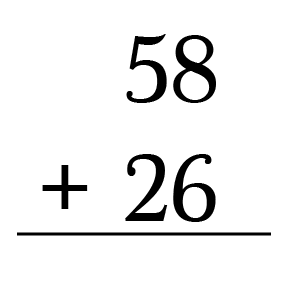
Start by adding the tens together.

Next append the one’s digit from the first addend.

Lastly, add on the one’s digit from the second addend by counting up.
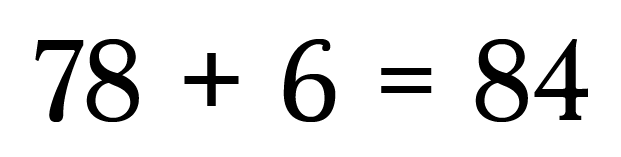
Example 2
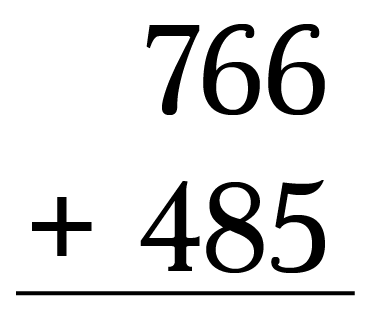
Begin by adding the hundreds together.

Next add the tens. You could add them one at a time or combine them first.

And add them with the previous partial sum.
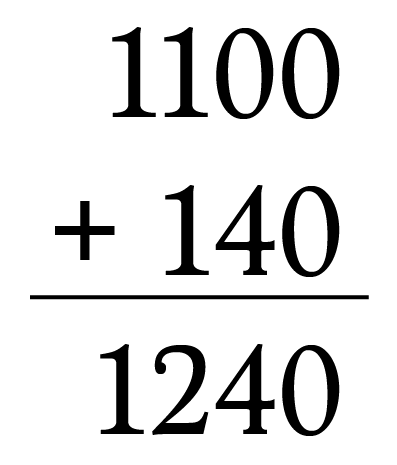
Lastly add on the one’s. I prefer adding them on one-by-one because that seems easier to me.


Example 3
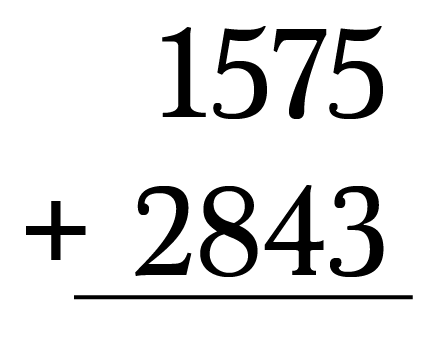
Step 1: Add the thousands.

Step 2: Add the hundreds onto the sum. This time I’ll add them one at a time.

Step 3: Add the tens onto the sum either collectively or individually.

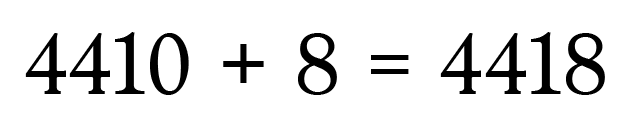
Step 4: Lastly, add on the ones. I combined them since 5 + 3 = 8.
More Mental Addition Strategies

If you are interested in learning about mental math check out the rest of the series, including Lesson Seven: Addition Tricks to Increase Your Speed.

Next Lesson: Generating Factors Using Prime Numbers & The Fundamental Theorem of Arithmetic

Thanks for reading!

Please click the ❤ to let me know you learned something new!

Mathematics
Math
Mental Math
Recommended from ReadMedium