avatarBrett Berry

Free AI web copilot to create summaries, insights and extended knowledge, download it at here

3241

Abstract

xMg9A.png"><figcaption></figcaption></figure><p id="6f35">Finally add 2.</p><figure id="496b"><img src="https://cdn-images-1.readmedium.com/v2/resize:fit:800/1*7FSEGDgxqlm2cuZjwFMyvw.png"><figcaption></figcaption></figure><p id="0614">Another example:</p><figure id="009d"><img src="https://cdn-images-1.readmedium.com/v2/resize:fit:800/1*0hvii-L-Eu8i7OlbZ39XOQ.png"><figcaption></figcaption></figure><p id="a501">In this problem, 120 is the benchmark. Since 7 + 3 = 10, break 6 into 3 + 3.</p><figure id="b20b"><img src="https://cdn-images-1.readmedium.com/v2/resize:fit:800/1*zSQcya3JDP-ZNoJ19bF41A.png"><figcaption></figcaption></figure><figure id="178e"><img src="https://cdn-images-1.readmedium.com/v2/resize:fit:800/1*on7QQp38iIDuvZxhdcxSsA.png"><figcaption></figcaption></figure><h1 id="b5d7">Breaking Apart By Place Value</h1><figure id="d451"><img src="https://cdn-images-1.readmedium.com/v2/resize:fit:800/1*PgrWYks7KQ4VLVPSrJ4R5g.png"><figcaption></figcaption></figure><p id="bc19">To solve this problem, we’ll break the numbers apart by place value. Remember the decimal place-value system is the structure underneath every number.</p><p id="c036">Twelve is equivalent to 1 ten and 2 ones and eighty-eight is equivalent to 8 tens and 8 ones. Using the place values, we can be represent the addition in expanded form.</p><figure id="323d"><img src="https://cdn-images-1.readmedium.com/v2/resize:fit:800/1*omP4Cxrkxnxnjs4jC1s7Sg.png"><figcaption></figcaption></figure><p id="9123">Addition is <b>commutative</b>, meaning we can rearrange the order without changing the answer. This allows us to move numbers around as we need.</p><p id="b4e2">Group the tens and the ones together respectively.</p><figure id="5bf8"><img src="https://cdn-images-1.readmedium.com/v2/resize:fit:800/1*IyE9kEzn5GKFBH5hX_ceRQ.png"><figcaption></figcaption></figure><p id="b246">Notice 8 + 2 = 10.</p><figure id="385b"><img src="https://cdn-images-1.readmedium.com/v2/resize:fit:800/1*Nqoketlkjo5t0M4kk1_CWg.png"><figcaption></figcaption></figure><p id="40f2">At this point, you can count up by tens.</p><figure id="909d"><img src="https://cdn-images-1.readmedium.com/v2/resize:fit:800/1*inYj0XCwdsfSiDZ-l-Mjiw.png"><figcaption></figcaption></figure><p id="71d8">Of course this isn’t the only way to break apart the numbers. We could also break off 2 from 12 and add it to 88 first.</p><figure id="32af"><img src="https://cdn-images-1.readmedium.com/v2/resize:fit:800/1*0CTTzrAzWTJXFvjFxVAbew.png"><figcaption></figcaption></figure><p id="347d">Or we could break off 8 from 88 and combine it with 12 first.</p><figure id="3bf1"><img src="https://cdn-images-1.readmedium.com/v2/resize:fit:800/1*JiakWW9EZzvw6knC_rGPBA.png"><figcaption></figcaption></figure><p id="bdf7">There is no “correct” or best way to break apart numbers. Just <b>go with what makes most sense to you</b> and seems most fitting for the given numbers.</p><p id="1900">Let’s try another.</p><figure id="c03a"><img src="https://cdn-images-1.readmedium.com/v2/resize:fit:800/1*kUgNf5r1bD2jEOX0dJKMAQ.png"><figcaption></figcaption></figure><p id="b45d">Again, break the numbers apart using their place values.</p><figure id="65d1"><img src="https://cdn-images-1.readmedium.com/v2/resize:f

Options

it:800/1*yqearpnuHQJs5QKxOVm_5A.png"><figcaption></figcaption></figure><p id="7c1d">Use the commutative property to rearrange them into tens and ones.</p><figure id="e4f4"><img src="https://cdn-images-1.readmedium.com/v2/resize:fit:800/1*3uEowQDyssgtcdiVpmvncw.png"><figcaption></figcaption></figure><p id="92db">Combine tens and ones respectively.</p><figure id="c12d"><img src="https://cdn-images-1.readmedium.com/v2/resize:fit:800/1*fkV2yZV_dNdgOeRKiPCDXw.png"><figcaption></figcaption></figure><figure id="1266"><img src="https://cdn-images-1.readmedium.com/v2/resize:fit:800/1*9rWl9yDYb1lRxEpyh6Tu_A.png"><figcaption></figcaption></figure><h1 id="7cc5">Number Thievery</h1><p id="de18">This method utilizes the ability to redistribute numbers. The mathematical equivalent of <i>“steal from the rich and give to the poor.” </i>For example, let’s add 49 + 86.</p><p id="32f3">Turn 49 into 50 by stealing 1 from 86.</p><figure id="ed7e"><img src="https://cdn-images-1.readmedium.com/v2/resize:fit:800/1*6tPDjjoZ2nHBM5l99IqguQ.png"><figcaption></figcaption></figure><p id="d92c">These numbers are easier to sum: 50 + 80 = 130 + 5 = 135.</p><figure id="70fe"><img src="https://cdn-images-1.readmedium.com/v2/resize:fit:800/1*QU-gyyYUVIAVTlgetG9QMQ.png"><figcaption></figcaption></figure><h1 id="e87e">Combining Techniques</h1><p id="0353">For the last example, let’s combine techniques.</p><figure id="c27d"><img src="https://cdn-images-1.readmedium.com/v2/resize:fit:800/1*IwhVTxK4UD1g_agJo1Hptg.png"><figcaption></figcaption></figure><p id="1ab0">Begin by breaking apart the hundreds.</p><figure id="11e2"><img src="https://cdn-images-1.readmedium.com/v2/resize:fit:800/1*tpt7x_99m7WNzaF4lx29vA.png"><figcaption></figcaption></figure><p id="a377">Then rearrange the terms and add the hundreds.</p><figure id="c7df"><img src="https://cdn-images-1.readmedium.com/v2/resize:fit:800/1*A_FlXLPsFrf9eMzctEqSEg.png"><figcaption></figcaption></figure><p id="f345">Next steal 1 from 62 and give it to 79 so that 79 becomes 80.</p><figure id="53b7"><img src="https://cdn-images-1.readmedium.com/v2/resize:fit:800/1*1y3tgC6VVPkQbkinTMyrtg.png"><figcaption></figcaption></figure><p id="5353">Which is equivalent to the expanded version:</p><figure id="2673"><img src="https://cdn-images-1.readmedium.com/v2/resize:fit:800/1*AJITHZyZRwHMSoqJq00j2Q.png"><figcaption></figcaption></figure><p id="049a">Now, I’ll add from left-to-right condensing as I go.</p><figure id="bef9"><img src="https://cdn-images-1.readmedium.com/v2/resize:fit:800/1*7UMOAErgKN-N-skwZbpBkQ.png"><figcaption></figcaption></figure><p id="b8fa">Therefore</p><figure id="fe9d"><img src="https://cdn-images-1.readmedium.com/v2/resize:fit:800/1*xBLYLMdxIft8odm52drOIw.png"><figcaption></figcaption></figure><p id="3399">These techniques might feel cumbersome on paper, but when you get the hang of them you’ll find that you can add quickly and effectively, mentally.</p><p id="e952"><i>Next Lesson: <a href="https://readmedium.com/techniques-for-subtracting-with-ease-d6708644b501#.tnyeefaaq">Techniques for Subtracting with Ease</a></i></p><p id="6436"><i>Thanks for reading!</i></p><p id="a319"><i>Please click the ❤ to let me know you learned something new!</i></p></article></body>

Addition Tricks to Increase Your Speed

mental math series, part 2

Today we’ll look at some simple methods for increasing your ability to sum numbers mentally. Let’s begin our lesson with some special number pairs.

Q: What do these number pairs have in common?
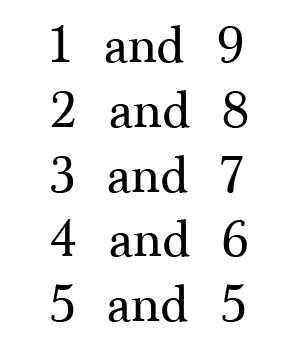
A: They all add to 10.

This may seem obvious, but it is an important first step. We’ll use these number pairs for benchmark and regrouping techniques. So whenever you see one of those pairs, I automatically want you to think “10”.

Benchmarks

When adding a single-digit number to another number, I like to use the technique of benchmarks. A benchmark is a convenient number we can use as a resting point in the middle of a problem, usually a multiple of ten.

Suppose we wanted to add 15 + 8.
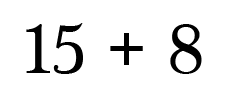
We’ll use the number 20 as a benchmark, so break 8 into 5 + 3.
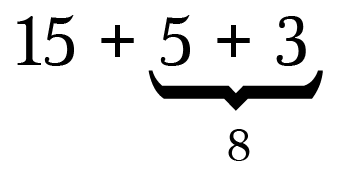
Combine 15 + 5 first to get to our benchmark of 20.
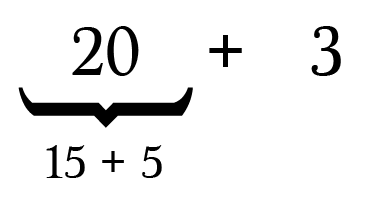
Then complete the addition.
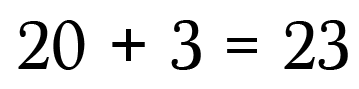
Let’s try another problem using benchmarks.
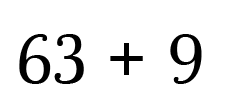
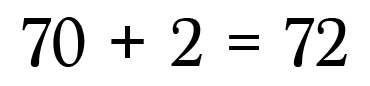
For this problem, 70 will be the benchmark since it is the next multiple of ten after 63. We need to add 7 to 63 to get to the benchmark of 70. So break 9 into 7 + 2, and add them one at a time.
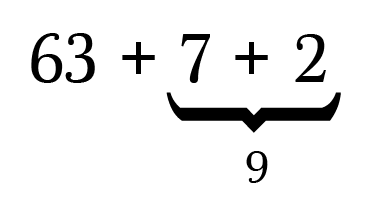
Now we’re the benchmark.
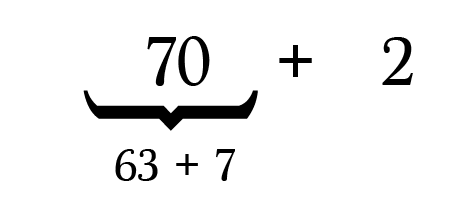
Finally add 2.
Another example:
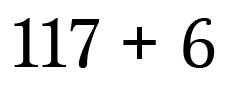
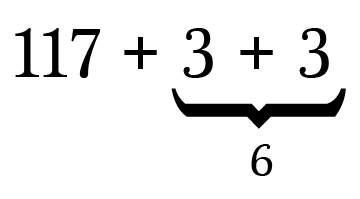
In this problem, 120 is the benchmark. Since 7 + 3 = 10, break 6 into 3 + 3.

Breaking Apart By Place Value
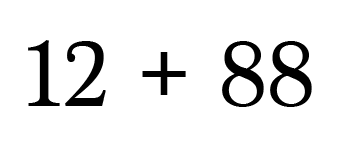
To solve this problem, we’ll break the numbers apart by place value. Remember the decimal place-value system is the structure underneath every number.

Twelve is equivalent to 1 ten and 2 ones and eighty-eight is equivalent to 8 tens and 8 ones. Using the place values, we can be represent the addition in expanded form.
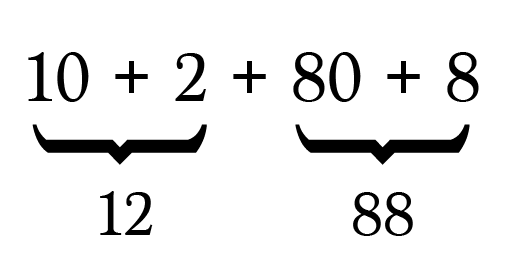
Addition is commutative, meaning we can rearrange the order without changing the answer. This allows us to move numbers around as we need.

Group the tens and the ones together respectively.
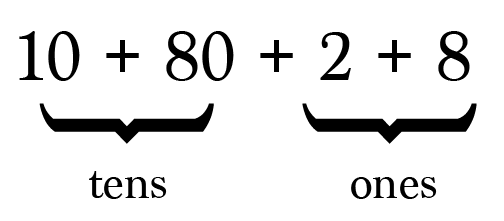
Notice 8 + 2 = 10.
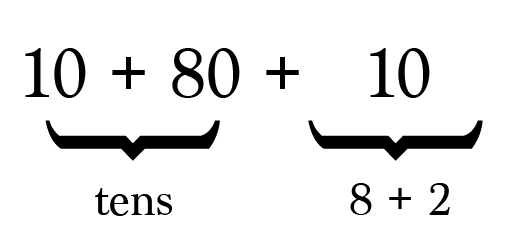
At this point, you can count up by tens.

Of course this isn’t the only way to break apart the numbers. We could also break off 2 from 12 and add it to 88 first.

Or we could break off 8 from 88 and combine it with 12 first.

There is no “correct” or best way to break apart numbers. Just go with what makes most sense to you and seems most fitting for the given numbers.

Let’s try another.
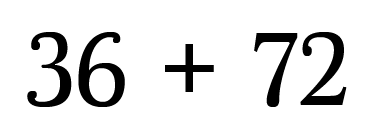
Again, break the numbers apart using their place values.
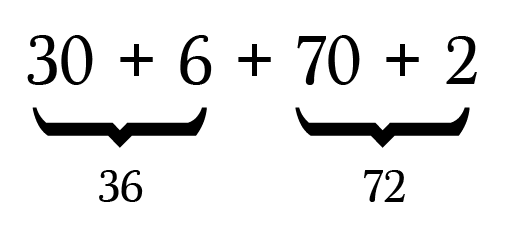
Use the commutative property to rearrange them into tens and ones.
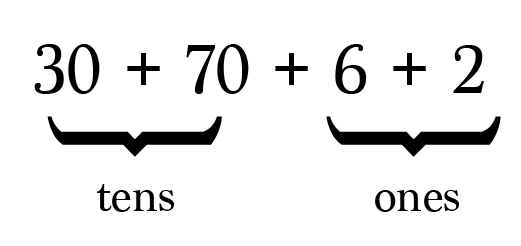
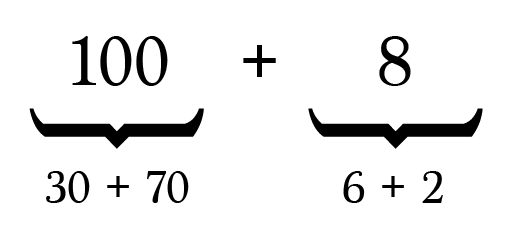
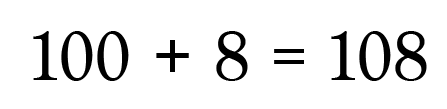
Combine tens and ones respectively.
Number Thievery

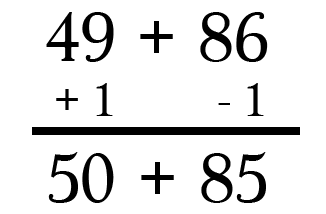
This method utilizes the ability to redistribute numbers. The mathematical equivalent of “steal from the rich and give to the poor.” For example, let’s add 49 + 86.

Turn 49 into 50 by stealing 1 from 86.
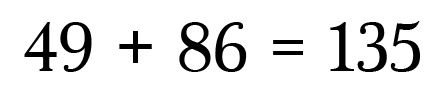
These numbers are easier to sum: 50 + 80 = 130 + 5 = 135.
Combining Techniques

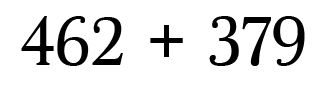
For the last example, let’s combine techniques.
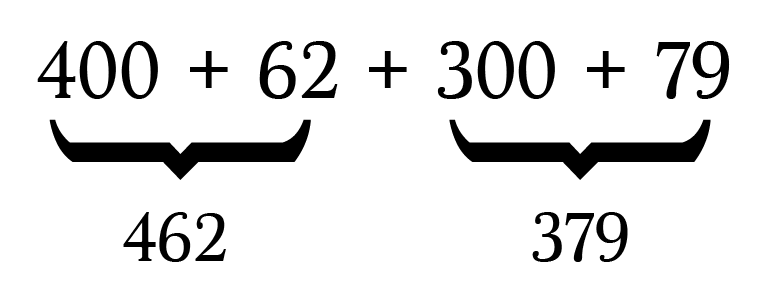
Begin by breaking apart the hundreds.
Then rearrange the terms and add the hundreds.
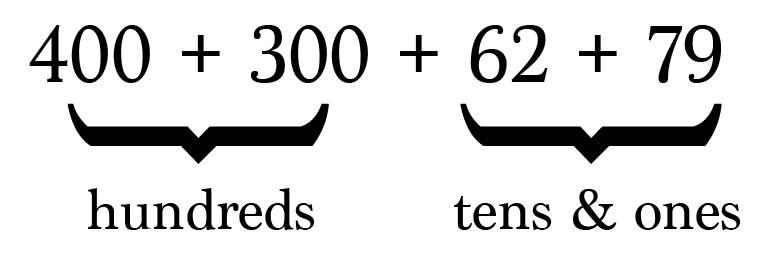
Next steal 1 from 62 and give it to 79 so that 79 becomes 80.
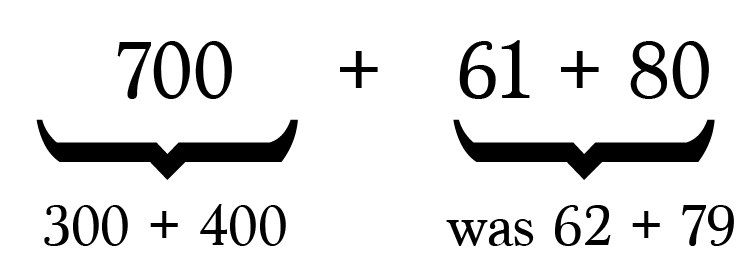
Which is equivalent to the expanded version:

Now, I’ll add from left-to-right condensing as I go.
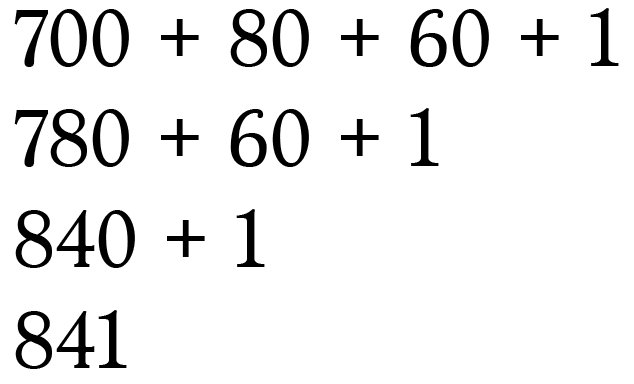
Therefore

These techniques might feel cumbersome on paper, but when you get the hang of them you’ll find that you can add quickly and effectively, mentally.

Next Lesson: Techniques for Subtracting with Ease

Thanks for reading!

Please click the ❤ to let me know you learned something new!

Mathematics
Math
Mental Math
Recommended from ReadMedium