avatarDr. Ashish Bamania

Free AI web copilot to create summaries, insights and extended knowledge, download it at here

6001

Abstract

/v2/resize:fit:800/1*H6NyHbe-YiCjFSdVR6kW6g.png"><figcaption>Assets Section of the Balance Sheet</figcaption></figure><p id="0004"><b>Current Assets</b></p><ul><li>These assets are expected to be used, sold or converted into cash within one business cycle (usually 1 year).</li><li>These are also called <b>Liquid assets</b> as they can be converted to cash easily.</li><li>These are used to fund day-to-day operations and pay ongoing business expenses.</li></ul><p id="9a0d"><b>Non-current Assets</b></p><ul><li>These assets are held by a company for a period of time longer than 1 year (or beyond one business cycle).</li><li>These assets are called <b>Long-term assets</b> as they are not readily convertible into cash</li><li>These represent long-term investments that a company makes to support its ongoing business.</li></ul><p id="8b26">Let’s deep dive into each of them.</p><h1 id="e2f4">Current Assets</h1><figure id="5531"><img src="https://cdn-images-1.readmedium.com/v2/resize:fit:800/1*ZXCuU2DPOeWi_eZc0vkTnA.png"><figcaption>Current Assets of Apple</figcaption></figure><p id="e700">Current Assets are further divided into:</p><ol><li><b>Cash</b></li><li><b>Cash equivalents</b> These are highly liquid investments that can be quickly converted into cash with minimal risk of change in value (three months or less from the date of acquisition). These include money market funds, commercial paper, treasury bills, and short-term government bonds.</li><li><b>Short-Term Investments</b> These are investments that have a maturity period longer than three months but less than a year. These include certificates of deposit, short-term corporate bonds, and certain mutual funds.</li><li><b>Accounts Receivable </b>This is the money owed to the company by its customers for goods or services provided but not yet paid for.</li><li><b>Inventory </b>This includes raw materials, unfinished goods, and finished goods that a company has, that it expects to sell within the next year.</li><li><b>Other Current Assets </b>These include Prepaid Expenses, Income Tax Receivable, Assets Held for Sale and more.</li></ol><p id="f967">Next, let’s look at the non-current assets.</p><h1 id="29c5">Non-Current Assets</h1><figure id="2473"><img src="https://cdn-images-1.readmedium.com/v2/resize:fit:800/1*DNe-0g83oBvmJ0U8uWgbYA.png"><figcaption>Non-current assets of Apple</figcaption></figure><p id="4f32">Non-current Assets are further divided into:</p><ul><li><b>Property, Plant & Equipment (PPE) </b>(<i>shown above as Not property, plant and equipment for unknown reasons</i>)<b> </b>These are tangible assets that include buildings, machinery, and equipment used to produce goods/deliver services. Note that their value decreases/depreciates over time.</li><li><b>Equity & Other Investments </b>These are long-term investments in stocks, bonds, or other securities.</li><li><b>Intangibles </b>These are<b> </b>non-physical assets (patents, copyrights, trademarks, and goodwill).</li><li><b>Deferred Income Taxes </b>This<b> </b>arises when a company has paid more taxes to the government than required. This represents future tax savings, as the company expects to receive a tax benefit in the form of a reduction in future tax payments.</li><li><b>Other Long-term Assets </b>These include<b> </b>long-term receivables, deferred charges, security deposits, pension assets, and more.</li></ul><p id="5e9e">Congratulations! You now understand the assets section of the balance sheet!</p><p id="a822">Next, let’s talk about Liabilities & Shareholder’s Equity.</p><figure id="e828"><img src="https://cdn-images-1.readmedium.com/v2/resize:fit:800/0*Sgusau638MVQQfIS"><figcaption>Photo by <a href="https://unsplash.com/@kellysikkema?utm_source=medium&amp;utm_medium=referral">Kelly Sikkema</a> on <a href="https://unsplash.com?utm_source=medium&amp;utm_medium=referral">Unsplash</a></figcaption></figure><h1 id="b987">Liabilities</h1><p id="723b">This includes everything that the company owes.</p><figure id="c304"><img src="https://cdn-images-1.readmedium.com/v2/resize:fit:800/1*9WbFjOwgvnRhQJLEMihYZg.png"><figcaption>Liabilities of Apple</figcaption></figure><p id="eb0c">These are divided into:</p><ul><li><b>Current Liabilities</b> These are obligations that a company is expected to settle within 1 year or within 1 business cycle.</li><li><b>Non-current Liabilities</b> These are obligations that a company is expected to settle in a period longer than 1 year or 1 business cycle.</li></ul><p id="fd25">Let’s look into what each of these comprises.</p><h1 id="f676">Current Liabilities</h1><figure id="d23a"><img src="https://cdn-images-1.readmedium.com/v2/resize:fit:800/1*S6pc11Xq4fw615S0YUJEVg.png"><figcaption>Current Liabilities of Apple</figcaption></figure><p id="bfca">These include the following:</p><ul><li><b>Accounts Payable</b> This is the money owed to suppliers for goods or services purchased on credit.</li><li><b>Taxes Payable</b> These include taxes owed to the government that are due within the next year.</li><li><b>Current Debt</b> This is the debt obligations due within one year (credit or short-term loans).</li><li><b>Other Current Liabilities</b> This includes any other liabilities that are expected to be settled within one year or one business cycle. (e.g. dividends payable, customer deposits, unearned revenue etc.)</li></ul><h1 id="3e56">Non-Current Liabilities</h1><figure id="29f5"><img src="https://cdn-images-1.readmedium.com/v2/resize:fit:800/1*O5HXNSedvNVOuZhKs--WCA.png"><figcaption>Non-current Liabilities of Apple</figcaption></figure><p id="421d">These include the following:</p><ul><li><b>Deferred Tax Liabilities </b>Taxes that have not yet been paid by the company.</li><li><b>Long-Term Debt</b> These are debt obligations that are due in more than one year (bonds or long-term loans).</li><li><b>Other Long-term Liabilities </b>These include other liabilities that are not expected to be settled within one year or one business cycle (e

Options

.g. deferred compensation for employees, pension liabilities, long-term lease obligations, asset retirement obligations etc.)</li></ul><p id="1a38">Next, let’s learn about the last section of the Balance sheet i.e. the Shareholder’s Equity.</p><figure id="4470"><img src="https://cdn-images-1.readmedium.com/v2/resize:fit:800/0*LYinCUmhi6UQtECB"><figcaption>Photo by <a href="https://unsplash.com/@kellysikkema?utm_source=medium&amp;utm_medium=referral">Kelly Sikkema</a> on <a href="https://unsplash.com?utm_source=medium&amp;utm_medium=referral">Unsplash</a></figcaption></figure><h1 id="64a5">Shareholder/ Stockholder’s Equity</h1><p id="47fd">This includes the value of money invested by shareholders in the company.</p><p id="2a02">In other words, it is what remains after all the company’s debts and obligations are paid off.</p><figure id="ae45"><img src="https://cdn-images-1.readmedium.com/v2/resize:fit:800/1*63FmEswP6AZyufScg8du3w.png"><figcaption>Stockholder’s Equity of Apple</figcaption></figure><p id="f9d1">This section comprises the following:</p><ul><li><b>Common Stock</b> This represents the initial capital contributed by shareholders when they purchase shares of the company.</li><li><b>Preferred Stock</b> (not shown above) This is a special class of stock that typically has preference over common stock when dividends are paid out by the company or money is paid out on asset liquidation.</li><li><b>Additional Paid-in Capital</b> This represents the excess amount paid by shareholders over the par value of the stock.</li><li><b>Other reserves </b>These are funds set aside for specific purposes (share buybacks, Statutory Reserves required by law etc.)</li><li><b>Retained Earnings</b> This represents the profits of the company that have not been distributed to stockholders as dividends.</li><li><b>Minority Interests </b>When a parent company holds more than 50% of the shares of a subsidiary, it gains control over that subsidiary and must consolidate its financial statements with those of the subsidiary. However, the remaining ownership stake that the parent company doesn’t own belongs to other investors and is called Minority Interest. For example, consider a parent company that owns 70% of a subsidiary. The remaining 30% of the shares are owned by other investors and represents the minority interest.</li></ul><p id="41c7">That was all about the Balance Sheet of a company.</p><p id="ef58">Let’s take a break and discuss the other financial documents in the next article of this series.</p><div id="5cef" class="link-block"> <a href="https://readmedium.com/this-is-the-first-thing-that-you-need-to-keep-in-mind-when-investing-in-a-company-2698bd2008d5"> <div> <div> <h2>This Is The First Thing That You Need To Keep In Mind When Investing In A Company</h2> <div><h3>Learn To Read Cashflow Statements Like A Pro!</h3></div> <div><p>medium.com</p></div> </div> <div> <div style="background-image: url(https://miro.readmedium.com/v2/resize:fit:320/0*20RyadtAwE4952en)"></div> </div> </div> </a> </div><div id="55bc" class="link-block"> <a href="https://bamania-ashish.medium.com/learn-to-read-financial-statements-like-a-pro-part-3-income-statement-607f88dbae0a"> <div> <div> <h2>Learn To Read Financial Statements Like A Pro (Part 3— Income Statement)</h2> <div><h3>Learning To Read Financial Statements Is Your Greatest Unfair Advantage Over An Average Emotional Investor</h3></div> <div><p>bamania-ashish.medium.com</p></div> </div> <div> <div style="background-image: url(https://miro.readmedium.com/v2/resize:fit:320/0*BaHoWGxzUWMoPdh7)"></div> </div> </div> </a> </div><h2 id="7d53">Subscribe to my Substack newsletters below:</h2><div id="f004" class="link-block"> <a href="https://ashishbamania.substack.com/"> <div> <div> <h2>Ashish’s Substack | Dr. Ashish Bamania | Substack</h2> <div><h3>Sharing Everything That I Have Learned & Have Been Learning About, Unfiltered. Click to read Ashish’s Substack, by Dr…</h3></div> <div><p>ashishbamania.substack.com</p></div> </div> <div> <div style="background-image: url(https://miro.readmedium.com/v2/resize:fit:320/0*0muO09Ou9fuuOy6L)"></div> </div> </div> </a> </div><div id="9a14" class="link-block"> <a href="https://bytesurgery.substack.com/"> <div> <div> <h2>Byte Surgery | Dr. Ashish Bamania | Substack</h2> <div><h3>A Deep Dive Into The Best Of Software Engineering. Click to read Byte Surgery, by Dr. Ashish Bamania, a Substack…</h3></div> <div><p>bytesurgery.substack.com</p></div> </div> <div> <div style="background-image: url(https://miro.readmedium.com/v2/resize:fit:320/0*MV8XJJxLS50pwwv7)"></div> </div> </div> </a> </div><h2 id="af29">Check out my books below:</h2><div id="c790" class="link-block"> <a href="https://bamaniaashish.gumroad.com/"> <div> <div> <h2>Ashish Bamania</h2> <div><h3>NHS Doctor 🩺 | AIIMS, New Delhi, MBBS Graduate 👨‍🎓 | Self-Taught Software Developer 👨‍💻 | I Learn & Teach How…</h3></div> <div><p>bamaniaashish.gumroad.com</p></div> </div> <div> <div style="background-image: url(https://miro.readmedium.com/v2/resize:fit:320/0*BbAEuMldrMa6kCQ8)"></div> </div> </div> </a> </div></article></body>

Learn To Read Financial Statements Like A Pro (Part 1 — Balance Sheet)
Photo by Kelly Sikkema on Unsplash

The following article is from my Substack newsletter. Check it out below:

Financial statements are not tough to read. It is just that they are taught in a highly boring and complex way.

Let me simply them for you.

We will walk through the financial statements of Apple (ticker symbol: AAPL) and learn to read them well.

Let’s get started!

What Are Financial Statements?

In view of the US economy, Financial statements are detailed sets of financial information that public companies file with the Securities and Exchange Commission (SEC) every year (called 10-K filing)and every quarter (10-Q filing).

There are three types of financial statements:

1. Balance Sheet It tells how much the company owns (assets) relative to what it owes (liabilities) at a particular point in time.

2. Income Statement It tells about the revenues and expenses of a company over a set period of time.

3. Cashflow Statement It records all the cash that comes into and goes out of a company.

Next, we will talk about each of these in detail.

Balance Sheet

This is a record of:

  • how much the company owns (Assets)
  • how much the company owns (Liabilities)
  • how much the company’s shareholders have invested in the company (Equity)

Shareholders’ equity = Assets — Liabilities

Learning From Apple’s Balance Sheet

To find a company’s financial statements, go the SEC website and search for the company’s name/ ticker symbol.

The link is given below:

I am using Morningstar as the user interface on their website is pretty neat!
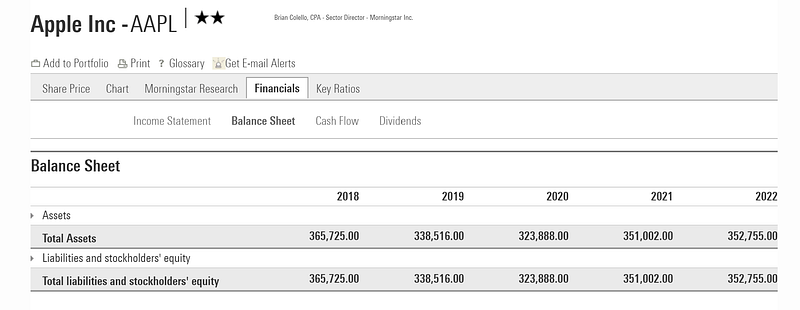
Partial Balance Sheet of Apple from the year 2018–22 (Source: Morningstar)

Check out the balance sheet and you will find that it is divided into two sections:

  • Assets
  • Liabilities and stockholders’ equity
Gross overview of the Balance Sheet of Apple from the year 2018–22

Note that the total figure for each year (e.g. $365,725 for 2018) is the same for both sections.

Why?

Remember:

Shareholders’ equity + Liabilities = Assets

Great! Let’s zoom into each of these sections.

Assets

This includes everything that the company owns.

If you’re completely new to the terms ‘asset & liability’, checking out the article below is highly recommended before moving forward.

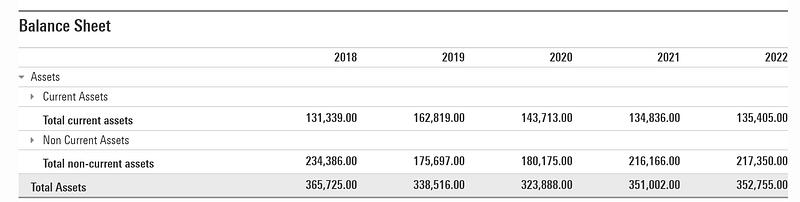
Assets are again divided into:

  • Current Assets
  • Non-Current Assets
Assets Section of the Balance Sheet

Current Assets

  • These assets are expected to be used, sold or converted into cash within one business cycle (usually 1 year).
  • These are also called Liquid assets as they can be converted to cash easily.
  • These are used to fund day-to-day operations and pay ongoing business expenses.

Non-current Assets

  • These assets are held by a company for a period of time longer than 1 year (or beyond one business cycle).
  • These assets are called Long-term assets as they are not readily convertible into cash
  • These represent long-term investments that a company makes to support its ongoing business.

Let’s deep dive into each of them.

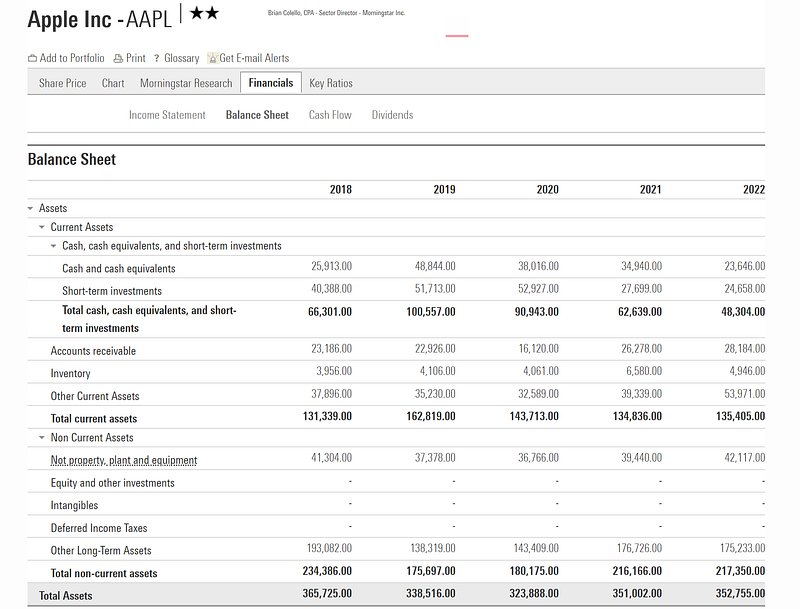
Current Assets
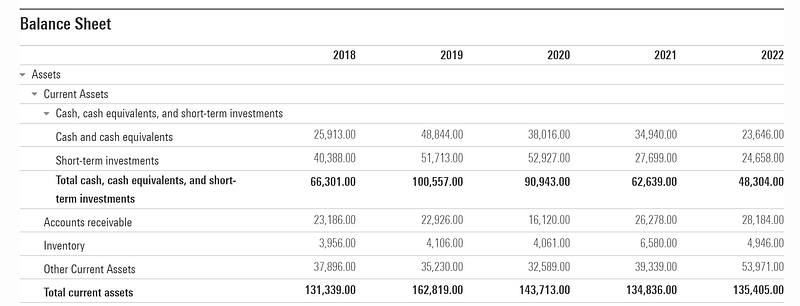
Current Assets of Apple

Current Assets are further divided into:

  1. Cash
  2. Cash equivalents These are highly liquid investments that can be quickly converted into cash with minimal risk of change in value (three months or less from the date of acquisition). These include money market funds, commercial paper, treasury bills, and short-term government bonds.
  3. Short-Term Investments These are investments that have a maturity period longer than three months but less than a year. These include certificates of deposit, short-term corporate bonds, and certain mutual funds.
  4. Accounts Receivable This is the money owed to the company by its customers for goods or services provided but not yet paid for.
  5. Inventory This includes raw materials, unfinished goods, and finished goods that a company has, that it expects to sell within the next year.
  6. Other Current Assets These include Prepaid Expenses, Income Tax Receivable, Assets Held for Sale and more.

Next, let’s look at the non-current assets.

Non-Current Assets
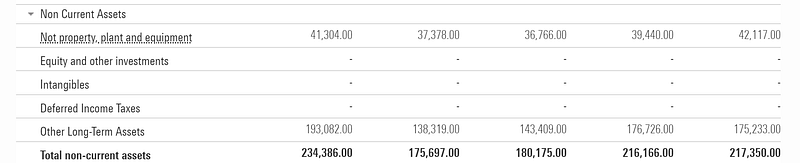
Non-current assets of Apple

Non-current Assets are further divided into:

  • Property, Plant & Equipment (PPE) (shown above as Not property, plant and equipment for unknown reasons) These are tangible assets that include buildings, machinery, and equipment used to produce goods/deliver services. Note that their value decreases/depreciates over time.
  • Equity & Other Investments These are long-term investments in stocks, bonds, or other securities.
  • Intangibles These are non-physical assets (patents, copyrights, trademarks, and goodwill).
  • Deferred Income Taxes This arises when a company has paid more taxes to the government than required. This represents future tax savings, as the company expects to receive a tax benefit in the form of a reduction in future tax payments.
  • Other Long-term Assets These include long-term receivables, deferred charges, security deposits, pension assets, and more.

Congratulations! You now understand the assets section of the balance sheet!

Next, let’s talk about Liabilities & Shareholder’s Equity.
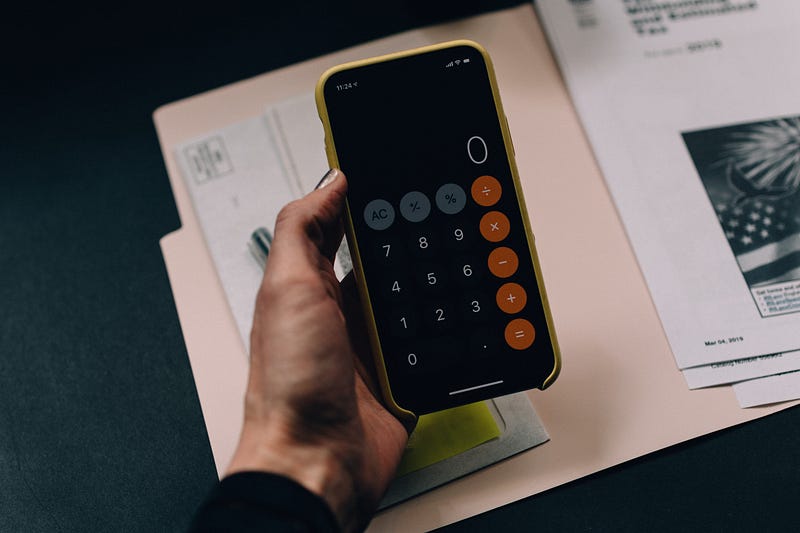
Photo by Kelly Sikkema on Unsplash

Liabilities

This includes everything that the company owes.

Liabilities of Apple

These are divided into:

  • Current Liabilities These are obligations that a company is expected to settle within 1 year or within 1 business cycle.
  • Non-current Liabilities These are obligations that a company is expected to settle in a period longer than 1 year or 1 business cycle.

Let’s look into what each of these comprises.

Current Liabilities

Current Liabilities of Apple

These include the following:

  • Accounts Payable This is the money owed to suppliers for goods or services purchased on credit.
  • Taxes Payable These include taxes owed to the government that are due within the next year.
  • Current Debt This is the debt obligations due within one year (credit or short-term loans).
  • Other Current Liabilities This includes any other liabilities that are expected to be settled within one year or one business cycle. (e.g. dividends payable, customer deposits, unearned revenue etc.)

Non-Current Liabilities

Non-current Liabilities of Apple

These include the following:

  • Deferred Tax Liabilities Taxes that have not yet been paid by the company.
  • Long-Term Debt These are debt obligations that are due in more than one year (bonds or long-term loans).
  • Other Long-term Liabilities These include other liabilities that are not expected to be settled within one year or one business cycle (e.g. deferred compensation for employees, pension liabilities, long-term lease obligations, asset retirement obligations etc.)

Next, let’s learn about the last section of the Balance sheet i.e. the Shareholder’s Equity.
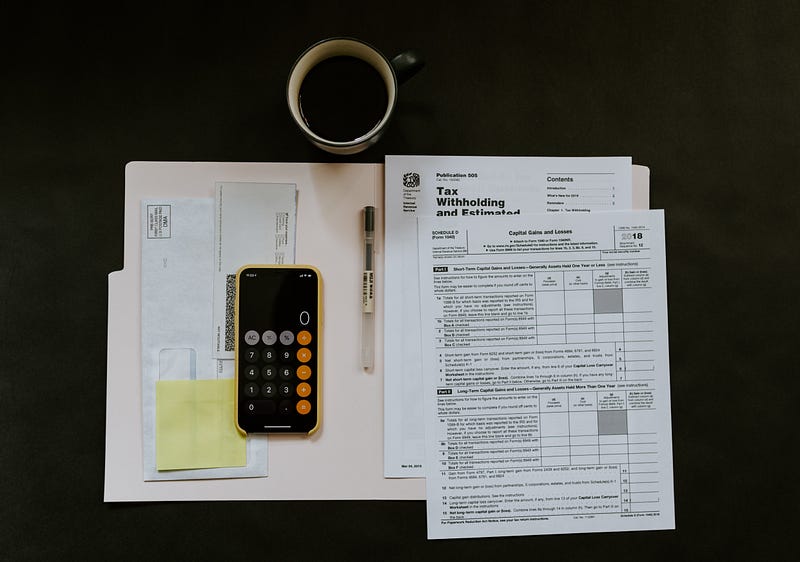
Photo by Kelly Sikkema on Unsplash

Shareholder/ Stockholder’s Equity

This includes the value of money invested by shareholders in the company.

In other words, it is what remains after all the company’s debts and obligations are paid off.
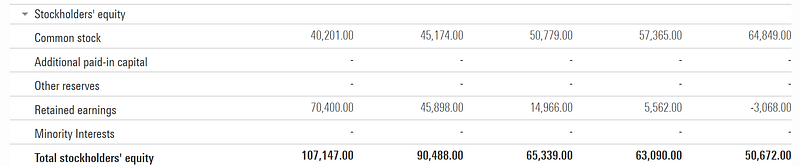
Stockholder’s Equity of Apple

This section comprises the following:

  • Common Stock This represents the initial capital contributed by shareholders when they purchase shares of the company.
  • Preferred Stock (not shown above) This is a special class of stock that typically has preference over common stock when dividends are paid out by the company or money is paid out on asset liquidation.
  • Additional Paid-in Capital This represents the excess amount paid by shareholders over the par value of the stock.
  • Other reserves These are funds set aside for specific purposes (share buybacks, Statutory Reserves required by law etc.)
  • Retained Earnings This represents the profits of the company that have not been distributed to stockholders as dividends.
  • Minority Interests When a parent company holds more than 50% of the shares of a subsidiary, it gains control over that subsidiary and must consolidate its financial statements with those of the subsidiary. However, the remaining ownership stake that the parent company doesn’t own belongs to other investors and is called Minority Interest. For example, consider a parent company that owns 70% of a subsidiary. The remaining 30% of the shares are owned by other investors and represents the minority interest.

That was all about the Balance Sheet of a company.

Let’s take a break and discuss the other financial documents in the next article of this series.

Subscribe to my Substack newsletters below:

Check out my books below:

Finance
Money
Entrepreneurship
Business
Investing
Recommended from ReadMedium