
Kids Don’t Gain Self-Confidence From Saying Things Like, ‘I’m Terrific’
How a leading psychologist demolished the idea that bragging is good for children
I used to take dance classes at an elementary school with a hallway dominated by a bulletin board that displayed hand-written papers on the topic, “I am fantastic because …”
Students wrote them during the heyday of a costly and misguided educational fad: the idea that you could boost children’s self-esteem — and their grades — by urging them to say things like, “I am terrific.” As opposed to, say, actually studying for tests.
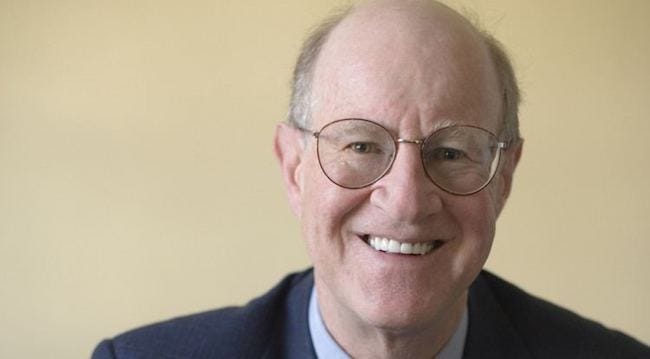
That myth was popular for years, until it was debunked by distinguished educators like William Damon, director of the Stanford Center on Adolescence at Stanford University and editor-in-chief of The Handbook of Child Psychology.
Damon demolished it in his book Greater Expectations (Free Press, 1995), which argued that something had gone badly wrong in “the passing of essential standards between the generations.”
Children of all social groups were growing up in an unwholesome atmosphere that went beyond drugs, violence, and similar woes, he said: It involved a focus on the self and a devaluation of spirituality and faith.
Damon blamed this shift in part on influential childrearing experts like David Elkind and Penelope Leach, whose approaches could encourage adults to infantilize children on the pretext of protecting them. Greater Expectations painstakingly documented the lack of a link between high self-esteem and the high academic or other achievement it was said to promote.
Researchers had tried repeatedly to link high self-esteem and success in school, Damon noted. But they had “not even provided convincing correlational data,” let alone causal links.
In fact, the opposite was often true: High-self-esteem doesn’t lead to high achievement but high achievement may increase self-esteem. Developing either, Damon said, is a slow process:
“There are no easy shortcuts to this. The child cannot be quickly inoculated with self-confidence through facile phrases such as ‘I’m great’ or ‘I’m terrific.’ ”
Then why did schools once throw money at programs that aimed to boost self-esteem? Why did American schoolchildren spend countless hours writing papers like the ones I saw displayed in a hallway?
Damon dealt with that, too, and helped to spark overdue backlash against the self-esteem frenzy. His research and others’ eventually persuaded educators and mental health experts to focus on giving children sincere and thoughtful praise, not on cheerleading for trivial efforts.
Now “mindfulness” programs are booming in schools as self-esteem activities once did. A similar dearth of good evidence underlies them.
Mindfulness programs, too, may face a backlash as they fail to prove their worth. In the meantime, anyone who’s tempted to buy into either belief system would do well to remember the lessons of Greater Expectations and the changes they helped to inspire.
@JaniceHarayda is an award-winning critic and journalist whose articles have appeared in major print and online media including the New York Times, the Wall Street Journal, and Salon.
You might like my other articles on children and their schools: