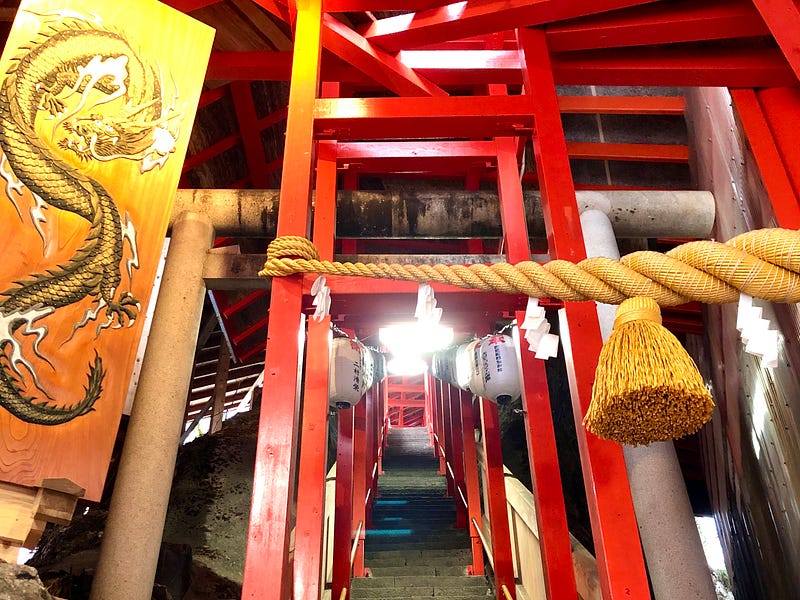
main shrine building. The setting feels unworldly with a spectacular view of mountains, but that’s only the beginning of this shrine’s charm.</p><figure id="29ba"><img src="https://cdn-images-1.readmedium.com/v2/resize:fit:800/1*[email protected]"><figcaption>高龍神社 (Kōryū Jinja) in Nagaoka, Niigata. Photo by Author.</figcaption></figure><p id="f23c">Kōryū Jinja Shrine is renowned for bringing financial fortune and business success. When you step into the main building, you’ll notice numerous business cards tucked into the wooden shelves. People flock here to wish for success and leave their cards under the watchful Dragon. Among locals, it’s common to bring colleagues, particularly those in sales careers.</p><figure id="c881"><img src="https://cdn-images-1.readmedium.com/v2/resize:fit:800/1*[email protected]"><figcaption>高龍神社 (Kōryū Jinja) in Nagaoka, Niigata. Photo by Author.</figcaption></figure><ul><li><b>Kifune Jinja Shrine</b> (Kyoto): This famous tourist spot worships the Dragon god that controls water, rain, and snow. Underneath the main building of this shrine, a big <i>ryūketsu </i>cave is said to exist, believed to channel energy and safeguard the sanctity of the shrine.</li><li><b>Niukawakami Jinja Shrine</b> (Nara): If you visit Osaka or Nara, taking a detour to this shrine will make your trip even more unforgettable. This shrine dates back over 1300 years, ruling over the power of water with the Dragon. You can buy small dragon-shaped mascots with fortune slips and a real-life ‘Dragon Ball’ to make a wish and toss into the nearby waterfall.</li></ul>
<figure id="1cc6">
<div>
<div>
<img class="ratio" src="http://placehold.it/16x9">
<iframe class="" src="https://cdn.embedly.com/widgets/media.html?type=text%2Fhtml&key=a19fcc184b9711e1b4764040d3dc5c07&schema=twitter&url=https%3A//twitter.com/9960yoshi/status/1376834367222259720%3Fs%3D20&image=" allowfullscreen="" frameborder="0" height="281" width="500">
</div>
</div>
</figure></iframe></div></div></figure><h1 id="5080">Rediscover Hokuriku and Help Tourist Destinations Around the Earthquake Zone</h1><p id="e1ba">The shrines above are particularly famous for their worship of the Dragon, but finding Dragon-related spots isn’t difficult across Japan. So let me conclude this article with one last important destination — the Hokuriku region — encompassing the four prefectures of Niigata, Toyama, Ishikawa, and Fukui.</p><p id="101e">As you probably know, a magnitude 7.6 earthquake struck the Noto Peninsula on New Year’s Day with a death toll surpassing 232 people. Many individuals are still forced to spend sleepless nights in freezing school gyms and sports facilities, grappling with continuing water outages and limited access to healthcare.</p><p id="298e">As a tourist, you may assume it’s best to avoid the affected Hokuriku region, but that’s the last thing you should do to help their restoration. These prefectures now face severe economic damage. The governor of Toyama reported a staggering 300 million yen ($2 million) loss in just 10 days after the earthquake because of hotel cancellations.¹</p><p id="ad98">Kanazawa, one of the most instagrammable cities in Japan as Little Kyoto, is also seeing a severe plummet in the number of tourists. Located at the base of the Noto Peninsula, physical damage from the earthquake is minimal. But its main tourist attractions including Kenrokuen Garden and Ōmichō Market are seeing a record low number of visitors, causing extreme economic damage. A r
Options
estaurant owner in Kanazawa claims diners plunged by 90% compared to the pre-earthquake period.²</p><figure id="8f3f"><img src="https://cdn-images-1.readmedium.com/v2/resize:fit:800/1*72HjNV_L8NoAfZf3kJIWTg.jpeg"><figcaption>Higashi Chaya gai in Kanazawa. <a href="https://www.photo-ac.com/main/detail/23877701&title=%E7%9F%B3%E5%B7%9D%E7%9C%8C%E9%87%91%E6%B2%A2+%E3%81%B2%E3%81%8C%E3%81%97%E8%8C%B6%E5%B1%8B%E8%A1%97%E3%81%AE%E9%A2%A8%E6%99%AF">Photo from Photo AC.</a></figcaption></figure><p id="2704">A few facilities such as the <a href="https://www.kanazawa-kankoukyoukai.or.jp/information/detail_329.html">21st Century Museum of Contemporary Art</a> are closed due to renovations, but if you’re heading to the typical draws such as Higashi Chaya District where you can stroll the street of traditional teahouses and neighboring areas including Kenrokuen Garden and Ōmichō Market, there won’t be any earthquake-related problems.</p><p id="1479">Kanazawa is also proud of having four different kinds of hot springs (Yuwaku Onsen, Saigawakyō Onsen, Kyokusui Onsen, and Fukatani Onsen). After the earthquake, however, hotels in Yuwaku Onsen have seen nearly 400 cancellations despite being over 100 km away from the epicenter. The chairperson of the tourism association implores tourists to come back and enjoy Kanazawa.³</p><figure id="ae29"><img src="https://cdn-images-1.readmedium.com/v2/resize:fit:800/1*KgJ-AK2UzulGrYGforW7YA.jpeg"><figcaption>Kenrokuen in Kanzawa, Ishikawa. Photo from <a href="https://www.photo-ac.com/main/detail/5147901&title=%E6%97%A9%E6%9C%9D%E3%80%81%E9%9B%AA%E3%81%AE%E5%85%BC%E5%85%AD%E5%9C%92">Photo AC.</a></figcaption></figure><p id="06c4">So please rediscover the Hokuriku region and spread the word of how beautiful it is. You can find Dragon-related spots in Kanazawa too. <a href="https://visitkanazawa.jp/en/attractions/detail_10063.html">Kanazawa Jinja Shrine</a>, which is next to Kenrokuen Garden, has a great exhibit of a painting of a white snake dragon. Shirayama Hime Jinja Shrine — the head shrine of the Hakusan faith that dates back over two millennia — is also said to be connected to the Dragon. Its tranquil yet spiritual atmosphere deep in the mountains allows visitors to sense the power of the Dragon.</p><p id="f09c">I hope this article has helped you discover your next destination. As a Niigata native, I’ll be regularly returning to Hokuriku to soak in its beauty and contribute to local businesses.</p><p id="ea6c">Please follow <a href="https://medium.com/japonica-publication">Japonica</a> and stay tuned for more insights about Hokuriku.</p>
<figure id="8275">
<div>
<div>
<img class="ratio" src="http://placehold.it/16x9">
<iframe class="" src="https://cdn.embedly.com/widgets/media.html?src=https%3A%2F%2Fwww.youtube.com%2Fembed%2F20UkUHjdK3c%3Ffeature%3Doembed&display_name=YouTube&url=https%3A%2F%2Fwww.youtube.com%2Fwatch%3Fv%3D20UkUHjdK3c&image=https%3A%2F%2Fi.ytimg.com%2Fvi%2F20UkUHjdK3c%2Fhqdefault.jpg&key=a19fcc184b9711e1b4764040d3dc5c07&type=text%2Fhtml&schema=youtube" allowfullscreen="" frameborder="0" height="480" width="854">
</div>
</div>
</figure></iframe></div></div></figure><h2 id="e445">Sources:</h2><p id="25f8">1: <a href="https://www.fnn.jp/articles/-/643389">FNN Prime Online</a>, 2: <a href="https://www.mbs.jp/news/feature/kansai/article/2024/01/098540.shtml">MBS News</a>, 3: <a href="https://www.kab.co.jp/news/?NewsData=202401238806.php&path=video/202401238806.mp4&mode=1">KAB News</a></p></article></body>
Journey of Resilience: Your Destination in the Year of the Dragon
Wish for success at dragon shrines and assist struggling tourist destinations
2024 is the Year of the Dragon, the lone mythical creature among the 12 Chinese zodiac signs. You may assume dragons have nothing to do with our modern lives, but believe it or not, Japan has been in love with this imaginative creature forever.
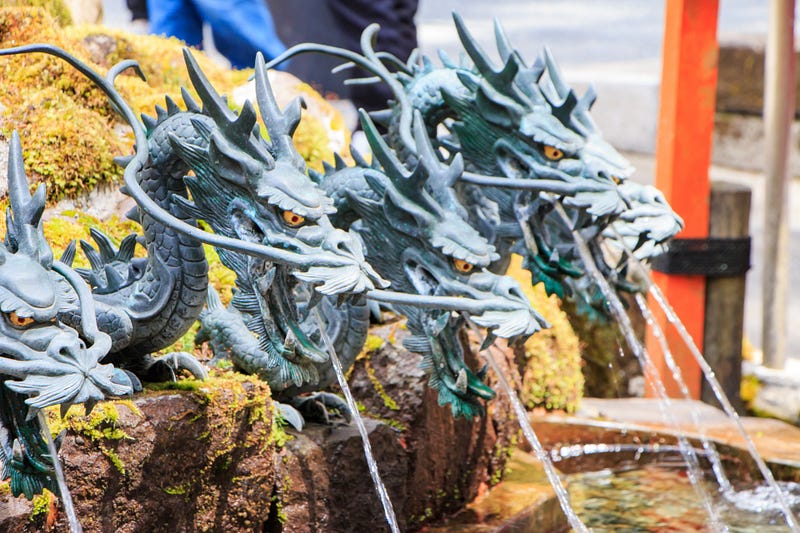
Japanese children grow up with Dragon Ball anime and Pokemon dragon characters. Reconnecting with them at dragon-shaped chōzuya (temizuya) water stands at Shinto shrines — where we ceremonially purify ourselves by cleansing our hands and mouth — offers a sense of tranquility and divine blessing.
While the Dragon is usually worshipped at shrines as a god of water, it’s also a symbol of success and prosperity. This explains why people hope for soaring stock markets and promotions during the Year of the Dragon.
九頭龍神社 (Kuzuryū Jinja Shrine) in Hakone, Kanagawa. Photo from Photo AC.
Shrines Where You Can Meet the Dragon
Whether you are a resident or a visitor to Japan, the following Dragon-related shrines are must-visit attractions this year.
Kuzuryū Jinja Shrine (Kanagawa): If you’re planning a day trip or a quick getaway from Tokyo, the hot spring resort area of Hakone in Kanagawa is an ideal destination. Kuzuryū Jinja is nestled within the bigger shrine of Hakone Jinja along the serene lakeside. You can find the nine dragons at chōzuya and lucky charms embroidered with dragons.
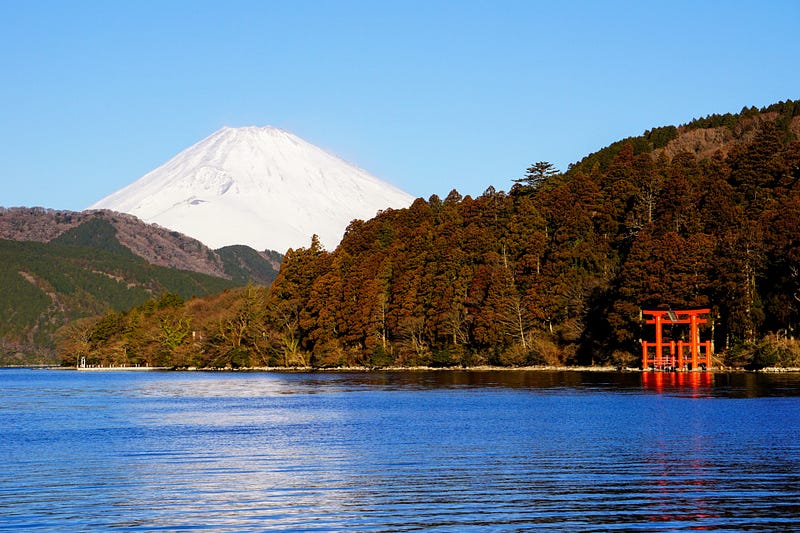
箱根神社 (Hakone Jinja Shrine) in Kanagawa. photo from Photo AC.
高龍神社 (Kōryū Jinja) in Nagaoka, Niigata. Photo by Author.
As you climb the steep stairs (you can take a shortcut up the elevator), you’ll find a relatively small main shrine building. The setting feels unworldly with a spectacular view of mountains, but that’s only the beginning of this shrine’s charm.
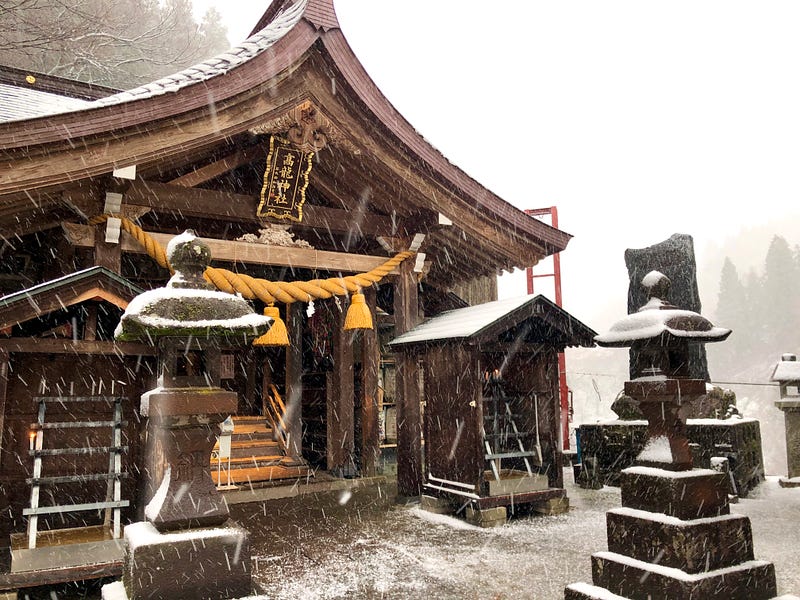
高龍神社 (Kōryū Jinja) in Nagaoka, Niigata. Photo by Author.
Kōryū Jinja Shrine is renowned for bringing financial fortune and business success. When you step into the main building, you’ll notice numerous business cards tucked into the wooden shelves. People flock here to wish for success and leave their cards under the watchful Dragon. Among locals, it’s common to bring colleagues, particularly those in sales careers.
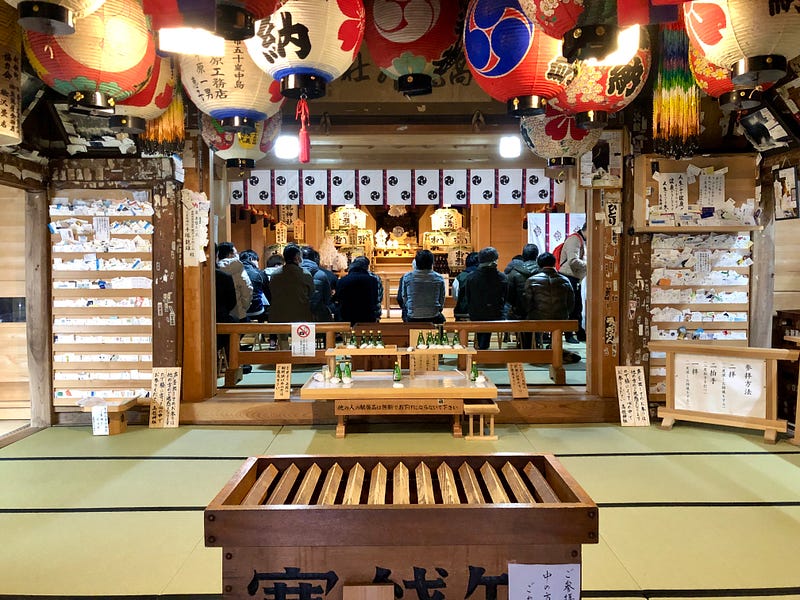
高龍神社 (Kōryū Jinja) in Nagaoka, Niigata. Photo by Author.
Kifune Jinja Shrine (Kyoto): This famous tourist spot worships the Dragon god that controls water, rain, and snow. Underneath the main building of this shrine, a big ryūketsu cave is said to exist, believed to channel energy and safeguard the sanctity of the shrine.
Niukawakami Jinja Shrine (Nara): If you visit Osaka or Nara, taking a detour to this shrine will make your trip even more unforgettable. This shrine dates back over 1300 years, ruling over the power of water with the Dragon. You can buy small dragon-shaped mascots with fortune slips and a real-life ‘Dragon Ball’ to make a wish and toss into the nearby waterfall.
Rediscover Hokuriku and Help Tourist Destinations Around the Earthquake Zone
The shrines above are particularly famous for their worship of the Dragon, but finding Dragon-related spots isn’t difficult across Japan. So let me conclude this article with one last important destination — the Hokuriku region — encompassing the four prefectures of Niigata, Toyama, Ishikawa, and Fukui.
As you probably know, a magnitude 7.6 earthquake struck the Noto Peninsula on New Year’s Day with a death toll surpassing 232 people. Many individuals are still forced to spend sleepless nights in freezing school gyms and sports facilities, grappling with continuing water outages and limited access to healthcare.
As a tourist, you may assume it’s best to avoid the affected Hokuriku region, but that’s the last thing you should do to help their restoration. These prefectures now face severe economic damage. The governor of Toyama reported a staggering 300 million yen ($2 million) loss in just 10 days after the earthquake because of hotel cancellations.¹
Kanazawa, one of the most instagrammable cities in Japan as Little Kyoto, is also seeing a severe plummet in the number of tourists. Located at the base of the Noto Peninsula, physical damage from the earthquake is minimal. But its main tourist attractions including Kenrokuen Garden and Ōmichō Market are seeing a record low number of visitors, causing extreme economic damage. A restaurant owner in Kanazawa claims diners plunged by 90% compared to the pre-earthquake period.²
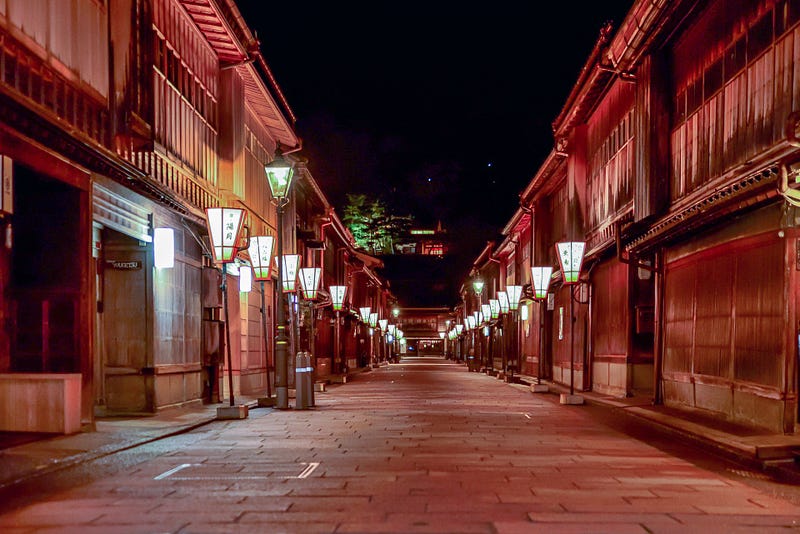
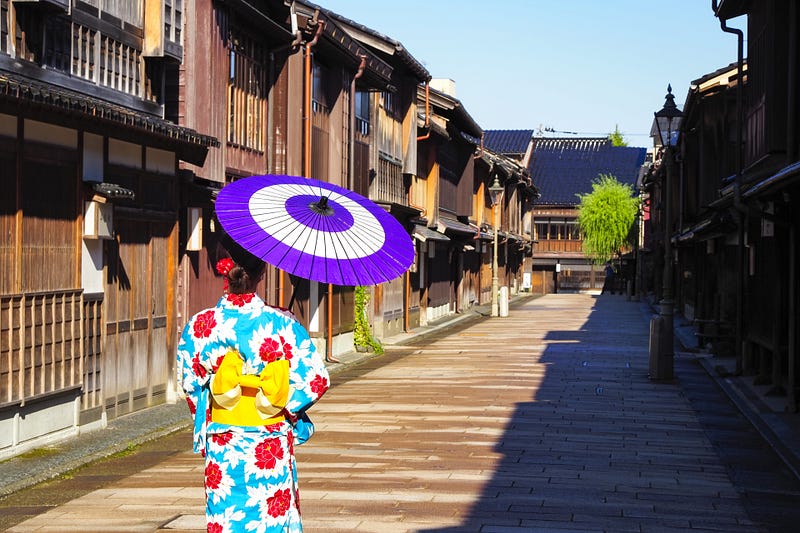
A few facilities such as the 21st Century Museum of Contemporary Art are closed due to renovations, but if you’re heading to the typical draws such as Higashi Chaya District where you can stroll the street of traditional teahouses and neighboring areas including Kenrokuen Garden and Ōmichō Market, there won’t be any earthquake-related problems.
Kanazawa is also proud of having four different kinds of hot springs (Yuwaku Onsen, Saigawakyō Onsen, Kyokusui Onsen, and Fukatani Onsen). After the earthquake, however, hotels in Yuwaku Onsen have seen nearly 400 cancellations despite being over 100 km away from the epicenter. The chairperson of the tourism association implores tourists to come back and enjoy Kanazawa.³
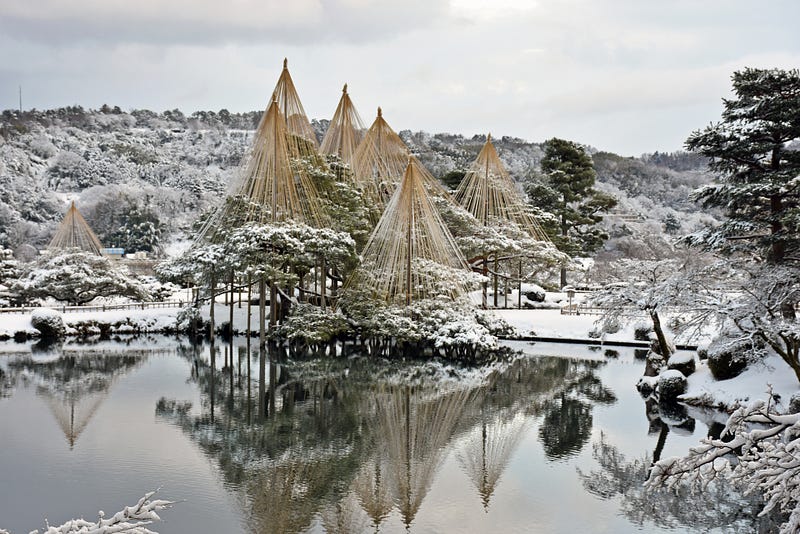
Kenrokuen in Kanzawa, Ishikawa. Photo from Photo AC.
So please rediscover the Hokuriku region and spread the word of how beautiful it is. You can find Dragon-related spots in Kanazawa too. Kanazawa Jinja Shrine, which is next to Kenrokuen Garden, has a great exhibit of a painting of a white snake dragon. Shirayama Hime Jinja Shrine — the head shrine of the Hakusan faith that dates back over two millennia — is also said to be connected to the Dragon. Its tranquil yet spiritual atmosphere deep in the mountains allows visitors to sense the power of the Dragon.
I hope this article has helped you discover your next destination. As a Niigata native, I’ll be regularly returning to Hokuriku to soak in its beauty and contribute to local businesses.
Please follow Japonica and stay tuned for more insights about Hokuriku.