
Journaling Up The Ladder of Life
An effective way to heal, move on, and be productive

Writing is an outlet; a pipeline through which we can send our overwhelmed moments carefully, and sometimes, carelessly chosen syllables, letters, and sounds. When your cup of tolerance is filled to the brim, it ripples and threatens to overflow if you take a step forward, rendering you motionless, keeping you anchored to inertia, making you unable to move on from what tests you.
The use of writing in therapy has been around for years. Therapists often advise clients to keep a journal to spill out their thoughts and emotions. The very act of writing — the brain-to-fingertip signals that allow pouring out our ruminations and introspection — is highly liberating.
Writing is a popular way of freeing one’s mind. Journal-keeping has an unwinding effect on your mind and mental health. I used to be an avid diary-keeper during my adolescence and late teens. As a student, it helped me focus on my studies despite the various crises during adolescence and helped me through a huge chunk of heartbreaks and disappointments. It also allowed me to practice writing every day, eventually being the first step towards storytelling.
Let’s explore a few pros of journaling here.
Journaling helps to organize your thoughts.
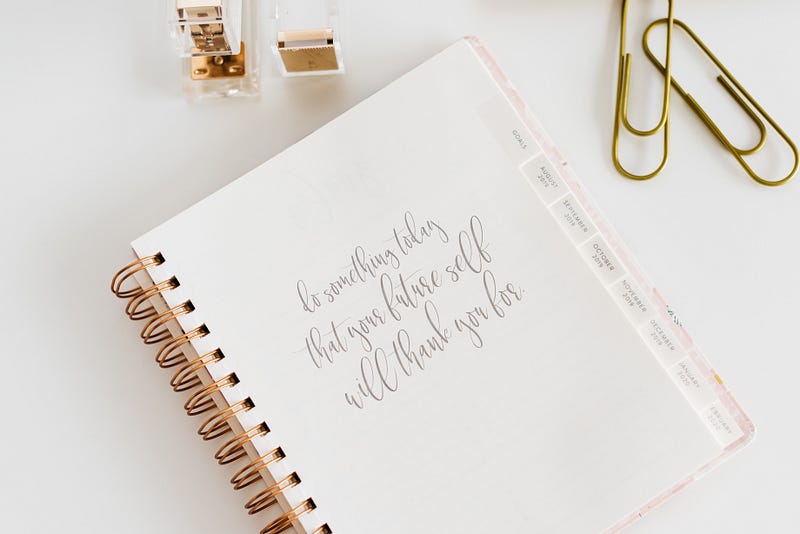
The process of writing is such that it makes our brain work towards organization. To write, we have to make use of several decision-making functions of our brain. We need to perceive what we want to say. We need to examine our vocabulary and choose the right words to express how we feel. And we have to line them up to produce sentences that have clarity. All these happen in seconds.
The organization of thoughts helps to plan better and come up with creative solutions and innovative ideas. It avoids clutter. That gratified feeling you have when you have done the dishes or laundry, cleaned your room or desk, is exactly what you get when you de-clutter your mind, too. And organization is crucial to productivity.
Journaling allows you to vent.
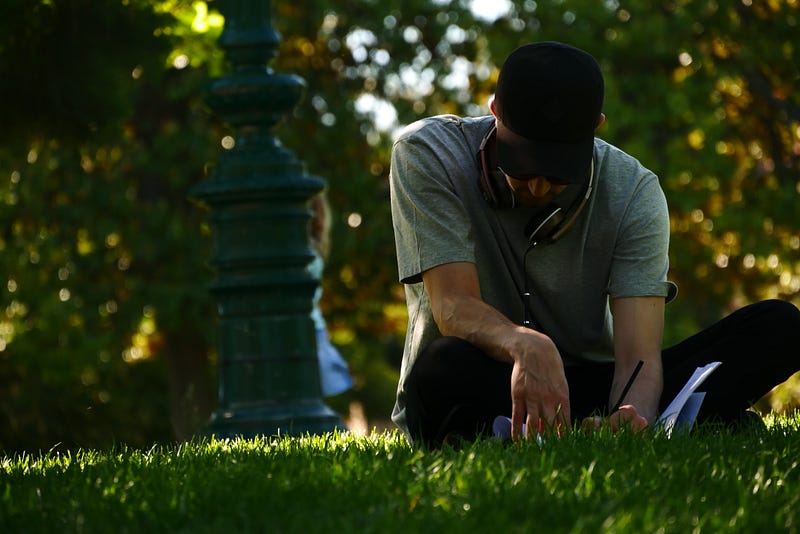
The very reason therapists advise journaling to deal with your emotions — writing things down will refocus your mind and allows you to reconsider your feelings. If something unpleasant happens, when you write it down, just like talking to a friend, you are able to express how you feel about it. The good thing about journaling to feel better is that a notebook will listen to you endlessly and you can vent in any way that you deem effective. It hurts nobody (as long as you keep it hidden). A notebook or journal is also less likely to judge you. However, you may not get a consoling hug back as you would from your best friend. But, ultimately, it is a harmless way to vent and effective, too.
The good thing about journaling to feel better is that a notebook will listen to you endlessly and you can vent in any way that you deem effective.
One efficient way of moving on when you have a handful of regrets or things you want to move on from is to write each concern in a slip of paper and keep them in a jar. Burn a slip every day and tell yourself that the problem is no more as you watch it catch fire and burn into ashes. I burned eleven notebooks from my school days in which I wrote my journal entries when I was going to college. A fresh start was in order.
Research published in the September 2001 issue of APA’s Journal of Experimental Psychology: General (JEP: General) (Vol. 130, No 3), indicates that:
“… expressive writing reduces intrusive and avoidant thoughts about negative events and improves working memory. These improvements, researchers believe, may in turn free up our cognitive resources for other mental activities, including our ability to cope more effectively with stress.”
Journaling promotes mindfulness.
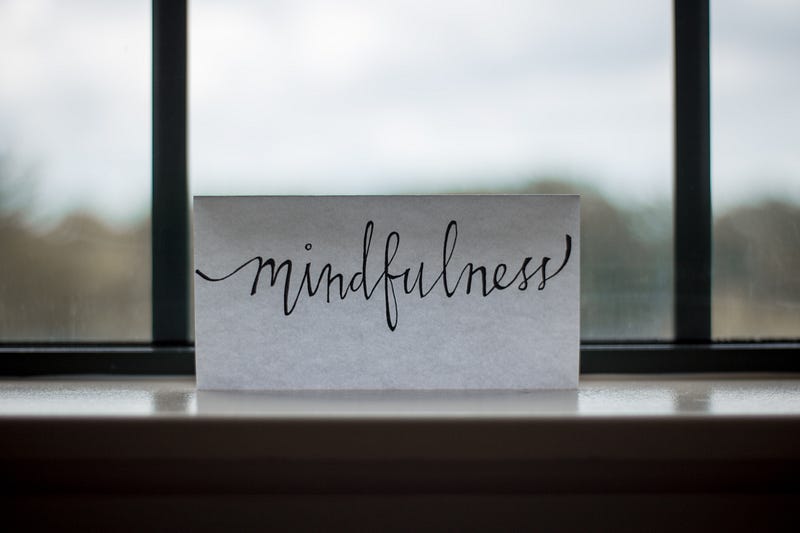
To be aware of yourself, of your dreams and goals and of your conduct — these are necessary to be productive and successful. When you write a day’s matters down, when you put your thoughts into words, mindfulness gets installed without trying much. The very foundation of mindfulness is being connected to your mind — your thoughts, perceptions, and perspectives. The act of penning them down unravels the spools for you.
Write things that may seem silly. Write about what you have to do the next day. Write some musings and philosophical ruminations. Anything you write down is extracting a thought from your mind. When the words appear in front of your eyes, you get a direct glimpse into your mind. To be mindful, you need just that. And that rectifies a lot of things in our day to day life.
The very foundation of mindfulness is being connected to your mind — your thoughts, perceptions and perspectives.
Journaling boosts academic performance.

Students and researchers can benefit immensely from journaling. It helps you free your stressful thoughts and open you up to the academic priorities. Write in your journal before sitting down to read, research or study.
When I was in high school, my first to-do every evening was to write the day out in my journal. I did this before taking out my homework or lessons to read for the next day. I was a class-topper all the way through high school. I was a confused and lonely teenager but way matured and disciplined to get my things done. I believe journaling cleansed my mind off apprehensions and never let them meddle with my academics.
Journaling helps to re-evaluate our life.

When we write about a day, we are revisiting the day’s events. When we write about a stressful event in our life, some trauma or dilemma, we are going back in time. At the moment of strife, in challenging situations, decision-making is more about survival than logic. In the heat of the moment, no decision is really rational and the consequences could be harrying later.
When we write about it, we get a chance to re-examine that moment with more clarity of mind. We are able to explain to ourselves why something happened. We can draw out rational and sensible ways to deal with it. In composure, our minds can make better decisions and fix a lot of things.
Gratitude journals are very popular now for the easy way they help people battling depression and trauma to feel better. Likewise, you can have a journal for something particular — to de-stress, to organize, to count one’s blessing, to stay positive or to elucidate creative ideas.
Journaling is great writing practice.

If you are a writer, you have to write most of the days, if not every day. It doesn’t matter what, but you need to keep penning or typing words down regularly. It doesn’t have to be your work-in-progress or a piece to publish always. Some days, writing is indeed tougher than other days.
Taking the pen and your journal and spilling out your thoughts can help you get the writing muscles working — not the hand, but of your mind. Freeing your mind unleashes creativity and productivity and this is a necessary step to stay in writing. With a lot going on in the mind, it is hard to focus on the topic you want to write about. Unwind with some journaling to free some space up in the head. You can talk about anything and exercise the writing brain, not necessarily your problems.
Tailpiece:
Journaling is a healthy way to express, vent, organize and re-evaluate matters of the mind. For the day-to-day unloading, it is a good habit to practice.
However, journaling is not a replacement for professional therapy. If you are clinically diagnosed with depression or any other mood disorders, you should always seek help from professional counselors. Journaling is a great addition to therapy, whether they advise it or not.
To write is to spill. Writing is like tipping a brimmed cup of blood to let out some of it so that you don’t spill it and mess up your life when trying to move forward.
Tip that brimming cup a bit, let some of the simmering fluid out, walk forward. Let it out every now and then, so that you get comfortable with it and master the art of moving on and taking things with a cup that has space for more, the art of giving, living and loving.
Sana Rose was shortlisted for the ARL Literary Awards 2018 under Best Author category for her debut novel ‘Sandcastles’. She is a Homeopathic Physician and holds an M.Sc. in Applied Psychology majoring in Counseling Psychology. She is an art enthusiast dabbling with brushes and paints when not writing. She also works as a freelance content writer. She runs the blog The Writeous Way intended to mentor aspiring writers. Sana lives in Calicut, Kerala (India) with her husband and daughter.