
John Artis’s Life Victimized by the Racist Court System
How injustices toward two Black men ensued in spite of two thieves recanted statements
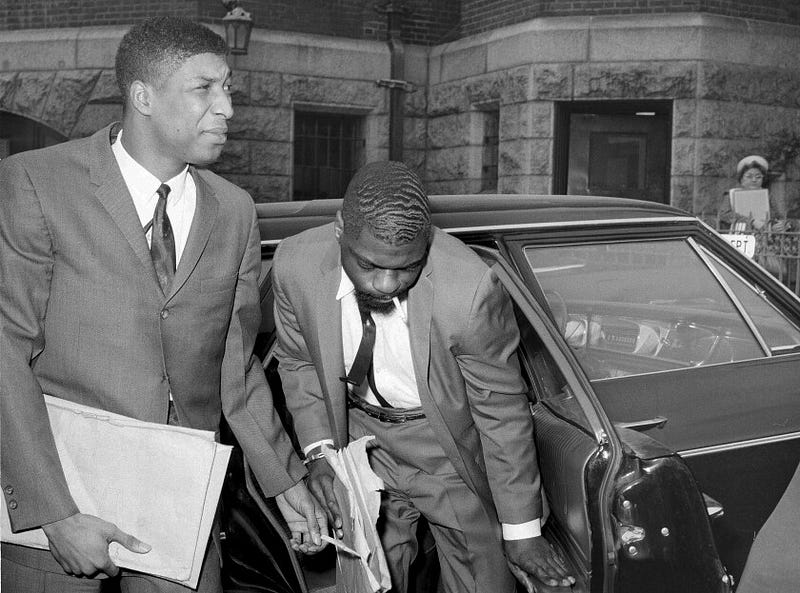
John Artis suffered at the hands of America’s injustice system as his only crime was being born Black in a world that persecute people based on the color of their skin. He died November 7, 2021 and was 75 years old at his home in Hampton, Virginia.
John Artis was wrongfully convicted along with boxer Rubin “Hurricane” Carter of a triple murder case made famous in a 1975 song by Bob Dyland and a 1999 film starring Denzel Washington. Both events brought much attention to the injustices against these two men.
Artis and Carter were convicted in a 1966 slaying at a Paterson, New Jersey bar where the three victims were white and the witnesses claimed it was two Black men who shot them. Ha!! Carter and Artis were it!! This was an atrocity!!!
John Artis and Rubin Carter took lie detector tests and passed them but was were convicted and sentenced to three life terms after being convicted by an all-white jury.
Not surprisingly, these men were convicted only on the testimonies of two thieves who later recanted their stories. Bob Dylan being aware of Carter’s plight after reading his boxing autobiography, met with Carter and work on the song “Hurricane” that he later performed on his Rolling Thunder Revue tour in 1975.
Two Black men passed the lie detector tests, two thieves testified they lied on these two Black men, yet they were sentenced in court. If they were white this would be a different story. How many years must this story repeat? America has much blood on its hand and the bloodstains are increasing on a daily and at an alarming rate. Soon America will drown in its own blood if it continues these atrocities against people of color.
After years and years of what seemed like endless appeals and advocacy, along with the support of Muhammad Ali who was very familiar with the injustices that lay at the soul of America as he, also, was incarcerated unjustly. Had Muhammad Ali been white his story of incarceration would not have existed.
Along with other celebrities’ advocacy and support , both men were released. John Artis was paroled in 1981. All of this attention went toward Hurricane Carter and John Artis was like the forgotten man in the case.
Carter often referred to Artis as his hero because he turned down an offer for a reduced prison term to implicate Carter in the killings. He was promised a lot of things along with his freedom but he did not budge for they were innocent. He remained steadfast saying, “I’m not lying. We didn’t do it, we weren’t there, and I’m not going to get involved in any of that.”
According to the news media, “ In 1985, U.S. District Judge H. Lee Sarokin threw out the convictions, writing that the prosecution had been “predicated upon an appeal to racism rather than reason, and concealment rather than disclosure.”
Artis and Carter remained close friends until Carter’s death in 2014. After Artis’s release, he returned to his hometown and worked as a counselor for inmates at the Norfolk Juvenile Detention Center.
Being a victim of the penal system and being aware of all of its injustices especially against people of color, he volunteered and worked on wrongful-conviction cases in the U.S. and Canada.
In conclusion, for hundreds of years, people of color have been wrongfully incarcerated because the penal system is a big business sucking the life out of people of color. Greed is a pandemic in America and the penal system, alike. It used to be if you do the crime, you do the time? Now it’s, if you are black, we got your back for jail.
For additional reads: