avatarDiane Neill Tincher

Free AI web copilot to create summaries, insights and extended knowledge, download it at here

2350

Abstract

://cdn-images-1.readmedium.com/v2/resize:fit:800/1*OTZm3wXMTN9s7kxCoACYqQ.jpeg"><figcaption>Ta no Kami collection at the Kishimoshin Shrine. Kobayashi, Miyazaki.</figcaption></figure><h1 id="815c">Special Treatment</h1><p id="46de">In some communities, farming families still take turns honoring their <i>Ta no Kami</i> by carefully applying makeup-like paint, providing the god with delicious food and drink, and keeping them in the place of honor in their <i>tokonoma</i>, the alcove in Japanese houses set aside for seasonal decorations.</p><p id="88e5">Some <i>Ta no Kami</i> are brought along to community Hanami, flower viewing parties, where they join in with the festivities, being offered food and plenty of shochu, the local spirit distilled from sweet potatoes.</p><figure id="d740"><img src="https://cdn-images-1.readmedium.com/v2/resize:fit:800/1*WofZw0IGg83yr8yQl0Dhog.jpeg"><figcaption>A happy elderly Ta no Kami couple, dancing in the shade beside fields. Aira, Kagoshima.</figcaption></figure><h1 id="7e12">Thievery</h1><p id="a37d">Years ago, when a new rice field was created, the farmer would search out the most productive rice field in their area, and he would steal — or rather, borrow—its obviously powerful <i>Ta no Kami</i> and place it by his new field.</p><p id="fa2d">If he were to keep it for more than three years his crops would fail, so before then, the <i>Ta no Kami</i> would be returned to its original field accompanied by music, a parade, gifts of rice, shochu, and/or chickens, and great festivities.</p><figure id="3416"><img src="https://cdn-images-1.readmedium.com/v2/resize:fit:800/1*-0WqGRWH7-ZLkkzRlnK1_Q.jpeg"><figcaption>Ta no Kami dating from 1722. A Buddhist monk with Chinese shi-shi lion guardians under its feet. This unique statue was well-preserved due to having been painted once a year with red iron oxide, a tradition that continues to this day. Kobayashi, Miyazaki.</figcaption></figure><h1 id="c057">Festivals</h1><p id="1d39"><i>Ta no Kami</i> have traditionally been honored during several festivals: the beginning of the year festival, sluice gate opening when the fields are flooded, rice planting, protection of crops during the summer, and finally, the autumn harvest festival.</p><figure id="9d91"><img src="https://cdn-images-1.readmedium.com/v2/resize:fit:800/1*0wGBFIXbQR_URmmpLG7n

Options

qA.jpeg"><figcaption>Ta no Kami holding bells. Koriyama, Kagoshima.</figcaption></figure><p id="2a04">After the harvest festival, the rice field gods return to the mountains as mountain gods, where they hunker down during the cold winter months.</p><figure id="b195"><img src="https://cdn-images-1.readmedium.com/v2/resize:fit:800/1*8q7EyBkCX239jjDJ6-m8wQ.jpeg"><figcaption>Mountain God monument. Aira, Kagoshima.</figcaption></figure><p id="6988">If you get the chance to visit southern Kyushu, why not make some time to hunt for <i>Ta no Kami </i>statues? The variety and playfulness of the images are delightful!</p><p id="cea9"><i>Photos ©Diane Neill Tincher</i></p><p id="1d5d">If you would like to join Medium to get access to unlimited stories, using the link below will provide me with a small commission at no extra cost to you. Thank you!</p><div id="19b1" class="link-block"> <a href="https://diane-japan.medium.com/membership"> <div> <div> <h2>Join Medium with my referral link - Diane Neill Tincher</h2> <div><h3>As a Medium member, a portion of your membership fee goes to writers you read, and you get full access to every story…</h3></div> <div><p>diane-japan.medium.com</p></div> </div> <div> <div style="background-image: url(https://miro.readmedium.com/v2/resize:fit:320/0*wUcTiQze0KyqmXPw)"></div> </div> </div> </a> </div><h2 id="e3ae">Sources:</h2><p id="bca7">図説民俗探訪事典 compiled by 大島 暁雄, pages 149, 150, 181–184;<a href="https://ebino-kankou.com/whats-tanokansaa">えびの市観光公式サイト</a><a href="https://kotobank.jp/word/%E7%94%B0%E3%81%AE%E7%A5%9E-94011#E3.83.87.E3.82.B8.E3.82.BF.E3.83.AB.E5.A4.A7.E8.BE.9E.E6.B3.89">コトバンク田の神</a>, 山の神;<a href="https://ja.wikipedia.org/wiki/%E7%94%B0%E3%81%AE%E7%A5%9E">ウィキペディア — 田の神</a>; <a href="https://www.sci.kagoshima-u.ac.jp/oyo/stone.html">鹿児島と石の文化</a>.</p><p id="aaba"><i>If you have questions about Japan or suggestions for articles, please add them in the comments. For more photos and information on Japan, follow me on Instagram at: <a href="https://www.instagram.com/more_than_tokyo/"></a></i><a href="https://www.instagram.com/more_than_tokyo/">https://www.instagram.com/more_than_tokyo/</a></p></article></body>

JAPANESE CULTURE AND TRADITIONS

Japan’s Rice Field God Statues offer a Window into the Past

The Ta no Kami of Southern Kyushu

Ta no Kami, or rice field gods, are a unique treasure of southern Kyushu. They can be found by rice fields, or sometimes on the grounds of shrines where they’ve been moved when their fields have been overtaken by developments.
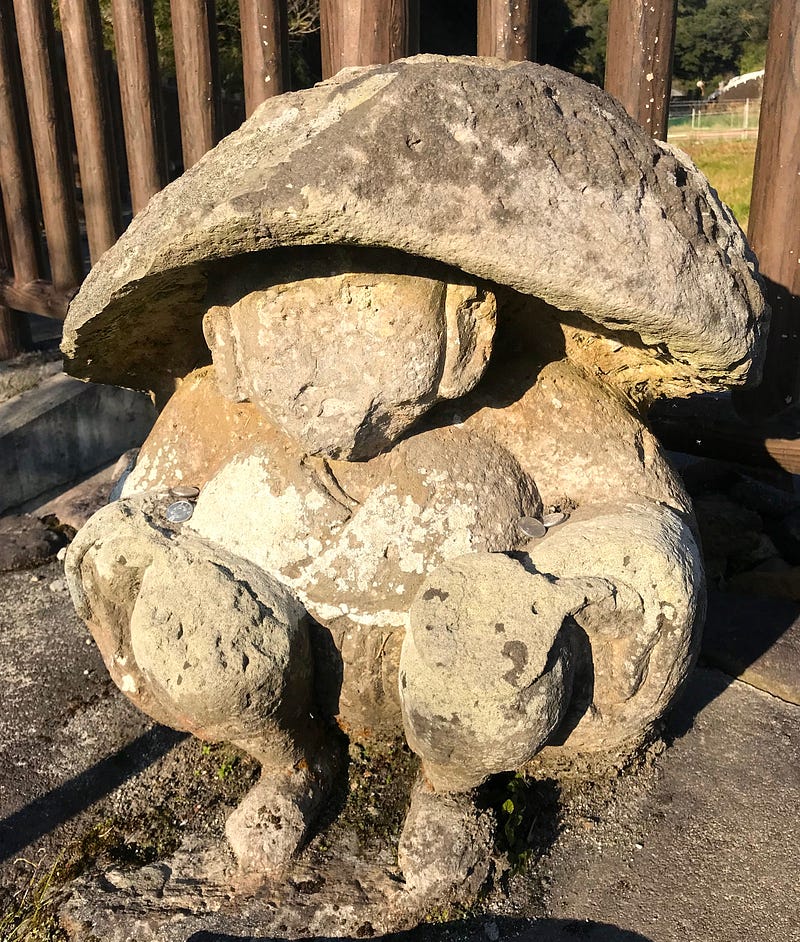
Ta no Kami squatting by rice fields. Minayoshi, Kagoshima.

Throughout the rest of Japan, there are no specific Ta no Kami statues. The gods of agriculture, farming, and peasants are honored by placing a stick, a stone, or a flower near rice paddies. In contrast, the people of southern Kyushu have been crafting stone statues of rice field gods, which they affectionately call Ta no Kan-saa, since the beginning of the 18th century.
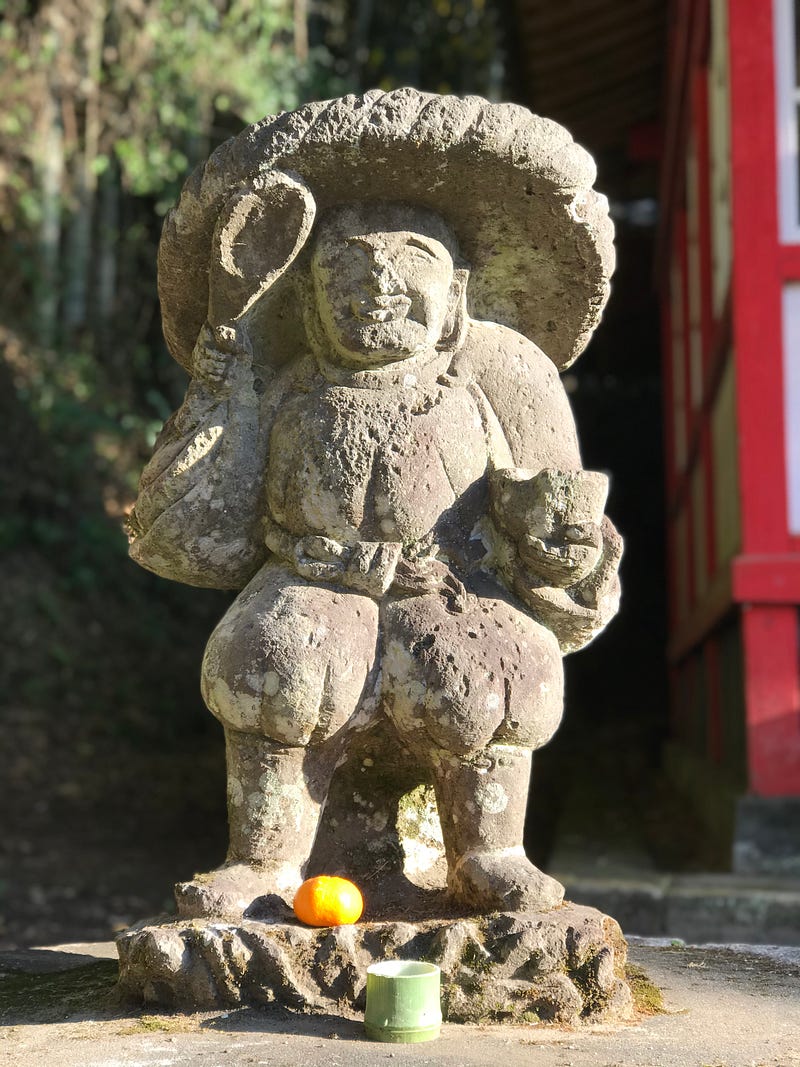
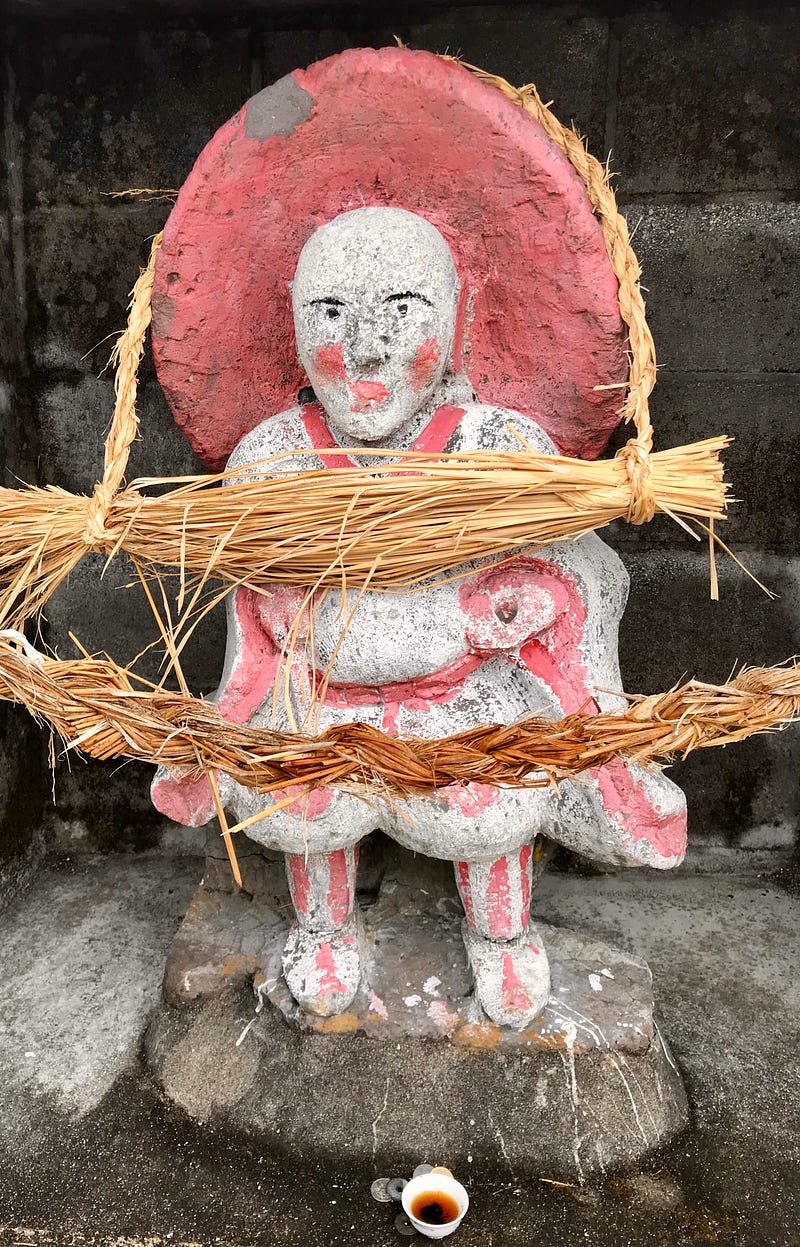
Left: Ta no Kami, dating from 1733, kept at a local shrine, with round hat, rice scooper, and bowl. Minayoshi, Kagoshima. Right: Ta no Kami decorated with Shimenawa sacred rope and a straw bundle filled with sekihan, a celebratory dish of rice and red beans. Sendai, Kagoshima.

Why Only in Southern Kyushu?

Growing rice in the volcanic soil of southern Kyushu has always been a challenging task, yet people needed to eat and taxes needed to be paid in rice. Seeking help from the gods, artisans carved Ta no Kami out of welded tuff, a type of stone formed by very hot, compressed volcanic ash.

The statues they created include a wide range of characters: bald Buddhist monks or Jizo, Shinto priests with distinctive long sleeves, or even peasants wearing big round hats — standing, seated, or playfully dancing — and often holding a bamboo rice scooper and bowl.
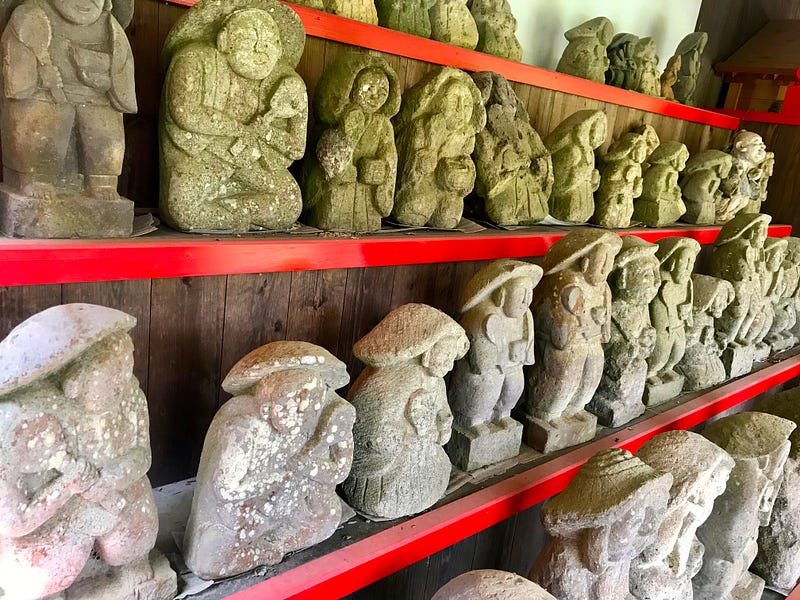
Ta no Kami collection at the Kishimoshin Shrine. Kobayashi, Miyazaki.

Special Treatment

In some communities, farming families still take turns honoring their Ta no Kami by carefully applying makeup-like paint, providing the god with delicious food and drink, and keeping them in the place of honor in their tokonoma, the alcove in Japanese houses set aside for seasonal decorations.

Some Ta no Kami are brought along to community Hanami, flower viewing parties, where they join in with the festivities, being offered food and plenty of shochu, the local spirit distilled from sweet potatoes.
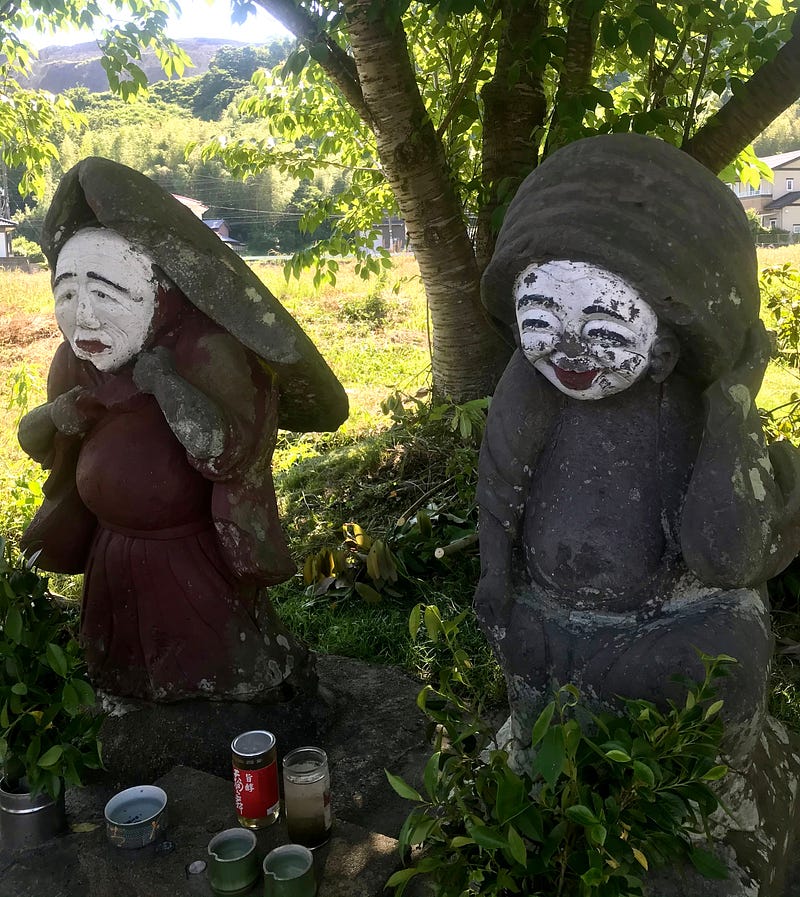
A happy elderly Ta no Kami couple, dancing in the shade beside fields. Aira, Kagoshima.

Thievery

Years ago, when a new rice field was created, the farmer would search out the most productive rice field in their area, and he would steal — or rather, borrow—its obviously powerful Ta no Kami and place it by his new field.

If he were to keep it for more than three years his crops would fail, so before then, the Ta no Kami would be returned to its original field accompanied by music, a parade, gifts of rice, shochu, and/or chickens, and great festivities.
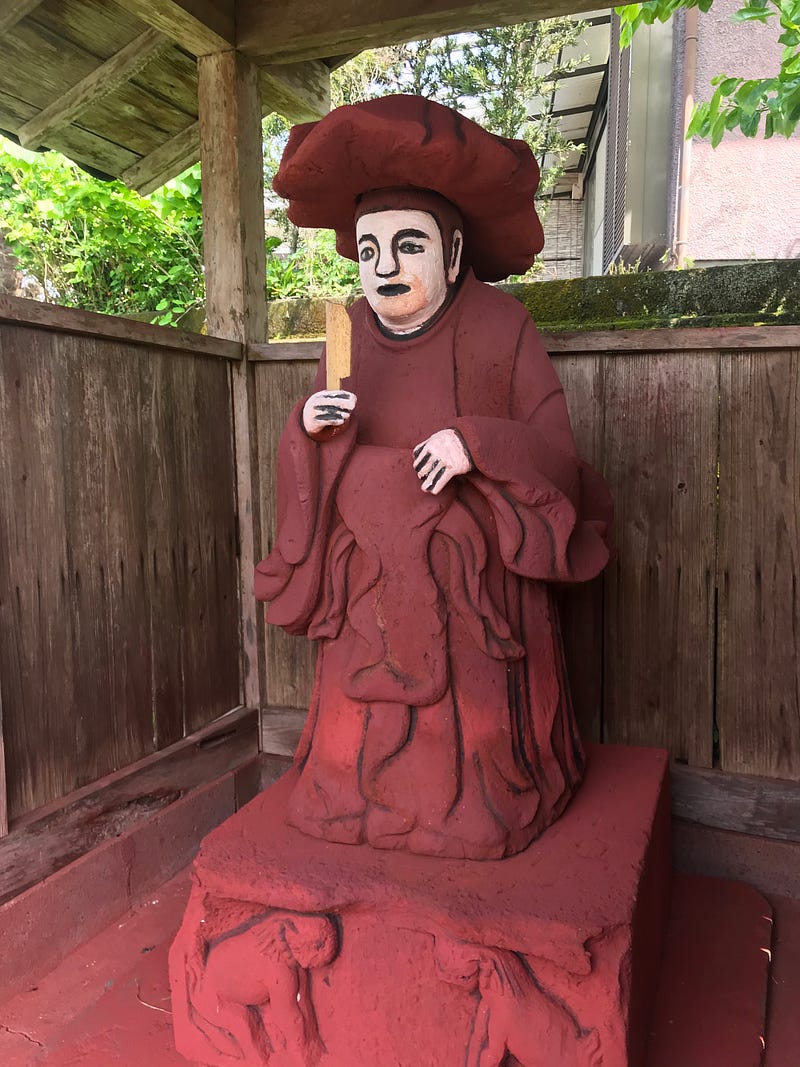
Ta no Kami dating from 1722. A Buddhist monk with Chinese shi-shi lion guardians under its feet. This unique statue was well-preserved due to having been painted once a year with red iron oxide, a tradition that continues to this day. Kobayashi, Miyazaki.

Festivals

Ta no Kami have traditionally been honored during several festivals: the beginning of the year festival, sluice gate opening when the fields are flooded, rice planting, protection of crops during the summer, and finally, the autumn harvest festival.
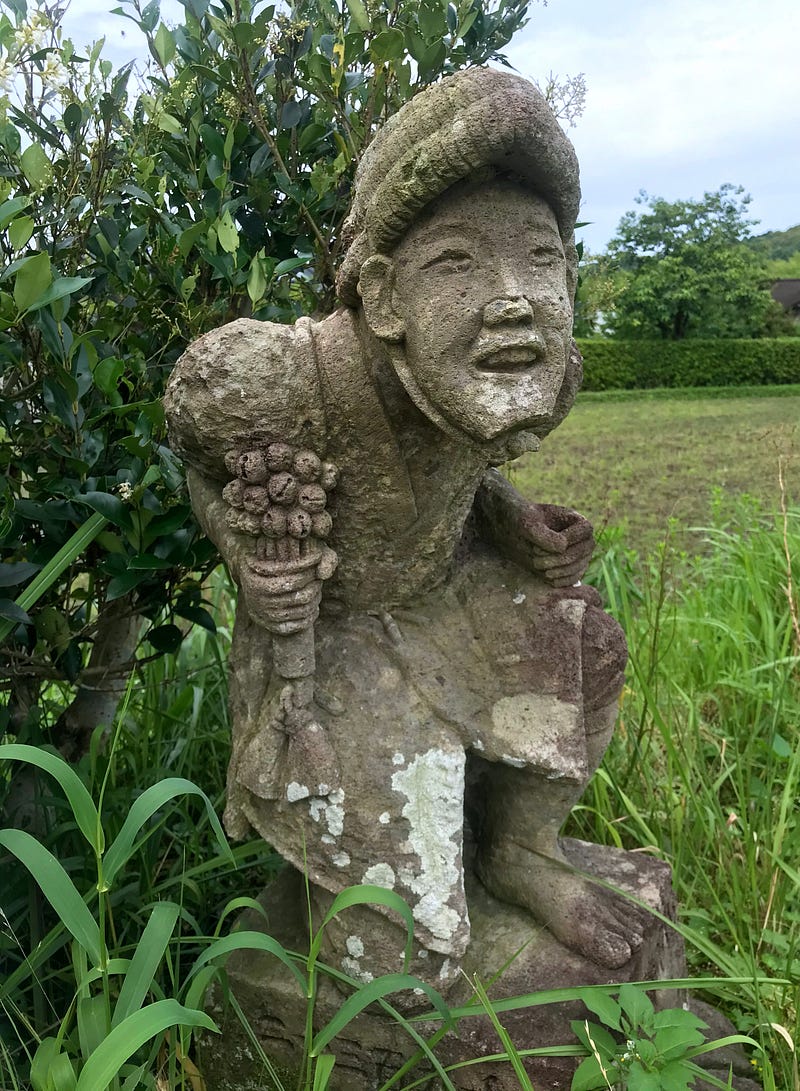
Ta no Kami holding bells. Koriyama, Kagoshima.

After the harvest festival, the rice field gods return to the mountains as mountain gods, where they hunker down during the cold winter months.
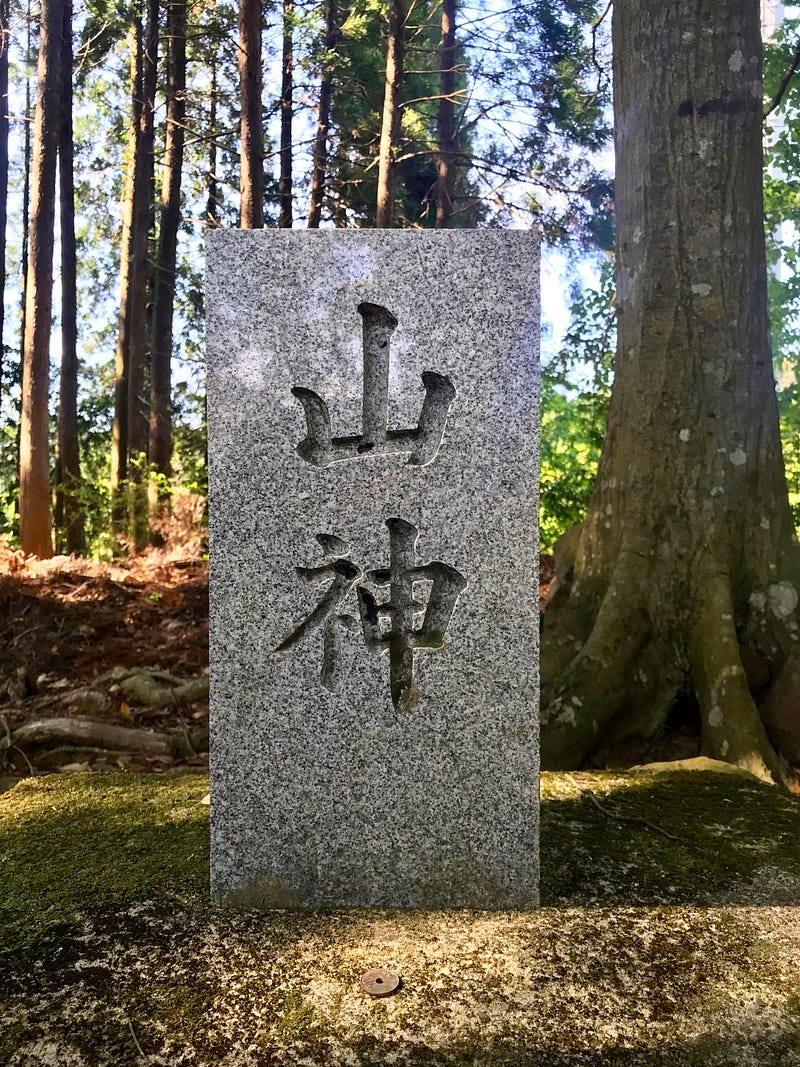
Mountain God monument. Aira, Kagoshima.

If you get the chance to visit southern Kyushu, why not make some time to hunt for Ta no Kami statues? The variety and playfulness of the images are delightful!

Photos ©Diane Neill Tincher

If you would like to join Medium to get access to unlimited stories, using the link below will provide me with a small commission at no extra cost to you. Thank you!

Sources:

図説民俗探訪事典 compiled by 大島 暁雄, pages 149, 150, 181–184;えびの市観光公式サイトコトバンク田の神, 山の神;ウィキペディア — 田の神; 鹿児島と石の文化.

If you have questions about Japan or suggestions for articles, please add them in the comments. For more photos and information on Japan, follow me on Instagram at: https://www.instagram.com/more_than_tokyo/

Japan
Japanese History
Japanese Culture
Japan Travel
Japanese Customs
Recommended from ReadMedium