
Could This Quote Be Silencing a Suffering Society?
Disclaimer: This article is solely for informational purposes and represents the writer’s personal opinion. Please seek professional advice if required.
We have made huge strides in breaking down the stigmas surrounding mental health. This is fantastic when you consider the prevalence of mental illness, particularly in the wake of the pandemic.
So what is with the relentless encouragement to cut negative people out of our lives without so much as a backward glance?
I have suffered from bouts of depression and anxiety since my early teens. I view life through lenses that are more grey than rose-tinted. I’ve had therapy in the past and I’m taking medication that suppresses the majority of the negative thoughts that would otherwise prevent me from living a normal life.
“It’s OK not to be OK” / “Stay away from negative people; they have a problem for every solution”
These are completely contradictory statements, yet we are bombarded with iterations of both on social media every day. Which one is it? Is it really OK not to be OK? Or should we attempt/continue to isolate ourselves to shelter those around us from our negativity?
“Surround yourself with people who feel like sunlight”.
What if you don’t feel like sunlight, though? Sure, I have the odd occasion when my cup runneth over with gratitude and I practically ooze positivity from my pores. More often than not, though, I can be likened to an overcast day. No storms forecast, but little chance of the sun breaking through to warm the bones of those around me. I’ll never be described as somebody with a sunny disposition.
One of the main reasons I tend not to talk about my feelings is that I don’t like to overburden people. I may not be a ray of sunshine but I would never want to be someone’s rain cloud, either.
Some may argue that I’m taking the ‘negative people’ quotes too literally. They could be right. Yet when you are suffering from a mental illness, your faculties are diminished, leaving you vulnerable to misinterpret things that you read.
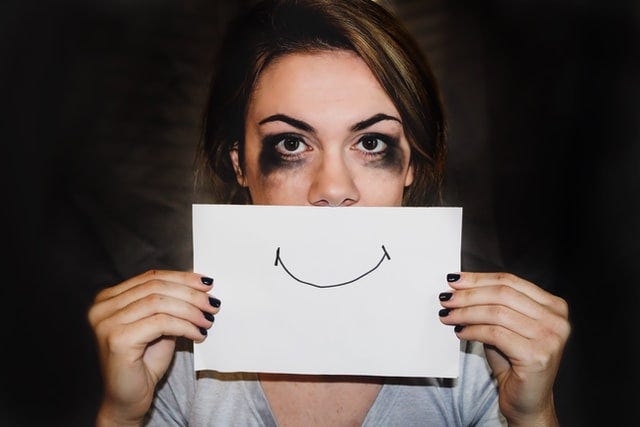
Someone who is suffering may be hesitant to talk about their feelings. Quotes like this may discourage them further, lest they be perceived as the ‘negative person’ of their friend group and swiftly cut off in the name of #GoodVibesOnly.
I would love to read your thoughts. Are they harmless, or is the ambiguity and toxic positivity interwoven in these quotes damaging to the fight against mental illness?


