avatarOlivia Love

Free AI web copilot to create summaries, insights and extended knowledge, download it at here

3703

Abstract

="c0c6">Cannabis plants that have been bred specifically for high potency currently can have a THC potency exceeding 20% or even 30%, far higher ratios of the psychoactive compounds found in cannabis plants of yesteryear.</p><div id="c436" class="link-block"> <a href="https://readmedium.com/did-ancient-buddhists-use-substances-4456130523c9"> <div> <div> <h2>Did Ancient Buddhists Use Substances?</h2> <div><h3>A Hidden History Reveals Possible Secrets Regarding the Use of Substances in Buddhism</h3></div> <div><p>medium.com</p></div> </div> <div> <div style="background-image: url(https://miro.readmedium.com/v2/resize:fit:320/1*[email protected])"></div> </div> </div> </a> </div><p id="9ed1">Selective breeding techniques focus on isolating and amplifying desirable traits, such as potency, flavor, aroma, and cannabinoid profiles. As a result, modern cannabis cultivars and varieties have been bred to maximize THC content. This aggressive breeding strategy often increases THC ratios at the expense of other cannabinoids like CBD (cannabidiol) and terpenes.</p><p id="bad5">While high-THC strains may appeal to recreational users seeking intense psychoactive effects, they may also pose risks, especially for novice users or individuals sensitive to THC. High-THC cannabis can potentially increase the likelihood of adverse effects such as anxiety, paranoia, cognitive impairment, and dependency.</p><p id="dd4c">Furthermore, the surge in THC potency has raised concerns about cannabis use disorder and the potential for addiction, particularly among vulnerable populations. Products with exceptionally high THC profiles may leave consumers more prone to addiction and unhealthy responses to the product. (Stuyt, 2018)</p><p id="903b">While cannabis is emerging in the national and global green wave (the legalization and decriminalization of cannabis), consumers must use discretion and be cautious to source products that have clear dosages and certificates of analysis (COA). It is recommended to buy full spectrum cannabis products and start slow and low in terms of dosages and product potency. A word of caution given by journalist Backman is that products with higher THC concentrations have been linked to an increase in cannabis addictions. (Backman, 2023).</p><p id="69ae">Other research also supports that there is a correlation not only between the THC potency of cannabis and addictions, but also between THC potency and rates of psychosis. Anecdotally, I have also heard first-hand from a friend who had tried the famous “Rick Simpson Oil” (RSO) and found its potency so debilitating that the experience had cautioned them away from experimenting with the plant entirely. While some people may find products high in THC to be medicinal and/or therapeutic, for other people, cannabis with lower THC profiles and more balanced profiles are preferable.</p><p id="33c1">As an advocate of working with substances, particularly naturally allies that humans have co-evolved with, intentionally, I must echo in the caution expressed by many concerned citizens, including scientists, journalists, and others, that while cannabis has a number of exceptional therapeutic and medicinal benefits, it behooves anyone working with the substance to proceed with caution. Be discerning with what products you buy and consume. Always be willing to re-evaluate what may work or not work for you.</p><div id="461e" class="link-block"> <a href="https://readmedium.com/can-psychedelics-and-plant-medicines-he

Options

lp-you-manage-pain-and-inflammation-120440651379"> <div> <div> <h2>Can Psychedelics and Plant Medicines Help You Manage Pain and Inflammation?</h2> <div><h3>Emerging evidence suggests that psychedelics and plant medicines can help with inflammation and pain management.</h3></div> <div><p>medium.com</p></div> </div> <div> <div style="background-image: url(https://miro.readmedium.com/v2/resize:fit:320/1*[email protected])"></div> </div> </div> </a> </div><div id="e842" class="link-block"> <a href="https://healinglivmama.medium.com/public-figures-changing-the-tides-regarding-public-perceptions-of-plant-medicines-e62460cbab11"> <div> <div> <h2>Public Figures Changing the Tides Regarding Public Perceptions of Plant Medicines</h2> <div><h3>The Greenwave and Psychedelic Renaissance Have Arrived </h3></div> <div><p>healinglivmama.medium.com</p></div> </div> <div> <div style="background-image: url(https://miro.readmedium.com/v2/resize:fit:320/1*[email protected])"></div> </div> </div> </a> </div><p id="6327">Disclaimer: The above is intended for informational and educational purposes only and not to be intended as medical advice.</p><p id="3c3e"><b>References</b>:</p><p id="a781">Backman, Isabella. (2023). “Not Your Grandmother’s Marijuana: Rising THC Concentrations in Cannabis Can Pose Devastating Health Risks.” Yale School of Medicine. Retrieved from <a href="https://medicine.yale.edu/news-article/not-your-grandmothers-marijuana-rising-thc-concentrations-in-cannabis-can-pose-devastating-health-risks/">https://medicine.yale.edu/news-article/not-your-grandmothers-marijuana-rising-thc-concentrations-in-cannabis-can-pose-devastating-health-risks/</a></p><p id="675f">Stuyt E. (2018). The Problem with the Current High Potency THC Marijuana from the Perspective of an Addiction Psychiatrist. Missouri medicine, 115(6), 482 — 486. Retrieved from <a href="https://www.ncbi.nlm.nih.gov/pmc/articles/PMC6312155/">https://www.ncbi.nlm.nih.gov/pmc/articles/PMC6312155/</a></p><p id="5722">If you find my writing helpful, please support me and <a href="https://buymeacoffee.com/healinglivmama">buy me a coffee</a>!</p><div id="9ab2" class="link-block"> <a href="https://buymeacoffee.com/healinglivmama"> <div> <div> <h2>Olivia Love</h2> <div><h3>Holistic health and wellness coach and advocate. Self-published author.</h3></div> <div><p>buymeacoffee.com</p></div> </div> <div> <div style="background-image: url(https://miro.readmedium.com/v2/resize:fit:320/0*k5cI-YqSOh1Cm_jh)"></div> </div> </div> </a> </div><div id="d362" class="link-block"> <a href="https://linktr.ee/healinglivmama"> <div> <div> <h2>transformational health coach and earth medicine advocate | Linktree</h2> <div><h3>In-person and remote counseling on spiritual, transformational, and holistic health and healing</h3></div> <div><p>linktr.ee</p></div> </div> <div> <div style="background-image: url(https://miro.readmedium.com/v2/resize:fit:320/0*bDddnQ_C9FTCcWQ6.jpg)"></div> </div> </div> </a> </div></article></body>

Is the THC Content in Cannabis Unnaturally High These Days?

A reader inquired this with me, and what I meant by “unnatural.” You decide.
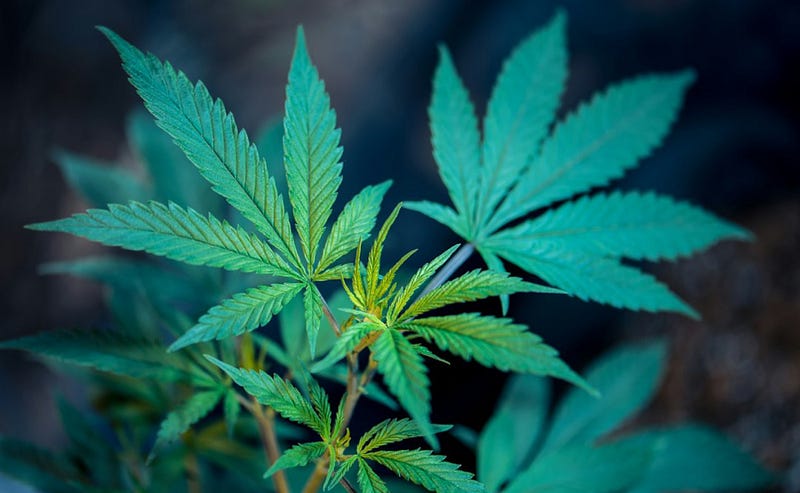
Photo by Roberto Valdivia on Unsplash

The THC (tetrahydrocannabinol) content of cannabis plants has increased significantly over the past several decades due to selective breeding and hybridization practices.

While many concerned citizens proclaim that the THC in cannabis plants these days is “unnaturally high,” the increase in the potency of THC is not necessarily “unnatural” but rather a result of ongoing, strategic human intervention geared toward producing cannabis strains with higher levels of THC. Nonetheless, it is important to recognize that today’s cannabis plants and products often has much stronger concentrations of THC and thus much more intense psychoactive properties than cannabis in the past have contained.

Historically, cannabis plants typically contained lower levels of THC, often below 5%. So when people say that today’s cannabis is “not your 70’s cannabis” in terms of potency, this is legitimate and accurate. Due to advancements in cultivation techniques and a desire brought by the market — by both growers and consumers — to produce stronger psychoactive effects, breeders have developed strains with much higher THC concentrations. This also means that today’s consumer needs to apply discretion and proceed with caution.

Cannabis plants that have been bred specifically for high potency currently can have a THC potency exceeding 20% or even 30%, far higher ratios of the psychoactive compounds found in cannabis plants of yesteryear.

Selective breeding techniques focus on isolating and amplifying desirable traits, such as potency, flavor, aroma, and cannabinoid profiles. As a result, modern cannabis cultivars and varieties have been bred to maximize THC content. This aggressive breeding strategy often increases THC ratios at the expense of other cannabinoids like CBD (cannabidiol) and terpenes.

While high-THC strains may appeal to recreational users seeking intense psychoactive effects, they may also pose risks, especially for novice users or individuals sensitive to THC. High-THC cannabis can potentially increase the likelihood of adverse effects such as anxiety, paranoia, cognitive impairment, and dependency.

Furthermore, the surge in THC potency has raised concerns about cannabis use disorder and the potential for addiction, particularly among vulnerable populations. Products with exceptionally high THC profiles may leave consumers more prone to addiction and unhealthy responses to the product. (Stuyt, 2018)

While cannabis is emerging in the national and global green wave (the legalization and decriminalization of cannabis), consumers must use discretion and be cautious to source products that have clear dosages and certificates of analysis (COA). It is recommended to buy full spectrum cannabis products and start slow and low in terms of dosages and product potency. A word of caution given by journalist Backman is that products with higher THC concentrations have been linked to an increase in cannabis addictions. (Backman, 2023).

Other research also supports that there is a correlation not only between the THC potency of cannabis and addictions, but also between THC potency and rates of psychosis. Anecdotally, I have also heard first-hand from a friend who had tried the famous “Rick Simpson Oil” (RSO) and found its potency so debilitating that the experience had cautioned them away from experimenting with the plant entirely. While some people may find products high in THC to be medicinal and/or therapeutic, for other people, cannabis with lower THC profiles and more balanced profiles are preferable.

As an advocate of working with substances, particularly naturally allies that humans have co-evolved with, intentionally, I must echo in the caution expressed by many concerned citizens, including scientists, journalists, and others, that while cannabis has a number of exceptional therapeutic and medicinal benefits, it behooves anyone working with the substance to proceed with caution. Be discerning with what products you buy and consume. Always be willing to re-evaluate what may work or not work for you.

Disclaimer: The above is intended for informational and educational purposes only and not to be intended as medical advice.

References:

Backman, Isabella. (2023). “Not Your Grandmother’s Marijuana: Rising THC Concentrations in Cannabis Can Pose Devastating Health Risks.” Yale School of Medicine. Retrieved from https://medicine.yale.edu/news-article/not-your-grandmothers-marijuana-rising-thc-concentrations-in-cannabis-can-pose-devastating-health-risks/

Stuyt E. (2018). The Problem with the Current High Potency THC Marijuana from the Perspective of an Addiction Psychiatrist. Missouri medicine, 115(6), 482 — 486. Retrieved from https://www.ncbi.nlm.nih.gov/pmc/articles/PMC6312155/

If you find my writing helpful, please support me and buy me a coffee!

Cannabis
Consciousness
Addiction
Health
Life Lessons
Recommended from ReadMedium