
Is It True What They Say About Lisbon?
The highlights and bummers of our visit
We were travelling again, catching up after the two years of lockdowns, and it seems that everybody was going to Lisbon. We did, too.
As always, we’ve done lots of research beforehand and compared advice from many blogs and articles. Still, nothing can replace the firsthand experience.
Here is what checked out and what didn’t.
The highlights
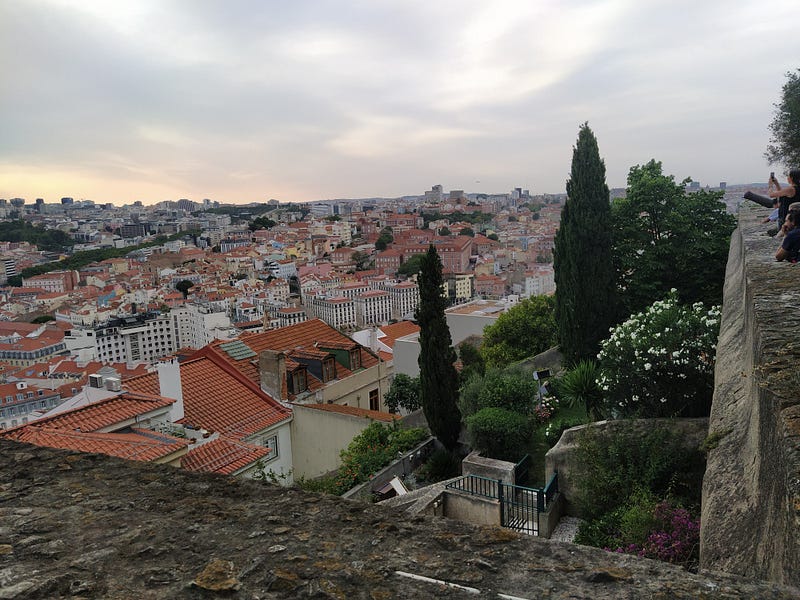
St. Jorge’s castle (Castelo de São Jorge)
Visit it at the end of the day to avoid crowds, and relentless sun, and to catch Lisbon in the best light of the setting sun.
Lisbon Oceanarium
It’s impressive not only due to its collection, but also the architecture, the layout, the emphasis on ocean protection and environmental issues. It even looks like it floats in the water.
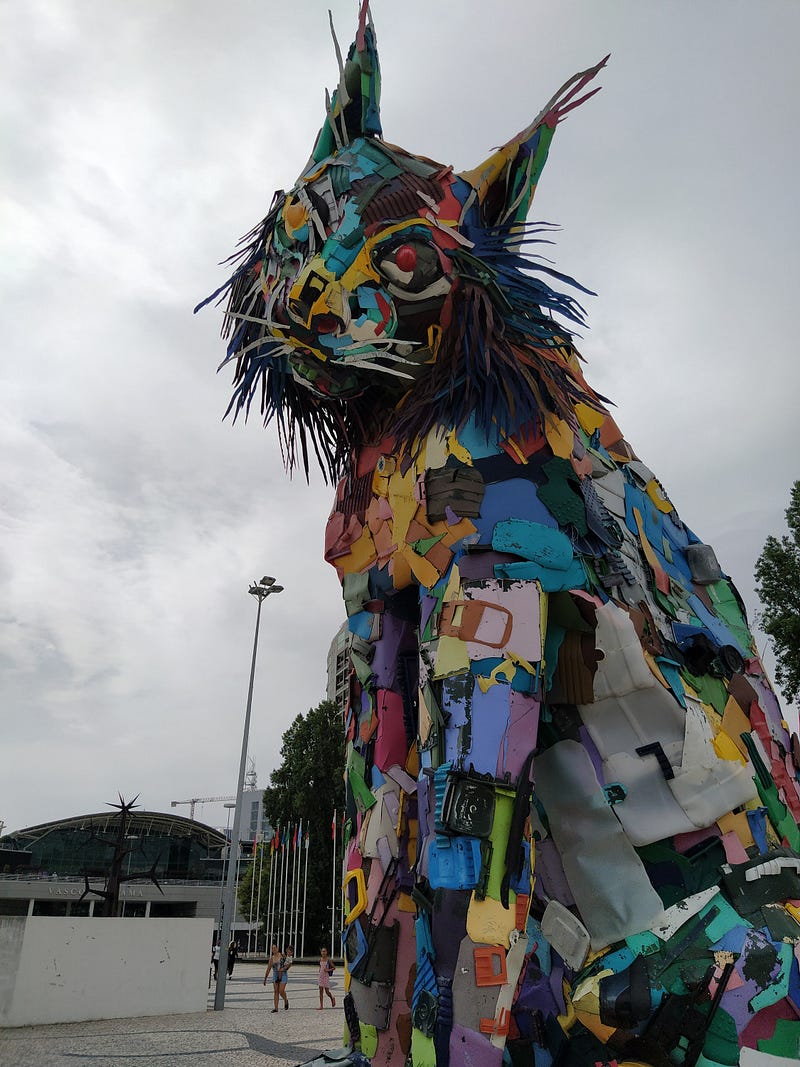
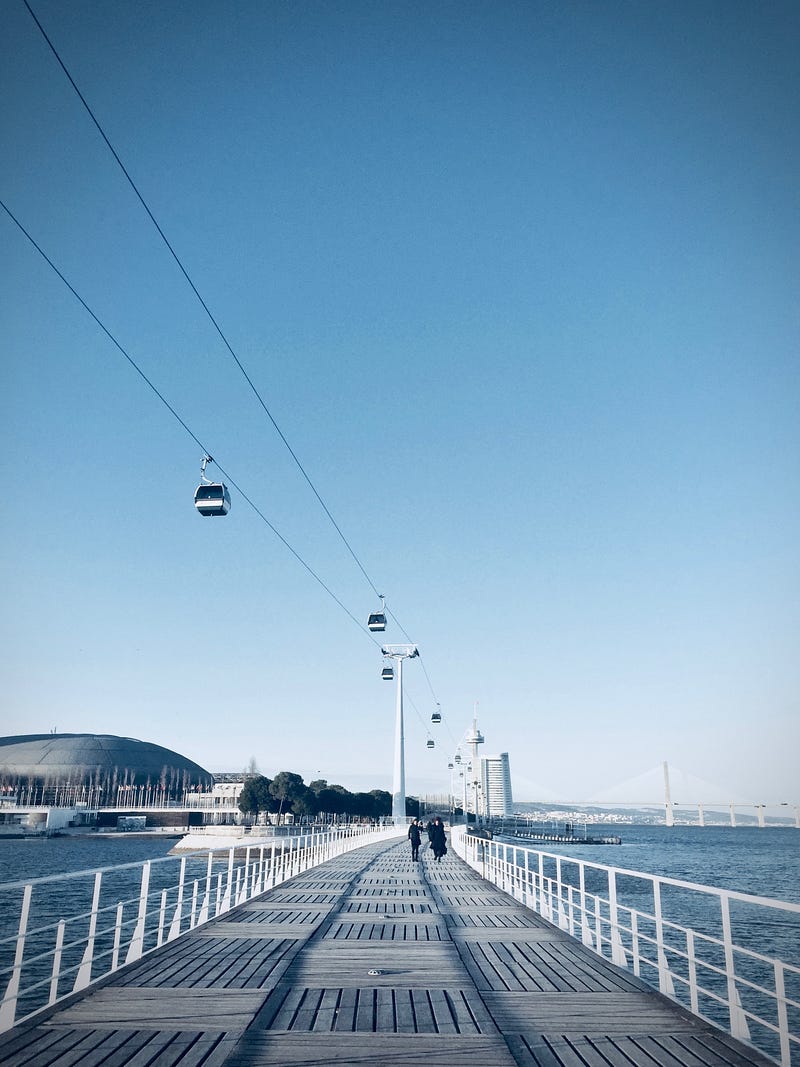
The Oceanarium is located in the Park of the Nations where you will find several examples of grandiose architecture dating from the 1998 World Expo. Afterwards, you can walk along the river or take a cable car ride.
A bonus for families — you will likely arrive through the Oriente train station. You will have to pass by (or go through) the Vasco da Gama Shopping Centre with a food court at the top. This is a great spot to have a bite after all the exploring.
Commerce Square
The iconic square with an expansive river view is a must on every visit. If you can, come at different times of the day to see it misty and empty in the morning, and then bright, vibrant and loud after dark.
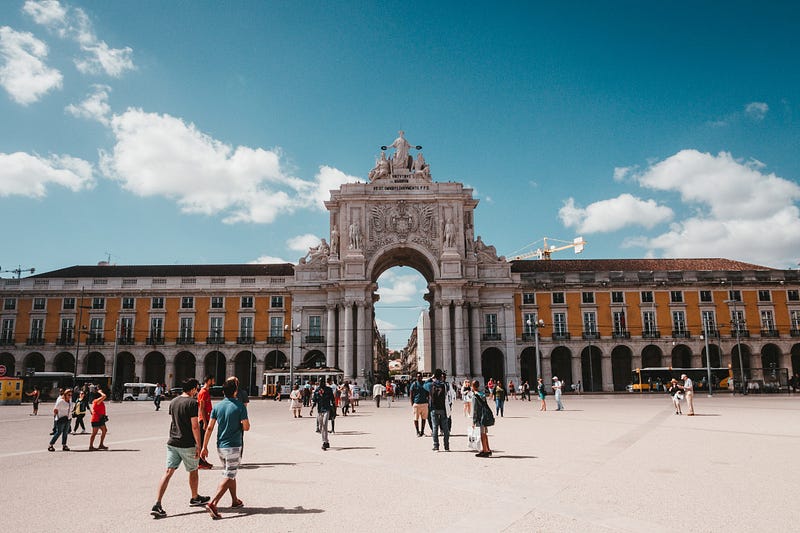
While you are here, stop by the Lisbon Story Centre. It is very well done, offering you a self-guided audio tour through the rooms designed to illustrate different pages from Lisbon’s history. This was a highlight for both the adults and the children in our group.
Convento do Carmo
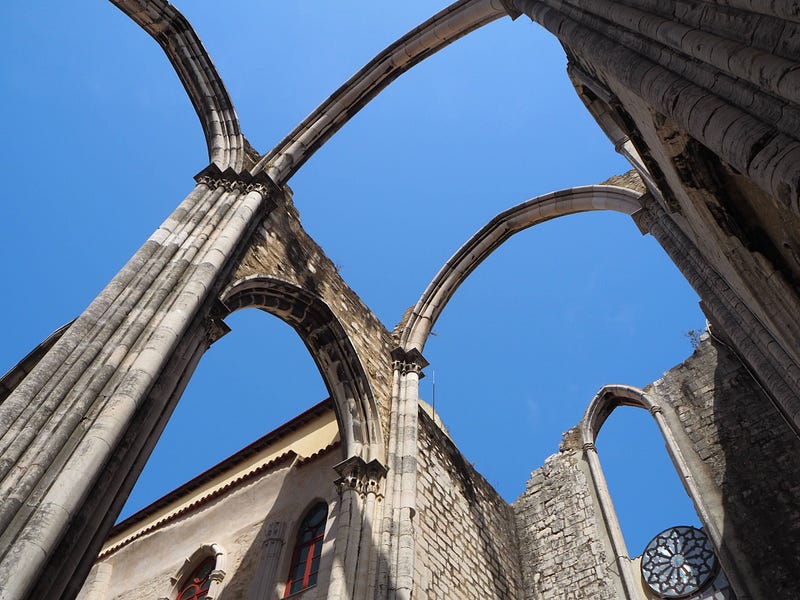
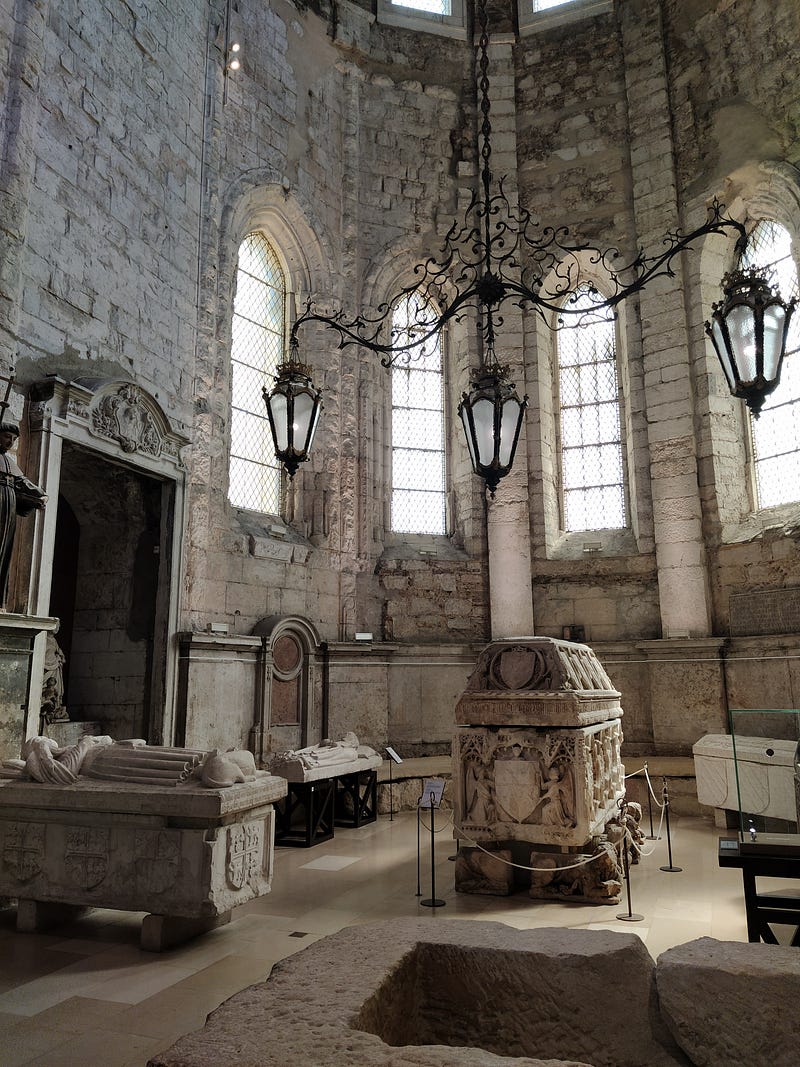
The half-ruined convent with its darkened arches against bright blue sky makes for a brilliant photo backdrop. It’s relatively small and a bit cramped, but its archeological and historical artifacts are impressive.
Lisbon metro system
It’s easy to navigate and affordable, and many stations are tiled in azulejo — the colorful Portuguese tiles — each of the station designs unique.
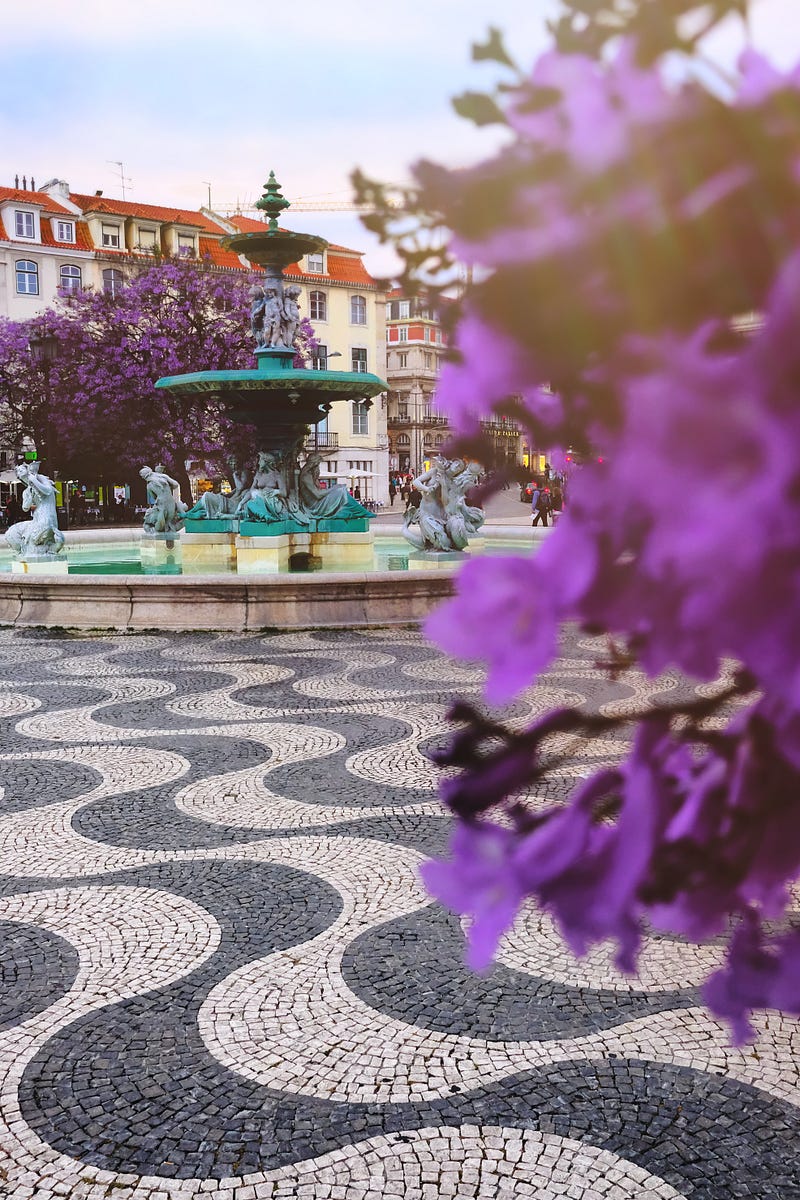
Cobblestone patterns
Streets, squares and sidewalks come with hundreds of different patterns. The variety and creativity that must have gone into all those designs are impressive!
Less known museums
While arts, history, and religious museums are the most known and advertised, we’ve enjoyed vising:
- National Coach museum — a glimpse into the over-the-top gilded riches of Portuguese royals and the advances in transportation technology over the centuries.
- Money Museum — tucked into an impressive building near Commerce Square, this museum has a rich educational collection and is free to visit.
The bummers
Cigarette smoke
When you live in North America, you forget how much more people smoke in Europe. We are so used to smoke-free restaurants and patios that we were completely unprepared for a smoker-tolerant environment.
There will be lots of second-hand smoke, whether you are on a restaurant patio, waiting for the green light or trying to navigate impossibly narrow sidewalks.
Our children found a new use for their face masks — to avoid inhaling too much smoke while walking around Lisbon.
Hot buildings
Air conditioning is a luxury in old Lisbon. Many buildings rely only on air circulation, and in summer, it gets very hot and stuffy. You might want to keep a foldable fan or a stiff brochure in your bag if you are impacted by heat.
When looking for a rental, do not assume that air conditioning will be included since Portugal is so hot in summer. Ask and confirm.
Hot trains
Lisbon’s metro system is mostly underground, so it’s stuffy in summer but bearable.
The trains are a different story. They are not air-conditioned, they run above ground, and when it’s above 30 degrees outside, it can be even hotter inside a crowded train.
We took a train that goes to Cascais, a popular coastal town outside Lisbon. It was packed with young and boisterous beachgoers. While we only rode three stops to Belém — about 20 minutes — those were very long 20 minutes.
Sweaty, hot, and dizzy by the time we got out into the equally sweltering heat outside, we decided right there not to go all the way to Cascais.
The danger of summer fires
While Lisbon itself was not in direct danger this summer, other places nearby were. One of the top things to do on our list was vising the town of Sintra with its famous colorful Pena Palace.
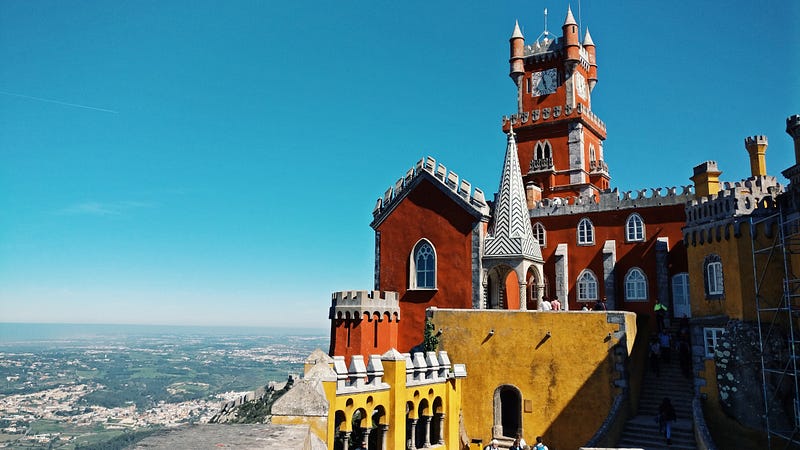
During our week in Lisbon, Sintra was off limits to tourists due to the danger of forest fires. All tours were cancelled and attractions were closed.
The narrow sidewalks
We’ve read about them, but still, nothing prepared us for reality. The sidewalks of some old streets are 20–30 cm wide. You can’t hold anybody’s hand while walking dreamily along beautiful cobblestone streets.
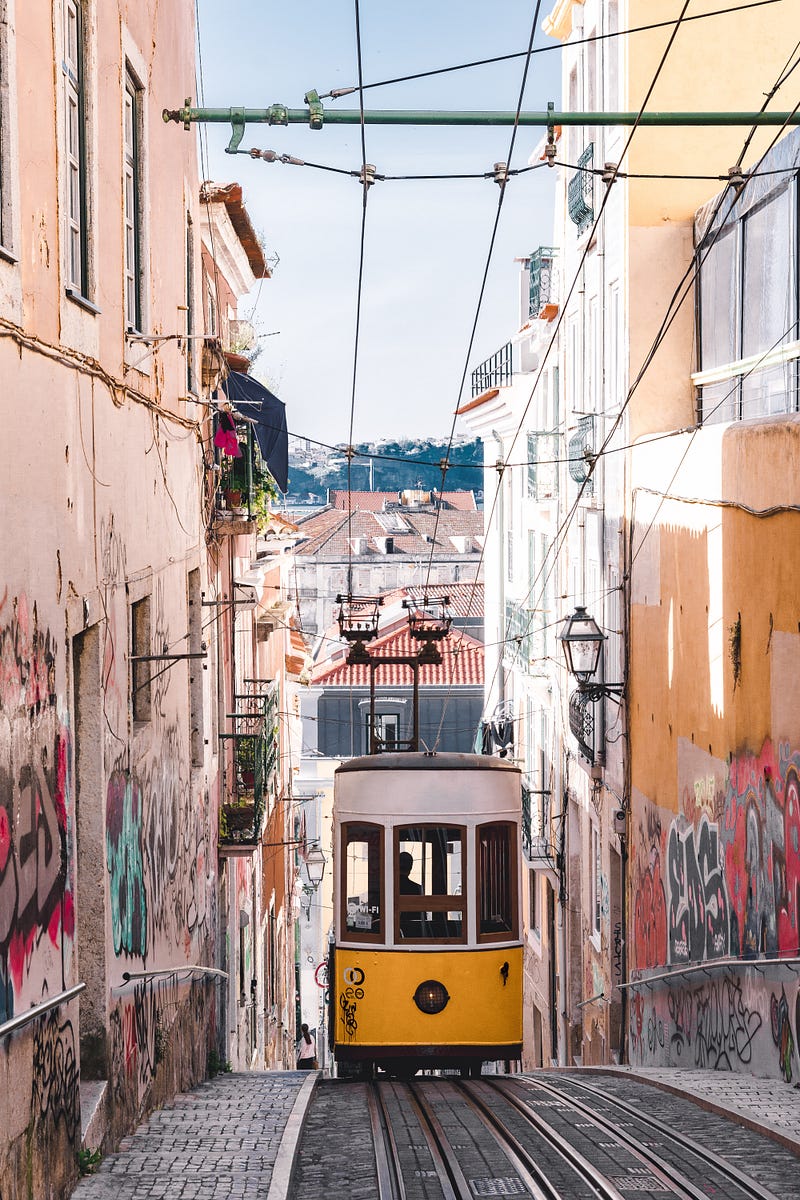
You will go single file, navigating around the pedestrians going in the opposite direction, with cars whooshing dangerously close by on narrow streets, and people coming in and out of shop entrances or blocking the sidewalks waiting for a bus or a tram.
And good luck dragging your wheeled suitcase on the sidewalks! Yet another reason to travel with just a carry-on that you can carry when confronted with 300-year-old cobblestones.
A lot of what I listed is related to the summer season. Since we have kids in school, we can only make major travel plans for the summer.
If you are going in a different season, you will need to be prepared for different challenges.
One, in particular, is heating. Many houses and buildings in Portugal do not have either air conditioning or heating. You will be fine in shoulder seasons, but may be too hot in summer and too cold in winter.
For example, the amazing beachfront hotel we stayed in while in São Miguel is quite chilly in winter, according to the reviews. So you might want to bring your thermal pajamas for comfort at night.


