
Relax, Parents: What Kids Remember Most About Family Trips
The joy of simple and unplanned
As parents, we may get obsessed with the educational value of travel. We plan visits to museums, art galleries, and culture walks.
We research history and geographical facts about new places the night before going there so that we can casually play a tour guide and inject new knowledge in our children’s receptive minds.
We hope they will be amazed by tectonic plates, the sites of great battles and samples of industrial age technology in science museums.
Sometimes, children will disappoint our ambitions. Or rather, they will show us that there are many ways to appreciate the world: it doesn’t always involve learning facts and applying scientific reasoning.
Without the need to impress anyone, kids will be impressed by things we grown-ups may miss.
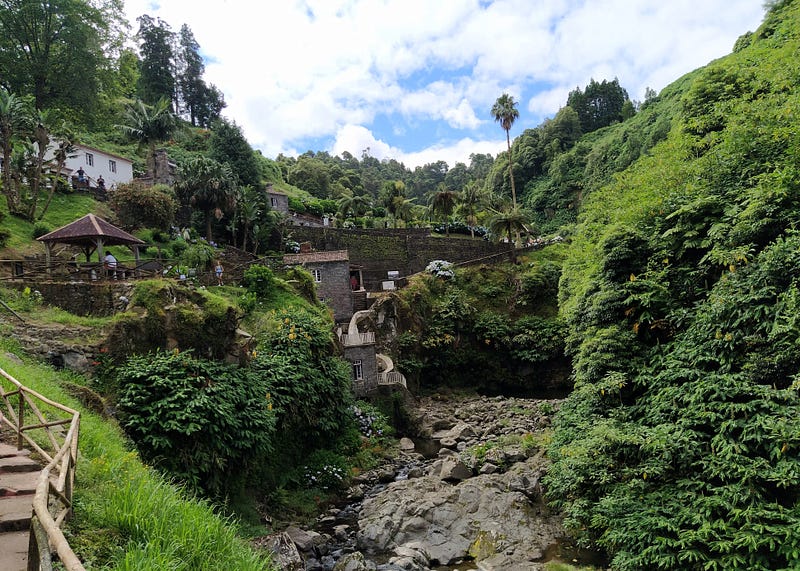
On our last trip, our son’s most memorable place was an old mill site that reminded him of Escher’s impossible triangle:
When we visited an old European castle with magnificent views (we timed our visit to see the sunset from the top), our daughter spent most of her time observing peacocks in the trees.
Come to think of it, I have never seen peacocks sitting in the trees before. In most touristy places, they gracefully stroll the gardens and stay on the ground. So it was also a learning moment — just unplanned.
In a local supermarket in Portugal, our kids got a real kick out of reading book titles in Portuguese — when they recognized familiar books by their covers.
On another occasion, when I asked my then five-year-old daughter what she remembered most from our vacation to a sunny Caribbean destination, her answer was firm: hot dogs on the plane.
Can we judge anyone for being shallow? For liking what they liked?
Even grown-ups sometimes prefer simple things — with food taking up a prominent place.
And kids, predictably, like many simple things that we can easily include in our travel plans — without sacrificing the high-brow attractions.
Here is what your kids will appreciate:
- Non-threatening new foods: pastries, breads, sweets, fruits or gelato.
- Anything to do with animals: aquariums, petting zoos, natural history museums, countryside roads with horses and cows, and pigeons under the roof.
- Browsing local stores for sweets, toys or books.
- Hanging out with locals in a playground, park or any waterfront.
- Non-motorized trips — on a horse buggy, a boat or a rented bike.
- Exploring local transit — studying the maps, figuring out a route and then following the signs.
- Finding landmarks in a new place — just hand them your phone with the street map directions.
- Anything to do with water — fountains, sprinklers, ponds with ducks, waterfalls, bridges over rivers and streams, skipping stones or dipping your feet in an ocean.
Does that sound a bit cheesy?
If you are on a short vacation, you may think there is no time for these things in between your carefully planned and timed excursions.
But if you are willing to experiment with slow travel, you can learn to enjoy every day even doing these small things.
On your next trip, if you didn’t feel like the educational component of your trip was appreciated, don’t take it out on your kids, and don’t take it personally.
They might have learned just as much, but in a different way. And that’s OK — they’ve just taken a class with another teacher.


