
Food/Health & Wellness
Is Diet Pill Any Good For Weight Loss?
As with all lifestyle illnesses, it is better to treat the underlying cause, which, in this case, is obesity.
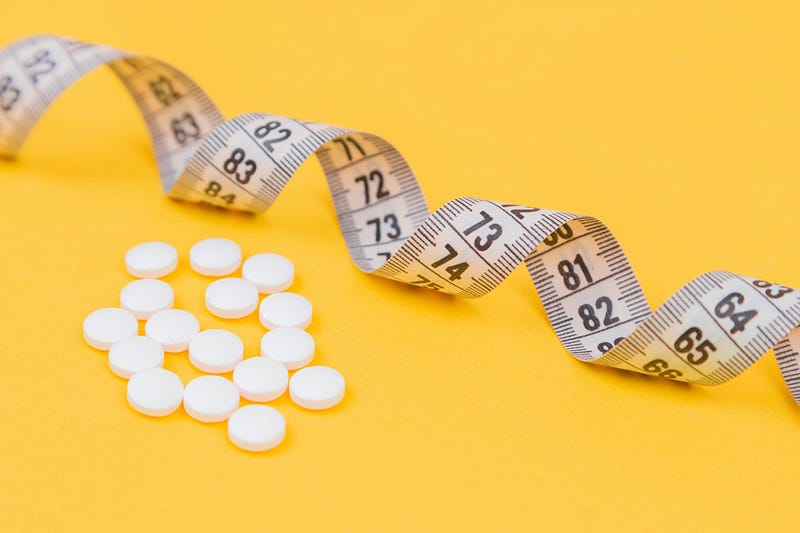
It is a lot easier to want to lose weight by popping pills because it is human to want an easy way out, but can one really lose weight with diet pills?
There are many weight loss pills in use today, most are medically recommended, but not all are suitable for everyone. This is because they work differently, and also because people are unique and react to each medication differently.
Although your doctor may prescribe diet pills for you, it is still better to treat the underlying cause of your obesity in reducing your weight.
‘’Obesity is now the most common nutritional disorder in western industrialised countries. Defined as a body mass index of greater than 30, it arises from the accumulation of excess fat in the body from overconsumption of fatty foods.’’
The prevalence of obesity in the US and Europe has reached epidemic levels.
Before you embark on taking weight loss medication, two things are paramount here:
- The amount of weight one needs to shed signifies that your weight may cause serious health issues if not reduced.
- The length of time one needs to take the medication — weight loss medication cannot be taken longer than two years.
Four Major Types Of Weight Loss Medications
Methyl-cellulose — Although methylcellulose is a combination of cellulose from plants and vegetables, its development process isn’t entirely natural; it’s a synthetically made compound with a complex and refined method. The funny issue here is that we do not have the enzyme to digest cellulose, but it is still useful to us because binds with water to move waste out of our system.
Side Effects, bloating.
This form of weight loss medication is not suitable for those with difficulty swallowing or those with intestinal blockage. It works by allowing bowel movement.
Orlistat — works by blocking the enzyme that digests fats in your food. The undigested fats then pass out in your poo. This is where you need to control your fat intake if you take this type of medication.
Side effects, bloating and diarrhoea.
Sibutramine — works with the chemicals in the brain that inhibit weight maintenance. Sibutramine is not suitable for those with a history of depression or heart issues.
Side Effects, likely to increase blood pressure, insomnia and constipation.
Rimonabant — works by controlling food intake, that is, blocking receptors (Cannabinoids) found in the nervous system. These receptors are used by the body to control hunger.
Side effects are hallucinations, insomnia, tummy upset etc
This drug is withdrawn due to serious psychiatric side effects.
Another related article by the same author:
The Takeaways
- All diet medications have side effects and are not recommended for a period longer than one year, at most.
- Diet pills are not a miracle cure. It is best to eat healthily all the time, every time.
- The weight lost with the use of medication is not usually lasting, especially after the medication is stopped.
DISCLAIMER
Although great research has gone into this post to give the true and genuine substance to it, nevertheless it does not still represent professional advice in any way. Please consult appropriate professional experts about any concerns that you have. It is therefore given for readers’ interest and entertainment only. Thank you.😑
💔If you are inspired and looking to start writing on Medium, why not jumpstart your writing journey by using this link? If you love what you read, you can personally support me here. Thank you.💔