
Inspired by true-life events
Is Chernobyl Still Burning?
The Told and Untold Mysteries
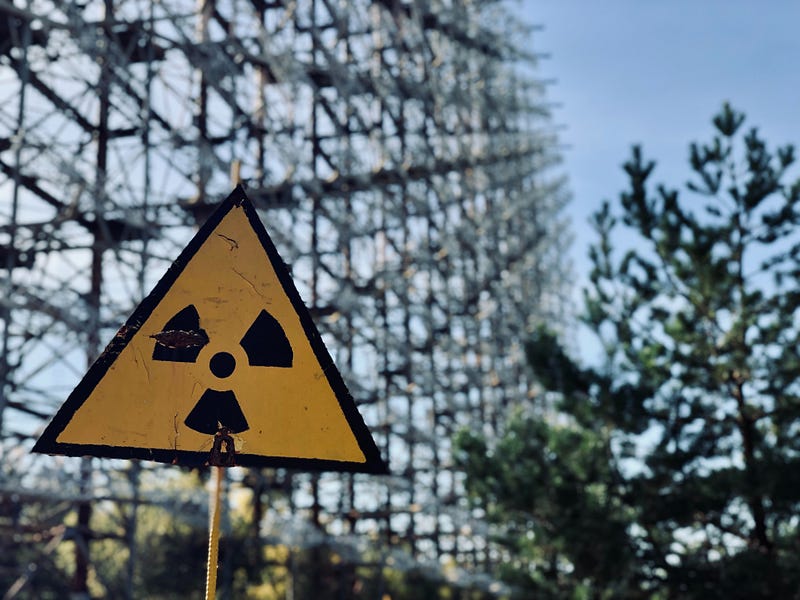
Chernobyl, A stunning example of human arrogance and dangerous technology, marked as one of the worst Human-caused disasters in history.
I wasn’t familiar with Chernobyl until a few years ago, Perhaps I was too young to understand. It happened in the year of 1986, Few months right after my birth, never heard about this incident up until Fukushima happened. Nobody’s fault, it could be the lack of media influence in my life.
I read the Chernobyl articles in detail, searched and googled it many times to get into the bottom of the incident details. I am neither a science person nor my path is and interest in science. But certain topics stay with me and Chernobyl does. Somehow I am not able to get over with it and it still stays with me.
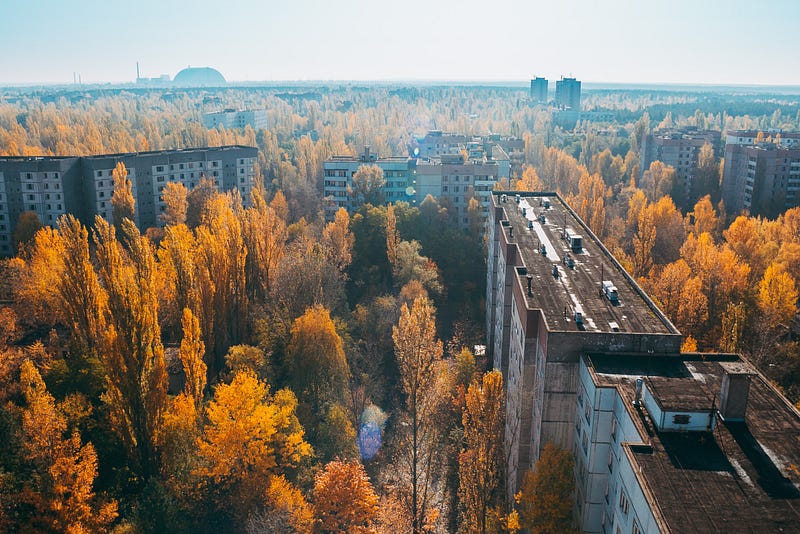
An International Politics
The Chernobyl Nuclear Power Plant is located about 81 miles (130 kilometers) north of the city of Kiev, Ukraine. At the time of the disaster, Ukraine was part of the USSR (Union of Soviet Socialist Republics) and it can be compared to today’s North Korea. So nobody was having pretty much a good idea about what was happening there, other than sitting out and listen to the political views shared across.
The political authorities and power plant engineers were reluctant to believe that a reactor core could explode and they shunt the alarms raised by the power plant shift workers until they came across the real evidence of radioactive reaction. To not spread the word around and to shut the rumors, the first move was to “Disconnect communication with the outside world. Nobody was allowed to leave from Pripyat.”
The news was only released to the outside world when spewing a cloud of radioactive material into the atmosphere that billowed across northern and western Europe, reaching as far as the eastern United States.
Long Term Health Effects
It stays as Rumors, No one knew, Could be speculations. Dozens of firefighters indeed lost their lives. The exploded reactor was engulfed in fire and firefighters were rushed to aid without knowing the side effects of it and many of them get direct exposure to the high level of radiation, they succumbed to death from radiation poisoning.
People who survived the disaster claim that there are health effects, either on them or on their children such as enlarged thyroid, a condition which studies have linked to radioactivity. Also, the rumor says pregnant women were forced to abort since there was fear that babies would be born with mutations.
It’s been estimated that anywhere from 100,000 to 200,000 abortions were performed on women after the incident because doctors told them their babies were exposed to radiation and could be born with birth defects.
According to ThoughtCo, there was a spike in malformed farm animals just after the disaster, and again in 1989 and 1990, which is thought to coincide with the failure of the “sarcophagus”. Sarcophagus, a large concrete enclosure built on-site was to contain the solidified corium and that’s where the researchers found Elephant foot which is causing higher radiation activity
People live there
Legally or illegally, yet to find out. Again it says some chose to comeback even with all alert systems in place, they just couldn’t leave home back then. Initially, they were evacuated and were relocated to Ukrainian cities but they came back. Scientist says that it will take thousands of years for Pripyat to become habitable. Another research shows that people who went back to the exclusion zone have a longer life span than those who did not.
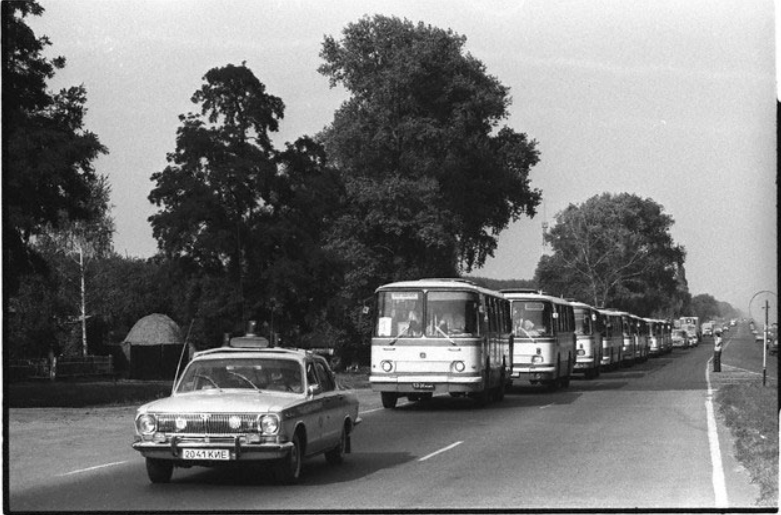
And The Famous Creepy dolls, they do not belong there. Well, some did, due to quick evacuation which happened after 36 hours of the disaster whereby the evacuees did not suppose to carry anything or minimal things with them. People say, there are dozens of creepy dolls and they are brought by the tourist for perfect pictures.
Scientists have also discovered radiation eating fungi (Cryptococcus neoforman) in the nuclear power plant striving since 2007.
So Is Chernobyl Still Burning?
Yes, but it is not what you think. It is not the reactor itself it burns. Authorities continued to operate the one remaining reactor until 2000 when international negotiations finally led to its shutdown after elevated rates of the thyroid cancers. Nuclear clean-up is scheduled for completion in 2065.
Chernobyl still burns due to wildfires, According to Greenpeace organization wildfire started on April 3rd, due to abnormally hot, dry and windy weather. They are now the biggest fires ever recorded in the Chernobyl exclusion zone.
The wind has carried smoke over the populated areas and has indicated higher levels of radioactivity than usual were detected. The smoke and ash have also crossed borders such as air in Norway reported by the Norwegian Radiation and Nuclear Safety Authority due to Increased activity of Caesium-137 and other radionuclides.
Whoever can smell the fire could also inhale these radioactive substances.
You may enjoy reading this,
Originally published at www.simplylams.com


