avatarMallika Vasak

Free AI web copilot to create summaries, insights and extended knowledge, download it at here

2209

Abstract

/scied.ucar.edu/shortcontent/mount-tambora-and-year-without-summer">storms</a>. Although the “Year Without a Summer” mainly affected regions in the north (unlike the COVID-19 pandemic which is causing worldwide disruption), its effects shut most residents indoors. The gloomy weather that persisted across the Northern hemisphere during the summer months, is what gave the 1816 summer its name.</p><p id="2149">Although the “Year Without a Summer” was literally one of the gloomiest periods in history, many reputable works of art came out of its darkness. The sky that appears to resemble a sunset in Edvard Munch’s <i>The Scream </i>was actually inspired by the orange tones and cloudy atmosphere that the Mount Tambora eruption perpetuated:</p><figure id="ea5e"><img src="https://cdn-images-1.readmedium.com/v2/resize:fit:800/1*fox9-o1b1qdfryFAdY265Q.jpeg"><figcaption>“The Scream” by Edvard Munch, from <a href="https://www.edvardmunch.org/the-scream.jsp">EdvardMunch</a></figcaption></figure><p id="002b">Perhaps the most renowned work born out of the “Year Without a Summer” was Mary Shelley’s <i>Frankenstein</i>. The idea for the now-infamous novel was <a href="https://www.history.com/this-day-in-history/frankenstein-published">conceived on a rainy summer afternoon in Geneva</a>, where she was vacationing with her husband Percy Shelley and poet Lord Byron in 1816. The dreary weather forced the three literary icons inside, but they spent their time telling <a href="https://www.history.com/this-day-in-history/frankenstein-published">ghost stories</a> into the late hours of the night. The <a href="https://www.history.com/this-day-in-history/frankenstein-published">ideas</a> for <i>Frankenstein</i> and what became <i>Dracula</i> were born the summer of 1816, and have become two venerated works of fiction since.</p><figure id="86c4"><img src="https://cdn-images-1.readmedium.com/v2/resize:fit:800/1*9vhPt5XCOLC5Wn2UY3KDXQ.jpeg"><figcaption><a href="https://www.history.com/news/frankenstein-true-story-mary-shelley">Villa Diodati on Lake Geneva</a>, the Rental Mansion where Mary Shelley, Percy Shelly, and Lord Byron stayed during the summer of 1816</figcaption></figure><p id="1d2f">What we

Options

are currently experiencing is quite similar to what Shelley and her company faced in 1816. Although for a different reason, we are shut inside and forced to find ways to keep busy. Boredom, it seems, is a pandemic in itself, but some of the most revered works of art were inspired by some of the most famous catastrophes.</p><p id="7600">In his book <i>Poetics</i>, Aristotle theorized that <a href="https://en.wikipedia.org/wiki/Mimesis#:~:text=superior%20philosophers%20do.-,Aristotle,and%20contrasting%20being%20with%20becoming.">art imitates nature</a>. His theorization falls under the term “<a href="https://en.wikipedia.org/wiki/Mimesis#:~:text=superior%20philosophers%20do.-,Aristotle,and%20contrasting%20being%20with%20becoming.">Mimesis</a>”, which several other philosophers, including Plato, Freud, Girard, contributed to with their studies. Aristotle believed that it is within human nature to create art that directly reflects one’s reality. The art produced during the “Year Without a Summer” emulates this belief, as the severe climate anomalies and socio-cultural implications of the 1816 summer took their decisive form in the works of Shelley, Byron, and Munch.</p><p id="ed7b">Aristotle’s theory also holds true for art forms born out of different catastrophes. Shakespeare published some of his greatest tragedies during the bubonic plague in which he lived through, including <i>King Lear </i>and <i>Macbeth</i>.</p><blockquote id="4986"><p><i>Read more about how the plague inspired Shakespeare’s tragedies in my article</i><a href="https://readmedium.com/art-as-a-vaccine-how-the-plague-inspired-shakespeares-tragedies-f7945a872470">Art as a Vaccine: How the Plague Inspired Shakespeare’s Tragedies</a>”.</p></blockquote><p id="8e73">Although the COVID-19 pandemic has brought many uncertainties with it, it is certain this summer will be quite different than the ones that have preceded it. Like the people of 1816, summer as we know it is something we will have to do without. But just like history repeats itself in terms of catastrophes, human behaviour repeats itself too; we can spend our days artistically and productively, like the ones that came before.</p></article></body>

Is 2020 the Next 1816 “Year Without a Summer”?

History Repeats Itself: The infamous 1816 “Year Without a Summer” is making a comeback two centuries later
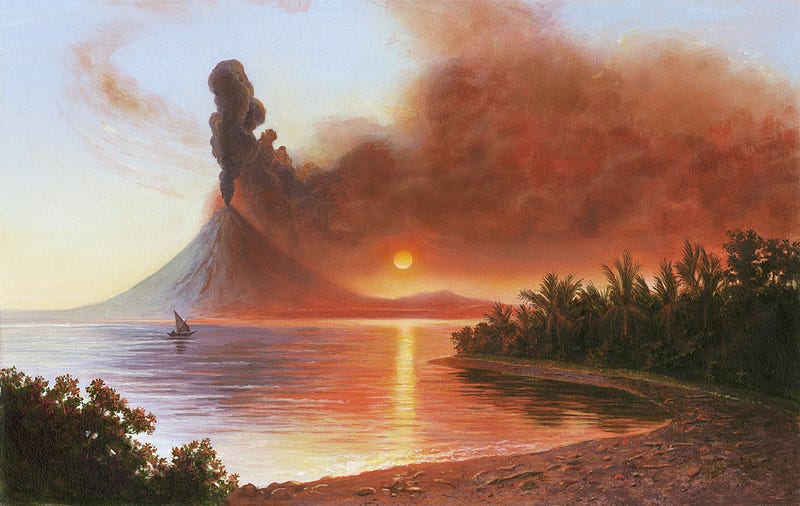
Painting by Rob Wood from focusTerra

It’s the beginning of July but it couldn’t feel any more like winter. I never stay inside as much as I have this year. I don’t think anyone does. And why would you — especially during the summer months — when you could be laying on the beach, attending barbeques, or travelling?

Summer, like dessert after dinner, is something everyone looks forward to. The striking heat that follows the cold months of winter; the lively carnivals, the vibrant beaches, the sound of the ice cream truck jingle down the street. Its warmth draws all life out from their shelter and makes it come alive.

This year’s summer had a more zealous appeal. The unfortunate events that were rung in with the new year made for a dejecting winter and spring. We craved the resuscitation that naturally comes with summer; the rebirth and revival that its months bring. But it seems as though the dread that occurred during the first half of 2020 will persist, keeping us indoors when we want to be out, and summer 2020 is something we’ll have to do without.

2020 isn’t the first year without a summer. 1816 had one too. It’s the infamous “Year Without a Summer”; the one you learn about in history class. Come to think of it, my future kids will read about this one in theirs.

The 1816 “Year Without a Summer” ensued after the eruption of Mount Tambora, a volcano in Indonesia, made the world cold and dark. New England experienced snowfall; Europe watched theatrical storms. Although the “Year Without a Summer” mainly affected regions in the north (unlike the COVID-19 pandemic which is causing worldwide disruption), its effects shut most residents indoors. The gloomy weather that persisted across the Northern hemisphere during the summer months, is what gave the 1816 summer its name.

Although the “Year Without a Summer” was literally one of the gloomiest periods in history, many reputable works of art came out of its darkness. The sky that appears to resemble a sunset in Edvard Munch’s The Scream was actually inspired by the orange tones and cloudy atmosphere that the Mount Tambora eruption perpetuated:
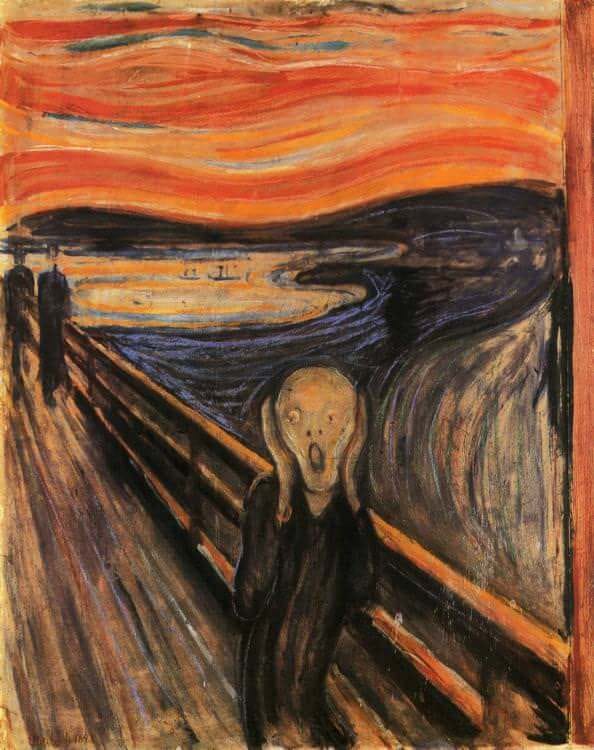
“The Scream” by Edvard Munch, from EdvardMunch

Perhaps the most renowned work born out of the “Year Without a Summer” was Mary Shelley’s Frankenstein. The idea for the now-infamous novel was conceived on a rainy summer afternoon in Geneva, where she was vacationing with her husband Percy Shelley and poet Lord Byron in 1816. The dreary weather forced the three literary icons inside, but they spent their time telling ghost stories into the late hours of the night. The ideas for Frankenstein and what became Dracula were born the summer of 1816, and have become two venerated works of fiction since.
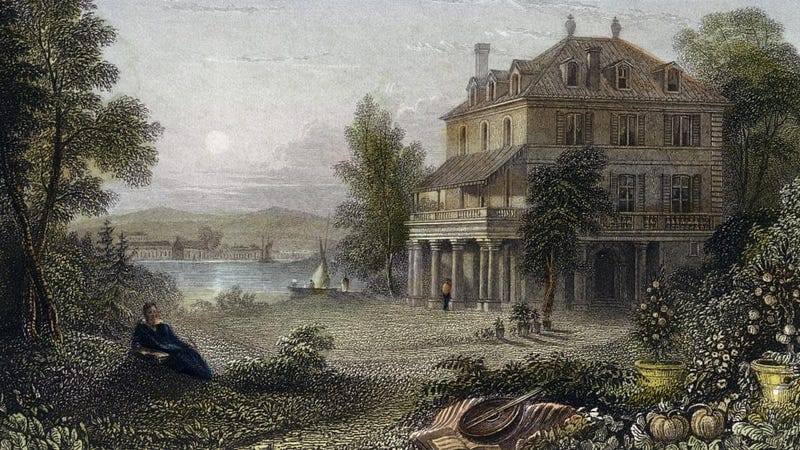
Villa Diodati on Lake Geneva, the Rental Mansion where Mary Shelley, Percy Shelly, and Lord Byron stayed during the summer of 1816

What we are currently experiencing is quite similar to what Shelley and her company faced in 1816. Although for a different reason, we are shut inside and forced to find ways to keep busy. Boredom, it seems, is a pandemic in itself, but some of the most revered works of art were inspired by some of the most famous catastrophes.

In his book Poetics, Aristotle theorized that art imitates nature. His theorization falls under the term “Mimesis”, which several other philosophers, including Plato, Freud, Girard, contributed to with their studies. Aristotle believed that it is within human nature to create art that directly reflects one’s reality. The art produced during the “Year Without a Summer” emulates this belief, as the severe climate anomalies and socio-cultural implications of the 1816 summer took their decisive form in the works of Shelley, Byron, and Munch.

Aristotle’s theory also holds true for art forms born out of different catastrophes. Shakespeare published some of his greatest tragedies during the bubonic plague in which he lived through, including King Lear and Macbeth.

Read more about how the plague inspired Shakespeare’s tragedies in my articleArt as a Vaccine: How the Plague Inspired Shakespeare’s Tragedies”.

Although the COVID-19 pandemic has brought many uncertainties with it, it is certain this summer will be quite different than the ones that have preceded it. Like the people of 1816, summer as we know it is something we will have to do without. But just like history repeats itself in terms of catastrophes, human behaviour repeats itself too; we can spend our days artistically and productively, like the ones that came before.

Ideas
History
Art
Literature
Coronavirus
Recommended from ReadMedium