
Internet of Bodies (IoB): A key Notch In Medical Sustenance; Yet Another Technological Swindle

Internet and the Internet of Things (IoT) are a couple of the most revolutionary inventions of human history. Its primary origin goes back to the "United States Advanced Research Projects Agency" (DARPA). It was deployed for the first time in October 1969. Then it was referred to as ARPANET. Following that, the contemporary Internet as the" World Wide Web" (WWW) was built by CERN in Switzerland in 1990 by a British (UK) scientist named Tim Berners-Lee.
Today, the Internet is the biggest and the most robust worldwide communication system between computers. The modern Internet comprises millions of smaller domestic, academic, business, and government networks. Together they transmit a myriad of various sorts of data.
The Internet or, in short, the 'net' is the largest service network. The World Wide Web is used by billions of people worldwide. Today, the Internet has rooted in the day-to-day lives of ordinary people by providing them with tools to pay money and obtain services to automate daily chores. Some services on the Internet cost naught to use, but one may access the rest for a fee.
Sometimes people who offer free services such as software (SAAS) use advertising or media coverage to make money. Latter has created a controversy regarding censorship and freedom of speech on the Internet. While we are decades after the initial deployment of the Internet, we face overwhelming challenges concerning the net neutrality of the internet and SAAS providers.

The Evolution of Digital Communication and the Internet
With the evolution of the Internet, communication has evolved flawlessly. Parallel to that, it has also become dangerous. Because users often send private information, therefore predisposing them to third-party extortion of the transmitted data. Any bystander can also use the Internet to spread out fables or embezzled enigmas, or dangerously bad advice. Social media sites like Facebook have chronologically had some dilemmas with privacy arenas. Some websites may con users into downloading harmful viruses aimed at harming a computer or spyware to hijack its user's private information. In the world-wide-web chat rooms, people have the potential to stalk or abuse other users. Also, the Internet comprises content that users may find offensive, such as pornography. Likewise, Criminals may kidnap people's confidential information or fool them into transferring their money.
The Era of the Data Rush and Value of Data and the Internet
Over two decades into the Internet era and the personal success of streamlining data exchange, so became the Value of data. The 21st- century is the epoch of monetizing data, resembling the 19th-century American gold rush. The servers of the tech industry that provide SAAS solutions serve as" silos" for billions of dollars with public data. The centralized nature of the data stored has merely placed the modern gold mines at giant corporate fingertips. Today, The liability of people to the particular collective action of the corporations is actual, as they curb public perception through social media and full access to sensitive information. Internet is the vehicle for data storage, analysis, modification, and most of all, monetization. Cyber data are raw and unlimited. It is hence irresistible to profiteering entities.
Internet of Things (IoT)
Before the modern Internet in the 1990s, Technology leaders had already discussed the concept of a network of intelligent devices. First introduced in 1982 was the prototype used that modified the Coke vending machine at Carnegie Mellon University. The latest marked the first Internet-connected device. The appliance was able to report its inventory, so the temperature of the drinks.
The Internet of Things (IoT) is a network of interrelated computing tools, mechanical and digital machines, objects, animals, and people. Every node or thing within the system holds unique identifiers (UIDs), thus disseminating data over the web without compelling human-to-human or human-to-computer dealings.
The Definition of the Internet of Things (IoT)
The meaning of the Internet of Things has perpetually unfolded. Over decades it has emerged into various technologies, real-time analytics, machine learning, commodity sensors, and ingrained systems. In layperson's terms, IoT technology is the "smart home," covering devices and appliances. They benefit one or more widespread ecosystems and can be controlled via devices attributed to that ecosystem, such as smartphones and smart speakers. Traditional fields of embedded systems are wireless sensor networks, control systems, and automation (including home and building automation).
Parallel to all the benefits associated with IoT use, there is an abundance of significant considerations about threats in IoT development. That applies particularly in the privacy and security sectors, necessitating industry and governmental actions to address. For instance, The IoT suffers from protocol fragmentation and a lack of technical standards. There seem to be various IoT devices in terms of hardware variations and differences in the incorporated software content. To further elaborate with an example, one can note the wireless connectivity for IoT devices. Technologies using Bluetooth, Zigbee, Z-Wave, LoRa, NB-IoT, Cat M1, and custom proprietary radios possess their benefits and flaws; and a unique permission ecosystem.
IoT's unstructured computing essence is problematic for security. The patches of bugs found in the core operating system often do not reach users of older and lower-price devices. Some researchers assert that the failure of vendors to support older equipment with patches and updates leaves most of the active Android devices vulnerable to hacking.
The Internet of Things (IoT)and Privacy
Questions over privacy have led many to consider that extensive data infrastructure such as the Internet of things and data mining are incompatible with privacy. Peter-Paul Verbeek, a professor of philosophy of technology at the University of Twente, Netherlands, jots down that technology impacts human moral judgment, which affects social mechanism, privacy, and sovereignty. In his writing, Verbeek warns against viewing technology merely as a personal tool. He advocates instead of considering it as an active agent. It involves every aspect of human life, from simple control of the doorbell and home security systems to patient overhaul and elderly care.
The Internet of things is exceptionally scalable, incorporated into more profound aspects of our lives, and is becoming increasingly sophisticated, primarily through exploiting deep learning technology. The liberal access to personal information makes this trend even more complicated.
Classification of Internet of Things (IoT)
As highlighted earlier, the IoT is a general term for a connectivity system between many devices or "things" amid an enormous number of domains. Examples are the Internet of Medical things (IoMT) and the Internet of Bodies (IoB).
The Internet of Medical Things (also called the Internet of health things) is an application of the IoT remaining medical and health domain. The IoMT, or "Smart Healthcare," is a technology utilized for constructing a digitized healthcare system by engaging available medical resources and healthcare services.
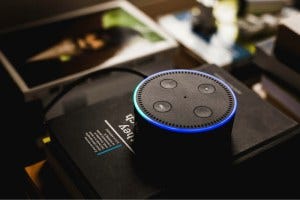
Role of Sensors in the Internet of Things (IoT)
Most of us are familiar with blood pressure, heart rate monitors, and advanced devices capable of monitoring specialized implants. Few other well-known technologies include pacemakers, Fitbit electronic wristbands, or advanced hearing aids. The sensors in the IoT network exist to facilitate remote health monitoring and emergency warning networks. The sensors within IoMT, in turn, establish a network of intelligent feelers. They can collect, process, transfer, and analyze valuable information in various settings, such as connecting in-home monitoring devices to hospital-based systems. Other accessories that motivate healthy living, such as connected scales or wearable tools, can also complement IoT. Applications for point-of-care medical diagnostics, where portability and low system complexity are essential.
Nevertheless, Practical supervision of devices to promote credible, secure, and high-quality applications is challenging parallel to the increasing scale of the system. Therefore, it has been proposed that, as one of the critical cornerstones of IoT device management, automatic cross-device classification aims to spot the semantic type of a machine by analyzing its network traffic. That has the potential to support an extensive range of features. It includes enhanced security by requiring the proper rules for restricting the communications of particular devices or context-awareness of IoT applications.
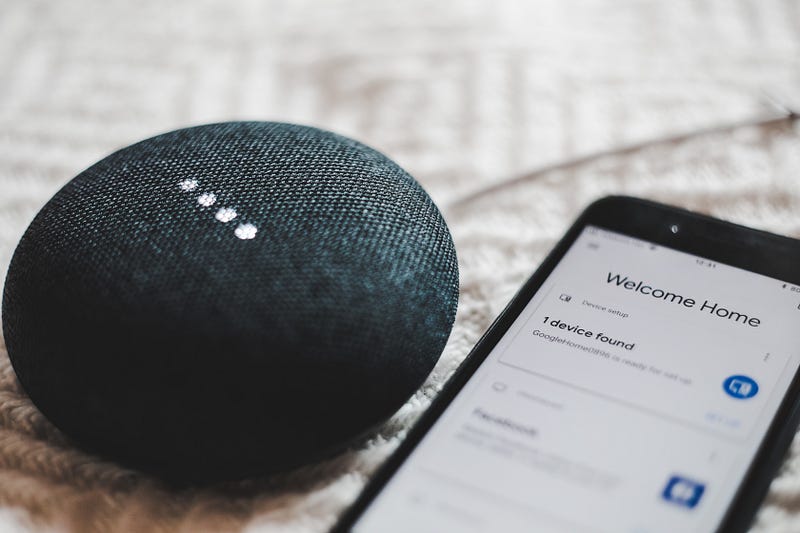
Internet of Bodies (IoB)
Internet of Bodies relates to devices placed on or implanted into the human body to carry on a continual dialogue among various users via the Internet. No doubt; The Internet of bodies enables people who can live better and longer with medical conditions such as diabetes by enabling us to monitor blood glucose closely and control body functions, therapies, and functions, using a simple smartphone app. For instance, a new generation of insulin pumps connects to an app that communicates wirelessly with the pumps while sending data to the cloud for other diagnostic and therapeutic uses. Seemly, such devices might be more accurately referred to as systems that create new concerns about human elements.
Ingestible Sensors and Internet of Bodies (IoB)
Likewise- the modern and sophisticated "ingestible sensors" are starting to emerge into the healthcare market. It will potentially be delivered by packing the electronics technology into an ingestible capsule with a semi-permeable coating. Once swallowed, they assess gut climate as the sensor moves along, pinging data to the smartphone. Along with technological advancement, users must maintain awareness of what their IoB does. And they must prepare ready to step in when needed. Thus users need to sustain a reasonable level of situational insight and be prepared to exercise control.
It has been postulated; that with the continuous advancement of the big data-powered Internet of Things (IoT) into the Internet of Bodies (IoB), the integrity of the system of human bodies relies at least partly on the Internet and related technologies, such as artificial intelligence. That will predispose human body devices to the same levels of security flaws that potentially afflict IoT. Yet, unlike most IoT- IoB will directly and physically harm the human body. The Internet of Bodies will hail the arrival of corporate software liability and a new legal and policy battle over the integrity of the human body and mind.
Real-time seamless data flow Artificial Intelligence and the Risk.
In addition to operational and privacy risks associated with IoT and IoB, the indiscriminate sharing of personal data with 3rd party entities and corporations such as insurance companies increases apparent risk. In connection with Artificial intelligence algorithms formulated to target particular objectives, the IoB will expose patients with preexisting medical conditions to the spike of high premiums without patients' awareness.
Business Insider estimates that over 64 billion IoT appliances will be in use by 2025, up from about 9 billion in 2017. The IoT devices will generate a lot of data that needs to be collected and mined for execution in one way or another. We will use Artificial Intelligence to process and analyze those data. The dissociation of the healthcare community from the technology has created a vacuum of sparse algorithms validation and data ownership.
Corporate Tactical mission Strategic endeavor, and Individual Vulnerability
It is the tactical objective of corporations to occupy the IoT space. This way, they can facilitate the secure and efficient harnessing of public data to elicit functions driven by those missions. Today, corporations frequently pursue strategies to ensure maximum fiscal gain. Large entities have lobbied their way to tighten competition as well as tight control over the market.
Historically corporations have relished the exorbitant personhood, the collective influence of their stakeholders, money, and technology. Today, they are on the verge of exercising the ability to read the human mind and access their personal information without breaking a single law.
Wrong Steps in the Wrong Direction
The chronological review has demonstrated a trend of wrong steps in the wrong direction. The learning points to no reason we should expect different scenarios concerning the Internet of bodies. For example, Amazon Alexa has a track record of collecting data via voice recognition technology from households without significant legal implications. Or The National Institute of Health (NIH) focuses primarily on genetic sequencing, and expanding upon the genomic database will also flourish the availability of information to other organizations and agencies. Yet, they have little or nothing to do with precision medicine.
Further, Controversy is related to feeding the Big-Data-Driven Stem Cell Science to other entities by Food and drug administration.
Millennial Role and Internet of Bodies
Generally speaking, Millennial is pro-technology. However, interestingly, studies suggest that the Millennial generation has some issues with the Internet of Things. The review indicates a trend that challenges utilities—attempting to facilitate policies like demand response that can link to IoT products such as smart thermostats, air conditioners, or appliances.
According to a novel cohort study, young American adults 18 to 21 years are less likely to own an IoT product. But further research advocates that the main reason for Millennials' lower ownership of IoT devices is that they are less likely to be homeowners. Therefore, they are not as expected to buy IoT devices that can help manage energy usage. Millennials construct the heart of why the IoT exists and why it will endure. Because; the majority spend up to six hours of productive time online daily. More than two-thirds of them have smartphones. We must remember that the tech industries are on a conquest to curb data and artificial intelligence. The Modern millennial perceptual experience of personalized and population healthcare is multifarious, fueling their endeavor.
More than ever, The new generation feels technological evolution would be enough to ascertain bespoke healthcare; hence, with the same mindset, tailored medicine is perceived to be synonymous with genomics.
The Internet of Bodies and its Surprises
With the ever-emerging Internet of Things, humans have become somewhat comfortable with our tools and equipment, knowing more about us than we identify, and our smartphones are disseminating our every footstep. The IoT has even made it into the courtrooms. For example, it has been postulated that Amazon Echo's Alexa can be a perfect witness in court. The abrupt momentum of technological transformation proceeds at a nearly exponential proportion. Meanwhile, it tremendously influences the public psyche and data privacy. Over the past decades, technological progressions in healthcare and medicine have incorporated upswings in AI to create an adventurous realm. Like hooking up digital appliances to the Internet, we are now trying to hook human bodies to the Internet.
Dangers of the Internet of Bodies (IoB)
Just imagine a hacker attacking your body from across the world. Hence, they can intentionally cause pacemaker malfunction or signal to change your motor heart rhythm. And only believe that would make cyberwar of the future will look?!

Given the potential for misuse of intimate biodata, it would not be startling that many top leaders and thinkers are now endorsing the passing of new legislation that can establish a new data privacy bracket for the Internet of Bodies. In fact, in April 2018, European nations led by the UK, France, and Estonia began working on a "European approach to AI" that would outline privacy rights and require companies and governments to put special safeguards into place.

Stride for Technological Transformation
The major problem is that the stride of technological transformation is much more unexpected and fast than regulatory and healthcare communities are, and to afford to keep up. In such a scenario, regulators try to catch up. At the same time, they struggle to shut down all the loopholes and remove negative inducements from the marketplace. However, despite trying, they are invariably one step behind corporations and the tech industry.
According to a few sources, mainstream tech journals have failed to emphasize warning signals of the "biohackers" threats. People desperately need to think about encrypting their DNA the same way they encrypt other digital personal data.
Internet of Bodies (IoB) and Technological Mediation
Peter-Paul Verbeek is a Dutch philosopher of technology, chair of the philosophy department at the University of Twente, Netherlands, a member of the Dutch Council for the Humanities, and chair of the Society for Philosophy and Technology. He is the proponent of the theory of technological mediation that builds on the post-phenomenological approach, first stipulated by Don Ihde. Verbeek systematically presents his method of technological intervention to analyze technology's effect on human attitude. And in terms of how the role technology plays in human-world relations.
Human-Technology-World Relationship
In his original theory, Verbeek outlines several different human-technology-world relations:
1. Embodiment relations as technology does not call attention to itself but to aspects of the world given through it. (e.g., glasses)
2. Hermeneutic ties, where the technology represents a distinct world aspect. (e.g., a thermometer)
3. Background relations in which technology forms the experiential context, going beyond conscious experience. (e.g., room temperature through a central heating system)
- Alterity relations: in which technology presents itself as quasi-other to the subject (e.g., an ATM)
5. Cyborg relations: in which technology merges with the human. (e.g., brain implants)
6. Immersion relations: in which technology forms an interactive context. (e.g., smart homes)
7. Augmentation relations: technology mediates and alters our experience of the world, e.g., Google Glass.
Verbeek's theory supports the underlying relationships between global culture and technology. It is the major driving factor behind millennial over-reliance and trust in fast pace technological revolution. That includes the Internet of bodies. But, the Internet of Things is evolving into a weapon against humanity, even though the corporate fundamental tactical mission is saving lives.
The Path to Solution is straightforward yet Uneven.
Data science and artificial intelligence are no fairy tales in the biomedical realm.
Hospitals and health insurance companies force Physicians to operate continuous data capture utilizing wearable medical devices. Still, classical healthcare heavily banks on increased precision sparsely on datasets. Parallel to that system, it anticipates patients to get a comprehensive medical checkup once a month instead of continually monitoring several vital parameters.
Encouraging Physicians in the Age of Dataism
Presently there is an ocean of dense low-quality data sets. That is why the most significant impact of data science will be encouraging physicians to extract clinically relevant information. While the tech industry is in the driver's seat en route to mechanizing medical diagnosis, physicians are becoming alienated from the fast pace technologies. Yes, physicians need to be engaged, but on whose terms?!
That is the question!
The insurance industry, the tech industry, or a combination of the two?!
I recognize none!
Maintain Individual Control
It is just as vital to maintaining individual control over their data. Of course, control would exist amid all strategies to ensure independent physician sovereignty and contribution to healthcare technology. It is also vital for administrations to preserve transparency at every level, from the research and development phase to execution and quality assurance.
Therefore, physicians' skills must conform to creating the right instrument to help their domain. Only then will they be able to use them to achieve favorable results. The technologies can be used efficiently and safely only if we account for the decisions of the stakeholders involved in healthcare organizations.
Decentralization of Data
The first step is decentralizing data through blockchain while employing other data protection tactics. Unlike what is being conveyed by non-healthcare industries, Physicians must only use large volumes of data generated from continuous monitoring to complement their clinical judgment. Of course, we should learn to analyze multiparameter data, data visualization, and Understand AI workflow.
Understanding Statistical Significance
Last but not least, they must understand the statistical significance of clinical studies. And let us not forget technology can never replace the human touch, merely because medicine is the science of infinite variability, even beyond the machine learning sphere.
Originally published at http://www.datadriveninvestor.com on March 2, 2020.


