
Your Vision and Mission Shape Your Medical Practice
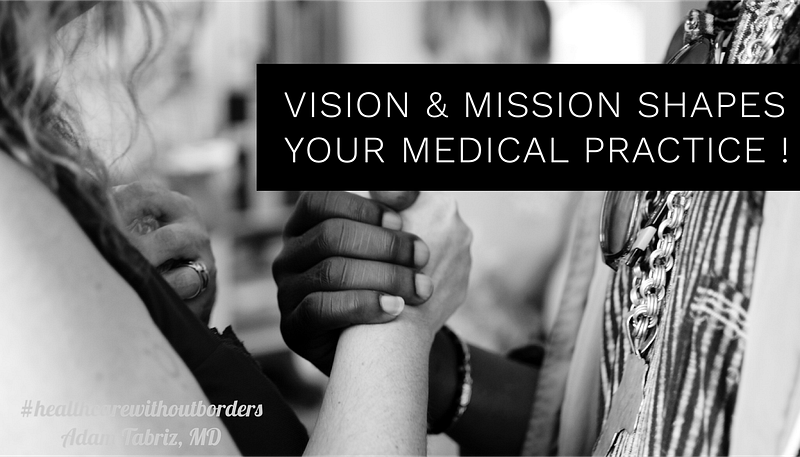
Individual Values: The fundamental necessity for successful Medical Practice
Ted Yoho, a U.S. House representative of the Republican Party, had an excellent insight into American values. He once stated how opportunity plays an essential role in the American dream, and the opportunity comes from the nation’s founding principles. These principles, which the American Constitution granted, make the U.S. a great nation. Everyone benefits equally because those ideas are neither Republican, Democratic, conservative, liberal, white, or black.
It’s not just the United States; our values are the foundation of everything we do and live by. Values guide our lives, and the same concepts also decide our actions and direction in life. Values birth to the vision and mission we undertake as a part of our life.
Vision and mission apply to big businesses and form the basis of organizational strategies. It’s crucial for any establishment, including healthcare industry stakeholders.
Whether large or small, physician practices must also have a vision and mission. Both are based on precisely defined values put forward by the founders, and everyone in practice should try their best to honor those at all times.
The Position of Value in Medicine
We are citizens in a world that is built upon values and principles. The prosperity we enjoy in the current age arises out of values that serve as the foundation of our existence. However, the force behind this prosperity is neither guaranteed nor eternal.
Values cannot be bought merely by spending a large sum of money, and you cannot have it suddenly inculcated in a person. If you’re alive, you probably have values by which you survive, work, and thrive. The values are based on experience gathered from life, education, and social role concerning others. It is an individual trait, and it’s different for everybody. Your values may not be the same as someone else’s, but for you, they are the essential things in our lives.
The Medical Industry and Its Core Values
The practice of medicine also has its own set of #values developed similarly. However, it would be incorrect to assume that you must always abide by the moral codes established by others. Unfortunately, it’s not the way things are in the medical world.
It is a very wrong misconception and quite common that you need to adhere to common medical values.
Sure, you must agree that standardization and creating a reference point are required and come as the prerequisite for accountability and efficacy. Standards are not built out of thin air; instead, they are ideally built upon the specific vision and mission, which serve as the basis for the set of morals.
It’s also essential to understand that human life comes with its variables. It would neither be fair nor ideal to commit healthcare delivery to a patient based on values created by others, such as hospital administrators. The ethics will only end up driving bylaws that would not align with a physician's.
Creating a Vision and Mission
When dealing with a small practice, it is much simpler to develop a vision embodied by everyone in the organization under the physician’s leadership. But for larger organizations such as a managed care system, the task is much more challenging with risks of potential pitfalls.
Does this mean that large organizations are not represented to respect “multi-value?!”
I believe they can!
We can fulfill that task by respecting the physician as a person and an independent professional. The same goes for the patients, who have a more crucial role in molding fundamental values. The values again vary from person to person. They are decided by the personal, social, educational, economic, and emotional beliefs of the person receiving treatment from a physician or healthcare provider.
Every genuine healthcare provider under the system believes in delivering the best possible care to their patients. It has to be considered that the concept of quality is based on two components: standard and variable.
Knowledge and skills form a particular service to the patient and serve as the building block of healthcare delivery. Based on the variables, including the standard of patient expectations and morals behind service delivery. In other words, knowledge and skills are the pillars of the tools we use to deliver medical care. Ethics and values form the precision of the delivery of healthcare.
That is why it doesn’t matter what type of technology we use, including artificial intelligence; they may fail to deliver if it is not for the power of human values.
The #vision and #mission scope of any large organization must include the respect merited by the individuality of the patient position and the stakeholders. The concept might seem challenging, but it is not so. We can implement it by ensuring that corporates work for the people’s interest, not the other way around. It can be an intimidating task, considering the large size of the organization, which increases the risk of falling into the trap of bureaucracy and dictatorship.
The key is empowering and holding organizations accountable through transparency based on their values. Missions, once established, should be respected by everyone in the organization.
Healthcare for all translates to healthcare without borders in a reality where individuals create values and ethical standards for individuals. Both will establish the foundation for genuine quality or, in simple terms, value-based healthcare delivery. We need to create a system from the best of what our values and community have been built upon, as it is the best solution offered by others.

Thanks for reading Writers Guild — A Penname publication
Share your stories on ManyStories.com to reach more readers. Auto-tweet your accounts on repeat with Signal to increase engagement.
