
Africa Internet Blackout
Internet Blackout in West and Central Africa Following Undersea Cable Failures
How Undersea Cable Failures Led to a Massive Internet Blackout in West and Central Africa
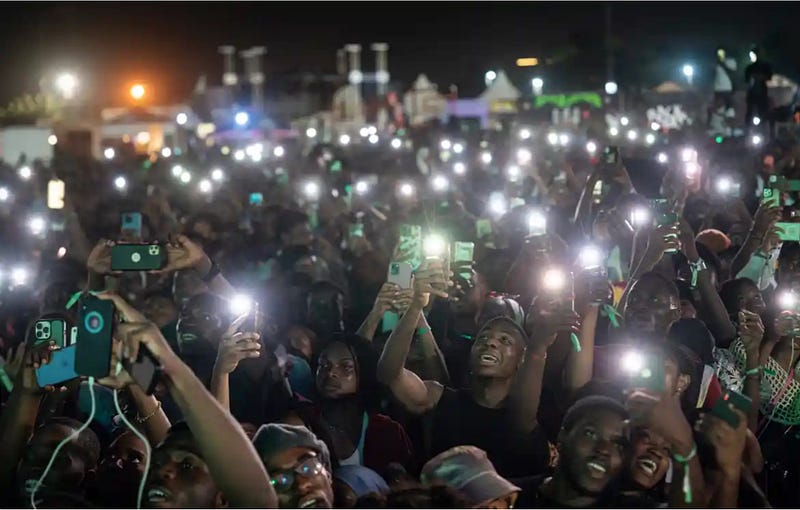
A significant chunk of west and central Africa is currently grappling with internet blackout, following multiple failures in undersea cables that provide most of the region’s high-speed internet connectivity. As we delve into this complex scenario, we will go through several critical aspects.
Table of Contents:
Here’s what we’re going to cover:
- The Underlying Issue: Understanding Undersea Cables
- The Impact: Areas Affected By The Internet Blackout
- The Consequence: Effect on Businesses and Everyday Life
- The Cause: Analysis of Cable Failures
- The Solution: Current Repair Efforts and Potential Alternatives
- The Future: Strategies to Prevent Similar Incidents
- Conclusion
- A person reflection from Jason
The Underlying Issue: Understanding Undersea Cables
Imagine a web, powerful yet invisible, fanning across the bottom of the ocean. This is the network of undersea cables that are the backbone of the global internet. Be it a video call from Nairobi to New York, an online transaction in Lagos, or a gamer in Accra playing in a global e-sports tournament, all depend on these unseen cables. On Thursday, March 14, multiple failures of these underwater telecommunication cables led to major internet outages in West and Central Africa.
The Impact: Areas Affected By The Internet Blackout
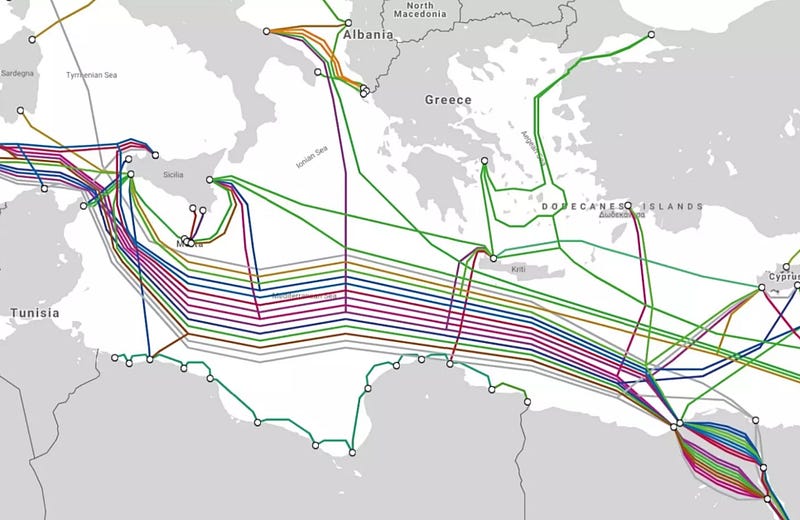
From mammoth metropolises to tiny rural towns, a dozen countries in Africa felt the sting of this digital blackout. The rapid, widespread outages were caused by simultaneous failures in several undersea cables, namely the West Africa Cable System (WACS), Africa Coast to Europe (ACE), SAT-3, and MainOne.
The Consequence: Effect on Businesses and Everyday Life
Internet services are like electricity for the 21st century — without it, life judders to a halt. Businesses suffer productivity losses, mobile and online banking is interrupted, education is impacted, and everyday communication is hindered. The chain reaction following such a disruption has significant implications for various aspects of life, business, and politics in the affected countries.
The Cause: Analysis of Cable Failures
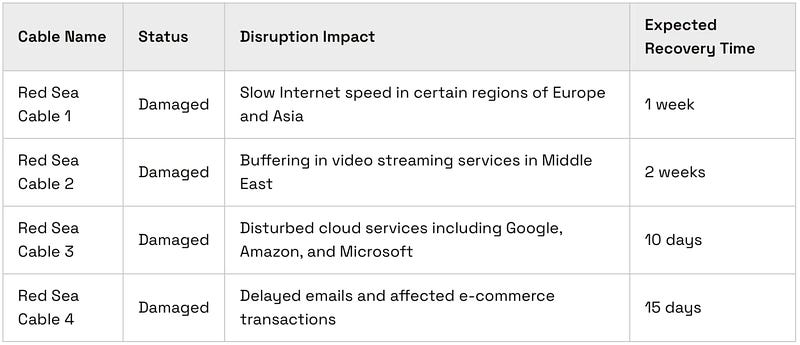
The reasons behind the multiple cable failures remained shrouded in mystery initially. However, one of Africa’s leading network providers, MTN Group, hinted at multiple issues plaguing the major undersea cables. Confirming this, NetBlocks, a group that monitors internet disruptions, stated that the problem was severe, suggesting damage at, or near, the undersea network cable landing points.
The Solution: Current Repair Efforts and Potential Alternatives
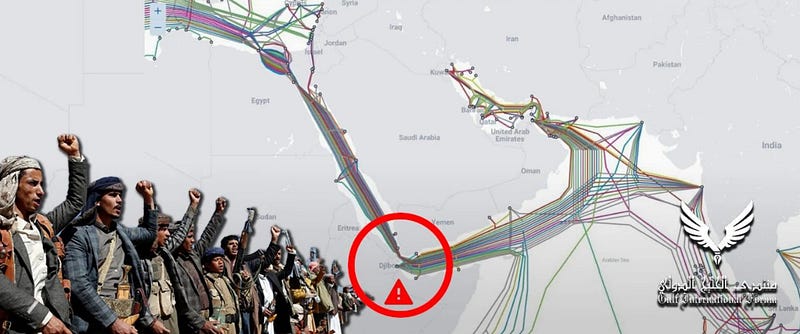
Repair and restoration of these cables are being expedited. However, such expedited recovery is no easy feat, as these cables lie deep in the ocean, far from any helping hand. Simultaneously, networks are attempting to reroute around the damaged cables. However, this workaround tends to reduce the capacity available to other countries, worsening the overall scenario.
The Future: Strategies to Prevent Similar Incidents
Considering the gravity and scale of this incident, urgent action and reviewing current systems for potential weaknesses are necessary. New strategies, advanced technology, predictive maintenance, and alternative routes might help avoid or at least mitigate future disruptions to this extent.
Conclusion
To wrap things up, the expansive interruption of internet services across west and central Africa due to undersea cable failures is quite a blow. Infrastructure like the South Atlantic 3 and other cable systems are crucial for international traffic, and their breakdown significantly impacts daily regularities, including everything from individual communication to essential business operations.
The recent outages highlight the inherent vulnerability of undersea infrastructure and illustrate the need for alternative solutions. Pioneering collaborations, such as the one between Mauritius Telecom and Microsoft, which saw the implementation of the 2Africa cable — a 45,000km underwater marvel — are steps in the right direction.
While this incident was blamed on cable breaks, possibly due to an undersea landslide, it’s a stark reminder of how vital these unseen links are and, more vitally, the need to protect and maintain them. Let’s take these events as a call to action, for both governments and companies alike, to fortify our digital lifelines. After all, the future waits for no one, and the world cannot afford to wait for the internet to catch up.
A Personal Reflection from Jason

Have you ever watched that little buffering circle on your screen spin mindlessly, leaving you feeling frustrated and powerless? As someone who relies heavily on the internet for my everyday tasks, this experience throws off my entire rhythm. I use it to catch up on the news, communicate with sources, and edit my articles. So, when even a temporary hiccup occurs, it feels like a major roadblock. Now, imagine this same scenario, but instead of a brief hiccup, the internet outage persists for days, weeks, or even longer. It’s a reality that many in west and central Africa are facing right now due to failures of undersea cables that provide their internet connection.
“In our interconnected world, where instant communication is taken for granted, to be suddenly plucked off the grid is a visceral reminder of our absolute dependency on technology. The ongoing internet blackout in west and central Africa underscores this harsh reality. It’s not just about convenience anymore; instead, it determines how communities engage, how businesses operate and even how governments function.”
To fully appreciate the gravity of the situation, let me quickly list a few vital activities affected by this outage:
- Distance learning and online education
- E-commerce and online businesses
- Telemedicine and healthcare appointments
- Government services and administrations
This outage is not just a technical issue to be fixed, it’s a stark wake-up call about the robustness of our global digital infrastructure, especially in regions where alternate forms of connectivity are scarce.
