
Understanding the Red Sea Cable Damage: A Worldwide Internet Disruption
Internet Disruption Worldwide: Damaged Red Sea Cables Disrupt Global Web Traffic with Cyber Security Concerns.
Global Internet Disruption: The Impact of Red Sea Cable Damage
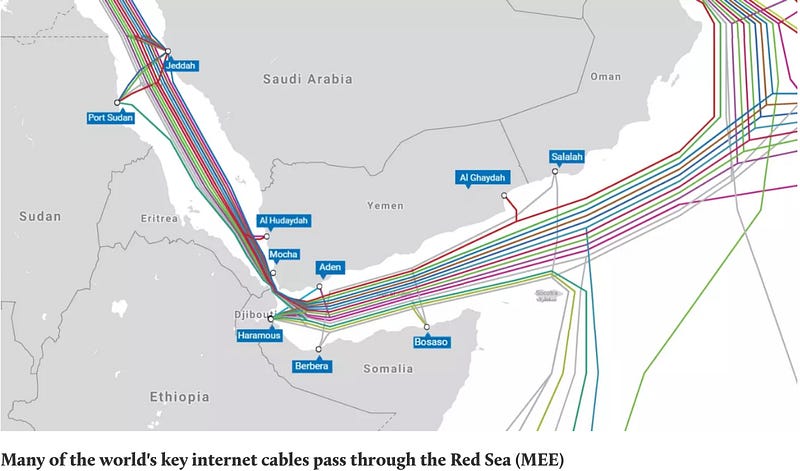
Table of Contents
- Understanding the Role of Undersea Cables
- Significance of Red Sea in Internet Infrastructure
- Subsea Internet Cable Damage
- Disruption Risks Identified by European Parliament
- Insights from Network Engineers
- Conclusion
Understanding the Role of Undersea Cables
Imagine this — you’re settled comfortably in your chair, your favorite beverage in hand, ready for a relaxing evening of streaming your favorite shows. Suddenly, the dreaded buffering symbol appears on screen. Internet connectivity issues can throw a wrench in even the most well-laid plans, and today, those disruptions are more prevalent thanks to some trouble brewing beneath the Red Sea.
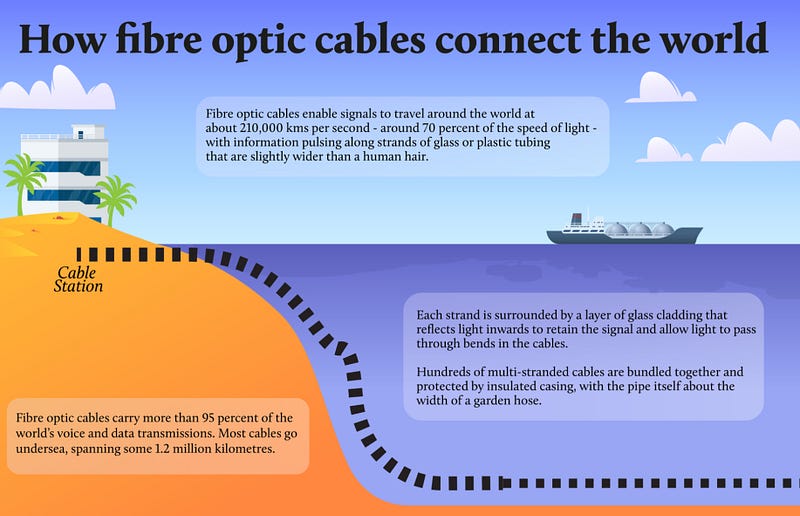
“Undersea internet cables nestled on the ocean floor are the unsung heroes orchestrating global connectivity, quietly humming away beneath the waves. Recently, these cables in the Red Sea region have suffered extensive damage, resulting in a significant disturbance in the rhythm of online traffic.”
Significance of Red Sea in Internet Infrastructure
As invisible as these deep-diving data channels may be to you, their impact reverberates worldwide when they’re compromised. So, let’s delve into the implications of this event, the steps being taken to resolve it, and how this impacts you in your daily online activities.
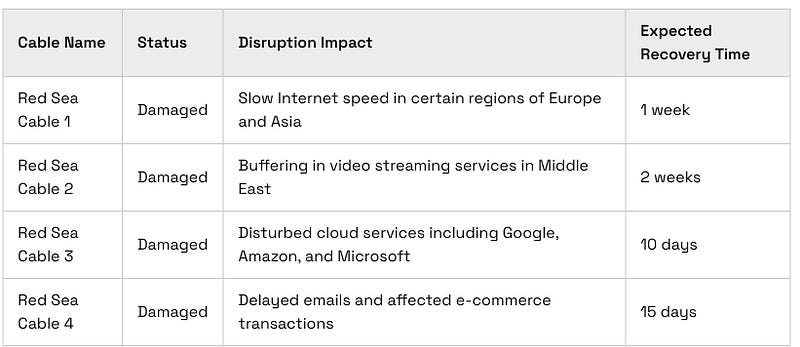
Among those affected were heavyweight services such as Google, Amazon, and Microsoft cloud services, causing ripples of disruption across several countries and enumerable online platforms.
Subsea Internet Cable Damage
The damage is significant. It impacted internet service across Asia, Europe, and the Middle East, with as much as 25% of the traffic in these areas experiencing some level of disruption. Over seven countries experienced varying degrees of interruption, and users of over-the-top services certainly felt the pinch. Of particular note was the degradation of service in India, Pakistan, and parts of East Africa; while no country was entirely disconnected from the internet, the lower quality of service was hard not to notice.
Disruption Risks Identified by European Parliament
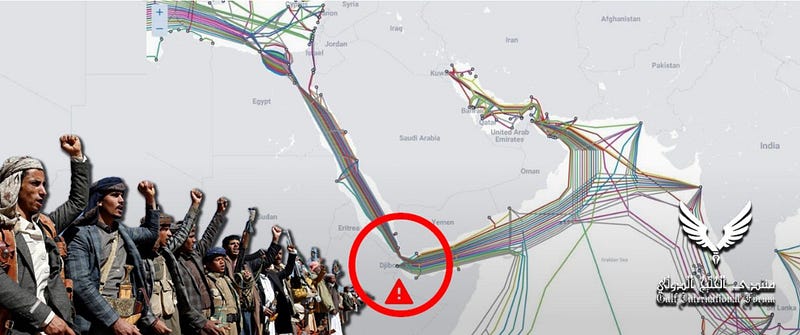
In this digital age, events like this illuminate the fragility of our global network — a series of 550+ subsea internet cables that, for all their importance, are susceptible to damage and dysfunction. Imagining life without the internet is almost impossible today, isn’t it? These cables are the lifeline of our virtual existence, and their potential vulnerability raises pressing concerns, especially during international conflicts.
Insights from Network Engineers
As daunting as this sounds, efforts are underway to resolve the issue and mitigate its impact. Companies involved are scrambling to restore services to their optimal levels, and this incident serves as a stark reminder for the need for robust contingency plans. After all, your cat videos, group chats, online streams, cloud documents, and every digital aspect you hold dear depend on this fragile deep-sea infrastructure.
Conclusion
In conclusion, the damage to the Red Sea undersea cables has deeply affected the internet services in diverse sectors across Asia, Europe, and the Middle East. This occurrence underscores how pivotal these often overlooked underwater highways of internet connectivity are, in maintaining not only our internet access but impacting e-commerce transactions, email correspondences, cloud services, and even seamless streaming of our favorite shows.
The geopolitical dynamics, specifically the potential involvement of the Iran-based Houthis, reveal the fragility and vulnerability of these underwater cables to disruptions. Geopolitical rivalries becoming a risk factor for the internet continuity is indeed a concerning issue that demands an effective resolution. Furthermore, the recovery periods conservatively estimated between a week to 15 days, further emphasize the urgency of efficient damage control and prevention mechanisms to safeguard this invisible, yet critically important infrastructure.
Overall, it’s crucial for stakeholders to appreciate the strategic importance of undersea cables situated in zones like the Red Sea and implement proactive strategies to ensure future internet stability and security.


