
Internal Longevity: Why The Best Companies Take A Break
How Shopify & Co. Keep Their Best Employees & Achieve Long-Term Success.
In late 2019, Shopify made headlines for being a $48 billion business. The Ottawa-based venture is already making waves in 2020: they announced a program to offer loans of $200 to anyone who wants to build their enterprise.
While $200 doesn’t sound a lot, it was enough to grow some of its members “into multimillion-dollar companies.” Don’t believe me? Believe Trevor Chapman, who built his $1 million Shopify empire from $200 in just 92 days.
“Chapman spent a few hours a night on the project, and start-up costs were minimal, about $200 he says. He bought a domain name for $2.99 a year and set up a Shopify account via a $14 trial. The most expensive thing was when he started spending $100 a day on a Facebook advertising budget. LDSman.com went live on Nov. 11, 2016.” — CNBC, May 2017

It is clear that Shopify built a brand for serving entrepreneurs when initially starting their businesses. Shopify innovated in all fronts of their space. Need a website for your business? Shopify is here to the rescue. Don’t have any financing? No worries, Shopify Capital can provide you with that. Don’t know what to do with a $200 starter loan? That’s okay, you have plenty of options from marketing your brand to shipping your first line of inventory.
Yet a question we forget to ask about Shopify is this: how did they do it? For a company that is almost 16 years old (66% of businesses fail during their first ten years), how did they constantly stay ahead of the curve and innovate?
Here’s a hint: they played the long game.
Like a patient tortoise pitted against the brash hare, Shopify viewed their adventure as a marathon and not a sprint.

Shopify was founded in 2004 Ottawa, not exactly near Sand Hill Road. Nor have the founders had “real jobs” before it.
Starting up is hard. It’s even harder when you’re not in a place with immense access to mentors.
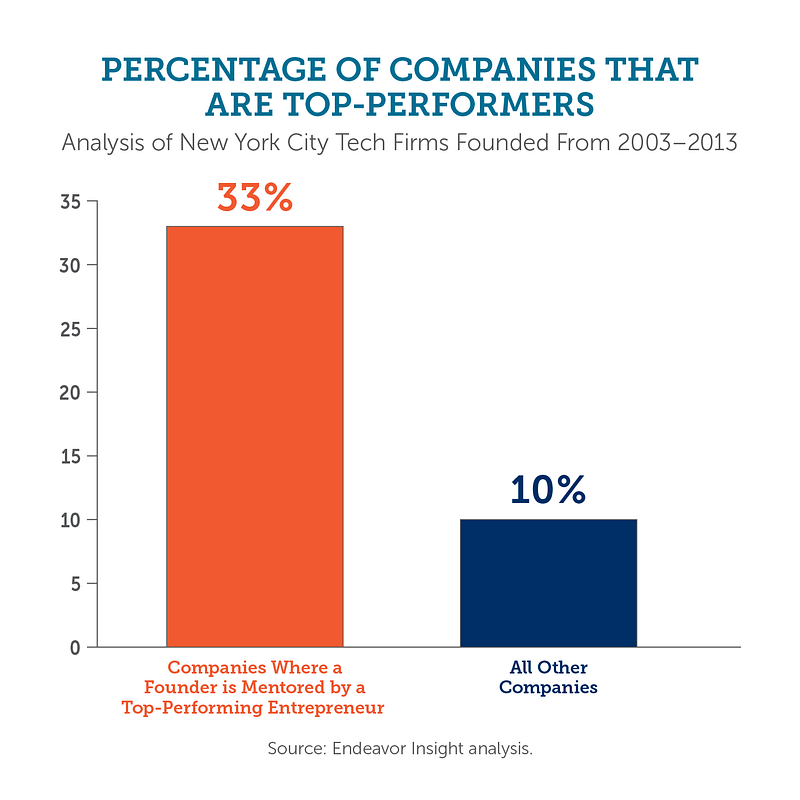
Considering this, how did Shopify defeat the odds?
The founders knew they had to do things differently. The way they did this was by caring about people needs first— starting with themselves.
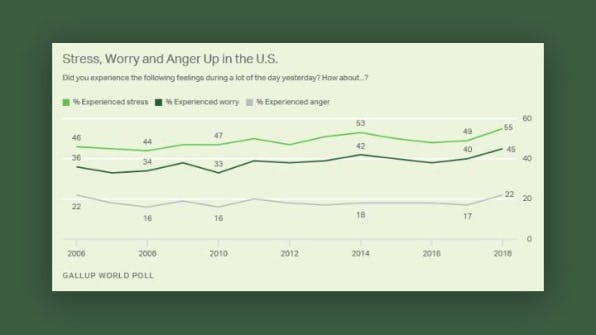
A people-first mentality is not necessarily the most popular. Many workplaces (and workers) fall for the “hustle harder” culture. Hustle culture isn’t exactly the best for our bodies. Americans have reached record highs of feeling stressed. It’s no coincidence that 8% of startup deaths are due to burn out.
Even in their best years, Lutke never feels the need to stay after hours in the office.
This all comes at a time when conventional startup wisdom is increasingly coming into question. Should we focus on turning a profit before raising growth capital, or vice versa? Is turning a profit right now more important than a planned path to profitability? Is my career more important than my life?
Instead of falling for the lure of hustle culture, Shopify separates itself from the pack with how it views performance of its employees. Shopify prioritizes the longevity of employee tenure, this indicates a symbiotic relationship: the personal growth of the worker means success for the business. The same is not true for many tech firms. The software industry has the highest employee turnover.
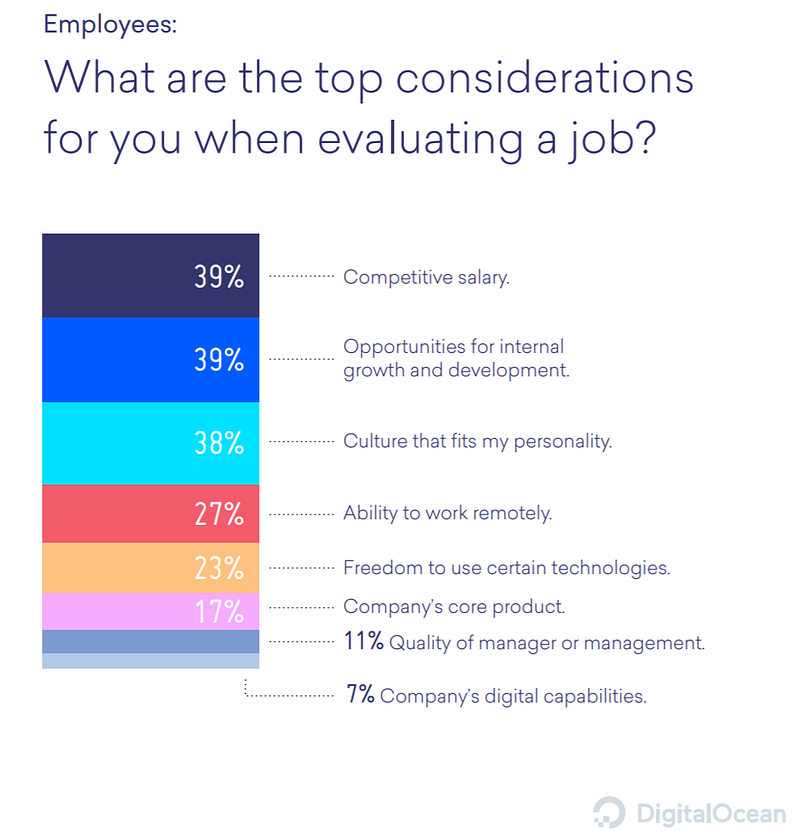
Despite the fact that Shopify’s employee turnover and retention rates are not public, it wouldn’t be surprising if they performed better than most. “Opportunities for internal growth and development” ties for first with competitive salary when software developers look for work. Ironically, it might be easier to find firms with the latter than the former in tech.
This leads to a final point: employee turnover has a direct negative effect on sales performance. This is more empirical than it is hypothetical.
MIT Professor Zeynep Ton pondered on the notion that employee salaries “detract from profitability.” Do your employees prevent you from growth, or do they help burgeon it?
“ Are workers mostly costs that detract from profitability, or are they engines that drive revenue growth?” — Inc Magazine, 2014
The professor found that the latter is more true than the former. In a study on Borders (before they went out of business), she found a direct relationship between stores with the highest turnover and their performance.
“There was a clue: The Borders stores with the highest turnover, and the least employee training, had the biggest problems with phantom stock. So Ton started to look at the effects of investment in employees — in the form of training and pay — on profitability. She soon found a group of companies that invested in their employees, paid them relatively well, yet were more profitable than their peers.” — Inc Magazine, 2014
Phantom stock is an item in a store that is registered as “in stock” but can’t be found in the store. Ton’s study found that 25% of Borders’ profits were being ghosted by phantom stock.
Instead of spending thousands of dollars recruiting people who’ll only leave after a few years or less, Shopify’s approach is to grow their business through their employees. The founder of Shopify said it best, “the skill of the company is the sum of the individuals skills and context.” How can the company perform well if your performers are constantly leaving?


