Interesting facts about tea. 9 surprising facts about the world’s most popular drink
You drink it several times a day and in several ways. And do you know where tea comes from, how it is produced and the difference between the green variety and black? Here is a selection of interesting facts about tea.

For some, hot tea is a nice culmination of a busy day. For others, it’s a cure for a cold, or a companion for a get-together with friends. Statistics show that it is the most popular drink in the world — second only to water. Below are interesting facts about tea.
What is the history of tea?
Tea plants originated in the sub-Himalayan province of Yunnan, China. They were discovered there as early as around the 11th century BC. But it wasn’t until 1,500 years later, when Buddhism began to spread in China, that tea became the national drink of the Chinese people. It was Buddhist monks who first appreciated the refreshing and tonic benefits of tea. They also began to establish its first plantations.
The oldest tea in the world was discovered in the tomb of a Chinese emperor. Or, more precisely, in the mausoleum of Emperor Jing of the Han Dynasty (202 BC — 220 AD).


Where does the tea we drink come from?
Most of us know that tea comes from China, Sir Lanka (Ceylon) and India. Less well known are teas from Kenya, Malawi, Argentina, Indonesia, Vietnam and Turkey.
Do all teas come from one plant?
Tea comes from a single plant, Camellia sinensis. However, it is grown in many different countries, with different geographic and climatic conditions, on different types of soil. All these natural factors affect the final taste of the tea.
What is the difference between green tea and black tea?
Both green and black tea come from the same plant. After harvesting, the leaves are spread out on large tables, where they lose excess water, in order to make them soft and tender, which helps in their subsequent slicing. During the slicing process, enzymes are released and the tea is oxidized.
In the case of black tea, this process can continue until the leaves turn brown. Then they are heated to stop the fermentation process. Green tea undergoes a shorter oxidation process, and sometimes it is even skipped. As a result, it maintains its green color and delicate flavor.
White tea belongs to the unfermented varieties. It is produced like green, but only from the youngest shoots and undeveloped leaves, still covered with a white down.

What is red tea?
Red tea is pu’er, or maturing tea. It has a specific flavor and aroma. Thanks to bacterial cultures, it matures for years, like cheese or wine. The Chinese believe it is the queen of teas. Pu’er comes from the cradle of tea — Yunnan. The best grades, usually whole leaves later pressed into round, half-kilogram briquettes, are harvested in the Xishuangbanna region from wild-growing bushes as old as 800 years.
What is yellow tea and turquoise tea?
Yellow tea was served at the imperial court. During production, it is first slightly heated, then briefly fermented (fermentation of up to 15 percent).
Turquoise tea is otherwise known as wulong (oolong). The leaves are first wilted, then rolled and dried. Thus prepared, they partially ferment, mainly at the edges. This gives them a blue-green color.
What is the best way to store teas?
Tea absorbs foreign odors very easily. It’s a good idea to store it in sealed vessels, such as opaque glass or porcelain containers. You can also use airtight tin vessels, such as tins. The exception is pu’er, which needs access to air. Tea should not be stored in the refrigerator or freezer, as this can have a negative effect on its taste.
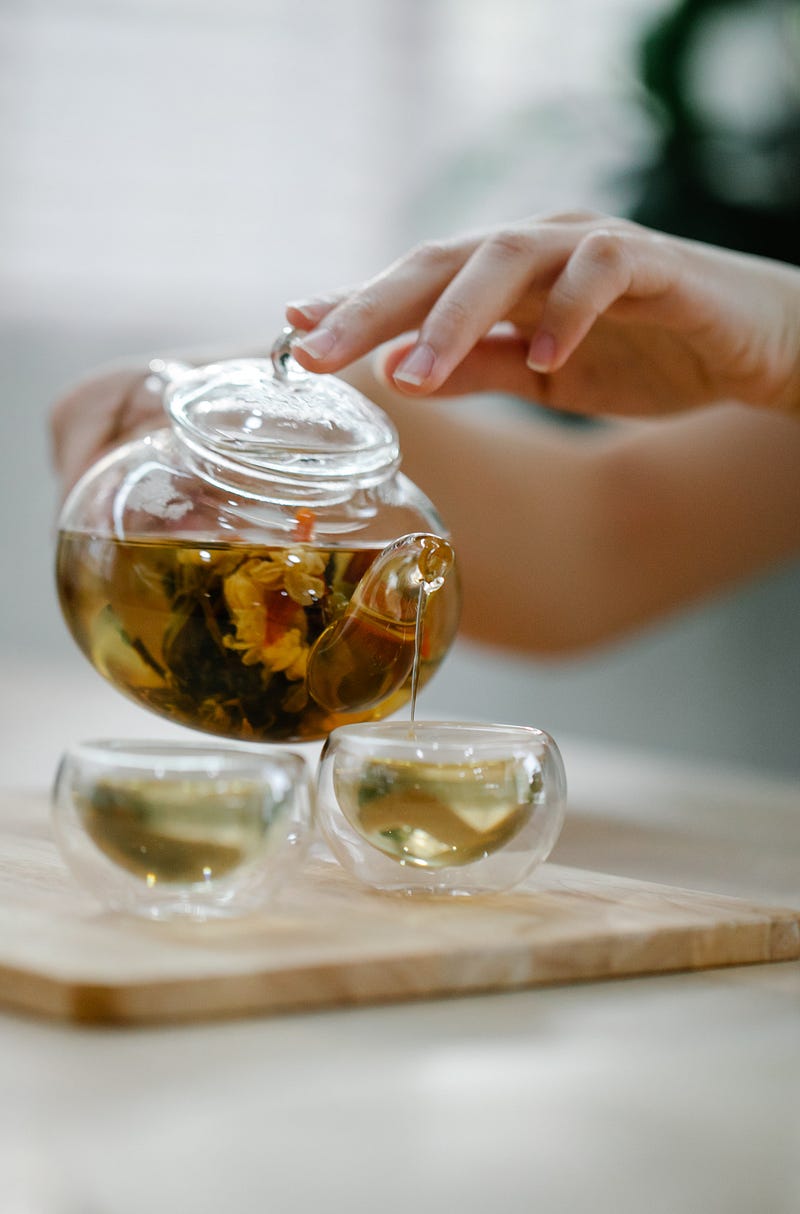
Which tea is the most expensive?
Rare Chinese teas cost crores. The most expensive Chinese tea is Pumpkin Tribute Tea. A kilogram of the original costs more than 3 million dollars.
Where did tea in bags come from?
In 1904, a trader in Boston began sending tea samples in silk sachets to customers. Thus began the dizzying popularity of tea in “bags.” They allowed manufacturers to quickly and cheaply flood the market with portioned mixtures of crushed teas of inferior varieties.
Studies have shown that tea bags release millions of plastic microparticles into the beverage. About 96 percent of the bags contain polypropylene, a plastic used to seal and maintain shape. Scientists do not yet know whether these microscopic particles are harmful to human health.
Thank you for reading! If you enjoyed this content, please consider giving it a clap, leaving a donation, or offering a tip to support my work. Your generosity helps me continue creating valuable content.