Industry Talk Time: The Bunge-Viterra Merger Is Kind Of A Big Deal!
Going into this weekend there was a story that just barely slipped by in the world of international business news…
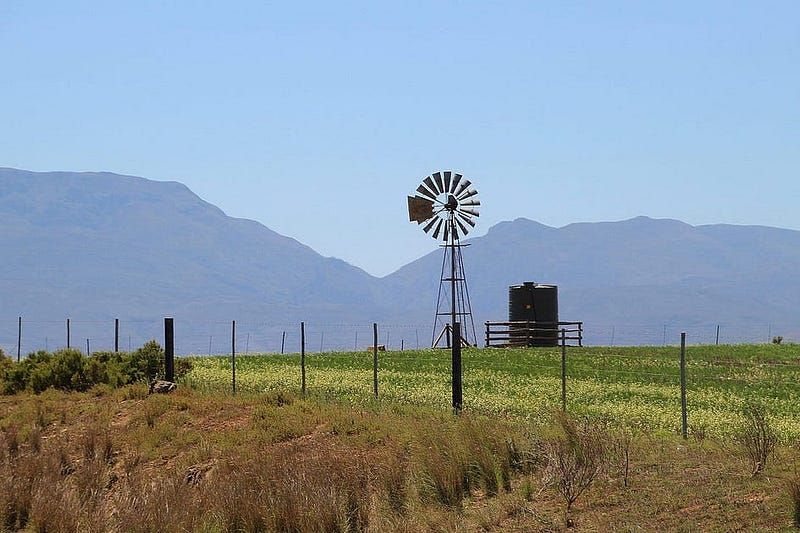
And it’s kind of a big deal: In what has been one in the many mergers & acquisition stories of the year, Bunge and Viterra are merging into one agriculture trading company at a price of $18 billion, and the deal just received shareholder approval for mid-2024.
Even though shareholder approval was important from the standpoint of the two individual companies that will merge, the deal was being scrutinized by much more powerful regulatory authorities, such as the Canada Transportation Act. Here’s what Canada’s Minister of Transport Pablo Rodriguez said about the Bunge-Viterra merger’s impact o Canadian farmers:
“Healthy competition in the transportation sector is necessary to ensure fair pricing and access for users, especially for Canadian farmers.”
The companies are primarily trading in grains and oilseeds, putting them up against the highly competitive trading companies known as ABCD group — Archer Daniels Midland, Bunge, Cargill and Louis Dreyfus (ABCD).
Viterra is owned by Swiss-based global mining and commodities giant Glencore, whose CEO Gary Nagle said:
“The merger of Viterra with Bunge is expected to realise significant value for Glencore. Our investment in the agriculture sector dates back over 40 years and has grown from being a small grains trader to being part of a world leading, fully integrated global agriculture network. The combined group would be a premier pure-play agribusiness solutions company, well placed to meet increased global demand as well as the ongoing challenge of providing sustainable, traceable food and feed products to customers around the world.”
Bunge Limited is based in St. Louis, Missouri of the United States. Upon releasing details about the company’s merger with Viterra, CEO Greg Heckman, said:
“The combination of Bunge and Viterra significantly accelerates Bunge’s strategy, building on our fundamental purpose to connect farmers to consumers to deliver essential food, feed and fuel to the world. Our highly complementary asset footprints will create a network that connects the world’s largest production regions to areas of fastest growing consumption, enhancing the geographical balance and adaptability of our global value chains and benefitting farmers and end-customers.”
The value of this merger has a potential to reach $34 billion, as the market for grains and oilseeds have seen much-higher prices since the disruptions to agriculture supply chains and price shocks from fertilizer inputs have went up in tandem with geopolitical trends and food insecurity.
Have a look at some of the latest agriculture news below to understand why the agriculture industry is concerned about these global market trends.
The Upcoming Elections in Argentina
It was recently reported that some of world’s largest agriculture companies — Cargill Inc., Louis Dreyfus Co., and China’s state-owned Cofco Corp — feel uneasy about the upcoming elections and political changes in Argentina this year.
Representatives from the global agribusiness leaders expressed their concerns about the agriculture industry in Argentina during a soybean conference in Rosario, a significant trading hub located in Argentina.
Speaking on behalf of all represenatives, Pablo Scarafoni, head of commercial operations for Cargill in South America, told an audience in Rosario that the outcome of Argentina’s election will be a decisive matter for the country’s agriculture industry; and thus a crucial factor in the global agribusiness leaders’ economic forecasts. Here’s what he said:
“It’s very sad for me to see how Argentina has lost influence and relevance in global markets. While Brazil is growing with gigantic strides helped by the political and economic framework, while the US also grows with policies like biofuel mandates, Argentina’s soy production is stagnant.”
Argentine elections are to be held on October 22. Reuters also reported this week that the South American country is poised to develop its oil sector to attract more foreign investment by loosening the government’s grip on the country’s exchange rate for the Argentine peso.
Many analysts following the elections in Argentina believe that a controversial political figure, Javier Milei of the Liberty Advances coalition, will win the elections in October.
Milei is known as a stauch supporter of former American President Donald Trump but also for his radical views on the country’s sex education and gun policies.
But there’s another important aspect about the agriculture industry today, which should be high on the agenda of anyone engaging in industry talk time: how the world’s largest agriculture producers are investing in advanced technologies. Read more about some of these investments below.
The Mosaic Company Will Enter The Biologicals Market
US-based fertilizer producer The Mosaic Company has been grabbing headlines in the global fertilizer industry, since Russia’s invasion of Ukraine put a spotlight on disruptions to global fertilizer supplies.
The world’s largest fertilizer companies, such as The Mosaic Company, Nutrien Ltd., and Yara International, have become very profitable as a result of those disruptions to the global fertilizer market.
The Mosaic Company appears to be using its profits to break into new agriculture markets and technologies. In a story that was reported by Brownfield Ag News on 19 Septmeber 2023, the US fertilizer producer intends to break in to the biologicals market and provide crop nutrition products.
This move is part of the company’s broader efforts to become a global agriculture market leader through its Mosaic Biosciences™ platform.
Vice President of Strategy and New Business Platforms at The Mosaic Company, Floris Bielders, shared this news with the public:
“Mosaic Biosciences is a natural extension of our strong crop nutrition portfolio. Rooted in science and proven in the field, our portfolio of biological technologies supports the existing biology in plants and soil to deliver healthier, stronger crops.”
The world’s largest agriculture companies are investing in these new platforms and technologies due to a variety of tailwinds facing the future of global agriculture markets. For instance, I wrote about one of the latest business news stories explaining how Starbucks and Nestle’s coffee products are likely to be affected by climate change conditions in Latin America.
Moreover, this is also about competition for the global market trends in agriculture, since investments in research and development are playing a much bigger role in food systems.
Advanced technologies are being employed by agriculture companies worldwide, as the agriculture news about Cargill reveals to readers, in the forms of AI applications and other investments.
Cargill Launches Protein Innovation Hub In France
It was reported by Food Ingredients First that “Cargill opens ‘world of protein under one roof,’ boosting chicken concepts and AI for animal welfare” on 29 September 2023.
Cargill decided to upgrade its chicken specialty facility in Saint-Cyr-en-Val, France, as a result of increasingly higher demand for poultry products. This led the company to launch the Protein Innovation Hub.
According to Karel Zimmermann, managing director of Cargill Protein Europe, the company’s investments in the Protein Innovation Hub are a direct response to this global market trend. Here’s what he said:
“People are consuming more chicken than ever because it is an economical and nutritious protein that tastes good. Many consumers want their chicken to come with the marinade already done, pre-stuffed, pre-seasoned, with curious taste buds inspiring a new range of flavors and spices.”
Cargill is one of the world’s largest agriculture producers. It thus plays a big role in the global agriculture markets, including which types of foods get priority investments over others. Chicken appears to be the company’s primary focus recently.
For example, Cargill’s poultry operations in China played a big role in the country’s agriculture modernization and food safety programs. And now the company is rolling out an automated welfare tracking system through its “ChickenCheck” program that utilizes AI applications to improve on its animal welfare programs in China.
Advanced technologies are being employed by agriculture companies worldwide, as this Industry Talk Time about the agriculture industry and global market trends has tried to illustrate to readers.
It’s important to know how the world’s largest agriculture companies are playing a role in food systems of the future. Read more about the global trends in Areas & Producers.

Sign up for The Weekend Brief newsletter by Areas & Producers: A weekend guide to international issues and global markets. You can also have a look at an industry analysis about US farm equipment and agriculture technologies in last week’s newsletter.
By signing up, readers would receive all of the weekly content and updates from Areas & Producers on the subjects of investing, tech, mining, energy, EVs, AI and world. Sign up for the newsletter and instantly receive the content, to the e-mail inbox provided, every Saturday and Sunday.