avatarWorld As One 4PEACE

Free AI web copilot to create summaries, insights and extended knowledge, download it at here

1998

Abstract

coffee by up to 50%” by 2050.</p><p id="0397">And that’s where we should begin discussing the global market trend. How will companies like Starbucks retain market share during these climate change conditons in the future?</p><p id="0958">To explain further, let’s have a quick look at what Nestle is doing.</p><p id="c831">According to<b> <a href="https://www.foodnavigator-usa.com/Article/2022/12/14/Nestle-expands-coffee-options-under-Nescafe-Nespresso-and-Starbucks">Elizabeth Crawford</a></b>, writing for Food Navigator, Nestle intends to expand on its global market share in three ways:</p><ul><li>selling more products for the at-home coffee consumption experience</li><li>balancing its products in the coffee consumption patterns of at-home and out-of-home market segments</li><li>pursuing global markets where coffee consumption is relatively low</li></ul><p id="4860">The third point is the most significant to global markets. As companies seek to expand into larger consumer markets, such as China, India and some African countries, Nestle is positioned to do exceptionally well during this phase of expansion.</p><p id="83ac">How does Nestle intend to roll out a strategy for those markets? One finding is that the company has been investing in Industry 4.0 capabilities in China.</p><p id="76a0">Industry 4.0 is a critical part of future business development — referred to as future-proofing among futurists and CEOs alike — which entails how Nestle is planning for the future by investing in high-tech capabilities via research and development (R&D) spending.</p><p id="be17">I’m not the only one who thinks so. CEO Mark Schneider has clearly laid out the company’s ambitions to continue <a href="https://www.facebook.com/chinadevelopmentforum/videos/cdf-voice-nestl%C3%A9-sa-ceo-mark-schneider-nestl%C3%A9-optimistic-about-chinese-market/1253926784762978/"><b>investing in China</b></a>:</p><blockquote id="b491"><p>Nestle is very optimistic about the future prospects of the Ch

Options

inese market. We have strengthened our business by investing in a diverse industrial set-up, including training and technical assistance to farmers, research and development, manufacturing and food safety.</p></blockquote><p id="8834">On the other hand, sustainability and digitisation is a top concern for the company going forward as well. This is a crucial market driver for Nestle, especially as consumers in North American and European markets are becoming more conscientious about how the products are being sourced, manufactured and supplied to the marketplace.</p><p id="558e">Global agriculture producers are also carrying out an industry 4.0 strategy in China to respond to global market trends. Just look at <a href="https://readmedium.com/agriculture-news-cargill-launches-protein-innovation-hub-in-france-2652637ba693"><b>Cargill’s Protein Innovation Hub</b></a>, which was launched in France, but relies on the company’s research and development investments in China.</p><p id="3d48">It’s important to know how the world’s largest agriculture companies are playing a role in food systems of the future. Read more about the global trends in <i>Areas & Producers.</i></p><p id="077f">The content in<i> <a href="https://medium.com/areas-producers"><b>Areas & Producers</b></a></i><b> </b>provides a methodology for readers and writers who are curious about global trends and the future of the world.</p><div id="b4eb" class="link-block"> <a href="https://medium.com/areas-producers"> <div> <div> <h2>Areas & Producers</h2> <div><h3>Developing Concepts Around Scenarios/Shifts Of The Future</h3></div> <div><p>medium.com</p></div> </div> <div> <div style="background-image: url(https://miro.readmedium.com/v2/resize:fit:320/1*GFIzprry0M39ybeabKd9OQ.jpeg)"></div> </div> </div> </a> </div></article></body>

Business News — Starbucks & Nestle Coffee Products To Feel Impact From Climate Change
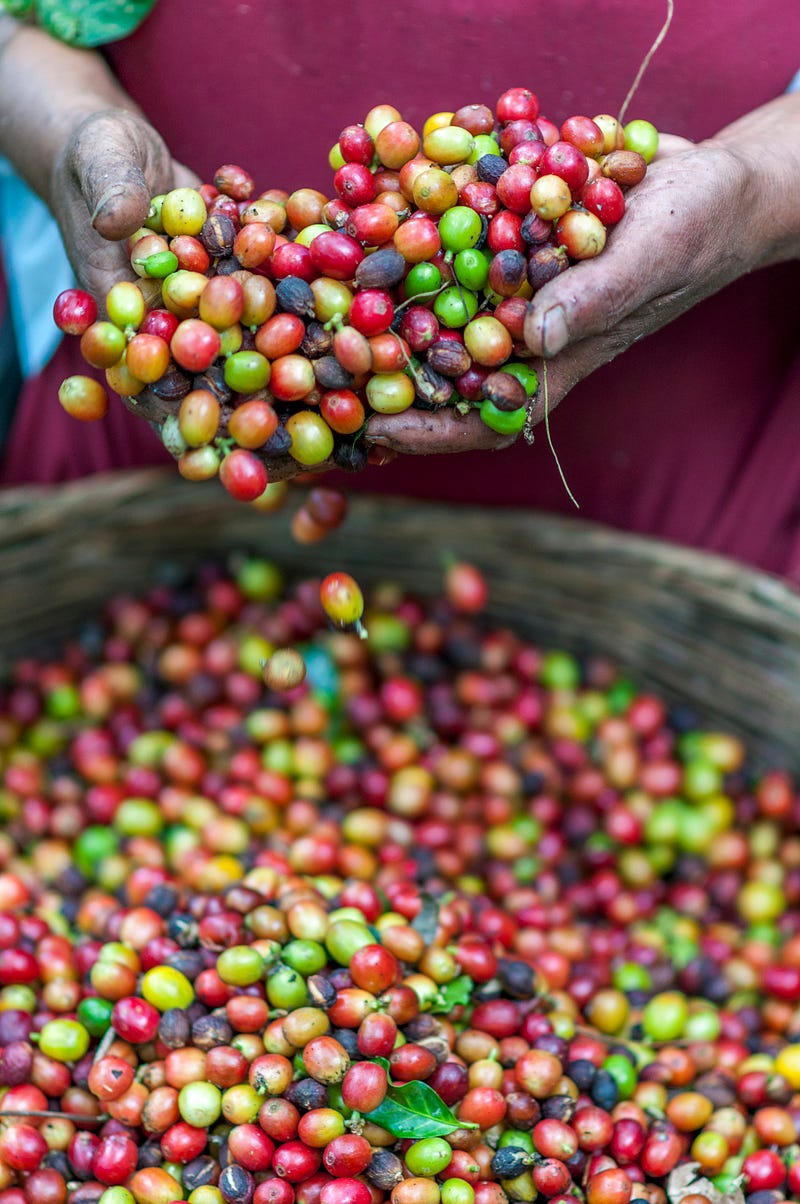
Photo by Rodrigo Flores on Unsplash

CNN Business just put out a report about how “Starbucks is working on solutions” to protect is global coffee business and reputation from climate change. It’s an in-depth report that goes into all of the details surrounding Starbucks’ latest investments into new coffee strains.

The arabica coffee bean is what is at stake here. Climate change is having a severe impact on areas of Latin America, where Starbucks sources most its coffee beans.

According to a statement from the Inter-American Development Bank, areas of Latin America and the Caribbean, forming the coffee belt, are likely to see that “rising temperatures will reduce the area suitable for growing coffee by up to 50%” by 2050.

And that’s where we should begin discussing the global market trend. How will companies like Starbucks retain market share during these climate change conditons in the future?

To explain further, let’s have a quick look at what Nestle is doing.

According to Elizabeth Crawford, writing for Food Navigator, Nestle intends to expand on its global market share in three ways:

  • selling more products for the at-home coffee consumption experience
  • balancing its products in the coffee consumption patterns of at-home and out-of-home market segments
  • pursuing global markets where coffee consumption is relatively low

The third point is the most significant to global markets. As companies seek to expand into larger consumer markets, such as China, India and some African countries, Nestle is positioned to do exceptionally well during this phase of expansion.

How does Nestle intend to roll out a strategy for those markets? One finding is that the company has been investing in Industry 4.0 capabilities in China.

Industry 4.0 is a critical part of future business development — referred to as future-proofing among futurists and CEOs alike — which entails how Nestle is planning for the future by investing in high-tech capabilities via research and development (R&D) spending.

I’m not the only one who thinks so. CEO Mark Schneider has clearly laid out the company’s ambitions to continue investing in China:

Nestle is very optimistic about the future prospects of the Chinese market. We have strengthened our business by investing in a diverse industrial set-up, including training and technical assistance to farmers, research and development, manufacturing and food safety.

On the other hand, sustainability and digitisation is a top concern for the company going forward as well. This is a crucial market driver for Nestle, especially as consumers in North American and European markets are becoming more conscientious about how the products are being sourced, manufactured and supplied to the marketplace.

Global agriculture producers are also carrying out an industry 4.0 strategy in China to respond to global market trends. Just look at Cargill’s Protein Innovation Hub, which was launched in France, but relies on the company’s research and development investments in China.

It’s important to know how the world’s largest agriculture companies are playing a role in food systems of the future. Read more about the global trends in Areas & Producers.

The content in Areas & Producers provides a methodology for readers and writers who are curious about global trends and the future of the world.

Business
Coffee
Food
Investing
Climate Change
Recommended from ReadMedium