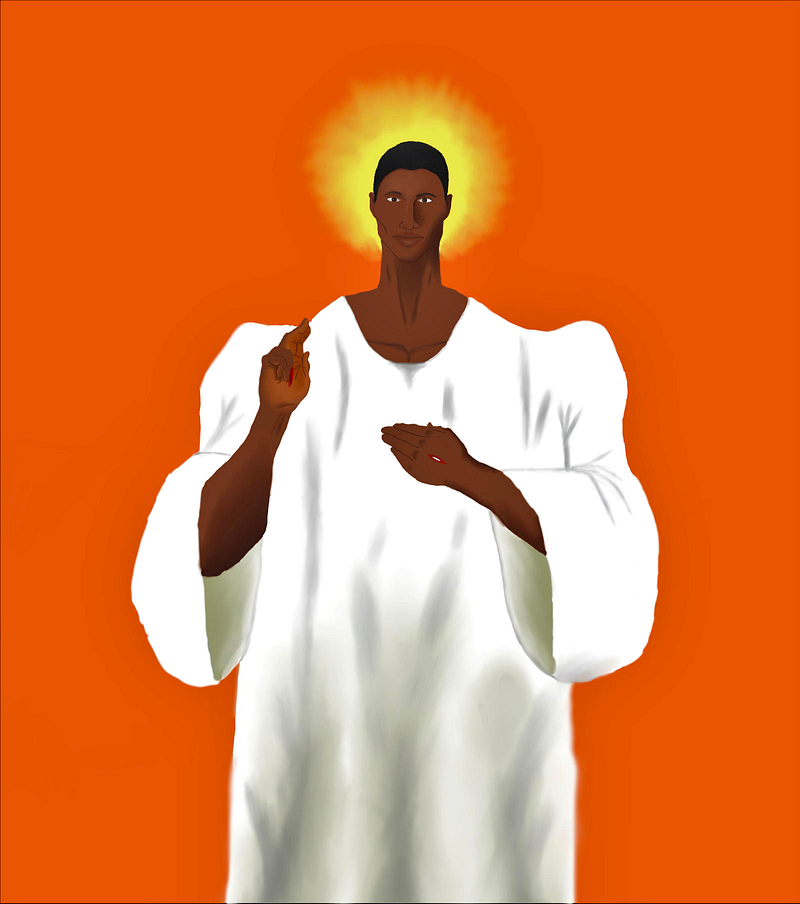
When Jesus was Black
How do Black painters face the messiah’s race?
For two millennia, Christians lived with the daily assertion that Jesus is white. Only now do I reflect on what a shameless grab for power this has been.
I’m thinking about the various efforts to make counter-statements, to imagine Jesus as Black. There’s a number of notable examples, like the crucifix at Regis University by Jan Van Ek, a white woman.
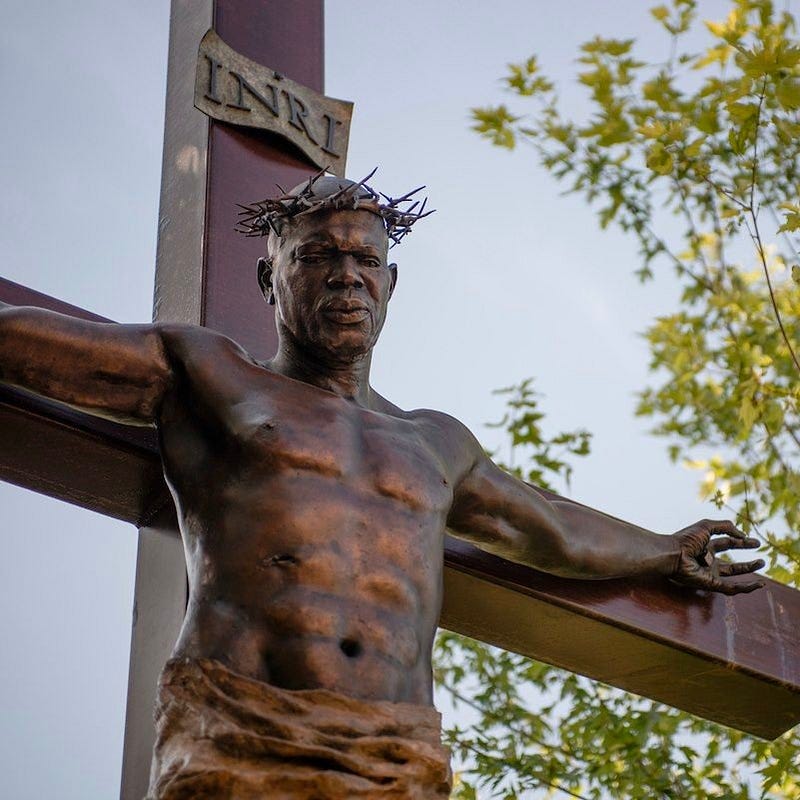
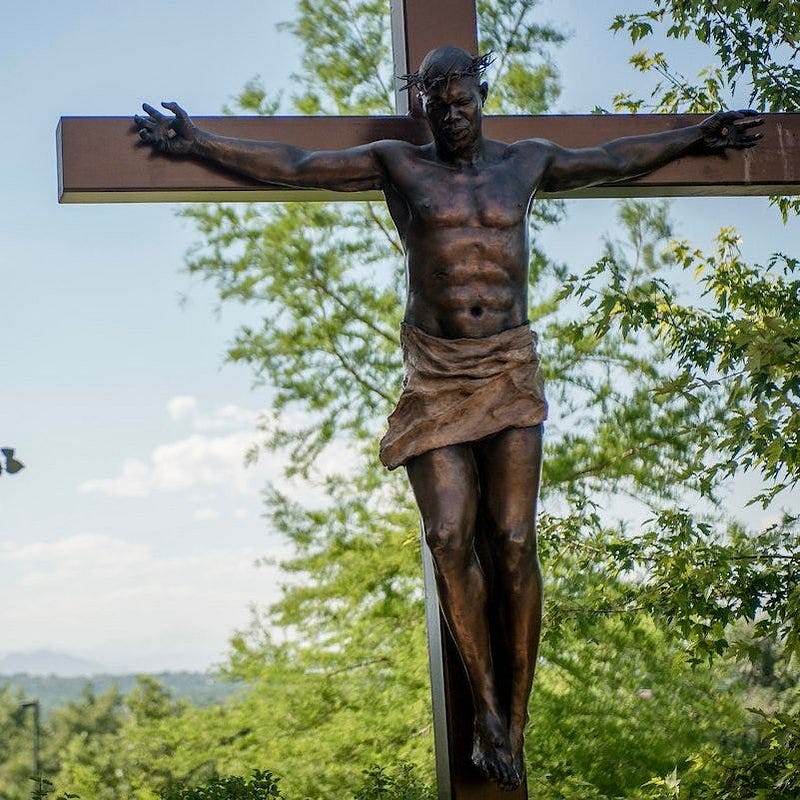
I’m interested in the history of Black artists and “Jesus.”
What do you do in the face of a religious tradition that sees the Creator as so openly aligned with European power and ‘Whiteness’?
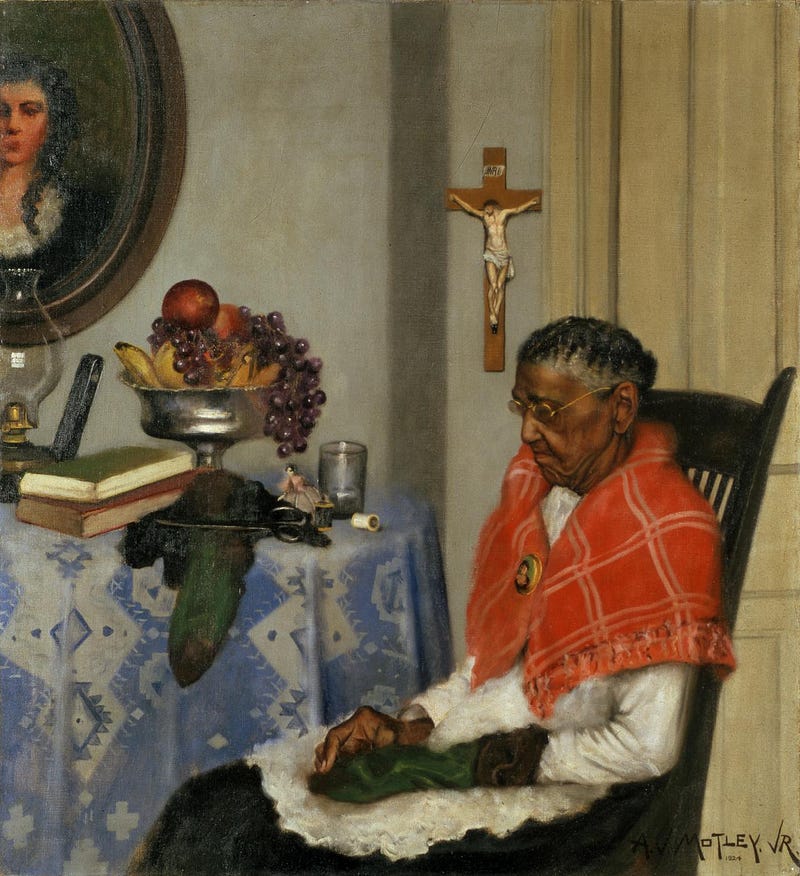
After the American Civil War, many slaves kept on worshipping the white Jesus. The Black painter Archibald J. Motley Jr. seems to be reflecting on this situation in Mending Socks, a 1924 portrait of his grandmother, who had been a slave. A crucifix with white Jesus is displayed behind her.
The prompt might be to ask: Had this slave been freed…spiritually?
Black painters began working on the problem of God having been claimed as white.
Henry Ossawa Tanner — the first famous Black painter — moved to Paris and began painting biblical scenes in realistic colors. As in his 1896 painting The Resurrection of Lazarus, Jesus looked like a Palestinian Jew.
It didn’t seem too ‘Christian’.
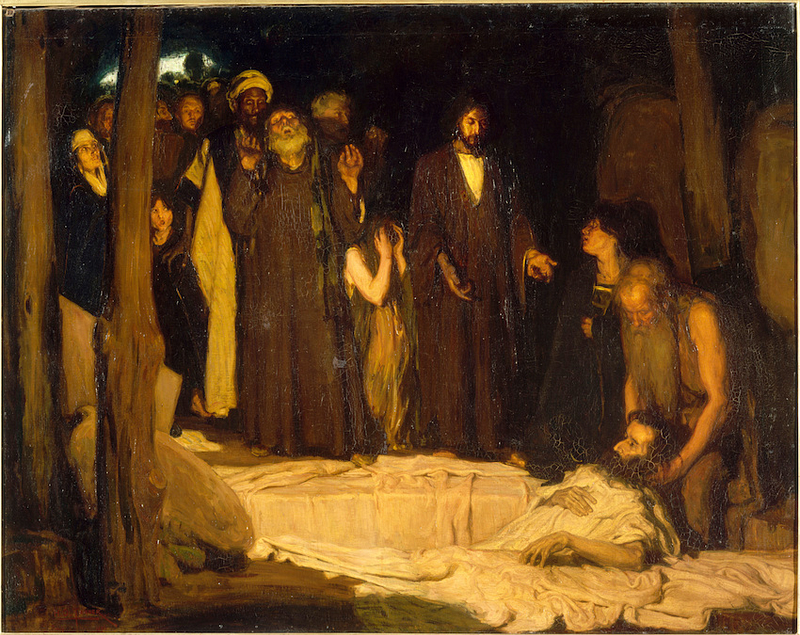
Themes of race are often present in Tanner’s work.
But he seemed uninterested in painting a Black Jesus—with the exception of Christ and His Mother Studying the Scriptures, a 1908 work for which his own son and wife, Jesse and Jessie, were the models for Jesus and Mary.
Jesse might’ve read as white, but many Black figures did. Tanner would note that “my blond curly-headed little boy” would’ve been viewed in America as ‘Negro’ owing to his father’s race.
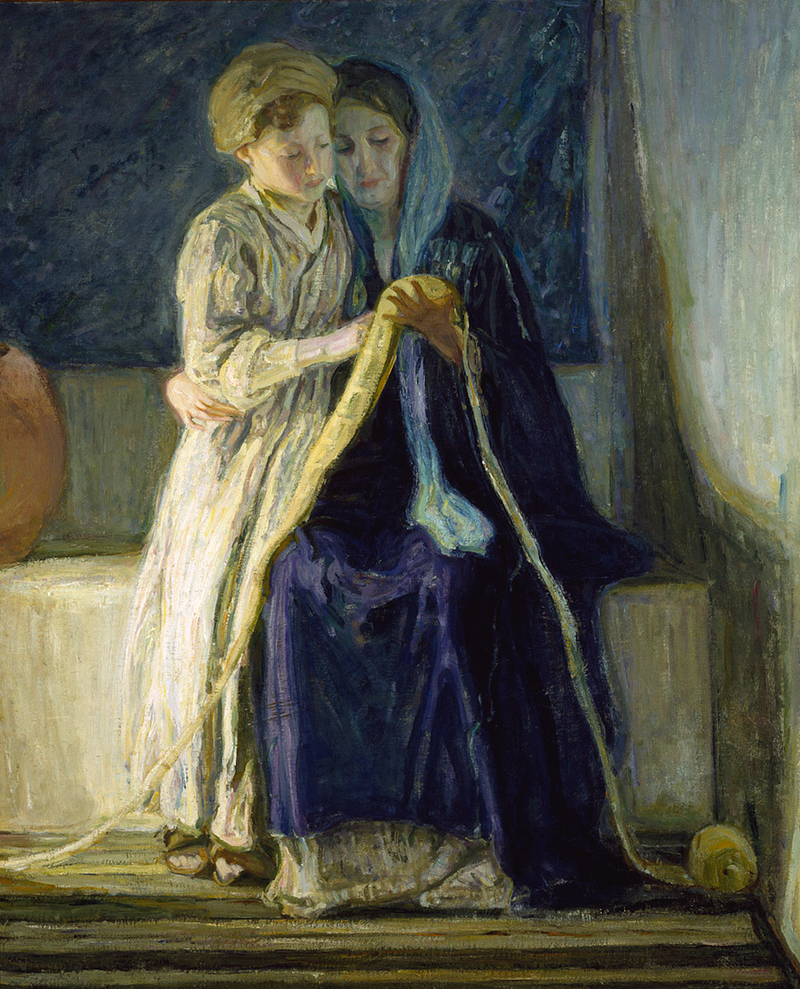
Black people didn’t want to see God as like them.
In a 1987 study, The Color of God, Major T. Jones has a history of that difficult subject. In 1898, as he traces, one minister declared:
“…why should not the Negro believe that he resembles God as much as any other people? We do not believe that there is any hope for a race of people who do not believe that they look like God.”
But Jones finds Black people thinking, generally, that “it is wrong to give God a color identity or to require color as a moral attribute.”
Jones was himself encouraging of the idea. He writes: “Black people have the right to appropriate God in their own color, and to express the full palette of God’s color in art forms, language symbols, and literature.”
Some painters were willing to go there.
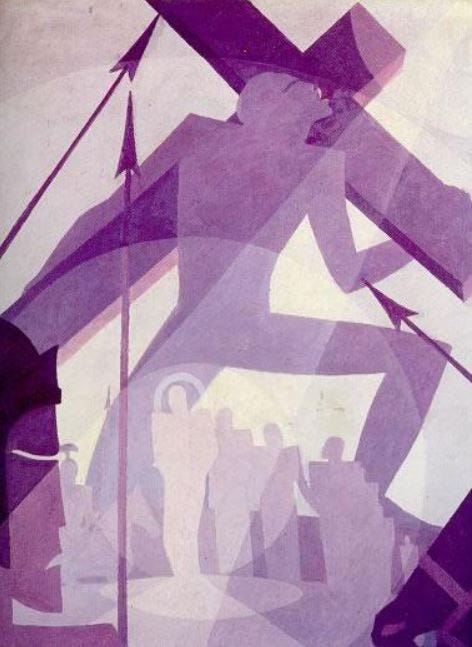
Aaron Douglas, an important figure in the Harlem Renaissance, had The Crucifixion in 1927. This is, however, not a Black God, but a Black Simon, another character in the gospel narratives who carried the cross.
Simon has sometimes been portrayed as African — the “affirmative action” character in the Christian story. The specific link is his doing manual labor.
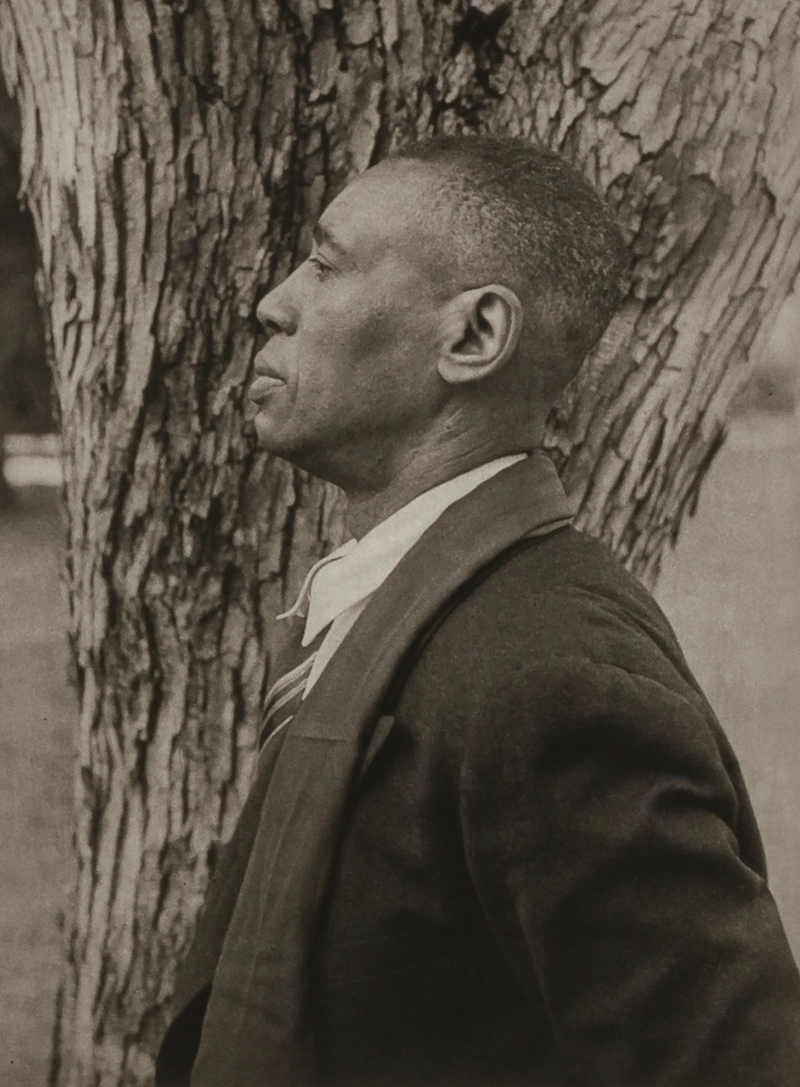
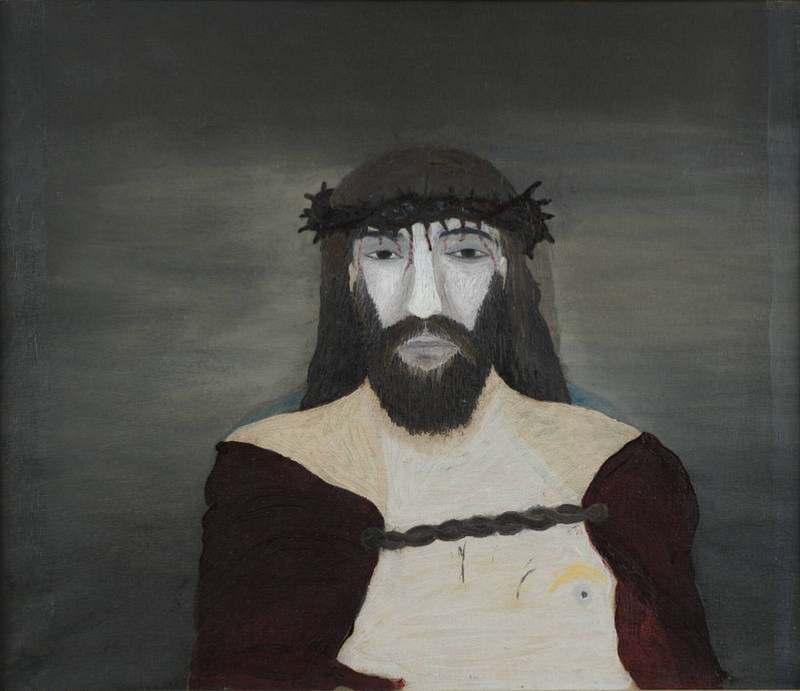
Horace Pippin had an off-white Jesus.
The self-taught painter from Pennsylvania often lent his own features to Christ-like figures.
But as in Christ Crowned with Thorns in 1938, there’s the oddness of Black features, but in ghostly shades.
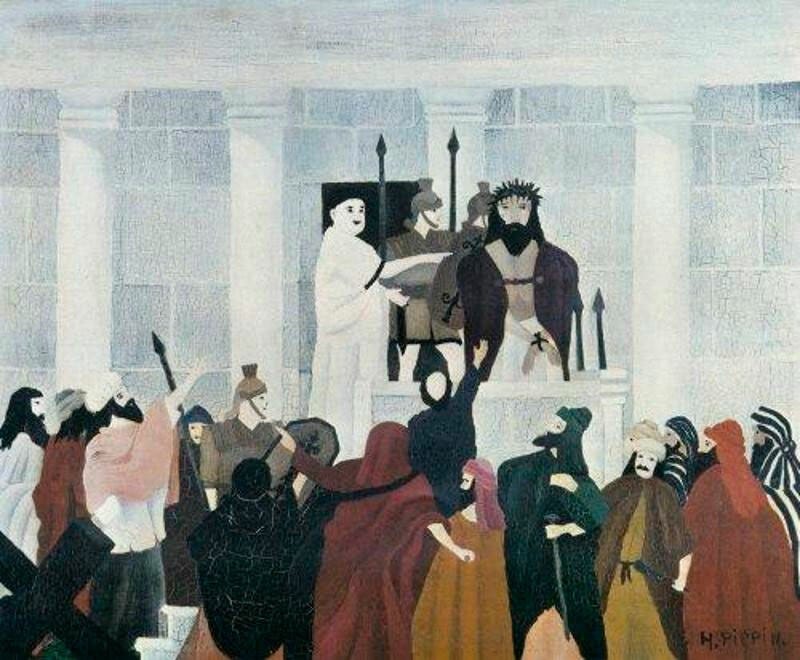
Pippin’s Jesus image could darken, as in Christ Before Pilate in 1941. The messiah seems more Middle Eastern here, as if an effort to be realistic.
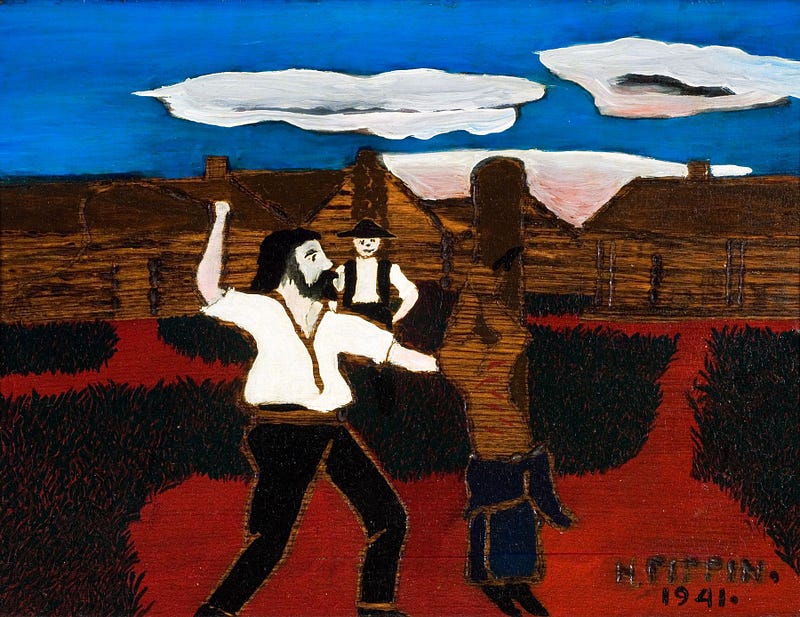
That Jesus still has the darkest skin in view, however, injects a subtext of racial struggle. The same year, Pippin did The Whipping, where a white man with the same facial profile is whipping a slave.
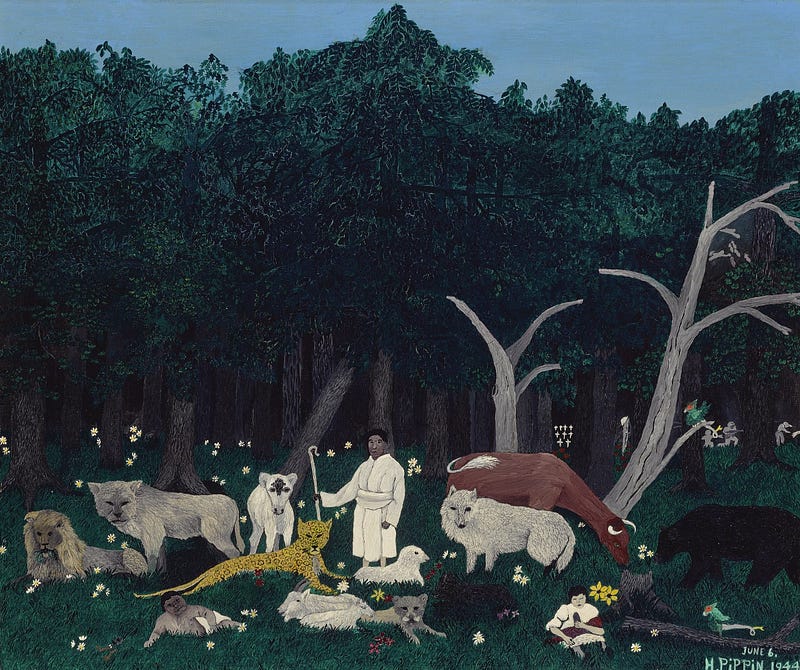
Pippin arrived at a Black messiah in his 1944 Holy Mountain series, where a Black figure stands as a cosmic shepherd.
He was illustrating the ‘Kingdom’ of Isaiah 11:9, and so the figure could be read as Jesus, but might not be seen by most viewers as a ‘Black Jesus’.
William H. Johnson was willing to go there.
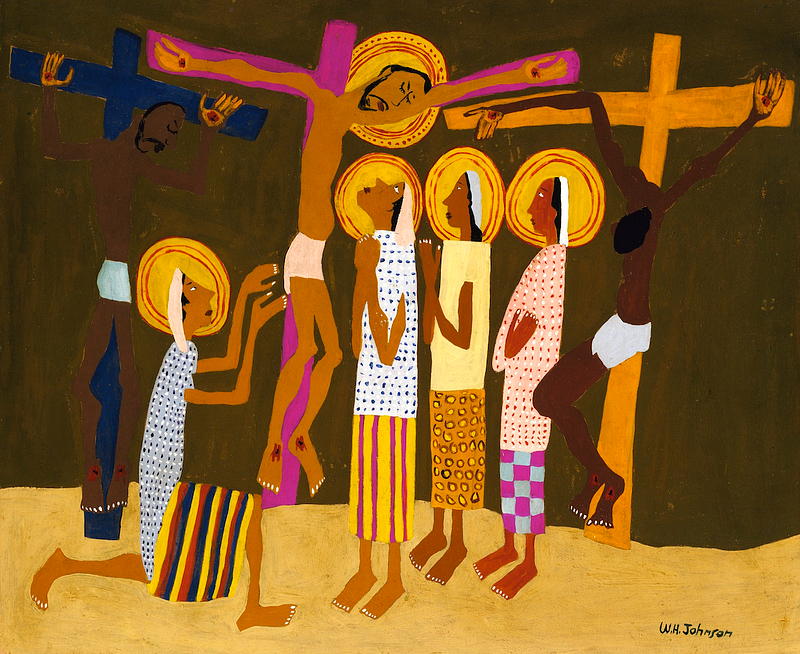
From South Carolina, Johnson lived from 1901 to 1970 and became, as best I can tell, the first noted painter to do a Black Jesus. He worked in many styles, but his 1939 work, “Jesus and the Three Marys,” now at Howard University, is done in his signature folk style.
The work revises the medieval Isenheim Altarpiece by the German painter Matthias Grünewald.
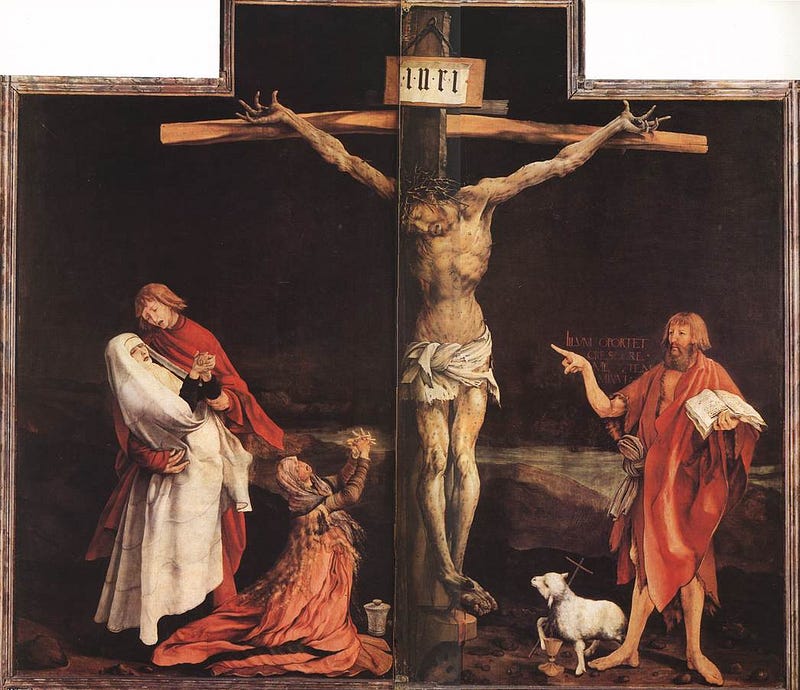
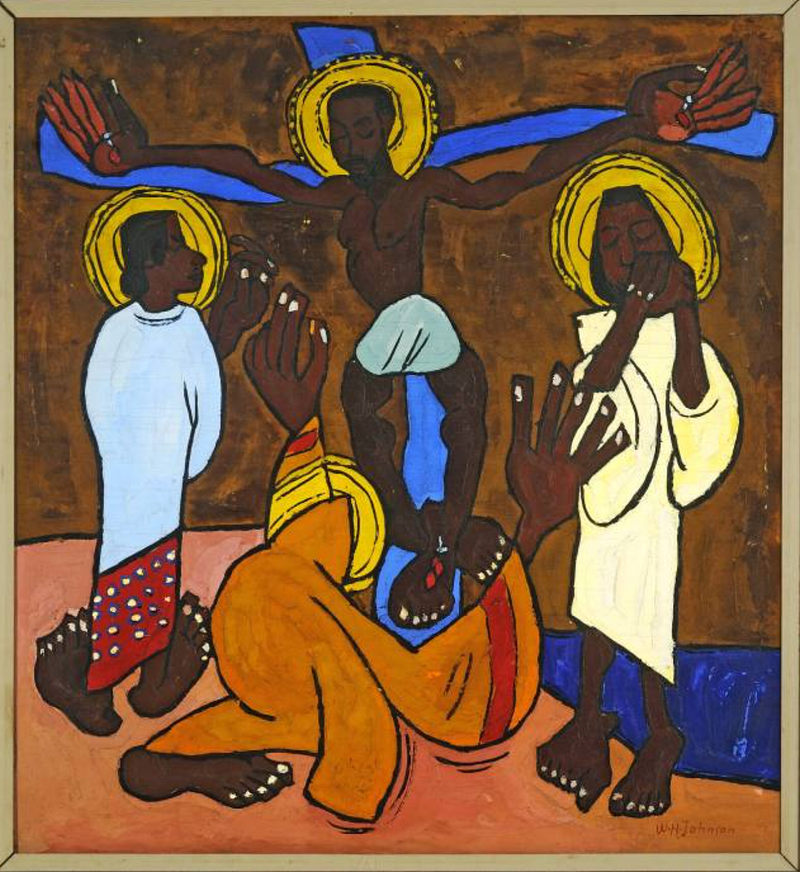
To be Black in America felt like a Crucifixion?
That seems to be Johnson’s message. He casts Jesus and his followers as the Black experience in America. Over the next years, Johnson returned repeatedly to this theme.
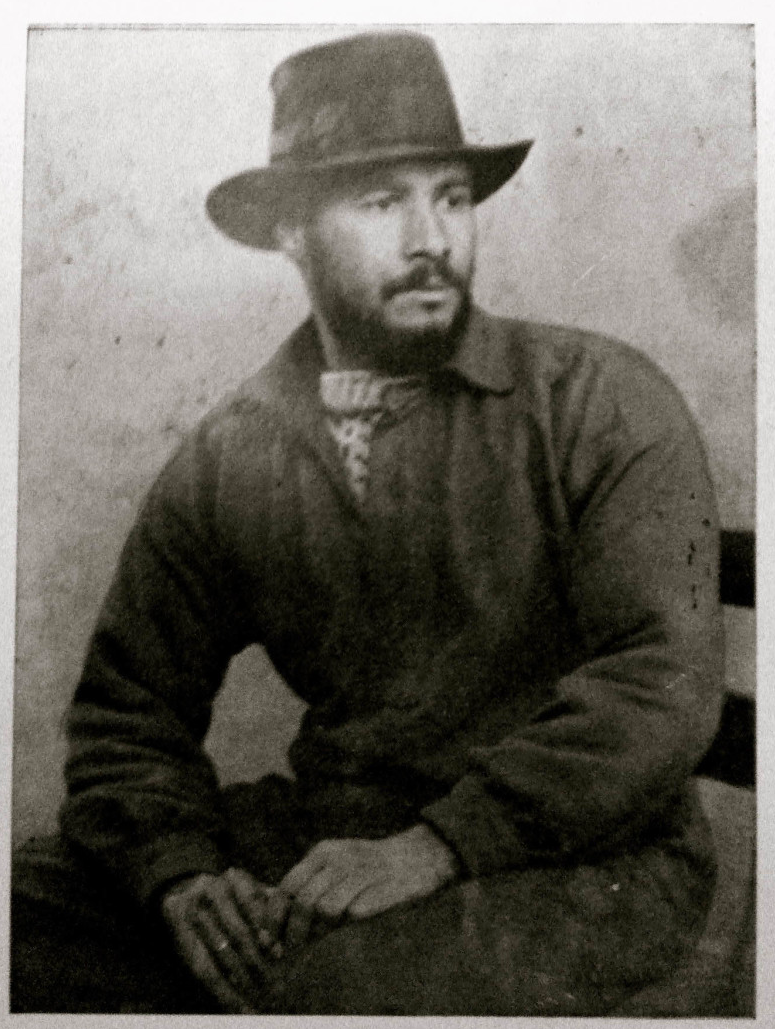
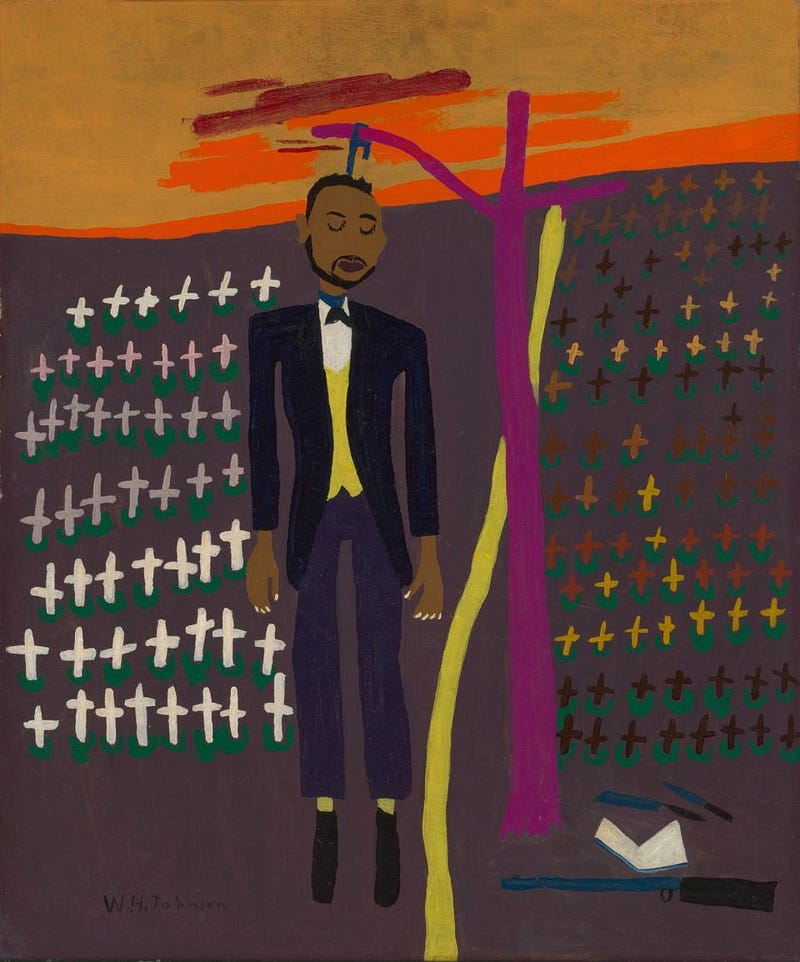
The connection was more explicit in Johnson’s paintings of lynching victims and a 1945 portrait of the hanged Nat Turner.
The Black victim was seen in Christ’s place, but this wasn’t a savior who didn’t save. He just suffered.
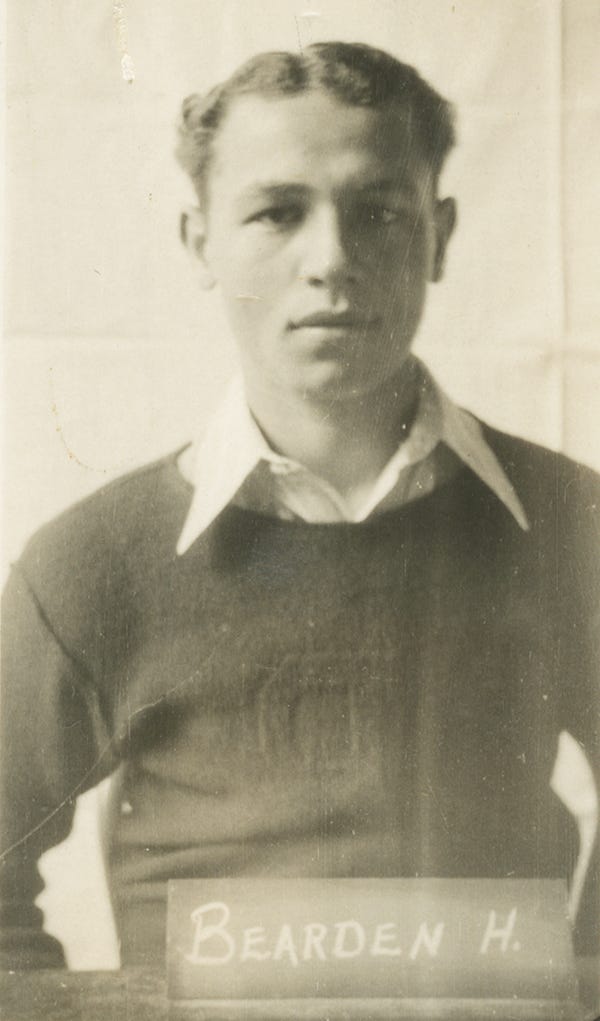
Romare Bearden was born in Charlotte, North Carolina in 1911.
His family picked up and moved to Harlem, where his parents became notable figures in the Harlem Renaissance. Something of a Renaissance man in every sense, Romare went to college, studying science, politics, education, thinking he’d be a doctor — while playing sports.
As a baseball pitcher in the early 1930s, he made his way up semi-professional teams, and was offered a spot on a major league team. There was a condition. He was fair-skinned, and would have to pass for white.
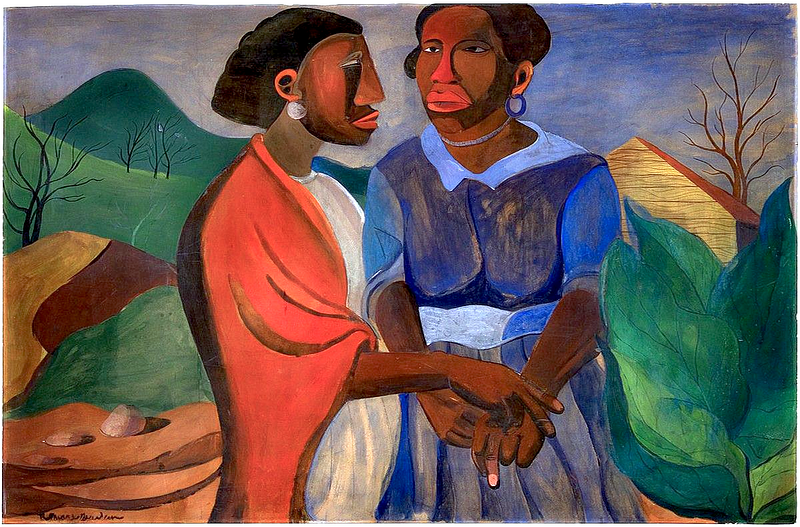
He turned it down — to become a social worker, and over time, an artist. He seems to have set out to paint the gospels using Black figures. A 1941 work, The Visitation, appears to be Mary the mother of Jesus and Elizabeth.
As the art historian Kymberly N. Pinder notes, the painting shows “the racial potential of biblical figures.” But Bearden did not continue the story.
During World War II, he was in the Army.
He returned from Europe in 1945, and the same year, had his first one-man exhibition, titled The Passion of Christ, in New York City. A series of eleven watercolors and thirteen oil paintings presented a surreal or deconstructed vision of the Jesus story. The style recalled Picasso and Cubism.
Bearden said in a statement:
“The Christ theme seems to me an enormous one. I’m sure artists will continue to draw upon its source for material, for it has great human elements. Here is material that has significance for all points of view. And even considered as myth, we must reckon with the mighty range of its influence throughout the ages.”
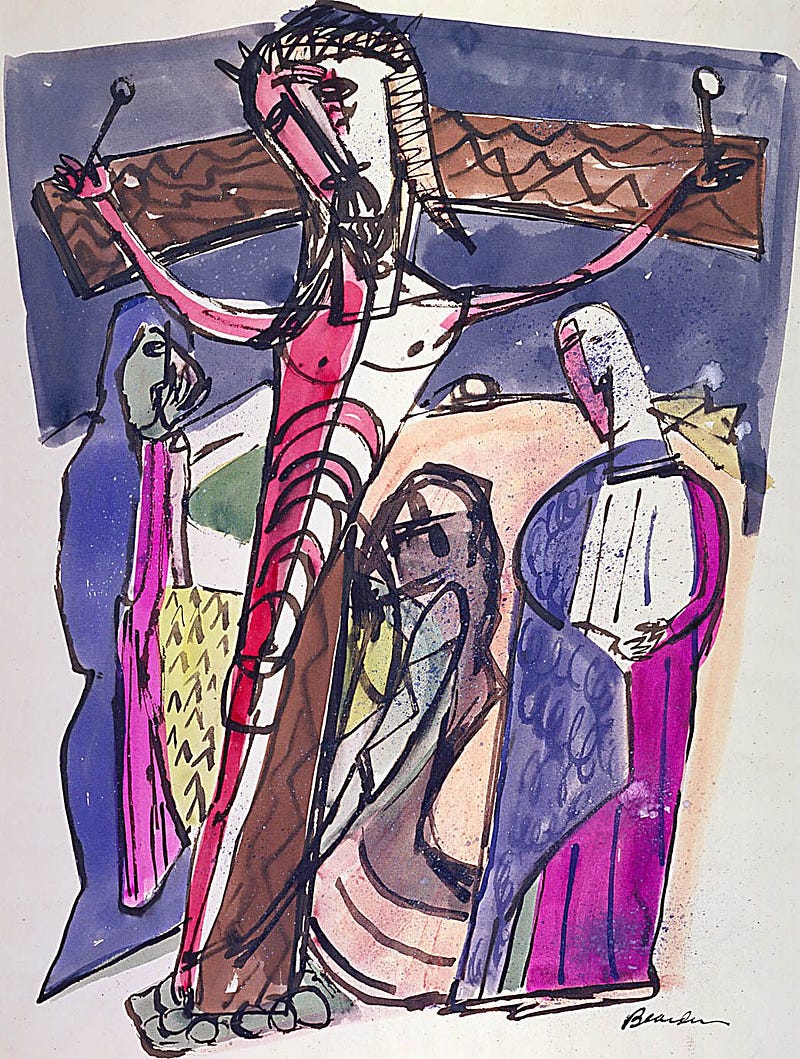
Bearden was the young Black artist as Christian theologian.
Jesus had been the mascot for white power. Bearden’s images deracinate Jesus. As the critic Kymberly N. Pinder notes, “the race of these biblical figures is not immediately discernible.” Rather, “Bearden confronts the color of God with many colors, not just black or white.”
But Bearden also offers the messiah, instead of a race mascot, as something like a path of higher consciousness. In a statement for the exhibit, he wrote about Jesus’ ongoing appeal:
“In none of the other mythologies or religious concepts is this sheer human quality so poignantly expressed. The concept supersedes reality and the usual conformist interpretations, so that it makes little difference as to the factual nature of the story, or even whether or not such a man as Christ actually existed. What is important, is that the idea has lived in men.”
In period reviews, we seem to hear Bearden talking up the appeal of Christ as a figure of total human potential:
“If he’s not a church-goer, he’s a humanist; Christianity, he says, is truly international; it offers a welcome to the stranger, and in this attitude he sees a hope for tomorrow.”
Christianity wasn’t into Bearden’s work.
His purchasers included Duke Ellington and the Museum of Modern Art. He’s not identified as a ‘Christian painter’, a designation that seems heavily racial. No Black artist who painted on Christian themes would ever be adopted by the religion.
Romare Bearden suffered the next years of his life with depression and artistic indecision. When he married in 1954, he was described not even as an artist but as a social worker. His wife encouraged his creative production, however, and over the next decades he became a major figure in 20th century art.
He did many images of Black spirituality.
They are often biblical but allusively so. I wondered if a 1964 work, Baptism, is meant to suggest Jesus and John the Baptist.
But the figure being baptized seems to be waving to the church? — as if to try and alert the church, perhaps, that Black figures are there.
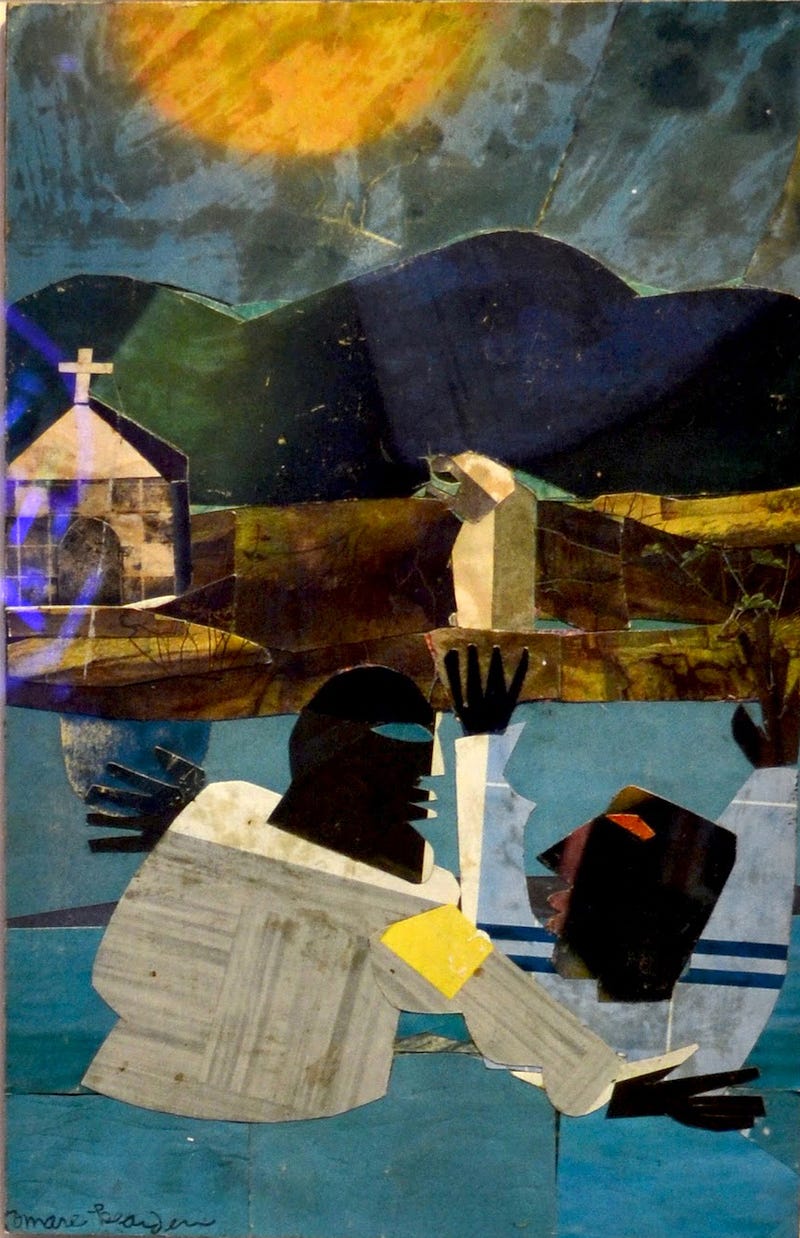
In the early 1970s, Bearden began to draw a series of Infant Black Jesuses.
Fired by the Civil Rights movement, he moves to openly portray classic ‘Christian’ images of the Madonna and baby Jesus as Black.
It was political, and religious, and also, perhaps, personal. His mother had been a dynamic figure in the Harlem Renaissance. And this baby Jesus has a dual face, black and white, mirroring Bearden’s own profile.
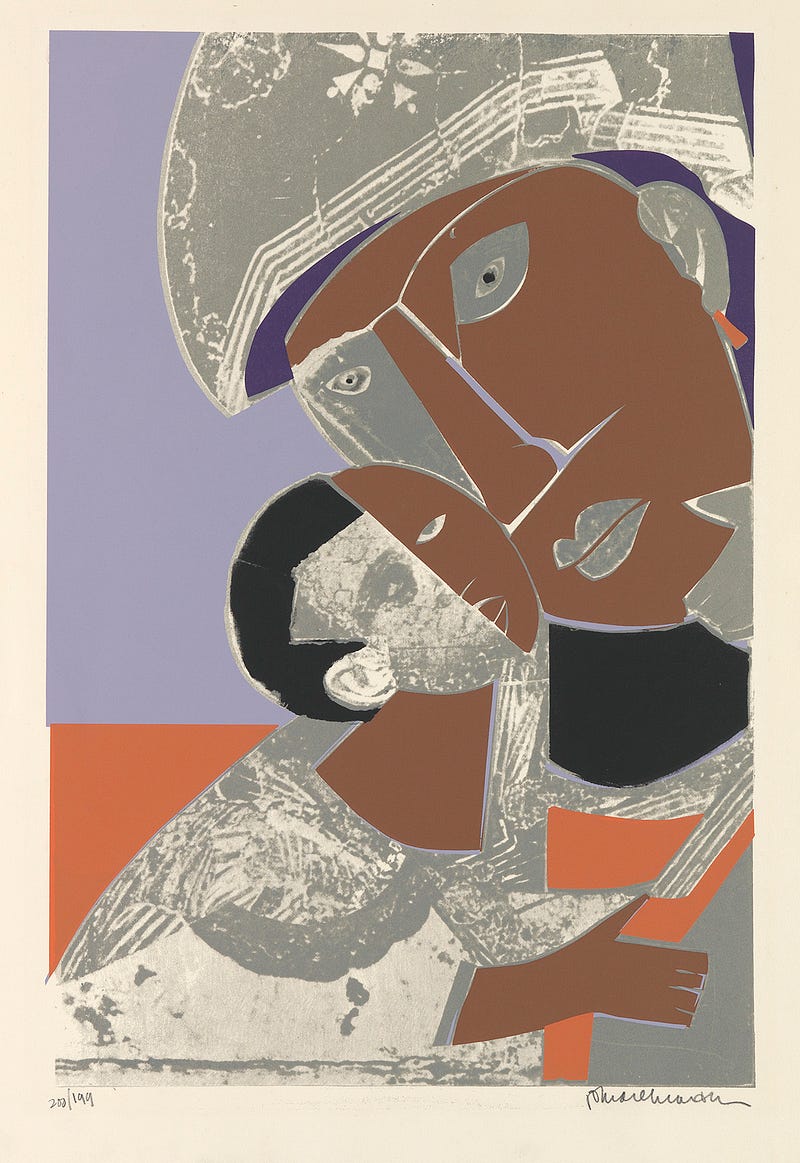
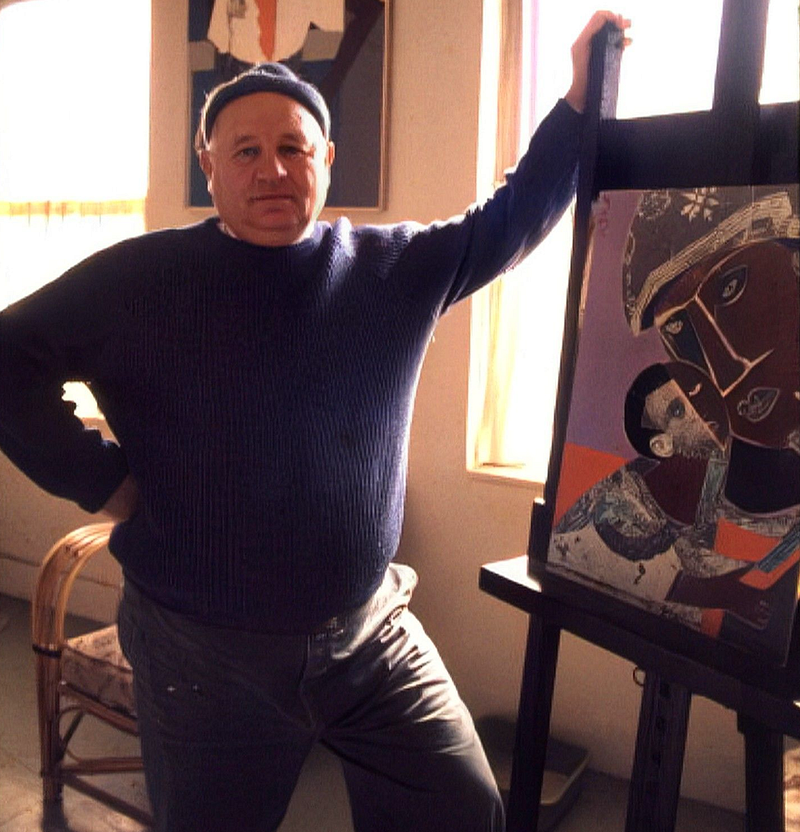
Bearden did variations of “Mother and Child.”
As much as any painting in the Vatican or anywhere else, his Black gospel was serene, strange, beautiful.
They are found at museums — not a church.
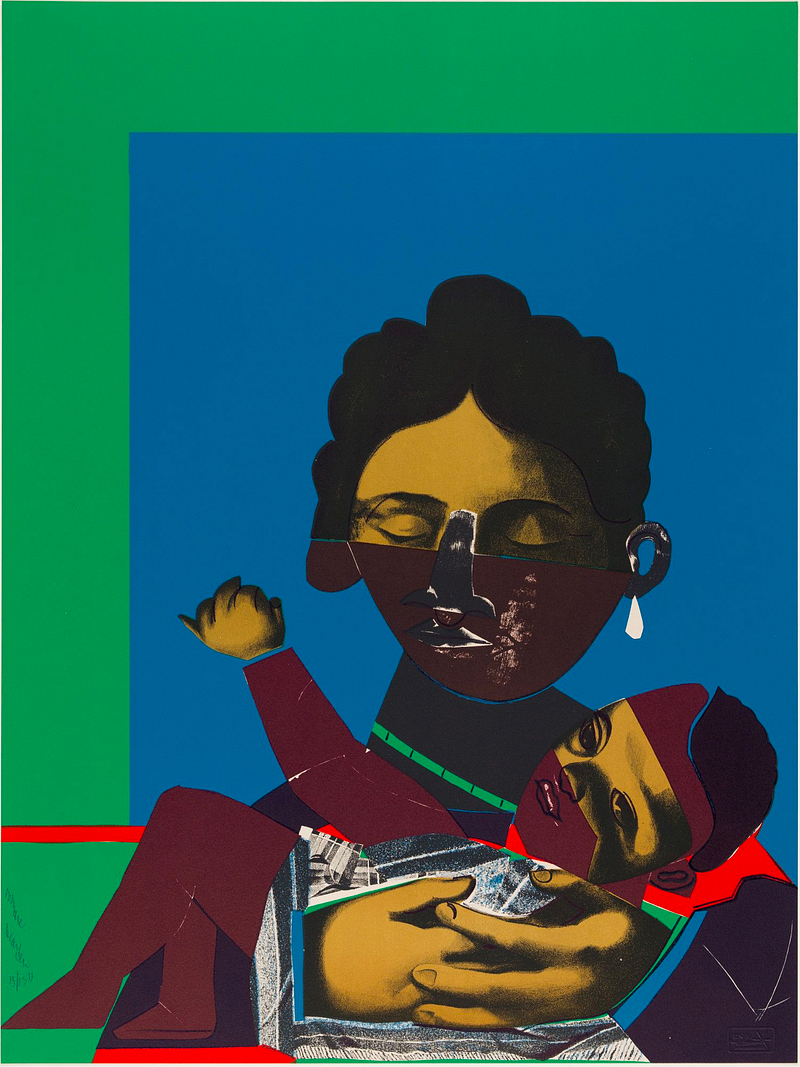
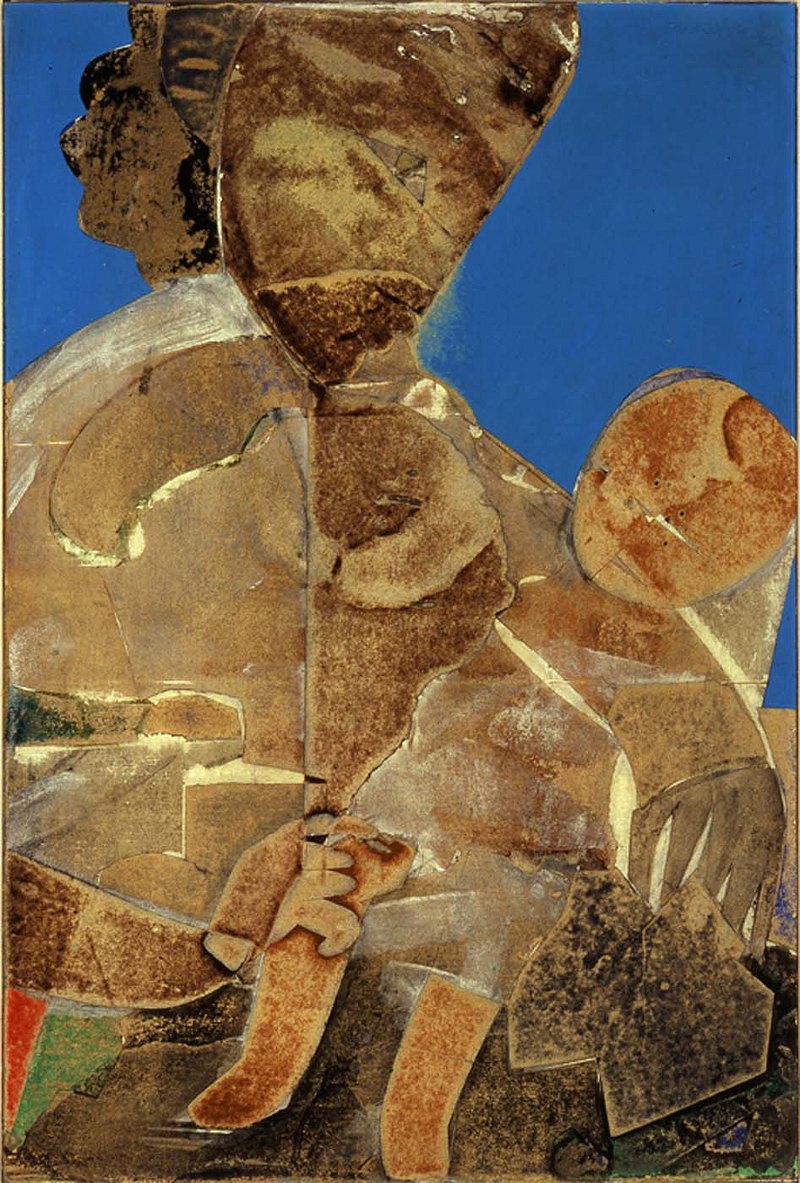
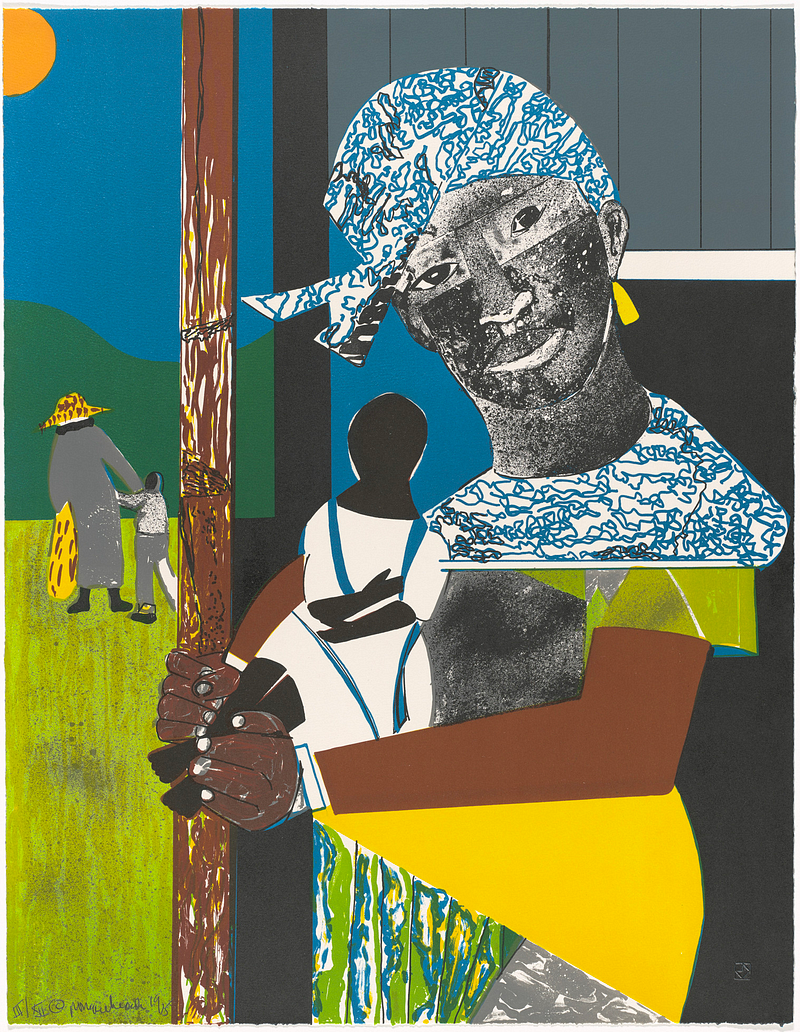
Bearden set out painting a Black Bible.
A 1974 series, Prevalence of Ritual, included four Old Testament-themed images with Black figures.
He’d continue to do the odd biblical image. In 1977 he did Tidings, another Annunciation image. The angel bows to the woman — with that black finger indicating the forthcoming divine insemination.
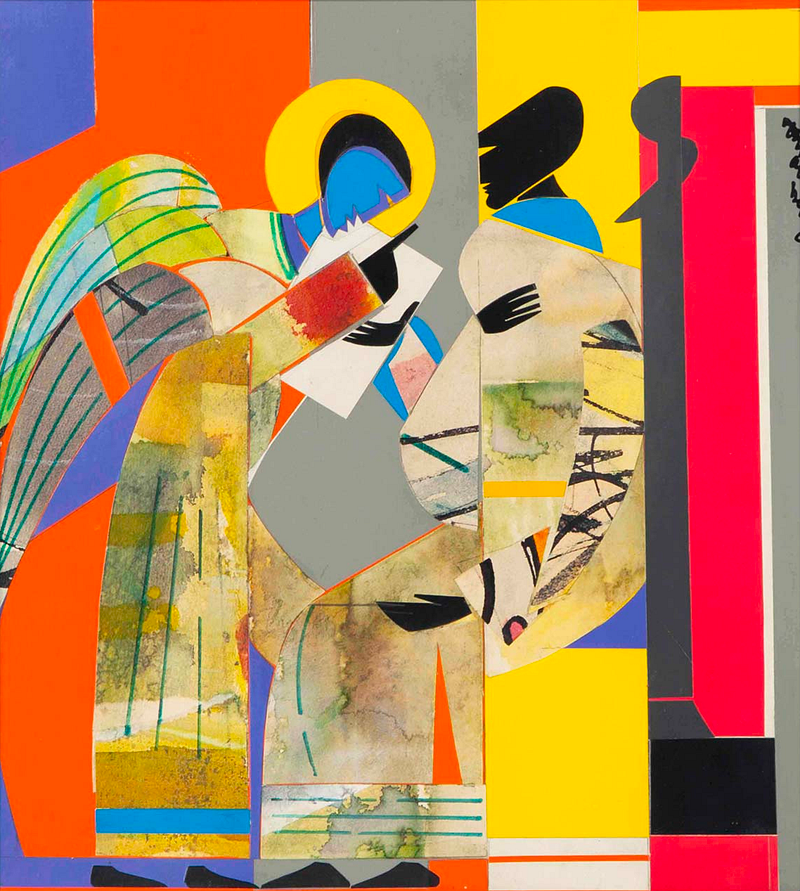
Various Black Jesus images appeared over the decades.
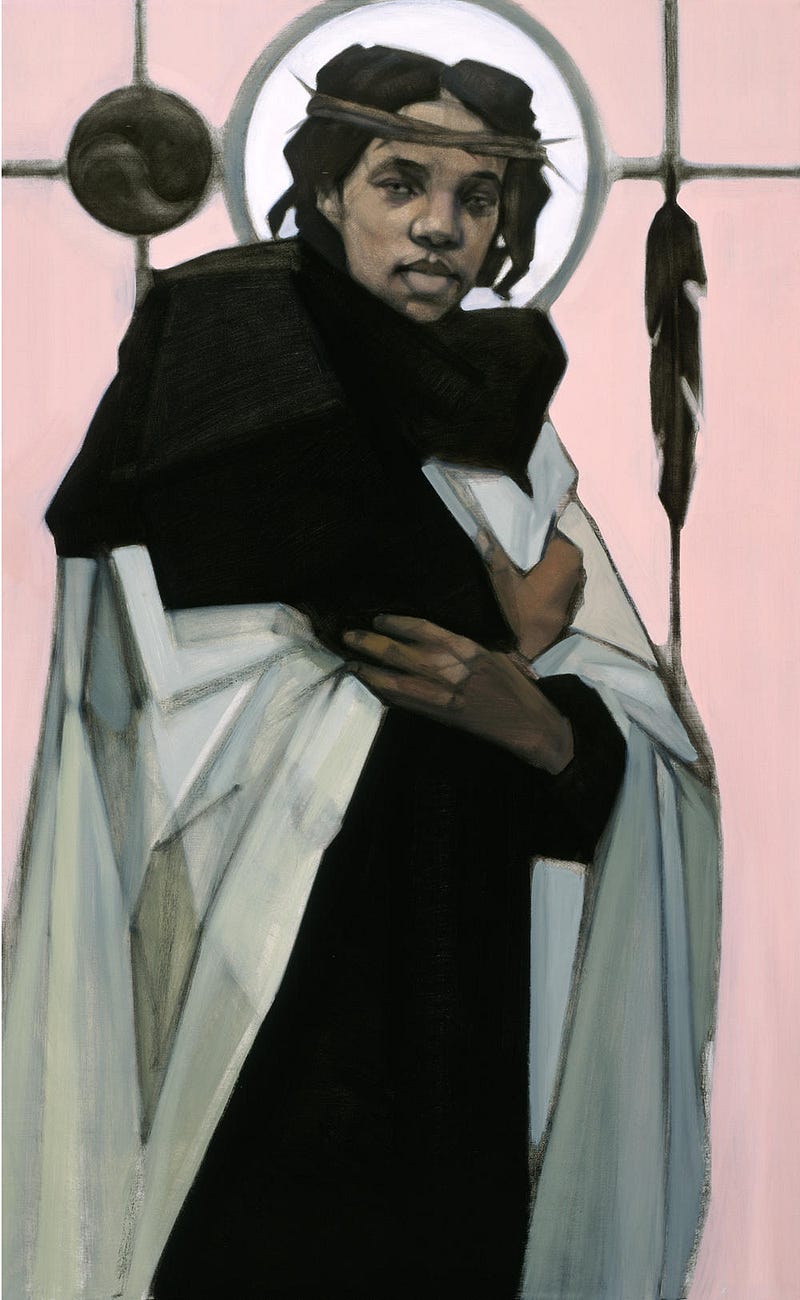
In 1999, the Catholic painter Janet McKenzie did Jesus of the People, using a Black woman model. The work found some notice owing to Sister Wendy Beckett, the BBC art scholar.
As Sister Wendy put it: “This is a haunting image of a peasant Jesus — dark, thick-lipped, looking out on us with ineffable dignity, with sadness but with confidence.”
Do we mention the messiahs made out of chocolate?
For that subject there is the 2014 blog post, “A Brief History of Chocolate Jesus,” which is one of my favorite titles ever.
It’s been a problematic medium not just in having the Son of God capable of melting. There’s liable to be protests, as when exhibits of Cosimo Cavallaro’s “My Sweet Lord” were cancelled in 2007.
Maybe it’d have gone better if they’d used white chocolate.
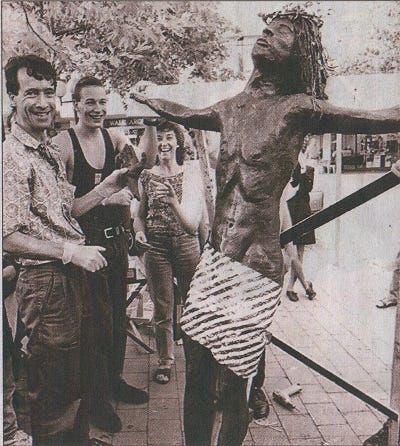
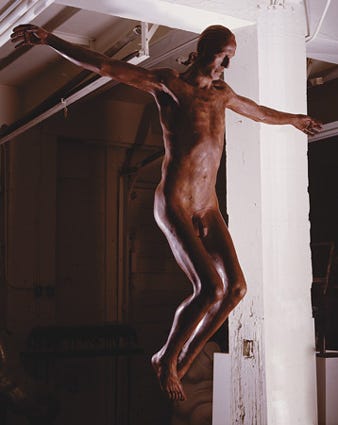
Black Jesus could be a woman too.
There’s Renee Cox’ Yo Mama’s Last Supper in 1996. When work was exhibited at the Brooklyn Museum of Art in 2001, and then-New York Mayor Rudolph Giuliani called for the museum to be defunded.

It’s not clear whether that was because Jesus was naked, Black, or a woman — or maybe all of the above.
Then Kehinde Wiley began to give Christianity a fresh coat of paint.
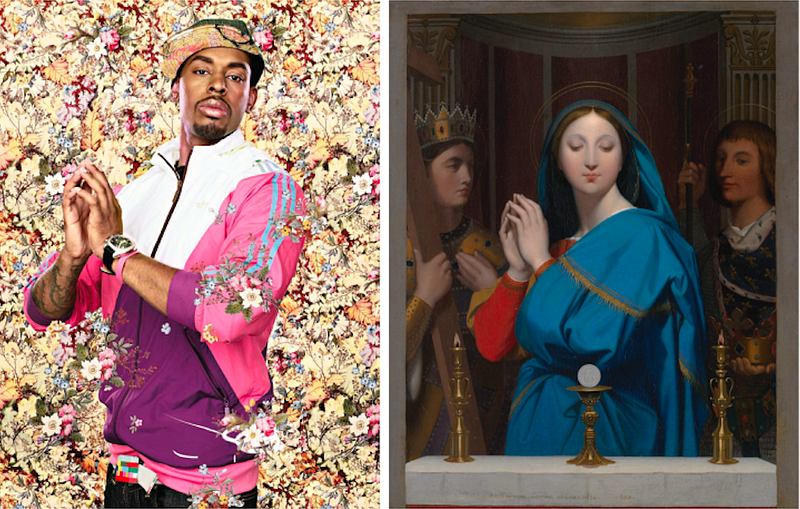
He takes classic Christian paintings and recasts everyone from Jesus to the Virgin Mary using Black men.
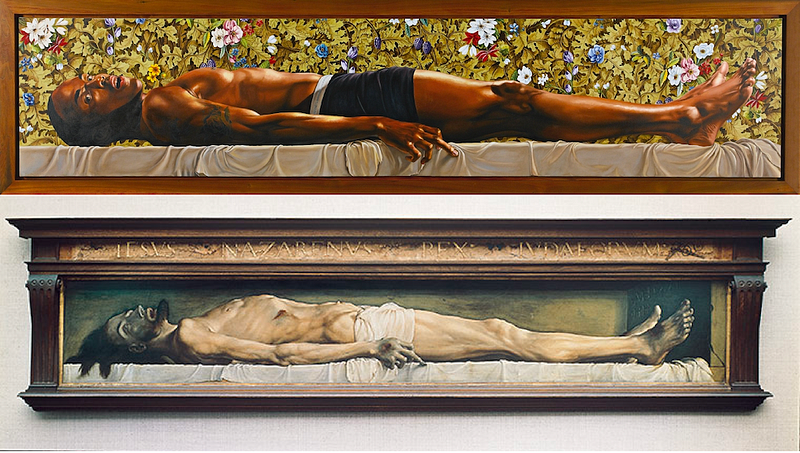
As an exhibition catalogue noted in 2016:
“In inserting the urban black male figure into the art-historical canon, the artist brings the canon up to date and at the same time questions its centuries-long exclusion of such figures.”
Wiley is gay, and his paintings become a Christian love letter to Black men, presenting them as sacred figures. And why would you not?
Tyler D. Ballon grew up Pentecostal in Greenville, New Jersey.
The son of pastors, he remains Christian. He calls himself “God’s Artist.” As a painter, like Kehinde Wiley, he began to paint familiar scenes in the Jesus story as if they were taking place in Black communities in America.
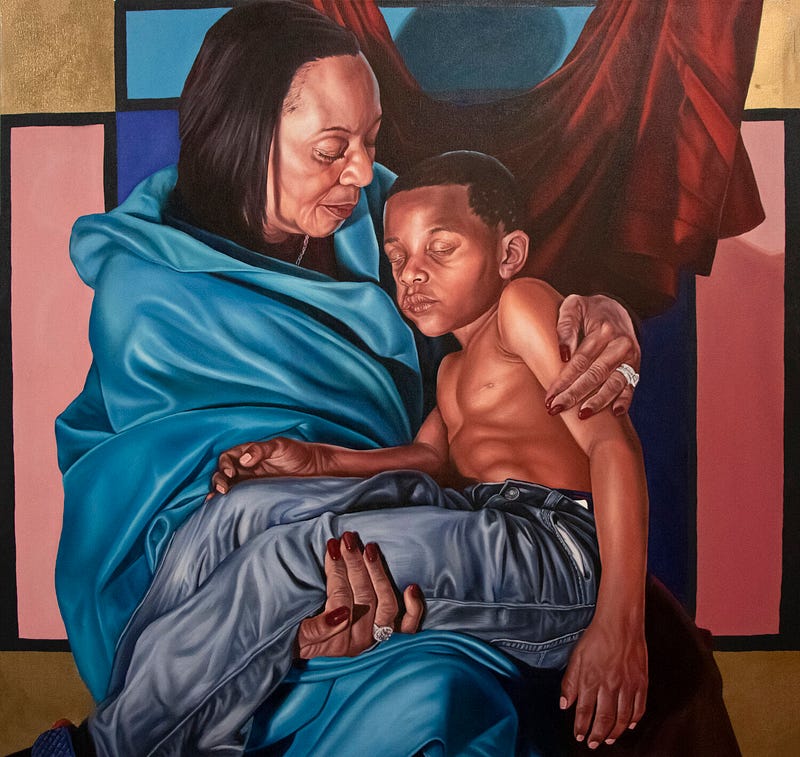
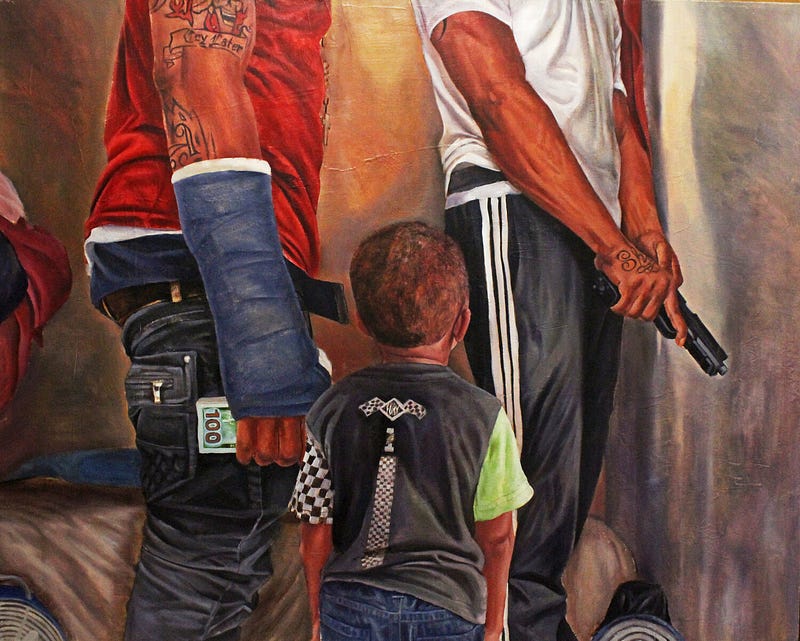
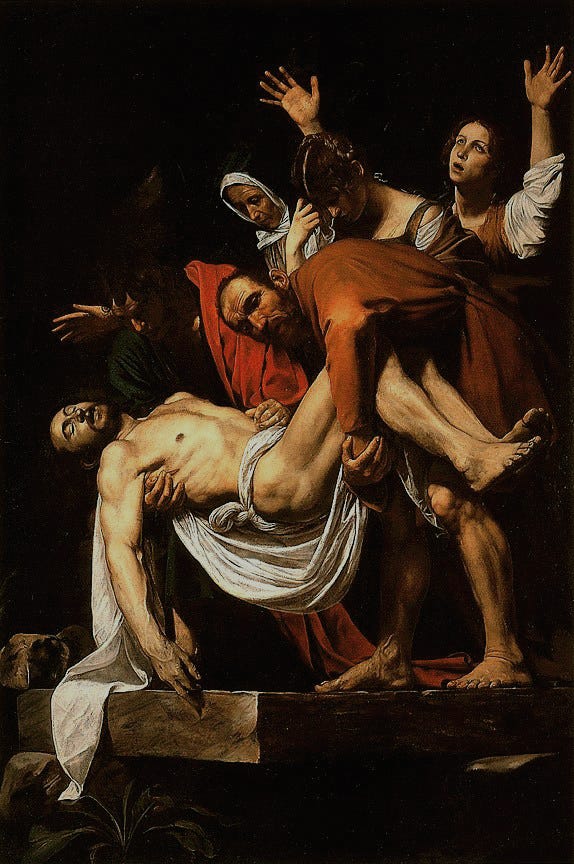
His 2018 painting The Deposition reworks Caravaggio’s The Entombment of Christ. Jesus becomes the people around us…or us.
I don’t see these figures, however, as being represented as the deity. Or not any more than anyone else. They speak of the sacredness of all life.
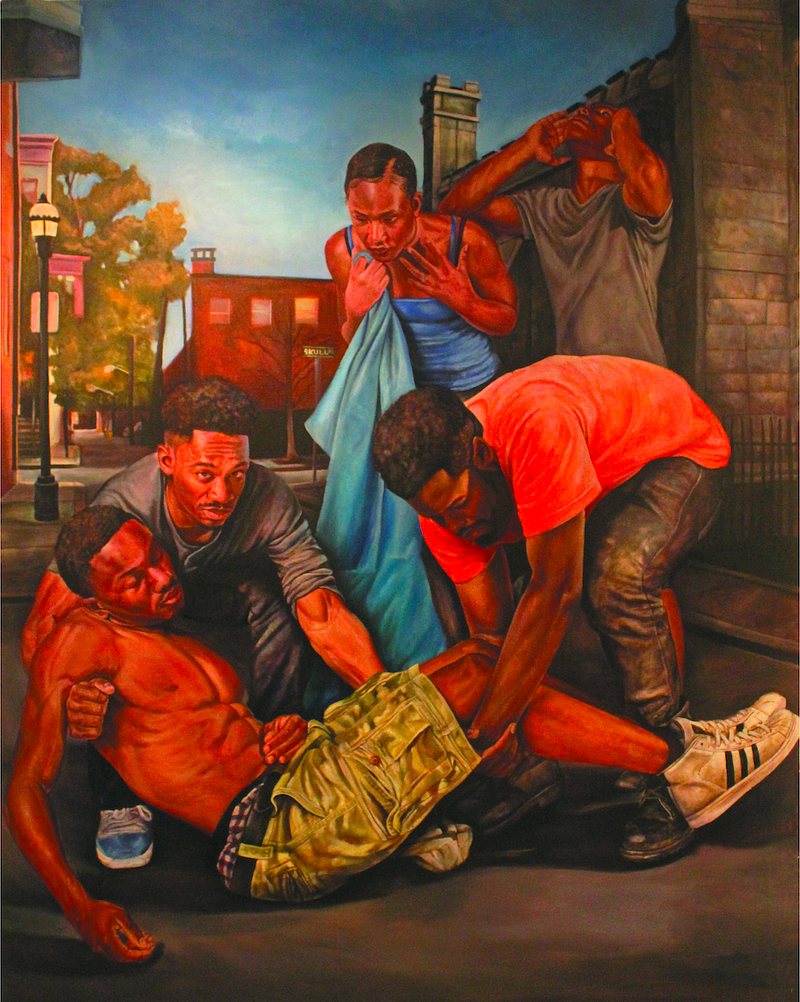
An artist profile for an exhibition notes:
“He views the Black church as a place of comfort and strength. It is a structure to pass down information, commemorating the accomplishments of the past and inspiring the present generation to change the future.”
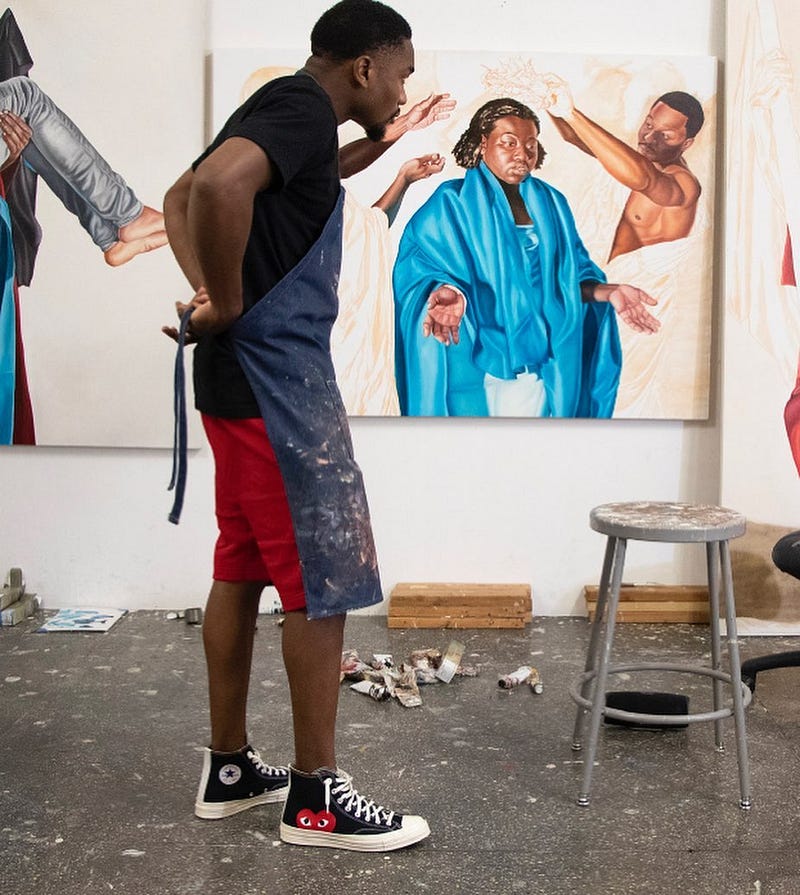
Titus Kaphar is a young Black painter who often dwells on Christian themes.
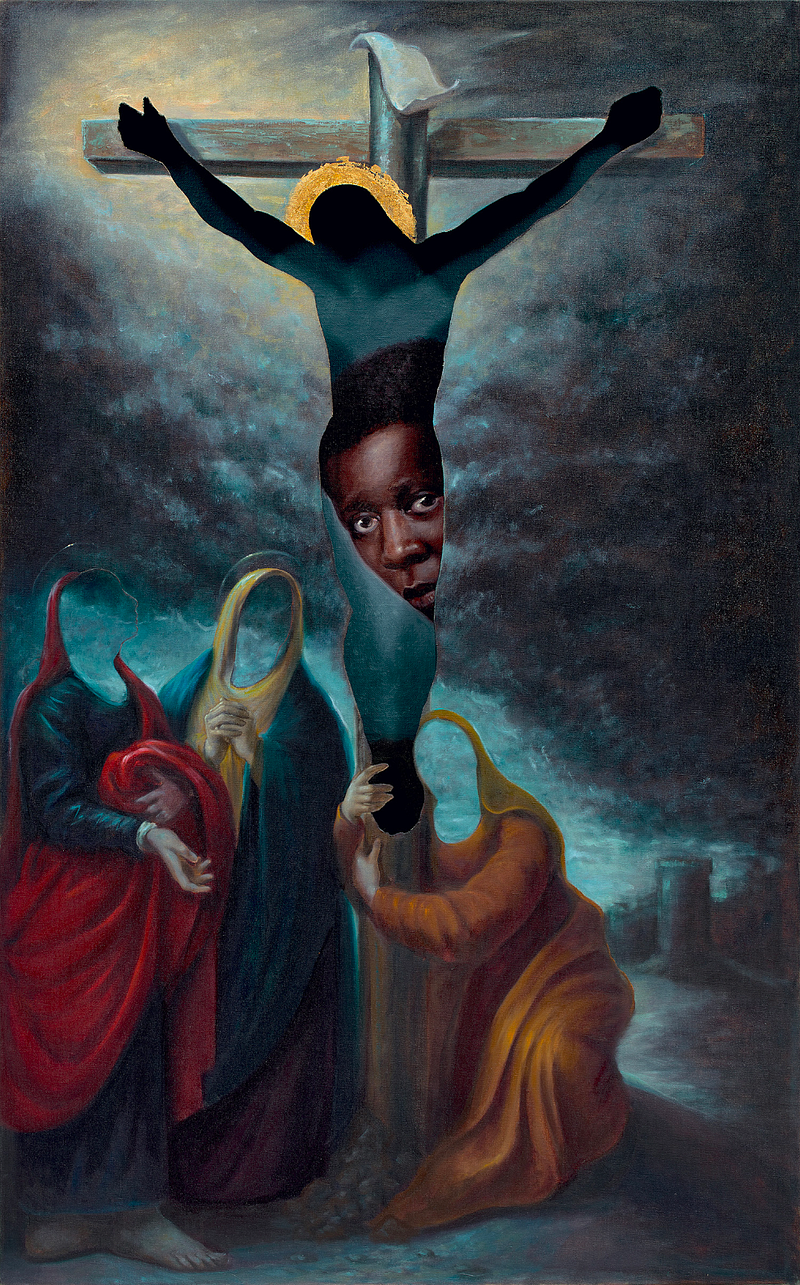
His Black figures break into familiar imagery — forcing us to think about all that Christian tradition has excluded, as in his 2014 painting, Holy Absence II.
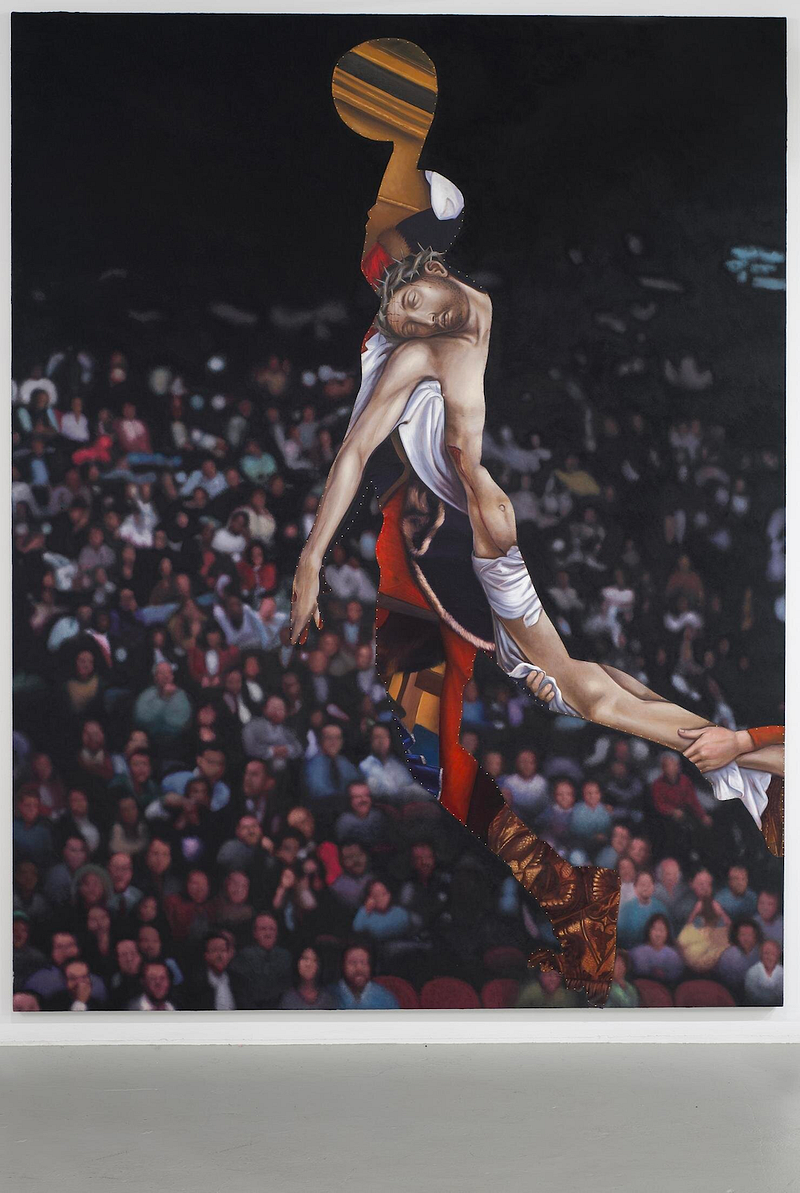
His 2016 painting Ascension includes a ‘quotation’ from a famous Jesus painting, Rogier van der Weyden’s Descent from the Cross (1435).
An exhibition catalogue explains:
“It can take a few minutes to survey in this single work these three distinct scenarios: the outlines of the basketball player’s body mid-dunk, the suffering of Christ on the cross, and the emergent form of a person being lynched.”
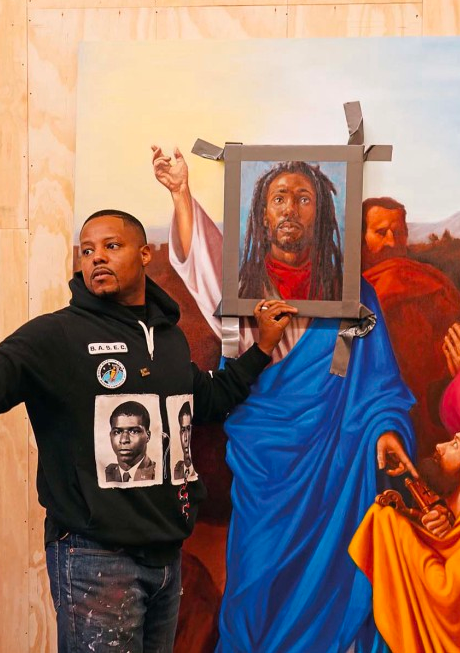
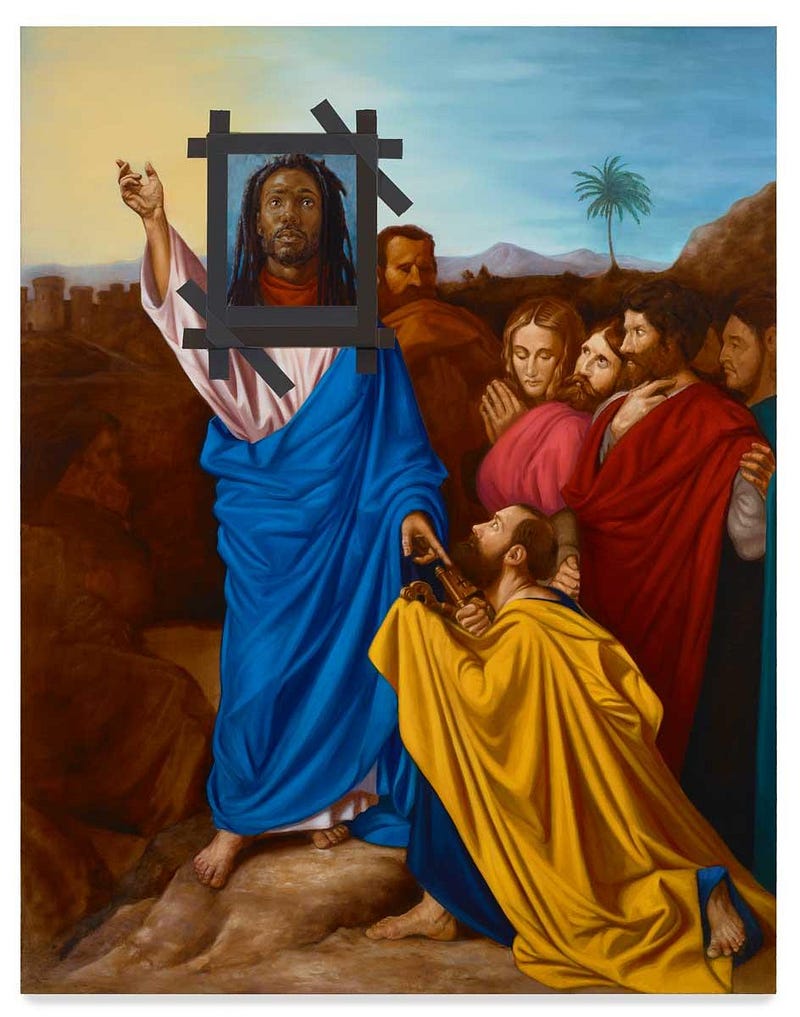
His 2020 painting, Jesus Noir, pasted the face of a Black Jesus over another well-known white Jesus painting.
I read such works as ‘deconstructing’ Christian art, illuminating the strangeness of the effort to portray Jesus as white.
There’s assorted Black Jesus images by white artists.
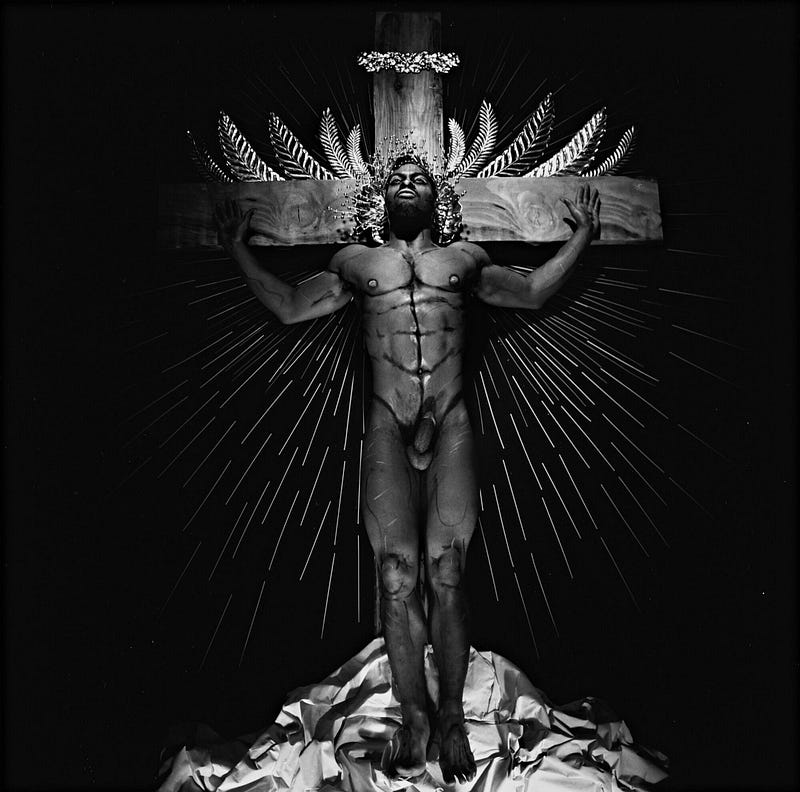
I think of Steven F. Arnold’s “Black Jesus” (1988), which is always…startling?
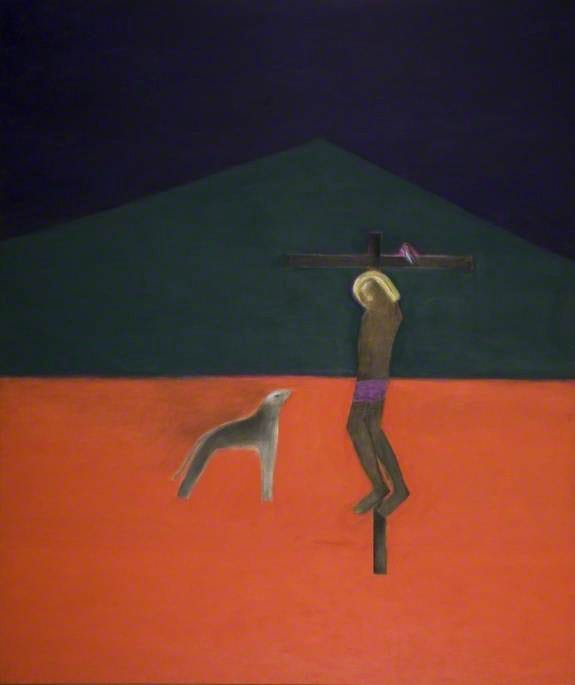
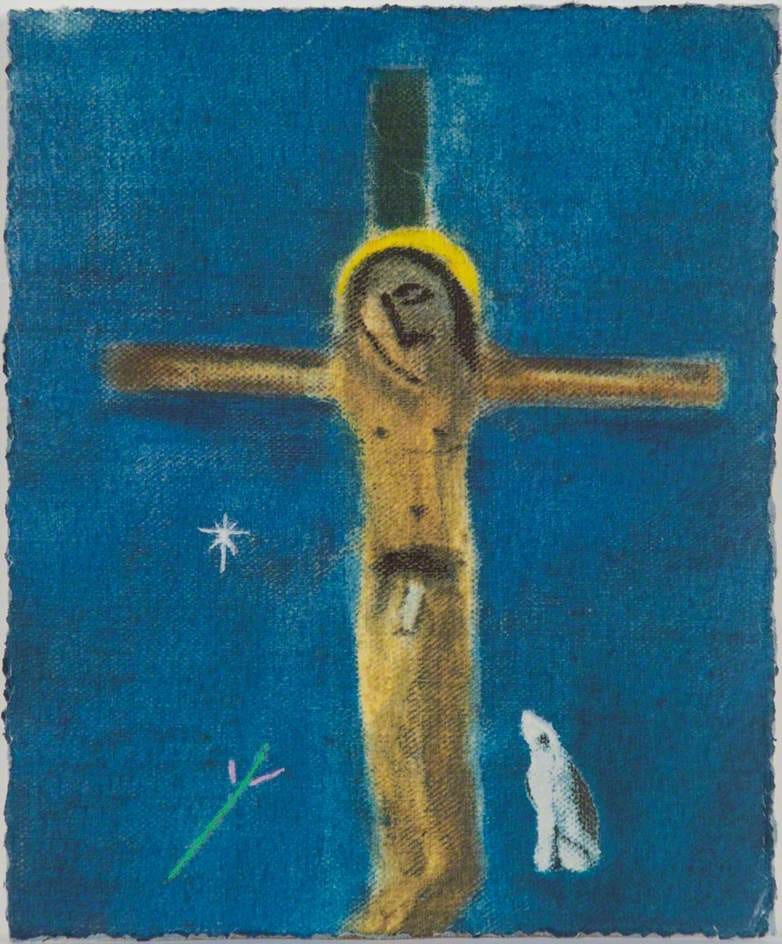
A Scottish painter, Craigie Aitchison (1926–2009), depicted Jesus crucified, sometimes using dark-skinned models.
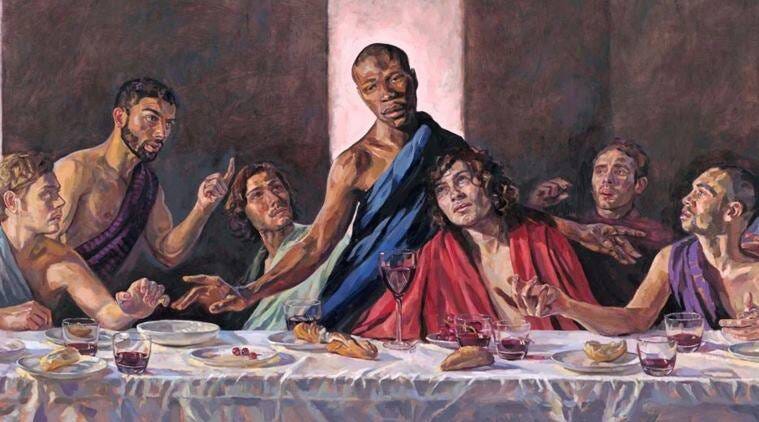
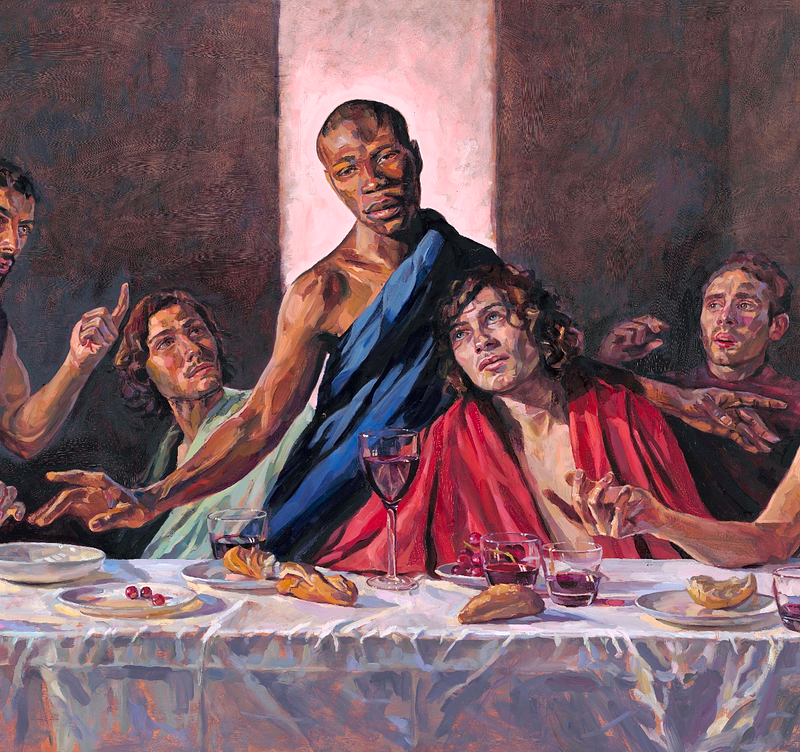
There was Lorna May Wadsworth’s 2020 painting, Last Supper, using a Jamaican man to model Jesus.
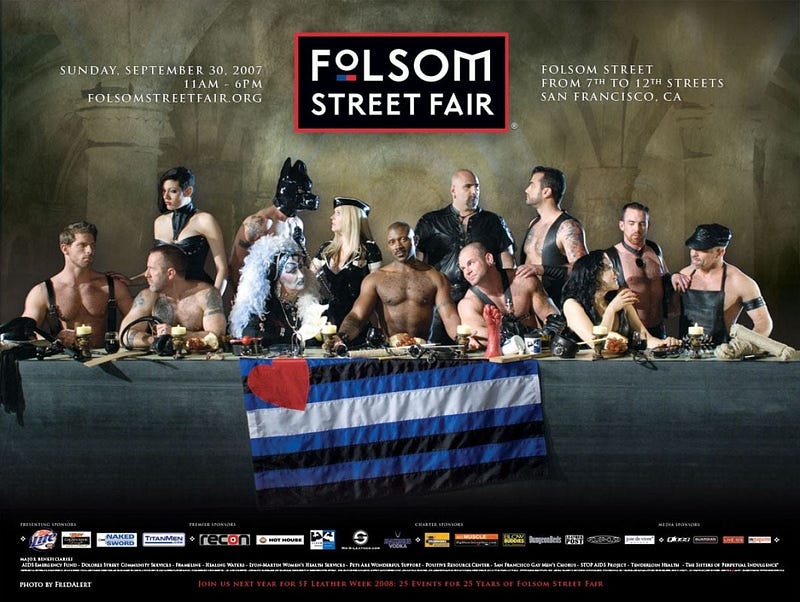
Let’s not forget San Francisco Black Daddy Jesus.
A poster for San Francisco’s Folsom Street Fair poster, in 2007, featured that aspect of God. Because he saves too! 🔶
A painting of Jesus by Lonnie Frisbee seems ‘blackish’.
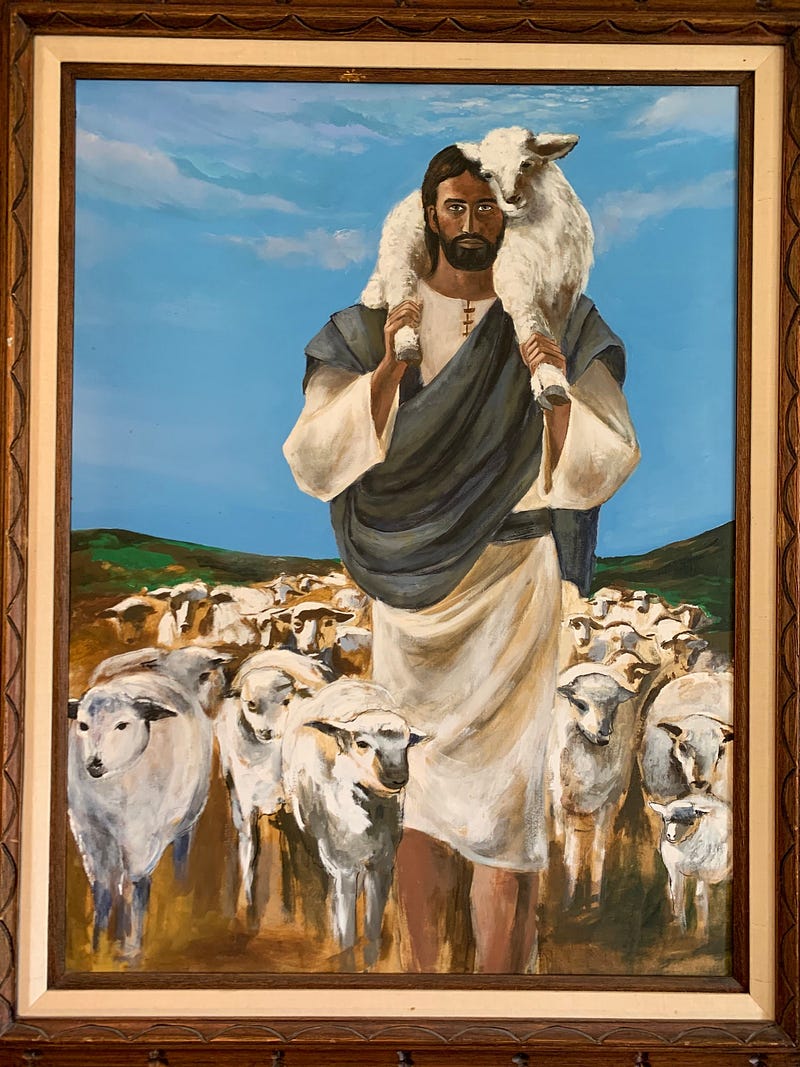
I noticed a 2018 Black Jesus on DeviantArt. It’s one of my favorites.