avatarGuy Ligertwood

Free AI web copilot to create summaries, insights and extended knowledge, download it at here

9053

Abstract

I know I did with my clients and project teams, and now, as I have transitioned into being an educator, it’s what Xi is all about.</p><blockquote id="d64a"><p><b><i>So regarding managing my feeling of being an imposter; it’s there to keep me grounded, and when I look at why I exist, the self-doubt that emerges from feeling like an imposter is easily outweighed by my drive to bring out the best in people.</i></b></p></blockquote><h2 id="8b5c">Where can people follow you?</h2><p id="bc93">My <a href="https://www.linkedin.com/in/charbel/">Linkedin</a></p><figure id="4c94"><img src="https://cdn-images-1.readmedium.com/v2/resize:fit:800/1*pPZzsVtMdJdf6sL3CtRPMw.png"><figcaption></figcaption></figure><h1 id="ca56">Audrey Liu — Director of Product Design at Thumbtack, San Francisco, USA</h1><h2 id="eebe">Nationality:</h2><p id="c07f">American 🇺🇸</p><h2 id="28d8">Imposter syndrome: Your experience with it as a designer and tips to manage it</h2><p id="8ed3">As a designer, I find that my version of imposter syndrome stems from my tendency to be hyper-critical of things — to continually looking for opportunities to improve a product or experience and to assume that things can and should be better by design.</p><p id="ba60">The shadow side of this is that I often find myself taking that same critical lens inward, which results in a disproportionate focus on my shortcomings rather than strengths.</p><p id="51d1"><b>I try to overcome/manage it by:</b></p><ol><li><b>Reminding myself that everyone experiences some form of imposter syndrome,</b></li><li><b>Having 1–2 close friends who can talk me out of it (a good “you’re being ridiculous” does wonders).</b></li><li><b>Keeping a rainy day email folder with notes of encouragement that I’ve received over the years.</b></li></ol><p id="b0f6">Additionally, I think it’s vital to have a cohort of peers (other designers, other design leaders, etc.) who you can bounce ideas off of and chat about work with.</p><p id="2c8a">Having these cohorts will not only give you a more realistic comparison to base your critique off but will also show you that you’re doing a great job.</p><h2 id="07c8">Where can people follow you?</h2><p id="af8a">My <a href="https://twitter.com/helloaudreyliu">Twitter</a></p><figure id="2ae7"><img src="https://cdn-images-1.readmedium.com/v2/resize:fit:800/1*eVdCH5xL08m4-RPBLbwhHA.png"><figcaption></figcaption></figure><h1 id="d22e">Nick Babich — Development Team Manager, Ring Central, Russia</h1><h2 id="e4de">Nationality:</h2><p id="9ad0">Russian 🇷🇺</p><h2 id="8034">Imposter syndrome: Your experience with it as a designer and tips to manage it</h2><p id="e18e">A lot of designers ask themselves “What if someone tells me I’m wrong?” Most of us fear that people might call us out for being wrong.</p><p id="5fff">As designers, we should fight this fear. One simple technique will help you to fight the fear, is an open discussion.</p><blockquote id="dbd3"><p><b><i>When someone tells you that you’re wrong, don’t be afraid to ask the person why they think that, you need to understand the point of view of the other person. Open discussion paired with active listening will make your design better.</i></b></p></blockquote><h2 id="af83">Where can people follow you?</h2><p id="8958"><a href="https://uxplanet.org/">UX Planet</a>, <a href="https://twitter.com/101babich">Twitter </a>, <a href="https://www.facebook.com/uxplanet/">Facebook</a></p><figure id="dc59"><img src="https://cdn-images-1.readmedium.com/v2/resize:fit:800/1*CTQ-9P0dsxW4CWY2JMGscg.png"><figcaption></figcaption></figure><h1 id="638d">Paola Mariselli — Product Designer, Facebook, Menlo Park, California, USA</h1><p id="372f"><b>Nationality:</b> Peruvian 🇵🇪</p><h2 id="a2d7">Imposter syndrome: Your experience with it as a designer and tips to manage it</h2><p id="0c27">Imposter syndrome is a cognitive distortion — akin to all-or-thing thinking or labelling. Recognising it as such helps me work on it as I would any other distortion: identifying it as such and then challenging it based on evidence.</p><blockquote id="67ec"><p><b><i>Within the context of design, this may translate to ‘I can’t work on this big assignment. I’m not experienced enough.’</i></b></p></blockquote><blockquote id="bf8a"><p><b><i>Then, recognising this thought as a distortion — which takes practice.</i></b></p></blockquote><blockquote id="a0df"><p><b><i>Finally, challenging it with facts: ‘I’m highly educated. I have worked on similar projects before. Leadership trusts me for a reason.’</i></b></p></blockquote><p id="46db">In the beginning, this series of steps take a lot of work, but eventually, it all happens semi-automatically. job.</p><h2 id="1888">Where can people follow you?</h2><p id="01fe"><a href="https://twitter.com/paolamariselli">Twitter</a> or <a href="https://medium.com/@paolamariselli">Medium</a></p><figure id="3aab"><img src="https://cdn-images-1.readmedium.com/v2/resize:fit:800/1*qUuhAft0Ik-3sMsZFEE5Bg.png"><figcaption></figcaption></figure><h1 id="2ede">Alessandro Floridi — UX Manager at Deloitte, Sydney, Australia</h1><h2 id="5fe0">Nationality:</h2><p id="d1f0">Italian 🇮🇹</p><h2 id="ba94">Imposter syndrome: Your experience with it as a designer and tips to manage it</h2><p id="a82c">Imposter syndrome doesn’t exist if you apply for a job that matches your skills. Personally, I don’t like the “fake it until you make it” approach because it only creates a lot of mess.</p><blockquote id="3162"><p><b><i>If you are feeling like an imposter, probably your ambition overtook your knowledge, and you should learn fast what you need to do.</i></b></p></blockquote><p id="e723">Another possibility is that you’re surrounded by people with humongous egos and little knowledge. In that case don’t feel like an imposter but run for your life.</p><h2 id="8017">Where can people follow you?</h2><p id="c864">My <a href="https://www.linkedin.com/in/alessandro-f-92965542/">Linkedin</a></p><figure id="c903"><img src="https://cdn-images-1.readmedium.com/v2/resize:fit:800/1*466k4ikreCgPJ5rEdmzBqQ.png"><figcaption></figcaption></figure><h1 id="7d9a">Leslie Chicoine — Experience Design and Product Management Consultant, Denver, USA</h1><h2 id="7c9b">Nationality:</h2><p id="5551">American 🇺🇸</p><h2 id="30b6">Imposter syndrome: Your experience with it as a designer and tips to manage it</h2><p id="9cc3">Get into the habit of regularly asking yourself and others, “What can I do to be better at my job?” (And then really listen to the answers.)</p><blockquote id="1dc4"><p><b><i>We are all works in progress.</i></b></p></blockquote><p id="10ba">I find that keeping this in mind, and actively working to improve as a designer and person, means that I’m never an imposter. I’m just a student of life like the rest of us.</p><h2 id="edd6">Where can people follow you?</h2><p id="3ee4">My <a href="https://www.instagram.com/theinfonaut/">Instagram</a> and <a href="https://twitter.com/theinfonaut">Twitter</a></p><figure id="f083"><img src="https://cdn-images-1.readmedium.com/v2/resize:fit:800/1*VH71HbeuzX5NYAXsD4AyZQ.png"><figcaption></figcaption></figure><h1 id="4146">Buzz Usborne — Product Designer at Help Scout, Sydney, Australia</h1><h2 id="c028">Nationality:</h2><p id="e58f">British 🇬🇧 and recently Australian 🇦🇺</p><h2 id="cc05">Imposter syndrome: Your experience with it as a designer and tips to manage it</h2><p id="eb30">Interestingly Atlassian address imposter syndrome within the first hour of their employee onboarding — which helps address a topic not many people talk about, but an overwhelming percentage of people have to deal with at some point in their career.</p><p id="0b29">Personally I feel it a lot, especially now I work remotely — but I see it as something to be embraced, not feared.</p><blockquote id="5205"><p><b><i>For me, the feeling of being discovered as an “imposter” is a constant fire to over-deliver, always learn, and continually improve the ways I work and collaborate. While it’s not comfortable, I hope it keeps me humble.</i></b></p></blockquote><p id="1be8">Aside from appreciating that a lot of my peers feel the same, the best way I’ve found to manage it is to mentor — in sharing my experiences; I’m reassured that I’ve learned a thing or two worth sharing along the way!</p><h2 id="4f9d">Where can people follow you?</h2><p id="e22b">My work at <a href="https://www.buzzusborne.com/">buzzusborne.com</a>, my <a href="https://twitter.com/buzzusborne">Twitter</a><a href="https://twitter.com/buzzusborne,">,</a> my writing on <a href="https://medium.com/@buzzusborne">Medium</a> and my resume on <a href="https://www.linkedin.com/in/buzzusborne/">Linkedin</a></p><figure id="17b9"><img src="https://cdn-images-1.readmedium.com/v2/resize:fit:800/1*hARTL4hXu6yKrrVl2f7lwQ.png"><figcaption></figcaption></figure><h1 id="2d1b">Kylie Timpani — Senior Designer at Humaan, Perth, Australia</h1><h2 id="e31b">Nationality:</h2><p id="3ee9">Australian 🇦🇺</p><h2 id="4d2b">Imposter syndrome: Your experience with it as a designer

Options

and tips to manage it</h2><p id="baa8">To be completely honest, I can’t say that I have experienced imposter syndrome in the way that many people express.</p><blockquote id="c145"><p><b><i>My path into design was a winding one, filled with difficult decisions I had to address with a substantial level of conscious effort.</i></b></p></blockquote><p id="81ff">I started on the back foot, way behind those I considered my peers and had to work a lot of things out on my own to catch up.</p><p id="afc9">It was freakin’ tough but I know the level of success I’m proud of at the moment is a direct a result of that journey. I remind myself of this regularly.</p><p id="e6c5">If you deal with imposter syndrome, I would recommend physically mapping your journey to the point you’re at right now. Stick it on your wall, be kind to yourself and use that physical map to remind yourself that you’ve done a lot of damn good stuff to be where you are.</p><p id="49fa">Denise Jacob’s also said something compelling and reassuring about this very topic at a conference I attended:</p><blockquote id="23fb"><p><b><i>“You will only experience impostor syndrome when you are competent and skilled”</i></b></p></blockquote><p id="6142">Let that be validation enough.</p><h2 id="221e">Where can people follow you?</h2><p id="855e">My <a href="https://twitter.com/kylietimpani">Twitter</a> and also on my <a href="https://dribbble.com/kylietimpani">Dribbble</a> for haphazardly timed insights into my work.</p><figure id="a9f1"><img src="https://cdn-images-1.readmedium.com/v2/resize:fit:800/1*rtbbQD5MrvfaBr7DHRWNqw.png"><figcaption></figcaption></figure><h1 id="53b7">Graeme Fulton — Writer, coder, designer at Marvel Gibraltar, UK</h1><h2 id="3e7b">Nationality:</h2><p id="2e02">British 🇬🇧</p><h2 id="9d59">Imposter syndrome: Your experience with it as a designer and tips to manage it</h2><p id="88a9">That point when you have to label yourself as a designer (probably because you need a job) can make you look around and think,‘shit, am I really a designer ’? or am I a fraud?</p><p id="a314">I think this is imposter syndrome, and it happens because some of the others using this title can cling to it, and be elitist about ‘being a designer’.</p><p id="ca62">This type of person has all the talk, qualifications and boxes ticked, making you feel that you don’t know enough.</p><p id="2654">They’re usually shit though.</p><blockquote id="5772"><p><b><i>Don’t listen to them — if you want to design, just do it because you can do what you want and be what you like. Good people will help you, and you’ll overcome it.</i></b></p></blockquote><p id="f798">My own story on this is here: <a href="https://uxdesign.cc/i-m-not-smart-i-just-sat-there-for-longer-than-you-1f35b5246cbd">I’m not smart I just sat there for longer than you</a></p><h2 id="5395">Where can people follow you?</h2><p id="62b5">My <a href="https://twitter.com/graeme_fulton">Twitter</a></p><figure id="6d8a"><img src="https://cdn-images-1.readmedium.com/v2/resize:fit:800/1*xPHkU1OFR4UHe-CH2FGVqg.png"><figcaption></figcaption></figure><h1 id="7f0f">Kaiting Huang — Interaction Designer at Google, in Seattle, USA</h1><h2 id="f5fb">Nationality:</h2><p id="13e1">Taiwanese 🇹🇼</p><h2 id="31b4">Imposter syndrome: Your experience with it as a designer and tips to manage it</h2><p id="67db">I thought I would become a CEO when I graduated from business school. I didn’t. I thought I would gain endless creativity and imagination when I become a designer. I didn’t. I thought I would finally feel like an adult when I turned 30, and given that I’m only a couple of months away, I don’t see it on the horizon.</p><p id="78e8">Now that I work at Google, suddenly more people are reaching out to me than people I reach out to for career advice. As I offer the best suggestions I can think of, I realise that everyone is just winging it.</p><blockquote id="008b"><p><b><i>No one has “figured it out”, no matter how it may seem. I still have my fears, self-doubts and frustrations, and so do the people I look up to.</i></b></p></blockquote><p id="1056">The most important thing is to move forward anyway. “Fake it until you make it” is an idiom backed up by science. Imposters are just humans. There’s no need to feel like a fraud when you are just authentically living a human life.</p><h2 id="b32f">Where can people follow you?</h2><p id="2e9d">My <a href="https://medium.com/@kaitinghuang">Medium</a></p><p id="6269" type="7">“I think what most people consider imposter syndrome is a feeling of learning — of growth. It’s the discomfort that comes with being responsible for a difficult challenge with no clear path to success.” (Ben Huggins)</p><h1 id="749b">If you enjoyed this…</h1><p id="a54b">Read the other articles in this series</p><p id="9c45"><a href="https://uxplanet.org/20-designers-20-questions-20-weeks-60ee38c36b62"><b>Intro Article</b></a><b>:</b> Get to know the designers <a href="https://uxplanet.org/question-1-how-did-you-get-into-design-7d3ac8e70244"><b>Question 1</b></a><b>: </b>How did you get into design? <a href="https://uxplanet.org/question-2-hows-your-typical-work-day-c0f613568418"><b>Question 2</b></a><b>: </b>How your typical workday? <a href="https://uxplanet.org/question-3-what-things-you-wish-you-knew-when-you-started-in-design-fa74e0a00f46"><b>Question 3</b></a><b>: </b>What things you wish you knew when you started in design? <a href="https://uxplanet.org/question-4-what-are-the-best-ways-for-you-to-stay-inspired-669dfd49e870"><b>Question 4</b></a><b>:</b> What are the best ways for you to stay inspired? <a href="https://uxplanet.org/what-do-you-want-to-see-in-my-ux-design-portfolio-fc98dc48c01"><b>Question 5</b></a><b>:</b> What do you want to see in my UX design portfolio? <a href="https://uxplanet.org/5-important-questions-you-need-to-be-able-to-answer-in-the-ux-interview-e38238ff50df"><b>Question 6</b></a><b>:</b> 5 important questions you need to be able to answer in the UX interview <a href="https://uxplanet.org/5-design-books-every-ux-designer-should-read-b4f81361d02c"><b>Question 7</b></a><b>:</b> 5 design books every UX designer should read <a href="https://readmedium.com/imposter-syndrome-your-experience-with-it-as-a-designer-and-tips-to-manage-it-cd9342b78681"><b>Question 8</b></a>: Imposter syndrome: Your experience with it as a designer and tips to manage it <a href="https://uxplanet.org/5-non-design-books-every-ux-designer-should-read-77a401f6ff6d"><b>Question 9</b></a><b>:</b> 5 non-designer books every UX designer should read <a href="https://uxplanet.org/whats-the-best-design-advice-you-ve-ever-received-1dfeff8dd4a8"><b>Question 10</b></a><b>: </b>What’s the best design advice you’ve ever received? <a href="https://uxplanet.org/5-things-that-make-a-great-ux-designer-78567cbf6917"><b>Question 11</b></a><b>:</b> 5 things that make a great UX designer <a href="https://uxplanet.org/what-have-you-struggled-with-in-your-career-and-how-did-you-overcome-it-8a7db5390031"><b>Question 12</b></a><b>:</b> What have you struggled within your career and how did you overcome it? <a href="https://uxplanet.org/how-do-you-juggle-your-life-work-and-keeping-up-with-the-design-industry-126c68c9d08f"><b>Question 13</b></a><b>:</b> How do you juggle your life, work and keeping up with the design industry? <a href="https://uxplanet.org/what-product-have-you-recently-seen-that-made-you-think-this-is-great-design-and-why-8cbb5f4b42c2"><b>Question 14</b></a><b>: </b>What product have you recently seen that made you think this is great design and why? <a href="https://uxplanet.org/what-tools-do-you-use-to-design-better-and-be-more-productive-838d8dc3e176"><b>Question 15</b></a><b>:</b> What tools do you use to design better and be more productive? <a href="https://uxplanet.org/how-do-you-see-the-future-of-ux-design-8654c62c3279"><b>Question 16</b></a>: How do you see the future of UX design? <a href="https://uxplanet.org/5-years-from-now-where-do-you-see-your-design-career-efde6f9ba9d2"><b>Question 17</b></a><b>:</b> 5 years from now where do you see your design career? <a href="https://uxplanet.org/tell-the-story-of-a-failed-product-you-designed-for-and-what-you-learned-from-it-9569ad7a90c3"><b>Question 18</b></a><b>:</b> Tell the story of a failed product you designed for, and what you learned from it <a href="https://uxplanet.org/5-important-things-ive-learned-to-do-as-a-designer-1936f4fb06ae"><b>Question 19</b></a><b>: </b>5 important things I’ve learned to do as a designer <a href="https://uxplanet.org/what-skills-do-you-plan-on-developing-over-the-next-5-years-c1adda246872"><b>Question 20:</b></a> What skills are you planning on developing over the next 5 years?</p><h1 id="4c2c">Thanks for the read, before you go</h1><p id="3e0b"><b>Clap</b> 👏 👏 👏 if you enjoyed this article, so others can find it <b>Comment</b> 💬 if you have a question you’d like to ask the designers <b>Follow me</b> <a href="undefined">Guy Ligertwood</a> to read all the articles in the series</p></article></body>

Imposter Syndrome: Your Experience With It as a Designer and Tips To Manage It?

Question 8: How to overcome feeling like a fraud
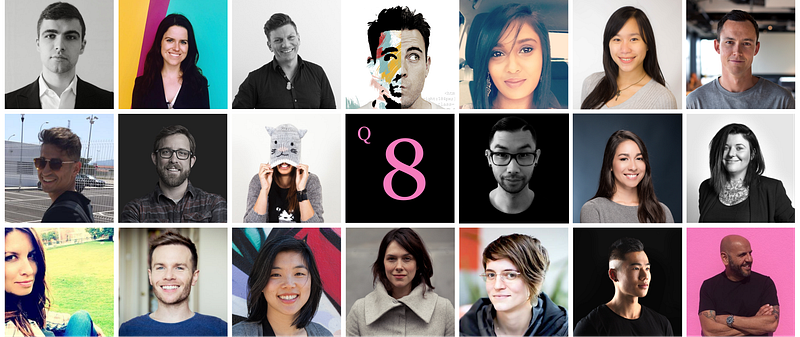
20 Designers, 20 Weeks, 1 Question Per Week

Learn From twenty experienced designers as we go deep into one question every week.

This week we dig into ‘Imposter Syndrome’

“The struggle is real! I don’t think you can be a designer without imposter syndrome. It comes with the territory of inventing the future because there are no rules. Once you discover that everyone feels like a fraud from time to time, it doesn’t feel so bad” (Cheech)

“Worry less about others’ success, and work harder on showing up and developing your best self

You are a real designer” (Simon Pan)

Simon Pan — Senior Product Designer at Medium, San Francisco, USA

Nationality:

Australian 🇦🇺

Imposter syndrome: Your experience with it as a designer and tips to manage it

Ever since I was a kid, I’ve always struggled with the idea of natural talent. I thought that I was the only one who lacked it because I was different from everybody else.

When I started to teach myself design, this self-loathing, impostery rhetoric magnified. I didn’t feel like a real designer. It made my pursuit of design more intimidating and made me more vulnerable.

Things got more comfortable when I focused on working hard to get better. I pushed myself outside of my comfort zone and pursued any and all types of feedback. Over time, as my designs got better, I learnt to trust myself.

Worry less about others’ success, and work harder on showing up and developing your best self.

You are a real designer.

Where can people follow you?

simonpan.com or on twitter
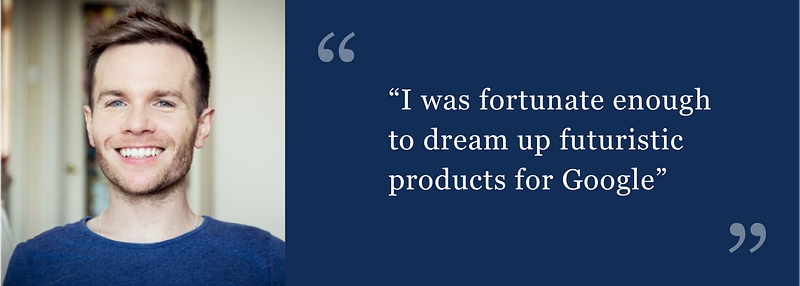
Andrew Doherty — CEO, Another.ai, Berlin, Germany

Formerly Product Design Manager at Google, Mountain View

Nationality:

Australian 🇦🇺

Imposter syndrome: Your experience with it as a designer and tips to manage it

At Google, imposter syndrome is a real thing, it can be measured, and there is a lot of data on how it changes people and causes problems in the workplace.

Google tends to hire people who are prone to imposter syndrome, rather than hire assholes who think they are the best.

Why? Because who wants to work with a know-it-all asshole? Know-it-all assholes leave little room to learn new things.

To those suffering from imposter syndrome, my advice to you is this:

Do not try to convince yourself that you’re the best designer in the world. The cure for imposter syndrome is to realise that the best designers in the world are all faking it, just like you.

The only difference between you and some famous designer is that they stopped worrying about the fact they were faking it for long enough to let themselves be amazing.

Where can people follow you?

My website or on Medium
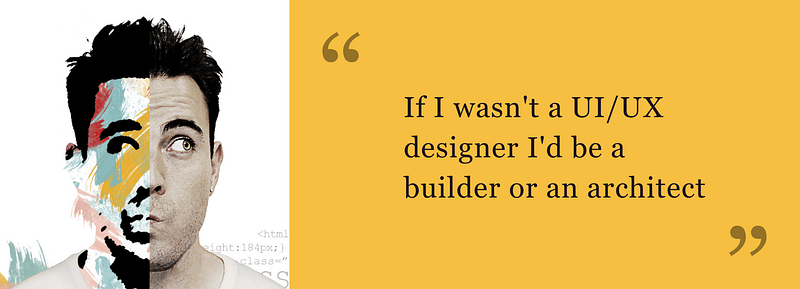
Adham Dannaway — Senior UI/UX designer, Contract/Freelance, Sydney, Australia

Nationality:

Australian 🇦🇺

Imposter syndrome: Your experience with it as a designer and tips to manage it

Like most designers out there, I have felt like a fraud before.

The scariest time is when you’re just starting a new job, and your boss hands you a big project.

You’re under a lot of pressure to succeed, and there’s always some self-doubt that creeps in to make things even harder. The good thing about the pressure and self-doubt is that it pushes you to work harder and learn more.

Over the years you solve more and more different problems, and your confidence grows. You also realise that most other people feel like imposters to some extent, so you’re not alone.

The fact is that no matter how much you know, there’s always more to learn. And that’s the thing that makes being a designer so much fun.

Where can people follow you?
adhamdannaway.com

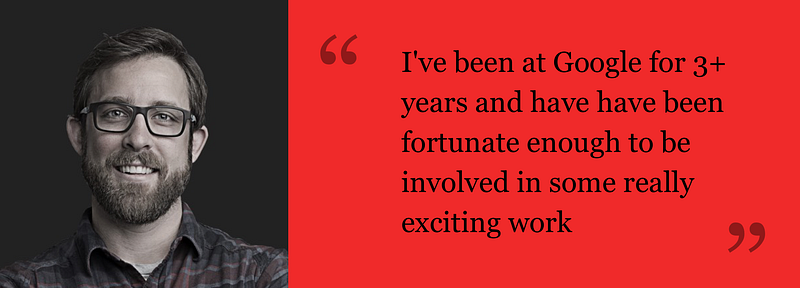
Ben Huggins — Sr Interaction Designer, YouTube, San Francisco, USA

Nationality:

American 🇺🇸

Imposter syndrome: Your experience with it as a designer and tips to manage it

The term “imposter syndrome” is earning its place in the buzzword hall of fame. Lately, it gets (mis)used almost as often as “innovation” or “engagement.”

I think what most people consider imposter syndrome is a feeling of learning — of growth. It’s the discomfort that comes with being responsible for a difficult challenge with no clear path to success.

Rachel Smith wrote an interesting piece recently exploring that distinction.

There are many days when I feel that discomfort. But with time and work, they tend to give way to a feeling of accomplishment — like I overcame an obstacle.

I try to keep perspective during those tough days:

  • This is a feeling of growth.
  • It is an investment in getting better.
  • You’ve worked hard to get here.
  • You’re more capable than you feel at this moment.
  • If you’re feeling challenged, you’re in the right place.

Where can people follow you?

hugg.in or I’m @bhuggins on Twitter and Instagram
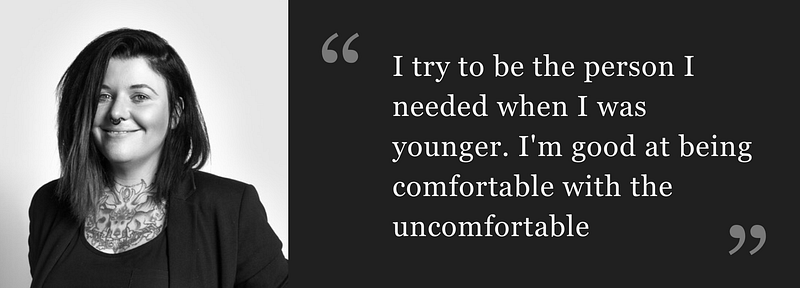
Chirryl-Lee Ryan (aka Cheech) — Head of Experience Design at Isobar, Hong Kong

Nationality:

Australian 🇦🇺

Imposter syndrome: Your experience with it as a designer and tips to manage it

The struggle is real! I don’t think you can be a designer without imposter syndrome. It comes with the territory of inventing the future because there are no rules. Once you discover that everyone feels like a fraud from time to time, it doesn’t feel so bad.

The best thing I can think of to manage imposter syndrome is to be open and share your feelings.

I make myself available to listen whenever a designer needs me, and I remind them of the great stuff they’ve done to break their negative head-talk.

Where can people follow you?

My Linkedin
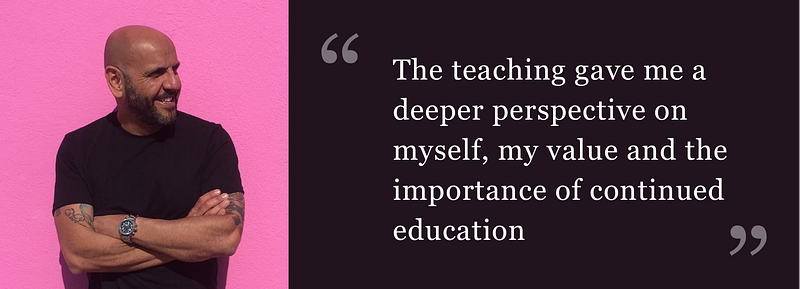
Charbel Zeaiter — Chief Experience Officer, Academy Xi, Melbourne & Sydney

Nationality:

Australian 🇦🇺

Imposter syndrome: Your experience with it as a designer and tips to manage it

This was a long, massive process for me. It’s taken me the best part of my 50 years to understand my life purpose: creating the space to activate people by giving them the tools and mindset to create their waves of change.

As a UXer, that’s what I know I did with my clients and project teams, and now, as I have transitioned into being an educator, it’s what Xi is all about.

So regarding managing my feeling of being an imposter; it’s there to keep me grounded, and when I look at why I exist, the self-doubt that emerges from feeling like an imposter is easily outweighed by my drive to bring out the best in people.

Where can people follow you?

My Linkedin
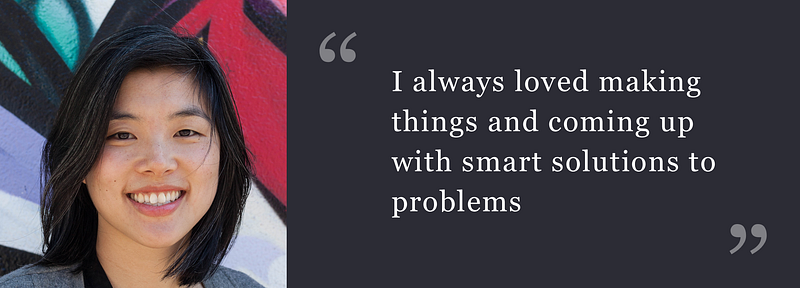
Audrey Liu — Director of Product Design at Thumbtack, San Francisco, USA

Nationality:

American 🇺🇸

Imposter syndrome: Your experience with it as a designer and tips to manage it

As a designer, I find that my version of imposter syndrome stems from my tendency to be hyper-critical of things — to continually looking for opportunities to improve a product or experience and to assume that things can and should be better by design.

The shadow side of this is that I often find myself taking that same critical lens inward, which results in a disproportionate focus on my shortcomings rather than strengths.

I try to overcome/manage it by:

  1. Reminding myself that everyone experiences some form of imposter syndrome,
  2. Having 1–2 close friends who can talk me out of it (a good “you’re being ridiculous” does wonders).
  3. Keeping a rainy day email folder with notes of encouragement that I’ve received over the years.

Additionally, I think it’s vital to have a cohort of peers (other designers, other design leaders, etc.) who you can bounce ideas off of and chat about work with.

Having these cohorts will not only give you a more realistic comparison to base your critique off but will also show you that you’re doing a great job.

Where can people follow you?

My Twitter
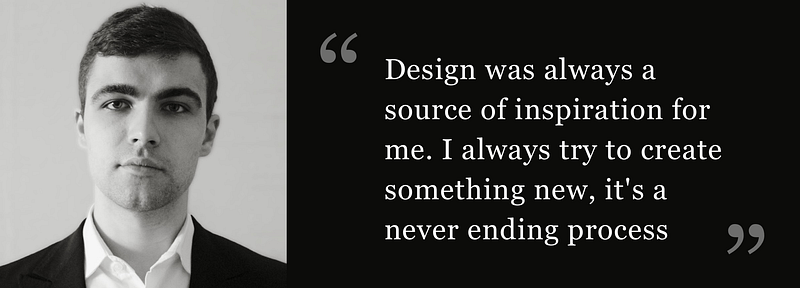
Nick Babich — Development Team Manager, Ring Central, Russia

Nationality:

Russian 🇷🇺

Imposter syndrome: Your experience with it as a designer and tips to manage it

A lot of designers ask themselves “What if someone tells me I’m wrong?” Most of us fear that people might call us out for being wrong.

As designers, we should fight this fear. One simple technique will help you to fight the fear, is an open discussion.

When someone tells you that you’re wrong, don’t be afraid to ask the person why they think that, you need to understand the point of view of the other person. Open discussion paired with active listening will make your design better.

Where can people follow you?
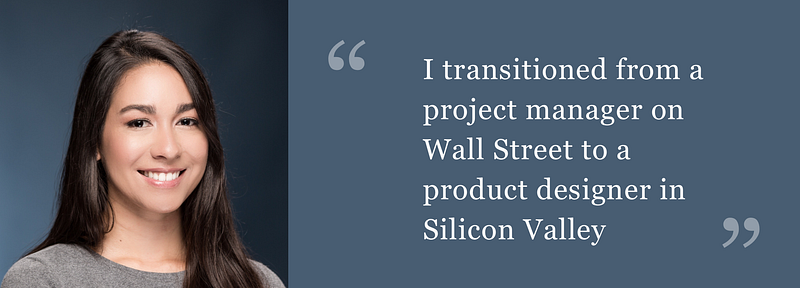
UX Planet, Twitter , Facebook

Paola Mariselli — Product Designer, Facebook, Menlo Park, California, USA

Nationality: Peruvian 🇵🇪

Imposter syndrome: Your experience with it as a designer and tips to manage it

Imposter syndrome is a cognitive distortion — akin to all-or-thing thinking or labelling. Recognising it as such helps me work on it as I would any other distortion: identifying it as such and then challenging it based on evidence.

Within the context of design, this may translate to ‘I can’t work on this big assignment. I’m not experienced enough.’

Then, recognising this thought as a distortion — which takes practice.

Finally, challenging it with facts: ‘I’m highly educated. I have worked on similar projects before. Leadership trusts me for a reason.’

In the beginning, this series of steps take a lot of work, but eventually, it all happens semi-automatically. job.

Where can people follow you?
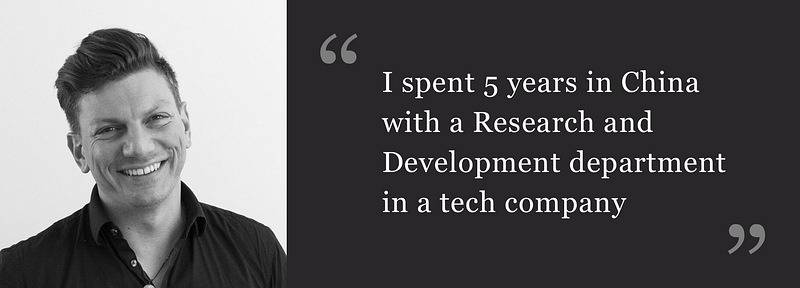
Twitter or Medium

Alessandro Floridi — UX Manager at Deloitte, Sydney, Australia

Nationality:

Italian 🇮🇹

Imposter syndrome: Your experience with it as a designer and tips to manage it

Imposter syndrome doesn’t exist if you apply for a job that matches your skills. Personally, I don’t like the “fake it until you make it” approach because it only creates a lot of mess.

If you are feeling like an imposter, probably your ambition overtook your knowledge, and you should learn fast what you need to do.

Another possibility is that you’re surrounded by people with humongous egos and little knowledge. In that case don’t feel like an imposter but run for your life.

Where can people follow you?

My Linkedin
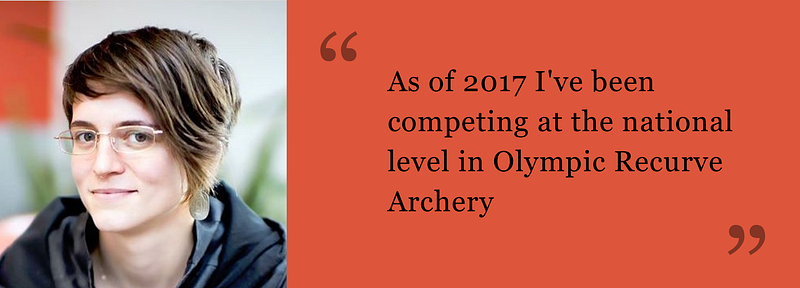
Leslie Chicoine — Experience Design and Product Management Consultant, Denver, USA

Nationality:

American 🇺🇸

Imposter syndrome: Your experience with it as a designer and tips to manage it

Get into the habit of regularly asking yourself and others, “What can I do to be better at my job?” (And then really listen to the answers.)

We are all works in progress.

I find that keeping this in mind, and actively working to improve as a designer and person, means that I’m never an imposter. I’m just a student of life like the rest of us.

Where can people follow you?
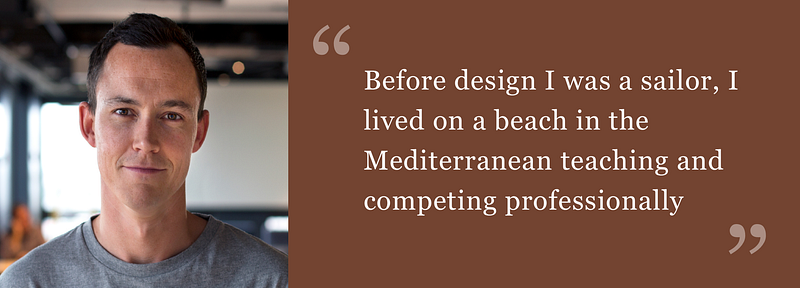
My Instagram and Twitter

Buzz Usborne — Product Designer at Help Scout, Sydney, Australia

Nationality:

British 🇬🇧 and recently Australian 🇦🇺

Imposter syndrome: Your experience with it as a designer and tips to manage it

Interestingly Atlassian address imposter syndrome within the first hour of their employee onboarding — which helps address a topic not many people talk about, but an overwhelming percentage of people have to deal with at some point in their career.

Personally I feel it a lot, especially now I work remotely — but I see it as something to be embraced, not feared.

For me, the feeling of being discovered as an “imposter” is a constant fire to over-deliver, always learn, and continually improve the ways I work and collaborate. While it’s not comfortable, I hope it keeps me humble.

Aside from appreciating that a lot of my peers feel the same, the best way I’ve found to manage it is to mentor — in sharing my experiences; I’m reassured that I’ve learned a thing or two worth sharing along the way!

Where can people follow you?

My work at buzzusborne.com, my Twitter, my writing on Medium and my resume on Linkedin
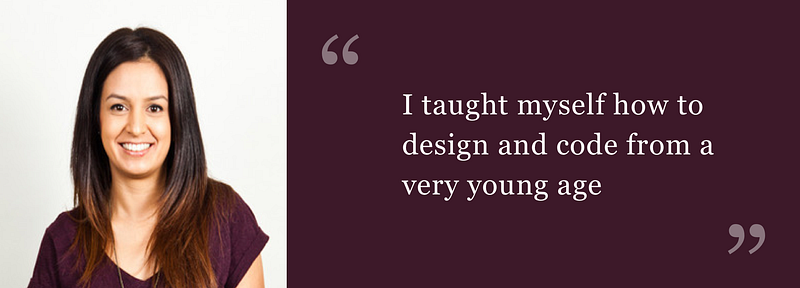
Kylie Timpani — Senior Designer at Humaan, Perth, Australia

Nationality:

Australian 🇦🇺

Imposter syndrome: Your experience with it as a designer and tips to manage it

To be completely honest, I can’t say that I have experienced imposter syndrome in the way that many people express.

My path into design was a winding one, filled with difficult decisions I had to address with a substantial level of conscious effort.

I started on the back foot, way behind those I considered my peers and had to work a lot of things out on my own to catch up.

It was freakin’ tough but I know the level of success I’m proud of at the moment is a direct a result of that journey. I remind myself of this regularly.

If you deal with imposter syndrome, I would recommend physically mapping your journey to the point you’re at right now. Stick it on your wall, be kind to yourself and use that physical map to remind yourself that you’ve done a lot of damn good stuff to be where you are.

Denise Jacob’s also said something compelling and reassuring about this very topic at a conference I attended:

“You will only experience impostor syndrome when you are competent and skilled”

Let that be validation enough.

Where can people follow you?

My Twitter and also on my Dribbble for haphazardly timed insights into my work.
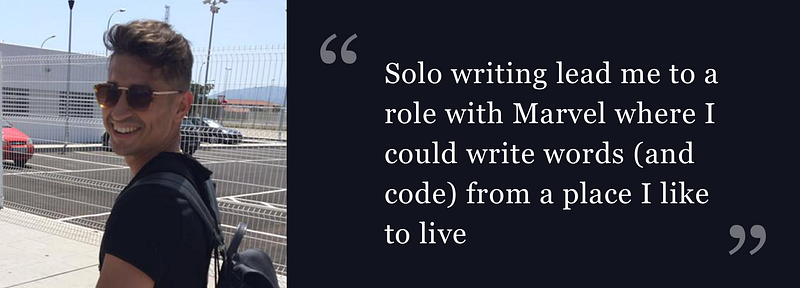
Graeme Fulton — Writer, coder, designer at Marvel Gibraltar, UK

Nationality:

British 🇬🇧

Imposter syndrome: Your experience with it as a designer and tips to manage it

That point when you have to label yourself as a designer (probably because you need a job) can make you look around and think,‘shit, am I really a _designer_ ’? or am I a fraud?

I think this is imposter syndrome, and it happens because some of the others using this title can cling to it, and be elitist about ‘being a designer’.

This type of person has all the talk, qualifications and boxes ticked, making you feel that you don’t know enough.

They’re usually shit though.

Don’t listen to them — if you want to design, just do it because you can do what you want and be what you like. Good people will help you, and you’ll overcome it.

My own story on this is here: I’m not smart I just sat there for longer than you

Where can people follow you?

My Twitter
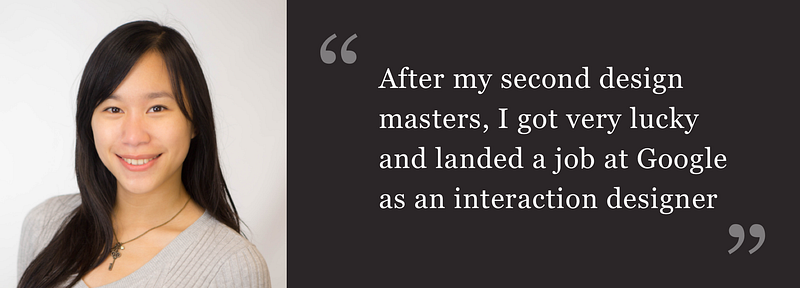
Kaiting Huang — Interaction Designer at Google, in Seattle, USA

Nationality:

Taiwanese 🇹🇼

Imposter syndrome: Your experience with it as a designer and tips to manage it

I thought I would become a CEO when I graduated from business school. I didn’t. I thought I would gain endless creativity and imagination when I become a designer. I didn’t. I thought I would finally feel like an adult when I turned 30, and given that I’m only a couple of months away, I don’t see it on the horizon.

Now that I work at Google, suddenly more people are reaching out to me than people I reach out to for career advice. As I offer the best suggestions I can think of, I realise that everyone is just winging it.

No one has “figured it out”, no matter how it may seem. I still have my fears, self-doubts and frustrations, and so do the people I look up to.

The most important thing is to move forward anyway. “Fake it until you make it” is an idiom backed up by science. Imposters are just humans. There’s no need to feel like a fraud when you are just authentically living a human life.

Where can people follow you?

My Medium

“I think what most people consider imposter syndrome is a feeling of learning — of growth. It’s the discomfort that comes with being responsible for a difficult challenge with no clear path to success.” (Ben Huggins)

If you enjoyed this…

Read the other articles in this series

Intro Article: Get to know the designers Question 1: How did you get into design? Question 2: How your typical workday? Question 3: What things you wish you knew when you started in design? Question 4: What are the best ways for you to stay inspired? Question 5: What do you want to see in my UX design portfolio? Question 6: 5 important questions you need to be able to answer in the UX interview Question 7: 5 design books every UX designer should read Question 8: Imposter syndrome: Your experience with it as a designer and tips to manage it Question 9: 5 non-designer books every UX designer should read Question 10: What’s the best design advice you’ve ever received? Question 11: 5 things that make a great UX designer Question 12: What have you struggled within your career and how did you overcome it? Question 13: How do you juggle your life, work and keeping up with the design industry? Question 14: What product have you recently seen that made you think this is great design and why? Question 15: What tools do you use to design better and be more productive? Question 16: How do you see the future of UX design? Question 17: 5 years from now where do you see your design career? Question 18: Tell the story of a failed product you designed for, and what you learned from it Question 19: 5 important things I’ve learned to do as a designer Question 20: What skills are you planning on developing over the next 5 years?

Thanks for the read, before you go

Clap 👏 👏 👏 if you enjoyed this article, so others can find it Comment 💬 if you have a question you’d like to ask the designers Follow me Guy Ligertwood to read all the articles in the series

Imposter Syndrome
UX
Design
Self Improvement
Life Lessons
Recommended from ReadMedium