avatarDaniel G. Clark

Free AI web copilot to create summaries, insights and extended knowledge, download it at here

2371

Abstract

extent to avoid overconfidence. Believing that everything you write is immediately going to be amazing is a greater fault than questioning whether you can make it better.</li><li>A desire for perfection is positive as long as it doesn’t put you off ever starting. Don’t be afraid to make mistakes because you can iron them out in the editing stage. But don’t ever lose that appetite for excellence or you will start producing sloppy, half-hearted work.</li></ol><figure id="2ad4"><img src="https://cdn-images-1.readmedium.com/v2/resize:fit:800/0*K_Re2GqziY1Ydj_s"><figcaption>Photo by <a href="https://unsplash.com/@aaronburden?utm_source=medium&amp;utm_medium=referral">Aaron Burden</a> on <a href="https://unsplash.com?utm_source=medium&amp;utm_medium=referral">Unsplash</a></figcaption></figure><h2 id="0f2c">Pain or pleasure</h2><p id="0383">Many great authors describe writing as agonising. James Joyce is quoted as saying:</p><blockquote id="28f4"><p>Writing in English is the most ingenious torture ever devised for sins committed in previous lives</p></blockquote><p id="bc03">Writing can certainly be a painful process. When you try to transfer an idea or thought that is crystal clear in your head onto the page it is often frustratingly uncooperative. Wrapping this idea in interesting language can undoubtedly make your point more powerful, but also runs the risk of sacrificing clarity.</p><p id="4028">Perhaps the only punishment greater than writing is not writing. In <i>I Know Why The Caged Bird Sings</i>, Maya Angelou expresses her need to release stories:</p><blockquote id="b957"><p>There is no greater agony than bearing an untold story inside you</p></blockquote><p id="057b">Like most writers, I have felt both the pain of writing and the pain of not writing. Ideas boil up inside me desperate to emerge, but getting them out can be equally traumatic.</p><p id="9edd">Simultaneously, writing a story can also be one of the most pleasurable and satisfying experiences in this fleeting human existence. There’s great joy in seeing the seed of an idea flourish into something that gives you pride.</p><figure id="a2ce"><img src="https://cdn-images-1.readmedium.com/v2/resize:fit:800/0*OTdLEX2MsMdmCPas"><figcaption>Photo by <a href="https://unsplash.com/@impatrickt?utm_source=medium&amp;utm_medium=referral">Patrick Tomasso</a> on <a href="https://u

Options

nsplash.com?utm_source=medium&utm_medium=referral">Unsplash</a></figcaption></figure><h2 id="fc5e">Everyone’s a writer</h2><p id="4c63">We should encourage everyone to write. Every writer offers a new perspective and has a distinct voice that is worth hearing.</p><p id="3a03">But it is only worth hearing if the writing is carefully thought through.</p><p id="675e">I don’t mean this in a purely rationalistic sense of constructing a logical argument. I mean that the writer must care about their creation; they must believe they have written something that merits the attention of their reader.</p><p id="62fc">Inevitably, there is a trade-off between quality and quantity here. It is possible to produce an enormous output and maintain the highest standards in your writing: Marcel Proust, Leo Tolstoy and George Eliot demonstrate this.</p><p id="a010">However, these writers are the exceptions that prove the rule. It is far more likely that if you are churning out reams and reams you are not paying sufficient attention to what you are writing.</p><p id="060b">In starting the Illumination 30-Day Challenge, I am apprehensive because I don’t want to become what I hate. My intention is to publish a new article every day since this will provide structure and allow me to establish a consistent writing routine. But I do not want to compromise on quality or authenticity: I will endeavour to make sure every article has a purpose and that I believe in what I am saying.</p><p id="a0e7">Thought you might like this: <a href="undefined">Desiree Driesenaar</a> (for the Maya Angelou quote), <a href="undefined">conny manero</a> (for the criticism of writers who don’t respect their readers).</p><p id="c04e">See my Illumination writer profile here:</p><div id="d19d" class="link-block"> <a href="https://readmedium.com/introducing-myself-to-the-illumination-community-7250c35fe08e"> <div> <div> <h2>Introducing Myself to the Illumination Community</h2> <div><h3>An interview with my mirror</h3></div> <div><p>medium.com</p></div> </div> <div> <div style="background-image: url(https://miro.readmedium.com/v2/resize:fit:320/0*IpVaHt13p8BNO0gI)"></div> </div> </div> </a> </div></article></body>

I’m Not A Prolific Writer

And I don’t want to be

Photo by Kaitlyn Baker on Unsplash

Writing is one of my greatest passions. I love playing around with words to create something new. The way that a combination of sounds can elicit an emotional response from the reader excites me.

And yet I’ve always found it hard to actually sit at my desk, open my laptop and put my idea on a page.

Currently, I have the time. I would say I also have the motivation. But something holds me back.

Why I’m not a prolific writer

A cursory glance through Twitter is enough to confirm that I’m not alone: the Writing Community is teeming with procrastinating writers.

I have wrangled with this question for years, trying to balance my desire to write with all the obstacles that stop me from doing so. Some of my most common stumbling blocks include:

  • Too much respect for better writers
  • A feeling that there’s nothing left to say
  • Underlying doubt that my opinion isn’t worth reading
  • Pressure to make a piece of writing perfect

I think the best way to deal with these obstacles is to reframe the issue entirely. Indeed, these four things are in fact healthy traits for a writer — so long as they do not come to dominate.

  1. Having respect for established authors allows newbies to learn from them. This shouldn't intimidate you or make you feel inferior. But not reading successful writers is missing a big opportunity to improve. Even those who deliberately subvert genre or form first need to know and understand the traditions from which they are deviating.
  2. Feeling that everything has already been said makes you think carefully about exactly what it is you’re trying to argue. You might approach an argument that has been made a thousand times from a slightly different perspective and in doing so offer an original insight.
  3. Doubt is necessary to a certain extent to avoid overconfidence. Believing that everything you write is immediately going to be amazing is a greater fault than questioning whether you can make it better.
  4. A desire for perfection is positive as long as it doesn’t put you off ever starting. Don’t be afraid to make mistakes because you can iron them out in the editing stage. But don’t ever lose that appetite for excellence or you will start producing sloppy, half-hearted work.
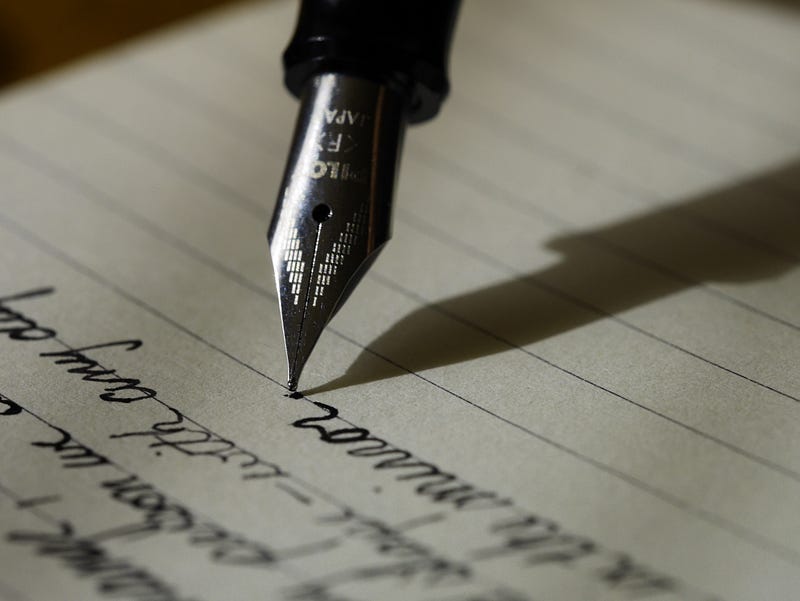
Photo by Aaron Burden on Unsplash

Pain or pleasure

Many great authors describe writing as agonising. James Joyce is quoted as saying:

Writing in English is the most ingenious torture ever devised for sins committed in previous lives

Writing can certainly be a painful process. When you try to transfer an idea or thought that is crystal clear in your head onto the page it is often frustratingly uncooperative. Wrapping this idea in interesting language can undoubtedly make your point more powerful, but also runs the risk of sacrificing clarity.

Perhaps the only punishment greater than writing is not writing. In I Know Why The Caged Bird Sings, Maya Angelou expresses her need to release stories:

There is no greater agony than bearing an untold story inside you

Like most writers, I have felt both the pain of writing and the pain of not writing. Ideas boil up inside me desperate to emerge, but getting them out can be equally traumatic.

Simultaneously, writing a story can also be one of the most pleasurable and satisfying experiences in this fleeting human existence. There’s great joy in seeing the seed of an idea flourish into something that gives you pride.

Photo by Patrick Tomasso on Unsplash

Everyone’s a writer

We should encourage everyone to write. Every writer offers a new perspective and has a distinct voice that is worth hearing.

But it is only worth hearing if the writing is carefully thought through.

I don’t mean this in a purely rationalistic sense of constructing a logical argument. I mean that the writer must care about their creation; they must believe they have written something that merits the attention of their reader.

Inevitably, there is a trade-off between quality and quantity here. It is possible to produce an enormous output and maintain the highest standards in your writing: Marcel Proust, Leo Tolstoy and George Eliot demonstrate this.

However, these writers are the exceptions that prove the rule. It is far more likely that if you are churning out reams and reams you are not paying sufficient attention to what you are writing.

In starting the Illumination 30-Day Challenge, I am apprehensive because I don’t want to become what I hate. My intention is to publish a new article every day since this will provide structure and allow me to establish a consistent writing routine. But I do not want to compromise on quality or authenticity: I will endeavour to make sure every article has a purpose and that I believe in what I am saying.

Thought you might like this: Desiree Driesenaar (for the Maya Angelou quote), conny manero (for the criticism of writers who don’t respect their readers).

See my Illumination writer profile here:

Writing
Reading
Inspiration
Books
Writing Tips
Recommended from ReadMedium