
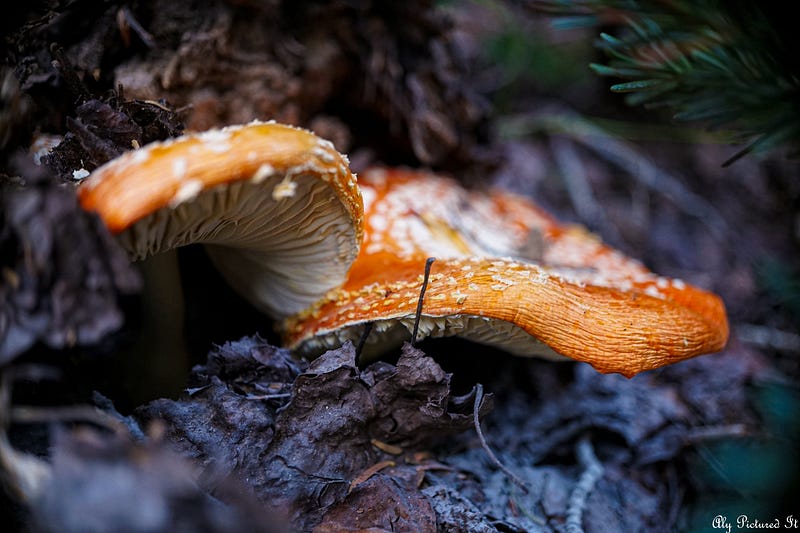
Iconic: Fly Agaric Mushroom
A Cosmopolitan Fungus
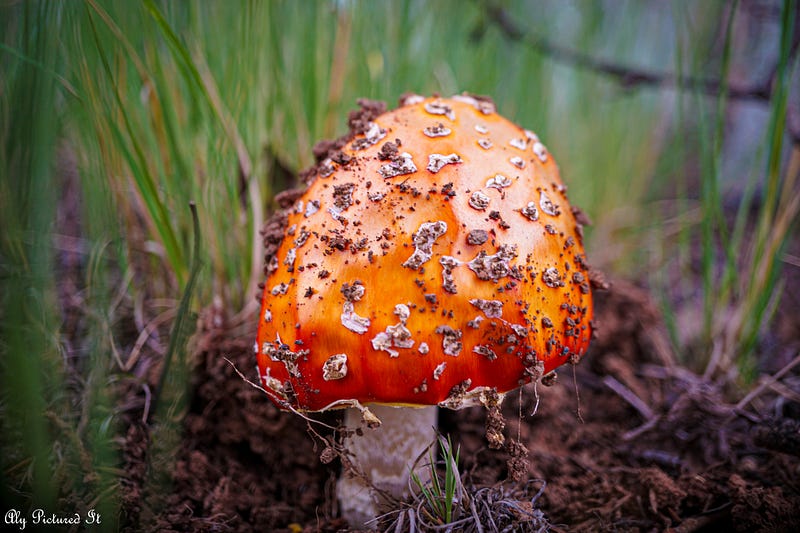
Iconic. This little red mushroom has followed us over vast distances and through millennia. It’s journeyed from the northern hemisphere to the south, forming symbiotic relationships with both evergreen and deciduous trees.
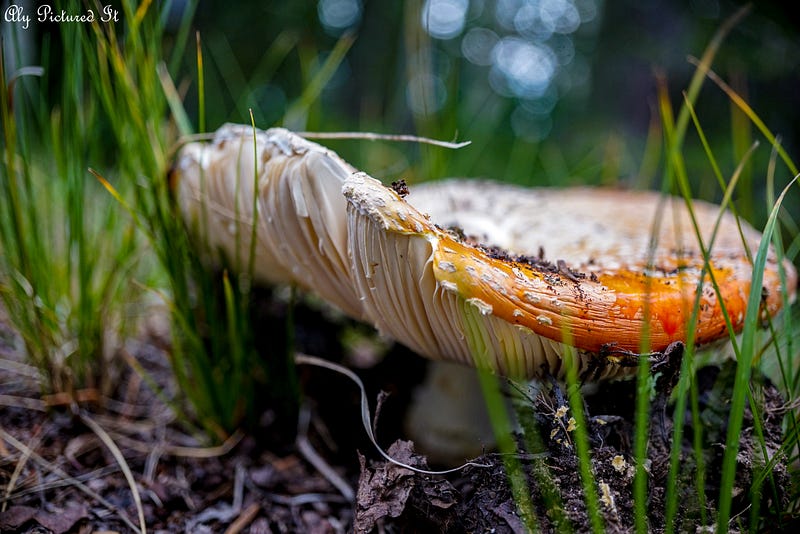
Amanita wraps itself around the roots of trees, such as birch or pine, which enable it to exchange nutrients. Filaments, called mycelium (the main body of a mushroom), create an interconnected web between mushrooms and plant roots. As a result, trees and fungi can supply each other with food, water, and even information.
The “Wood-Wide Web,” as it’s called, is a vital component of the forest ecosystem, allowing healthy trees to care for their sick or dying neighbors and warn others of danger. Interestingly, if one species of tree in this network is dying off at rapid rates, its nutrients can be transferred, in bulk, to hardier trees nearby. This fortifies the remaining plants against impending harm.
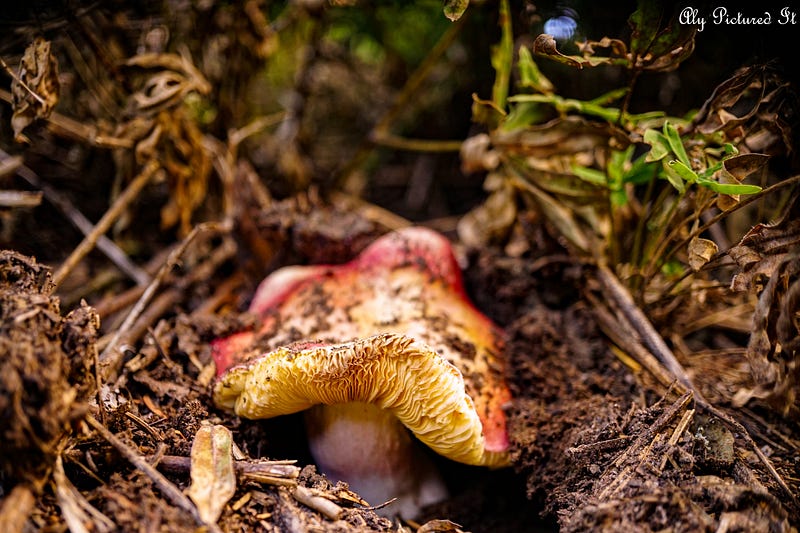
The effects of Amanita’s global invasion are still widely unknown, but they may be causing a displacement of native species in Australia and are considered a weed in New Zealand. However, even those who share this concern can’t help but show their love for these adorable toadstools.
Our ancestors often consumed Fly Agaric for its intoxicating effects, which is likely why we brought it with us to the New World. In fact, Santa’s rosy complexion and red coat may have their origins in the recreation use of Amanita. In addition, Fly Agaric is a favorite snack for reindeer!
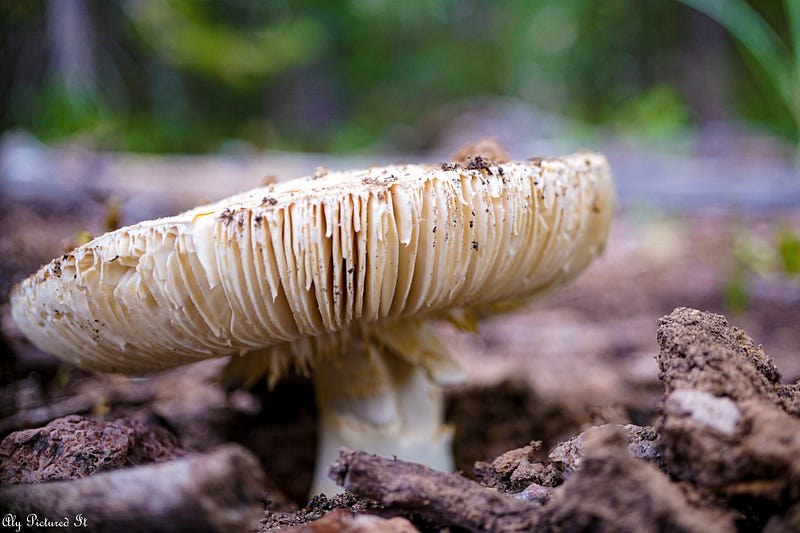
Historically, Amanita was also used as an insecticide. It contains chemicals that both attract and poison flies and would be crumbled up into milk for this purpose. This is where Fly Agaric got its name.
I’ve spent many days meandering through the forests in southern Utah, searching for this pretty fungus, vivid and polka-dotted, with its rich history and cultural presence. I wanted a picture of this fairytale-come-to-life more than anything, but, year after year, I came up empty. Now, I wonder how that was ever the case.
Amanita is everywhere. Once I found it poking its vibrant head from out of the soil, I saw it again and again wherever I chose to wander. In white, red, or orange, perfectly shaped or twisted and bizarre; I found it buried in leaves or growing proudly in the open. A fascinating fungus if ever there was one.
I can’t wait till next fall.
If you enjoyed this piece, you might also like:
Get yourself a Medium membership here to support me and read more from other writers! You can also buy me a coffee.
Check out this story by Christopher Lovelace @ChristopherLovelace on Snapshots:


