
I Love Writing Tanka

First five syllables Second seven syllables Pivot at haiku Seven starts lower poem Seven finishes with depth
Quoting Brett Christiansen:
So, a tanka poem is like a haiku with two extra lines added. Sometimes, this extra length can offer a little more scope to tell your story. And, unlike haiku, tanka allows metaphors, similes, and personification.
Traditionally, Tanka poems were written as one continuous line. But modern versions written in English are usually formatted over five lines.
Tanka poems typically have a turn or pivot in the third line. An article about Tanka on poets.org notes:
Like the sonnet, the tanka employs a turn, known as a pivotal image, which marks the transition from the examination of an image to the examination of the personal response. This turn is located within the third line, connecting the kami-no-ku, or upper poem, with the shimo-no-ku, or lower poem.
I also write the single-line form:
My first tanka above and explainer grew out of Sahil Patel’s specific prompt: “Write about a thing that makes your poetry unique.” I see very little tanka on Medium and I write my poetry almost exclusively in this form of art, so that little ditty qualifies, but then I read more of Sahil’s piece and find that which I riffed off highly unsatisfactory. I write tanka because the art form challenges me to think deeply and fit so much into few words and not waste space with various forms of connective words that do not actually add meaning to the piece.
Tanka challenges Fits my personality Deeply broad thinker Spiritual and few words Make every fucking word count
Ahh, I think that connects better with me and Sahil’s piece:
in which he asked us to “let [him] and other poets know more about yourself as a poet.”
I searched the word tanka in the image site I subscribe to and all the hits depicted tanks. If the shoe fits, wear it. I am known for my take-no-prisoners “stomp-stomp” yet spiritual, as I define it, form of expression.
Thirty-six long stems For each too short span of years Roses evoke you Soft beautiful elegant Prick ye who thorns memory
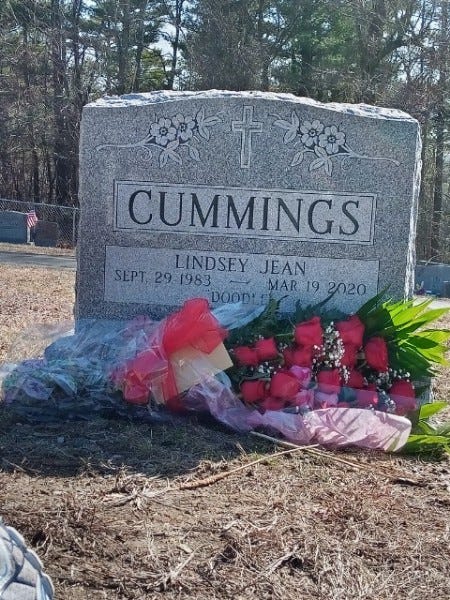
Prick ye who thorns memory
Tagging these fine poets from the world of Diana C.’s Know Thyself, Heal Thyself: Rita Duponty, Carolyn F. Chryst, Ph.D., Anthi Psomiadou, Claire Kelly, Joseph Lieungh, Stuart Englander, Tree Langdon, Dr. Fatima Imam and Dr. Preeti Singh for participation.
Please tag me if you participate so I may enjoy your contributions.
In Rama I create,