
%22%3E)
I Am a Queer Filmmaker
Can I tell you my story?
Our community has made enormous progress in recent years. We are living in a time of unprecedented queer visibility, which empowers us to keep moving forward, and heal the scars that linger from our recent past.
“Be Will instead of Jack.”
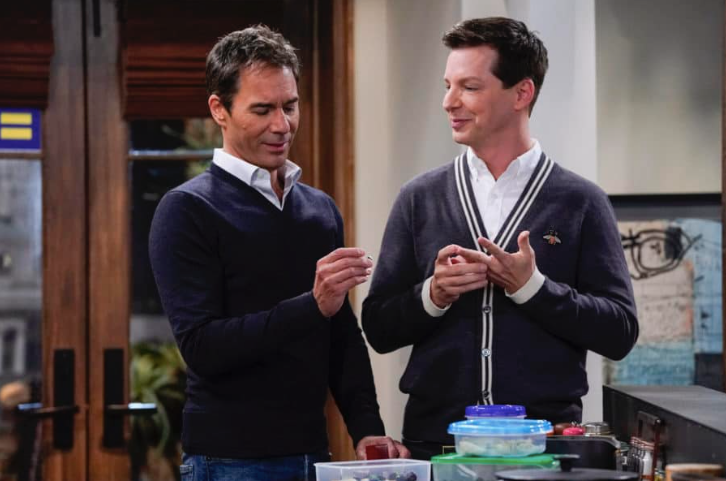
When I was 14-years-old, “Will and Grace” was a cultural phenomenon — the first queer-led show to attract a world-wide audience. The night I came out to my father, he told me, “Be Will instead of Jack”. At the time, I dismissed this as a harmless laugh-line.
But looking back, it reveals how limited representation fuels internalized homophobia. Apart from being openly femme-shaming, the comment made it sound like there were only two “types” of gay people — flaming or passing.
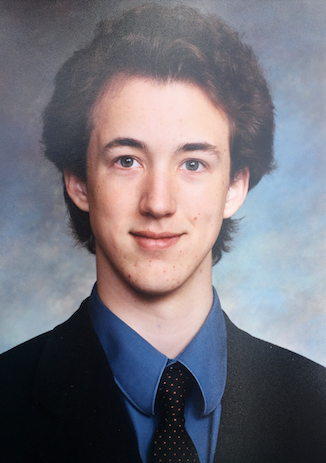
And I knew I didn’t fit into either category. I knew my identity was more nuanced and complex than the archetypes on TV. But at that age, having never seen myself reflected on screen, I bought into the idea that there were only a handful of ways to be gay. And so, I spent a lot of my youth struggling to fit in, always feeling like I needed to change something about my body or my voice or my fashion, if I wanted to be part of the club.
But then 2020 offered me a lot of introspection, and I realized I don’t have to fit into a mold. All of the fabulous nuances of my identity are all part of my queerness. And I don’t have to change myself to be part of a community. When I make art and tell stories, I get to build communities, founded on love and authenticity.
Will and Jack are not the only options. There are countless ways to be gay!
Representation Matters
The question remains, how can queer people cherish the remarkable nuances of our identities if we rarely see nuanced, authentic portraits of ourselves on screen?
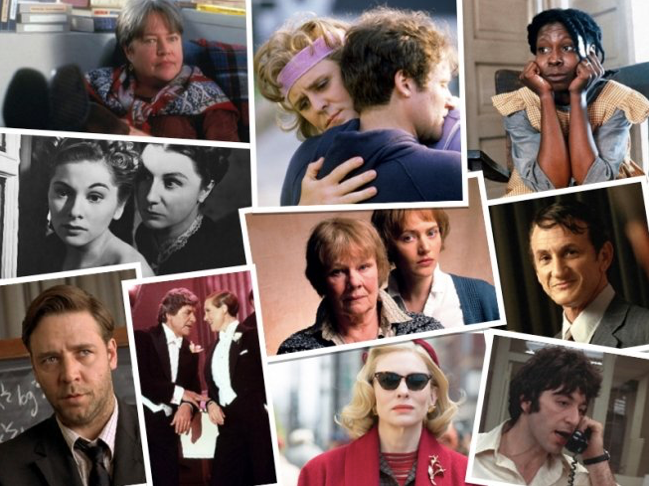
There’s a big difference between nuance and authenticity. Scores of actors have been nominated for Oscars for giving nuanced performances of queer characters. In 2018, the majority of actors who won an Oscar were playing a queer character. But in these widely distributed films… the actors have always been straight.
No one is saying an actor has to be exactly like his character in every way, or that talent is a secondary concern. The debate is about access and equality! Queer characters appear with increasing frequency, but queer actors rarely get the spotlight, despite the authenticity they bring.
When queer stories are populated with straight actors, and geared toward the perceived sensibilities of a straight audience, they often perpetuate unconscious stereotypes. Queer characters in leading roles are usually in turmoil about their sexuality. And if they have a love interest, they’re always hetero-presenting and meet an unattainable standard of beauty.
Straight people get how painful it is to live in a culture that tells us we have to look a certain way to be loved. Imagine that compounded with the idea that you have to pass as straight to be worthy of love in the first place.
After all, “Be Will instead of Jack” could also be interpreted as “Be more like the one who’s played by a straight actor.”
This pervasive heterosexism means the rest of us never see a healthy or affirming reflection of ourselves. So what’s to be done?
We have to tell our own stories
In recent years, American television has generally done a better job than American cinema at showcasing LGBTQ+ people in leading roles.
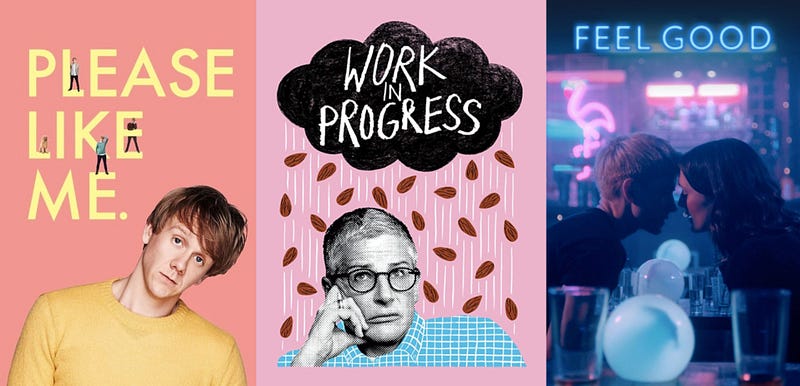
Some of my favorites are “Work in Progress” on Showtime, “Please Like Me” on Hulu, and “Feel Good” on Netflix, all examples of LGBTQ+ artists creating and starring in semi-autobiographical stories — a huge inspiration.
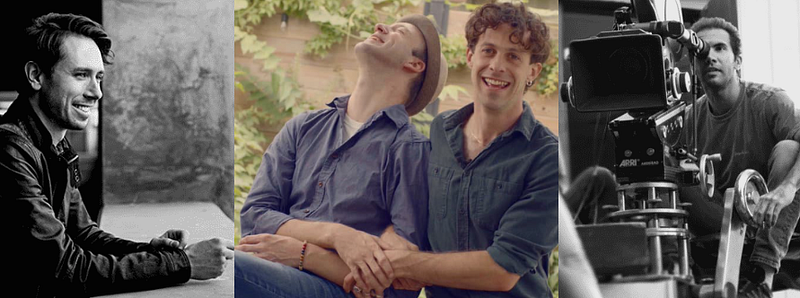
I’ve been a working professional actor my entire life, I’ve been screenwriting for about six years, and I’ve recently started producing my own work. I spent 2020 writing and developing a number of film/TV projects, all focused on queer protagonists and majority-queer ensembles.
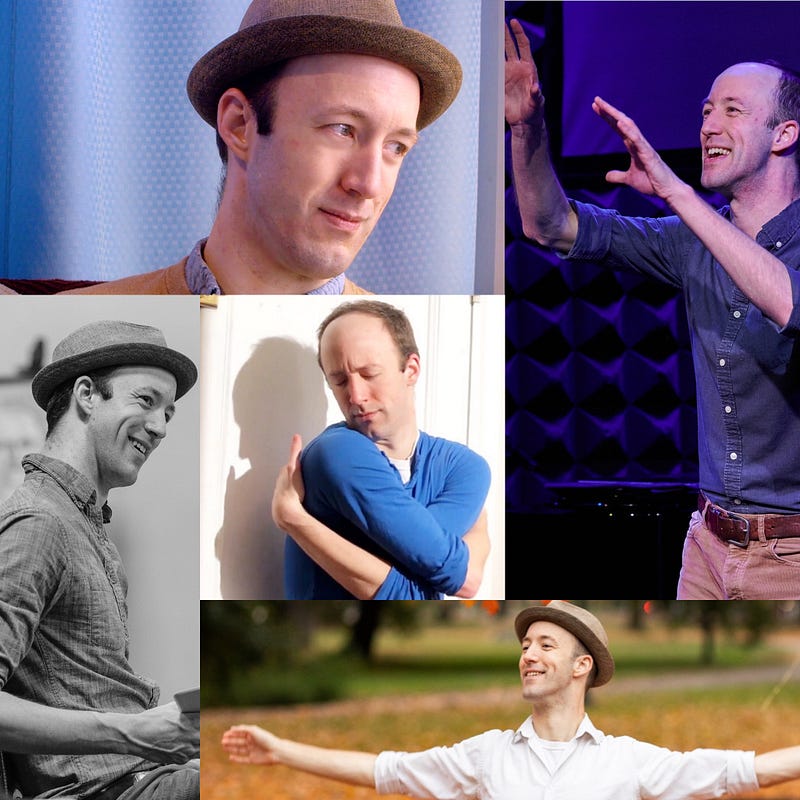
I realized recently that both of the produced feature films I’ve written were sparked by perspectives rooted in my queer-identity. But in both cases, I let the queerness get buried, and the films suffered as a result. From now on, I’m determined to lean into my queerness as a catalyst for my work.
Queer filmmakers don’t have to wait to be picked. We don’t need anyone’s permission. We need to start telling our own stories — here’s one of mine.
When my mother was dying, I found out my father was a porn director.
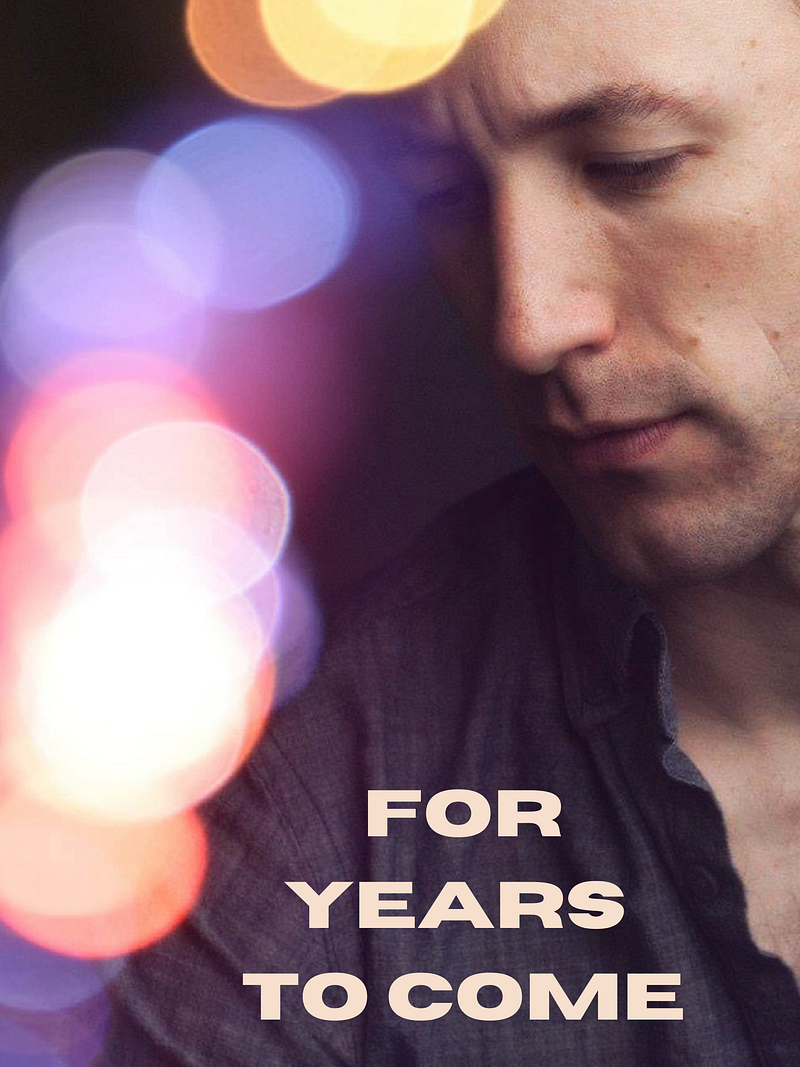
In 2010, my mother was diagnosed with lung cancer. She received in-home hospice care, and I went home to be with her. I knew it was the last time I’d ever see her, so we had a lot of candid conversations. I sat on the bed and asked her about her childhood, her dreams, her regrets, the men she dated before my father — everything!
She freely admitted she spent a lot of her life complaining about the small stuff, like she had all the time in the world. But as I sat with her on the bed, she was more peaceful than I’d ever seen her. She didn’t want to waste any more time. She was thankful for the sunshine and the breeze and the smiles on our faces.
So of course, I adopted this same spirit of frankness with my father. He and I were driving to Costco one day, and I was asking him questions — and he casually mentioned that back in the day, he was a highly paid writer-director of porn!
My head spun around. This was the last thing I expected from the humble man who I remembered painting the fence, watering the lawn, and driving me to school. I was flabbergasted by these two new realities — My mother is dying, and my father’s a porn director!
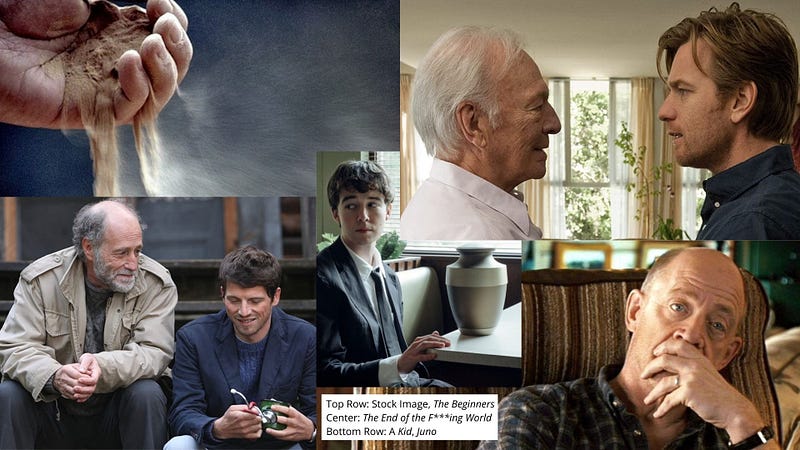
When a parent dies, your narrative about them changes. If you idolized them, they become vulnerable. If you were angry at them, their faults become easy to forgive. Either way, they become a very different person. In this case, my narrative about both my parents got turned upside down at the same time!
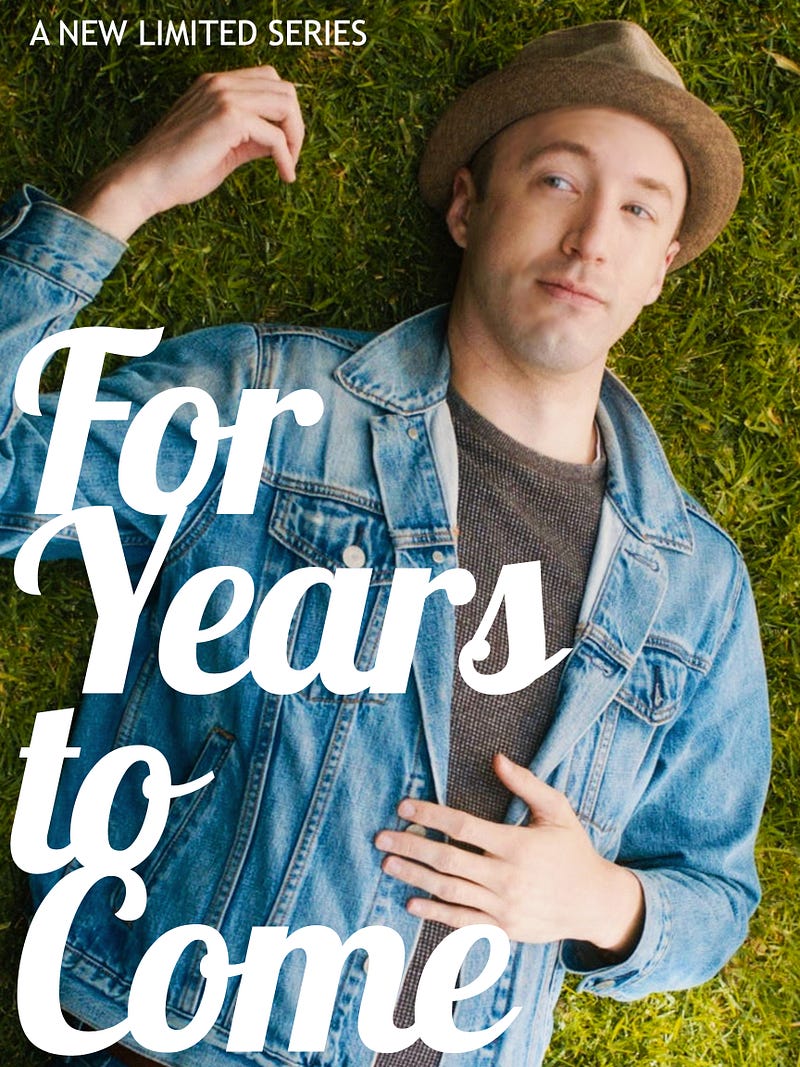
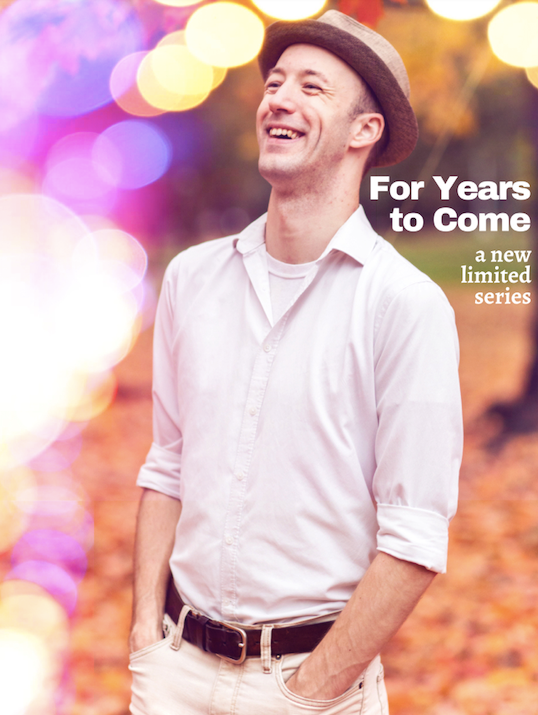
After years of development — and a pandemic, which heightened my urgency to make art about grief and healing — I’m finally telling my story in an episodic dramedy called “For Years to Come,” the story of a young gay man who falls in love with his dead mother’s hospice nurse, while struggling to reconcile with his elderly father, who’s secretly a porn director.
The Queerness is Not the Conflict
Now, you might be wondering, “What does any of that have to do with being gay?” And the answer is… nothing, really. And that’s exactly the point. What I want to see are stories in which queer people are central characters, but their queerness is not the central conflict.
Cis-het audiences can relate to stories about losing a parent or finding love. If they can go beyond passive sympathy (watching queer people struggle with “queer problems”), and lean into active empathy (seeing themselves in a queer protagonist)… that feels like genuine progress toward equality.
Meanwhile, queer audiences are hungry for these kind of stories! We want to see ourselves reflected without a filter and without an apology. We’re tired of sitting on the margins. We are the stars of our own lives, and our lives are about more than just the struggles of coming out. We are richly complex, multi-faceted human beings, with endlessly diverse and distinct experiences, and we deserve to be seen, for all that we are.
I think the best way to eradicate the anti-LGBTQ hatred that persists around the world is to show the breadth of queer people’s humanity, in full-throated, heartfelt stories about all that makes us unique, and all we have in common.
Since this article was originally published, the pilot episode of our TV series “For Years to Come” has been filmed, and played to sold-out crowds in numerous top festivals. Visit this link to learn more and support our work.