
Huayna Picchu
The Incan citadel never found by the Spanish conquerors
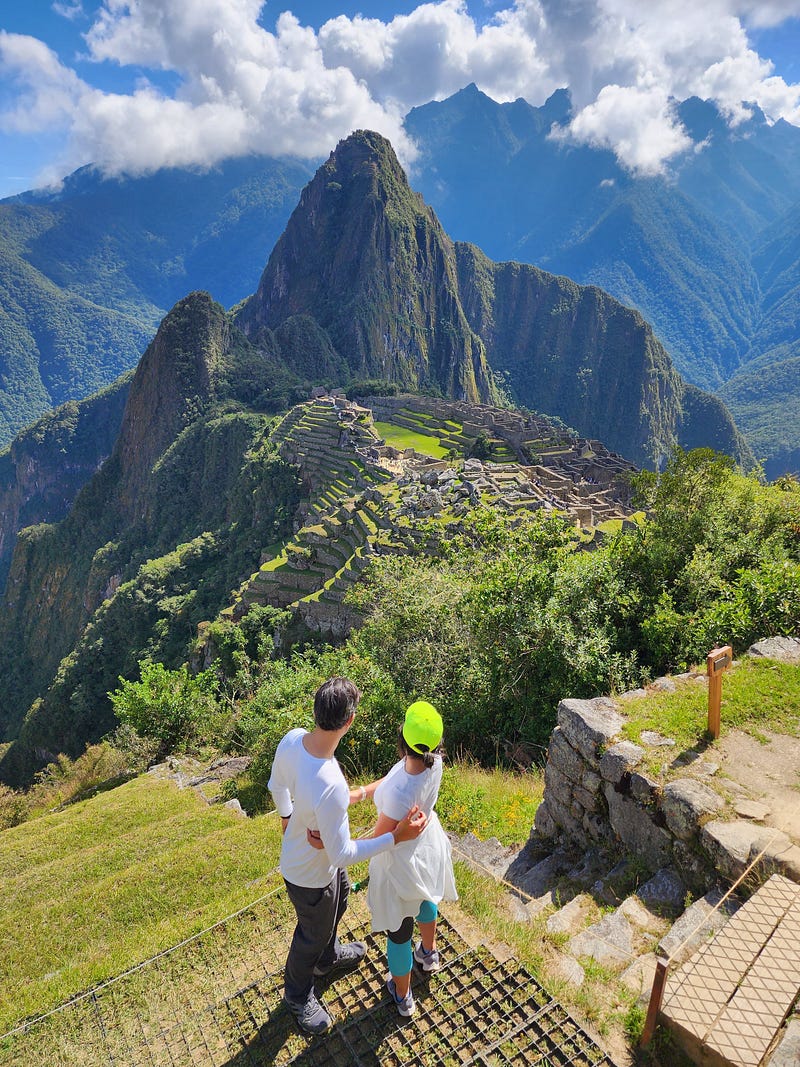
Wrongly named Machu Picchu centuries after its abandonment, the Spanish conquerors overlooked this city within the immensurable Incan empire during their colonial ventures.
Their official travel journals contain only brief mentions of passing around a mountain — known as Machu Picchu, or "old peak" in the Quechua language — during their extensive explorations in the region. Nonetheless, the mountain they referred to differs from the actual location of the renowned Incan city, which was forgotten by the outside world until 1911.
Several local farmers had long been familiar with the ancient ruins, shrouded in thick vegetation. This majestic city, lost to time, stood a few hours' walk away from their homes. One could imagine that for most people, these overgrown ruins engulfed by nature would pose an eerie, intimidating sight.
One of the most significant archaeological discoveries of the 20th century happened without specifically targeting this location. A young historian, Hiram Bingham, with academic degrees in Yale, Berkeley, and Harvard universities, was led to Huayna Picchu (“young peak” in the Quechua language) while on an expedition to locate the lost city of Vitcos.
“When he climbed the mountain on July 24, 1911, he was very surprised to find an Indian family at the top of the ridge. In fact, three families were living on the mountain ridge on which Machu Picchu was built. A young boy from one of those families guided Bingham up the rest of the mountain, where he got his first complete glimpse of the 15th-century city that he would later make world famous. Most of Machu Picchu was covered in jungle vines and trees in 1911, but there were a few sites that the Indian farmers had cleared away to grow crops. - National Geographic Magazine
Days later, a different local guide attributed the name Machu Picchu to the site, after the highest nearby mountain. This misnomer continued to be used in travel diaries and subsequently found its way to newspapers, magazines, and history books.
Just a week ago, we had the opportunity to visit the Historic Sanctuary of Machu Picchu, today's official designation. We departed from Cusco, sitting high at 3,400 meters above sea level, where we sipped on "Té de Coca" (coca tea) to ward off altitude sickness. Our travel day started very early, a few hours before sunrise. Using Inca Rail transportation services, we hopped on a bus, transitioned to a train, and finally took a second bus for the last stretch of the route.
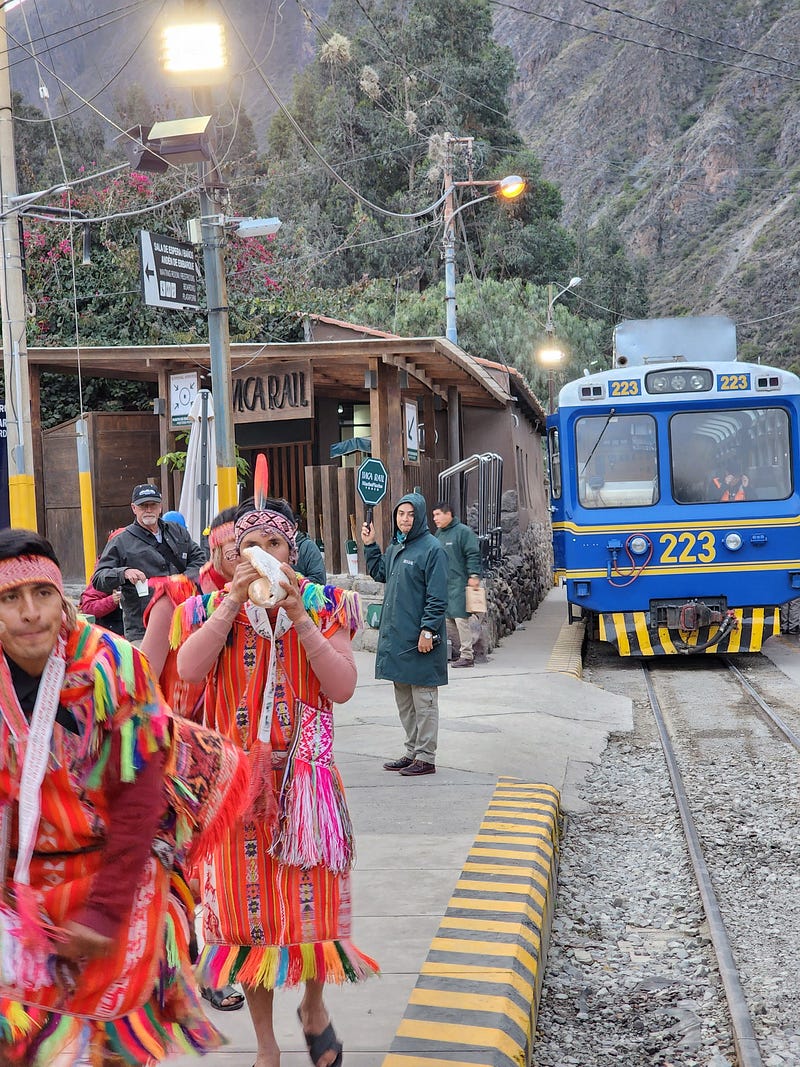
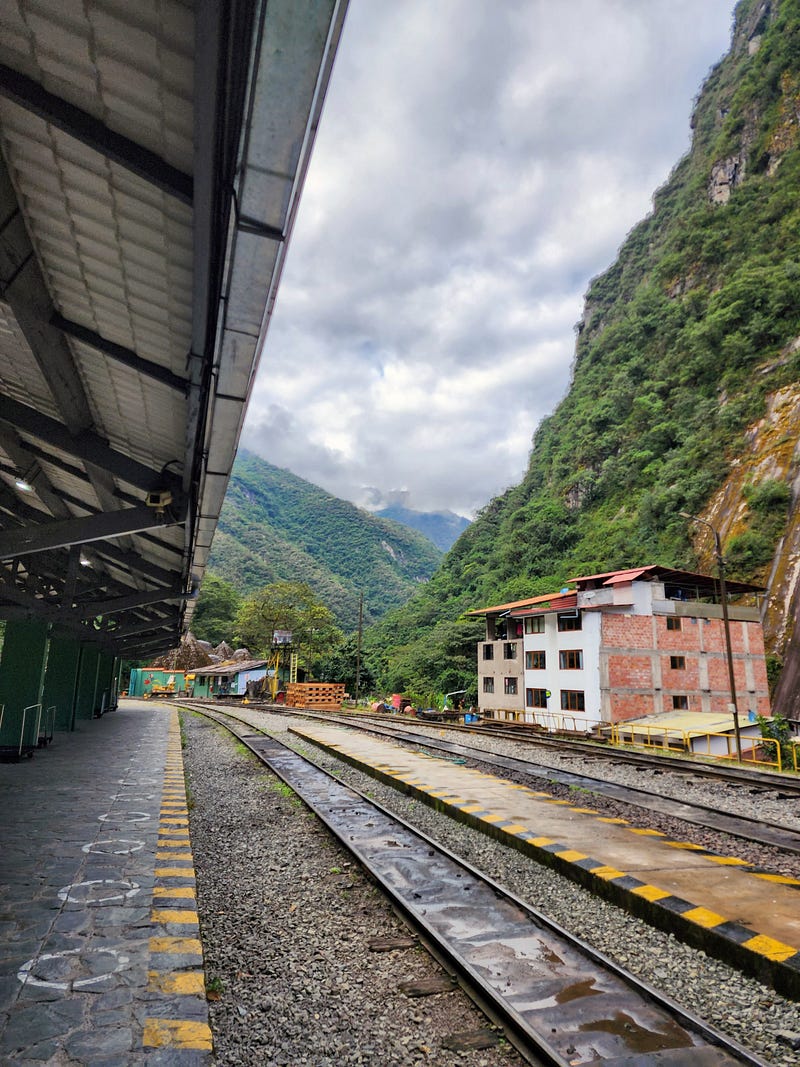
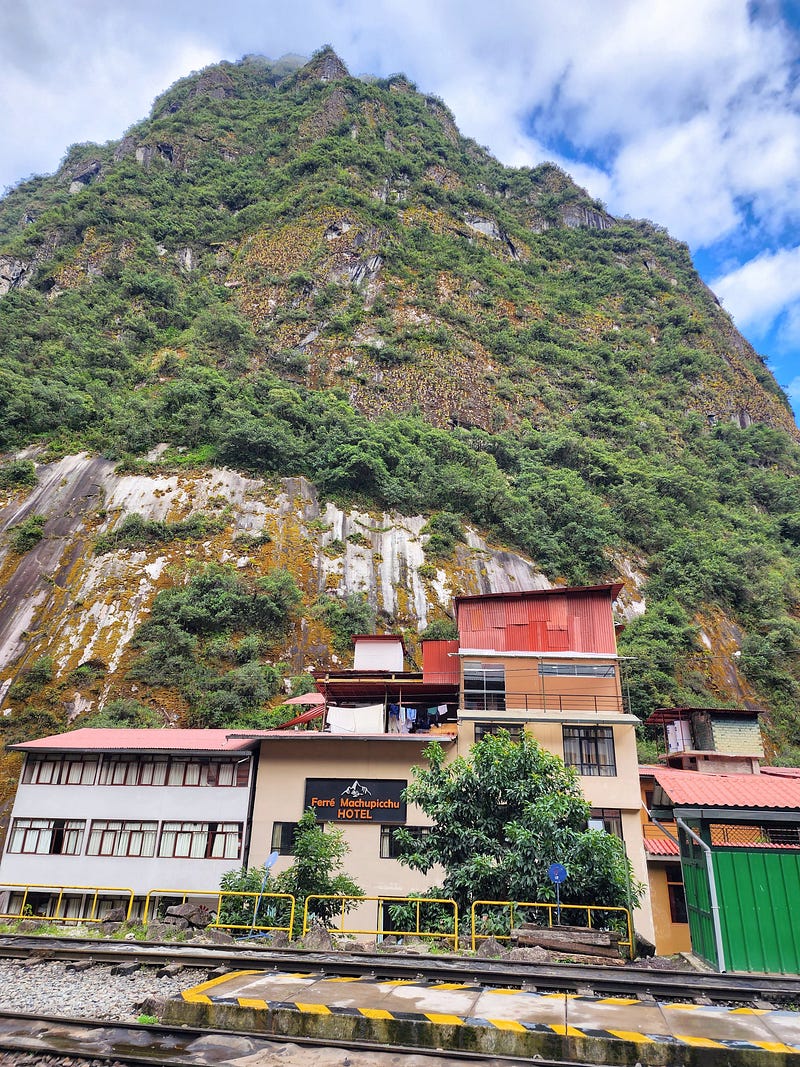
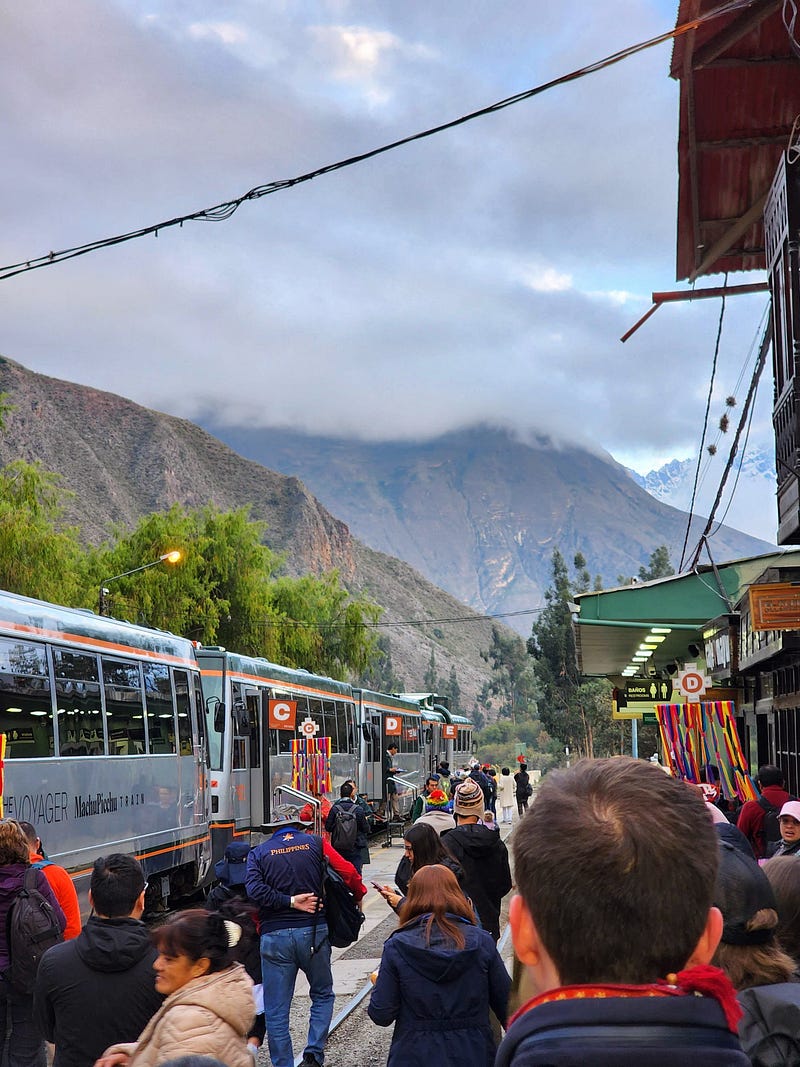
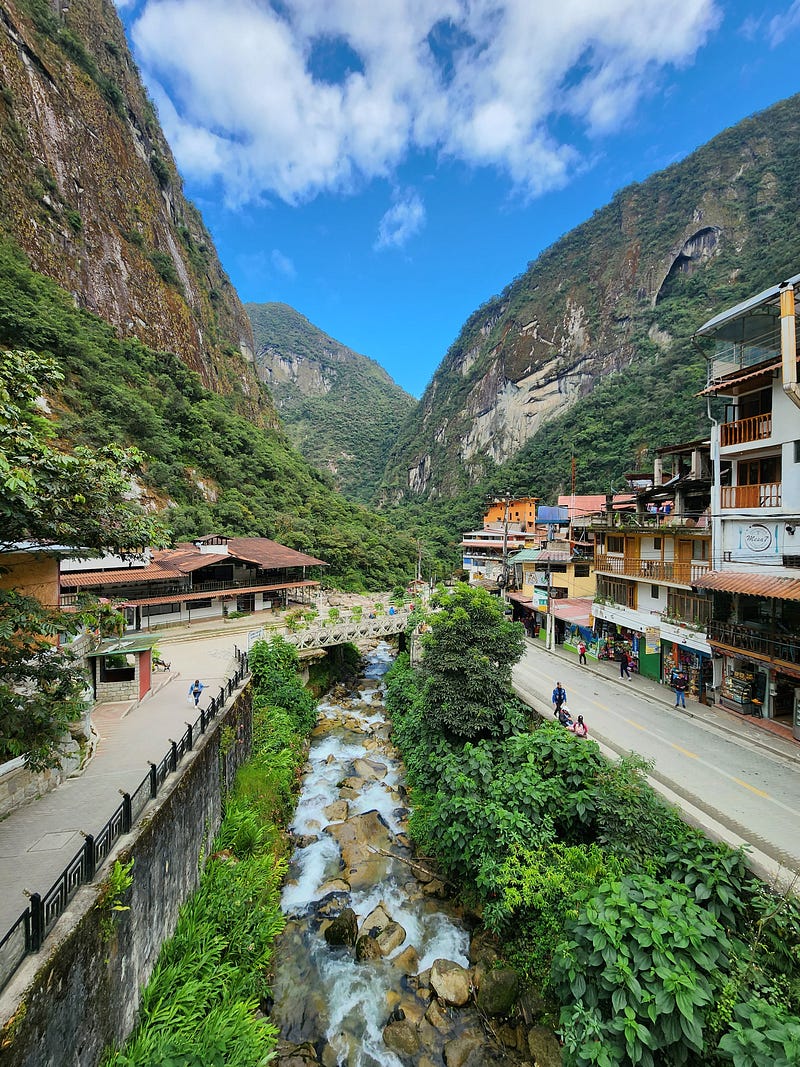
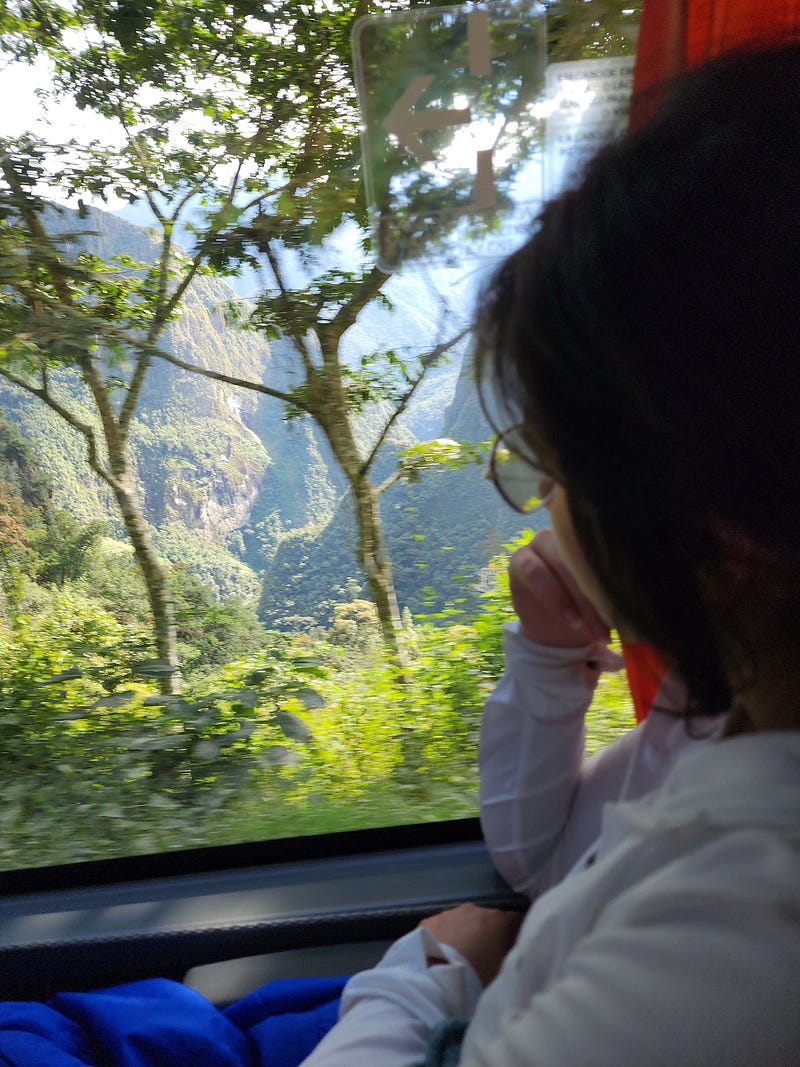
Then we arrived at the official ruins' entrance, escorted by Johan Quispeinga Huisa, a local tour guide who immediately began sharing insightful anecdotes and historical context that helped me frame this article's narrative.
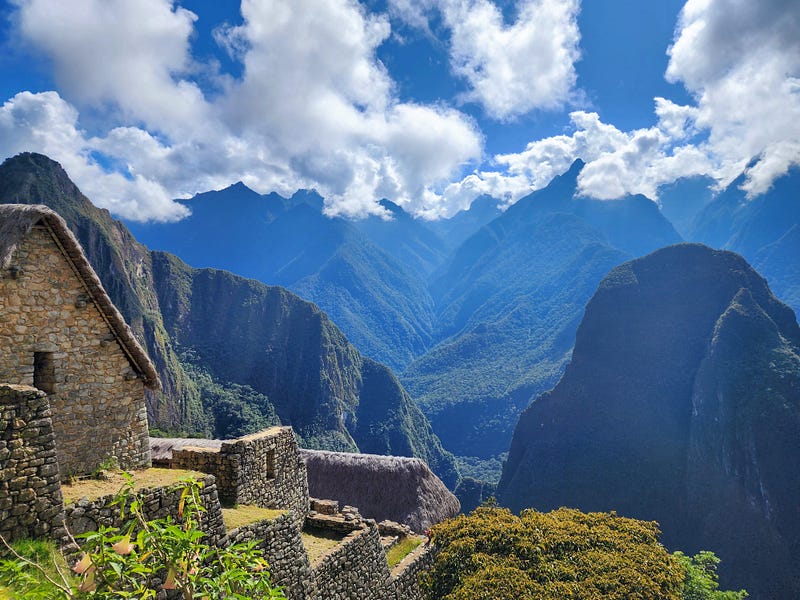
The tourist guide informed us that the expedition that uncovered the archeological site, in addition to the National Geographic Society and Yale University sponsorship, was also financially backed by Tiffany & Co.
Alfreda Mitchell, the granddaughter of the founder of this renowned jewelry company, was married to Hiram Bingham. Their connection to Tiffany’s fortune was pivotal in presenting "Machu Picchu to the Western world.
Hiram Bingham couldn’t resist collecting an astonishing number of Inca artifacts — totaling around 50,000 pieces — to be studied and displayed at Yale University. Initially, he received temporary permission from the Peruvian government and had the country’s support for future excavations.
Tragically, similar to the story of the Parthenon marbles, the treasures discovered by the American explorer were taken to Yale under the pretext of academic research and were never returned to Peru. These stolen Incan artifacts are showcased in Yale, Massachusetts and various museums worldwide, yielding profits for their current owners.
After a custody battle between the Peruvian government and Yale University, a few thousand pieces were returned to Peru in 2011, commemorating the 100th anniversary of Hiram Bingham’s first trip to the site. The century-long dispute was partially resolved through a joint stewardship agreement, although many critics still assert that hundreds of invaluable gold pieces are hidden in Tiffany’s private vaults.
Regarding Hiram’s affiliation with the National Geographic Society, which played a crucial role in the expedition, here's the angle from which the captivating photograph showcased in the magazine was taken. From this perspective, the mountain resembles an Incan face. Can you spot it?
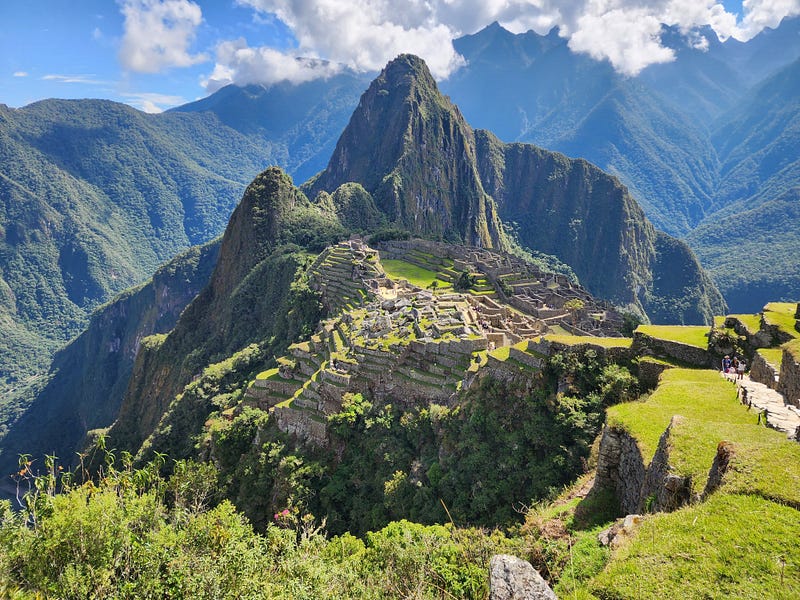
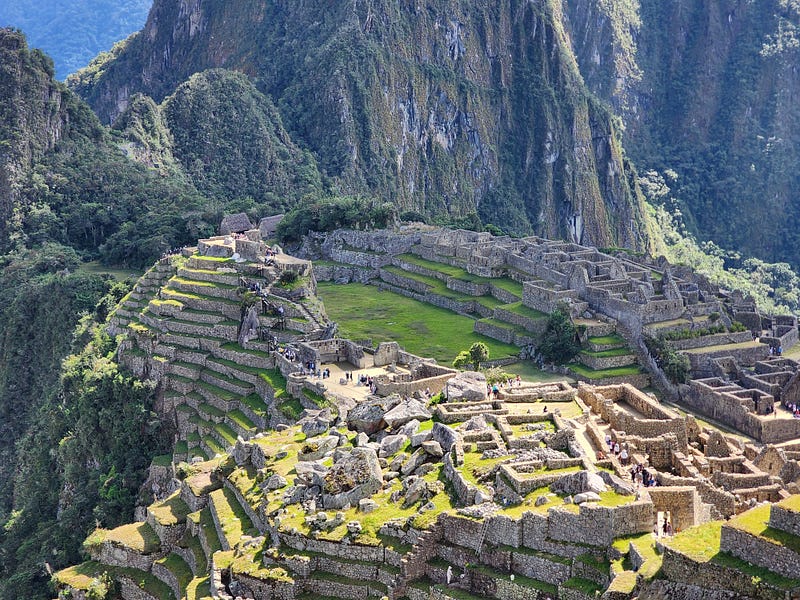
A closer look at the buildings can reveal the crowd, although tourism has been receding since the political turmoil started in February 2023 in Peru.
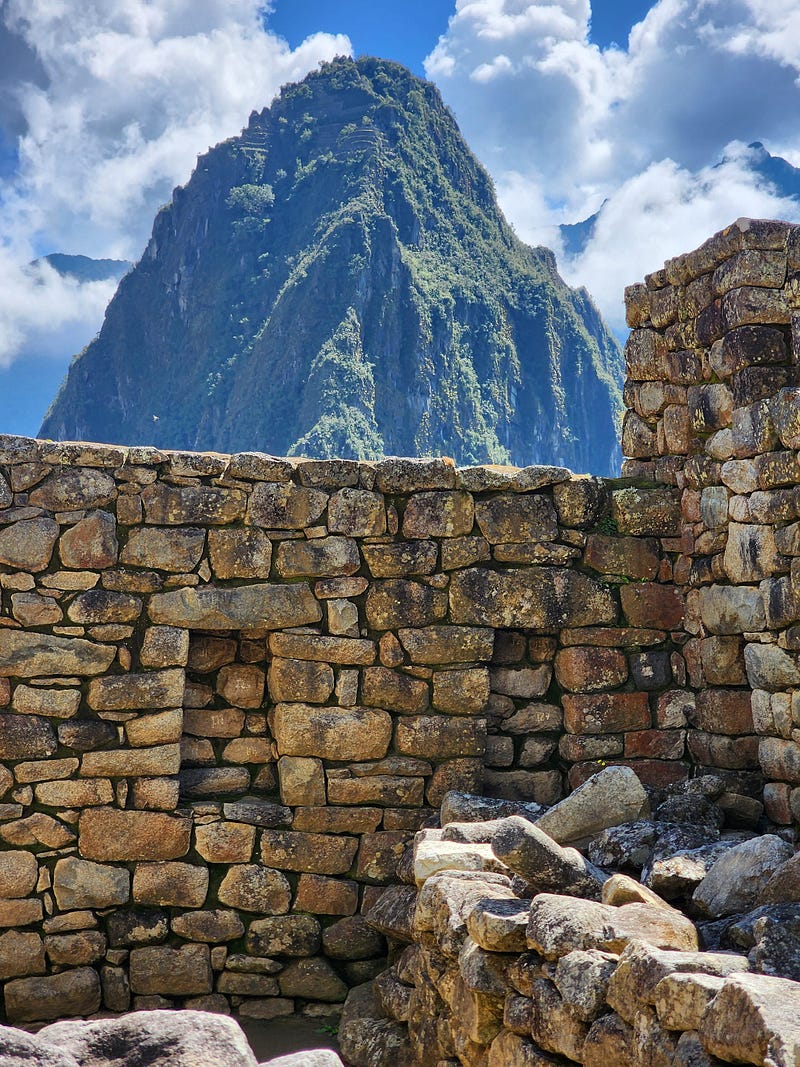
Many buildings in the city of Cusco, located 210 km away, were damaged during the earthquake of the 1950s. However, Huayna Picchu's remained unaffected, thanks to the advanced skills of Incan engineers in constructing earthquake-resistant features, such as trapezoid-shaped doors.
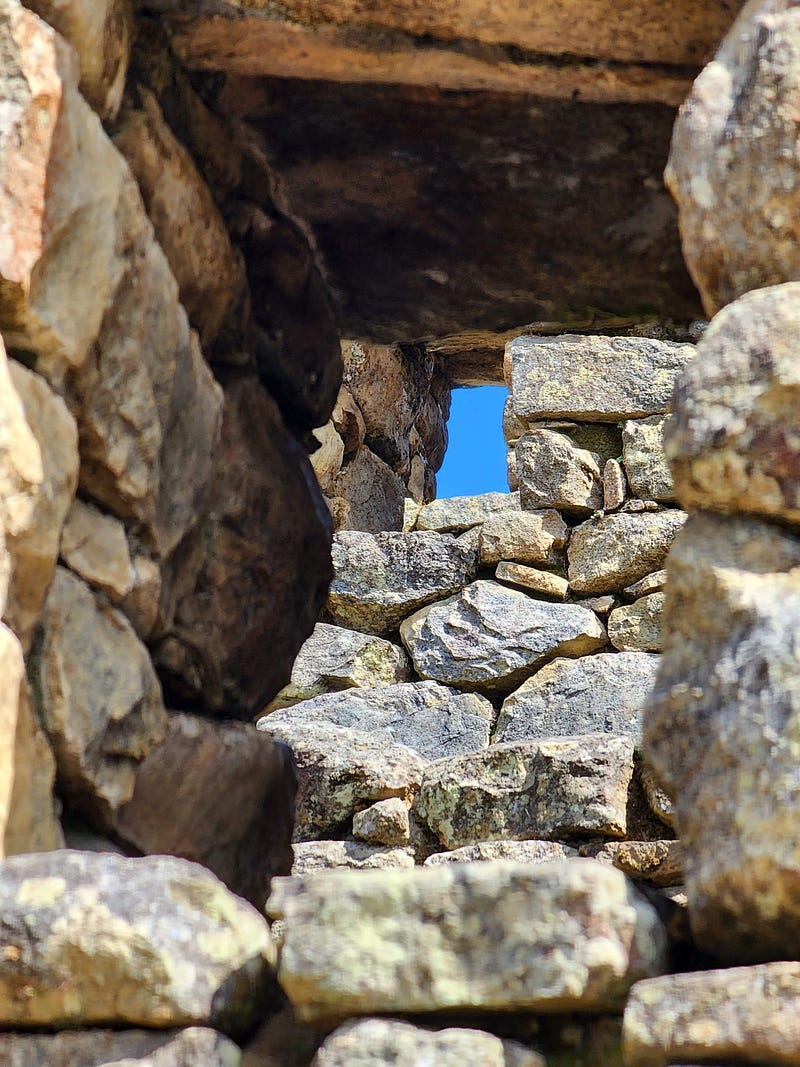
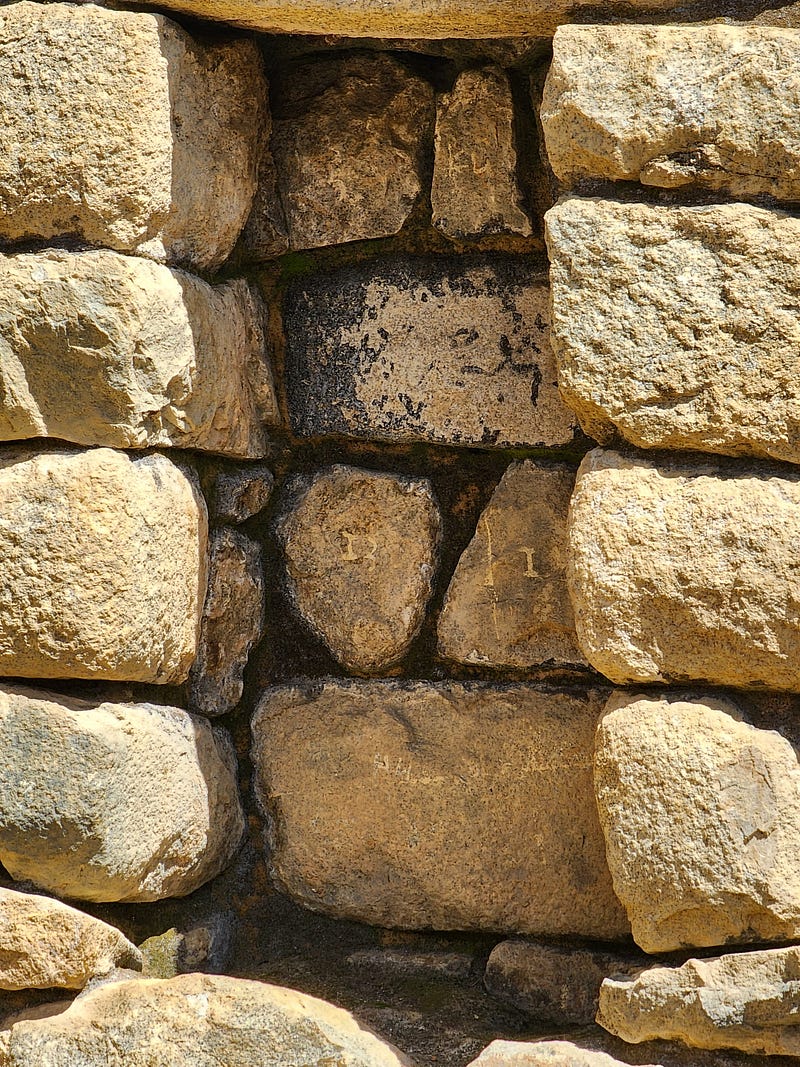
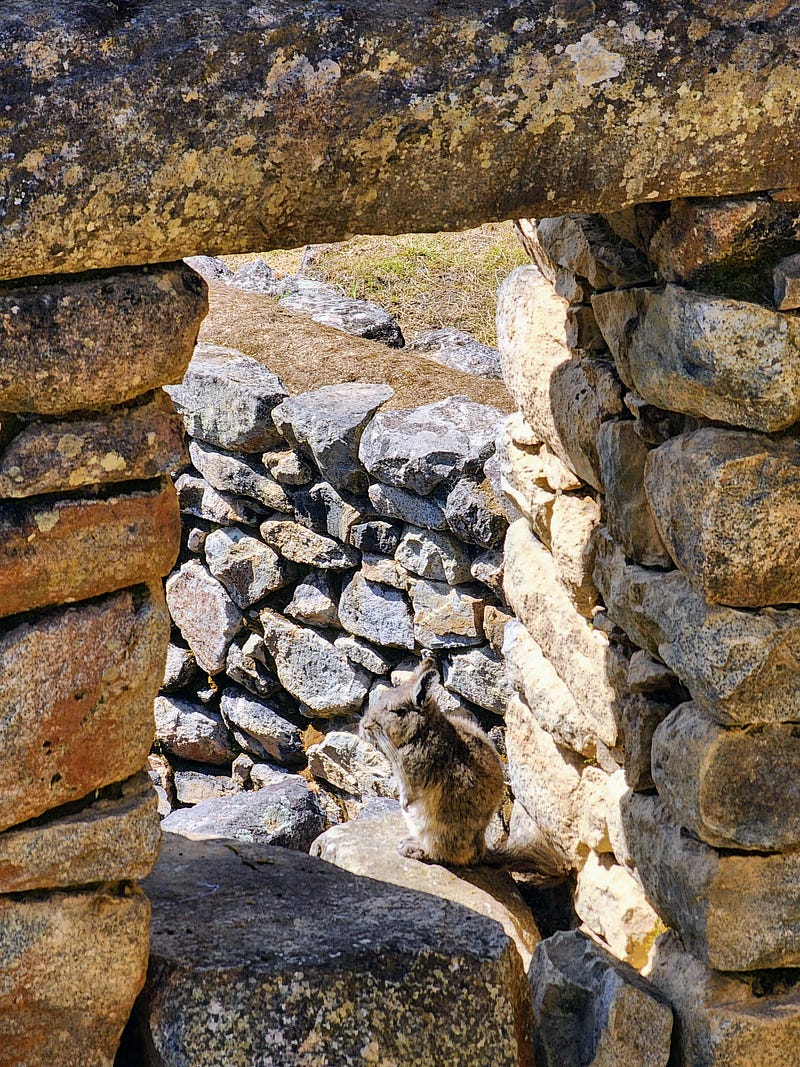
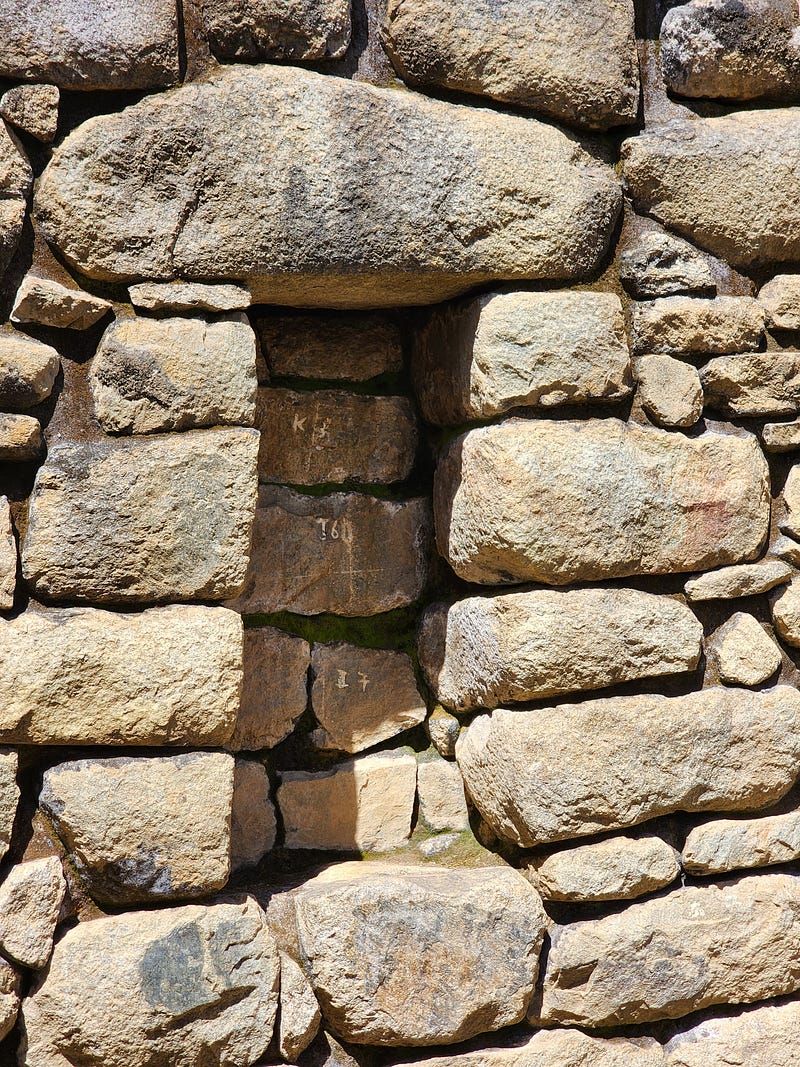
As you walk through the intricate labyrinth of the Incan citadel, you can easily perceive that some areas remain unfinished. Envision the Incas abandoning the city in anticipation of the advancing European conqueror's forces. Had the Spanish discovered this hidden gem, it’s likely that the landscape would be dominated by an imposing Catholic church and colonial-style structures.
Instead, we are privileged to explore ruins that still embody Incan architecture's unique, unadulterated essence.
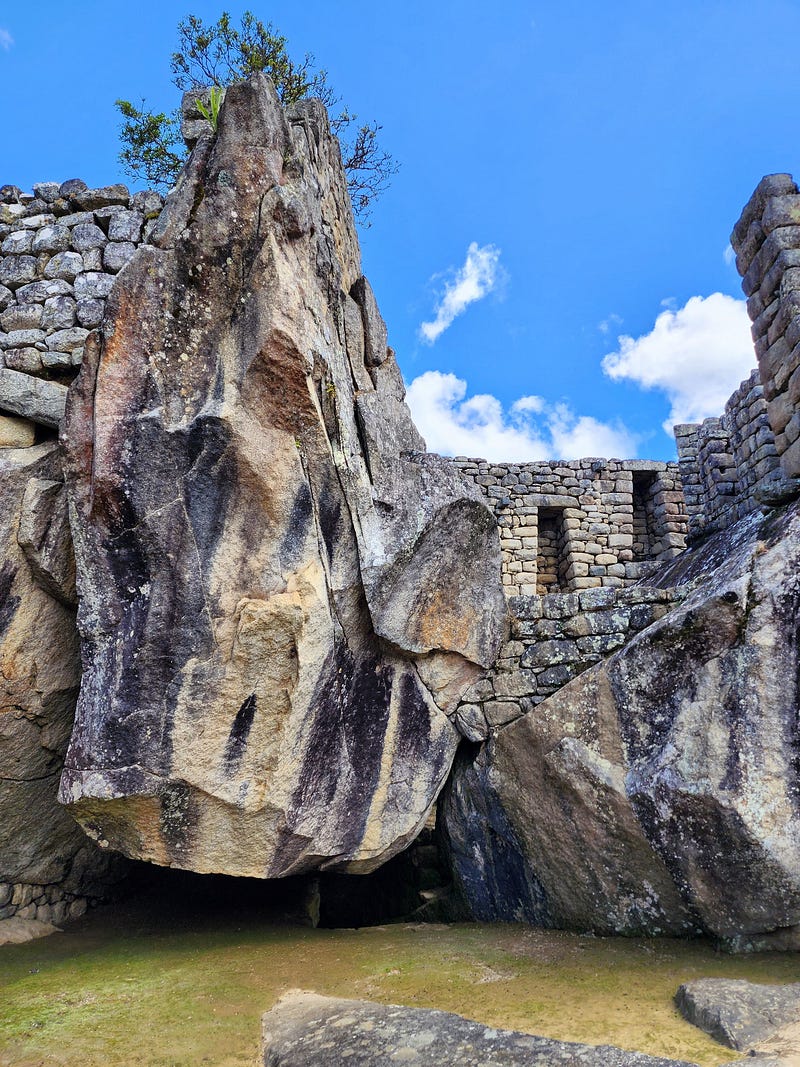
The Incas were master craftsmen who profoundly respected nature. The condor was a significant creature in Incan mythology, believed to be a messenger to the gods and a symbol of the heavenly realm. This unfinished structure was ingeniously crafted to mimic a condor in flight.
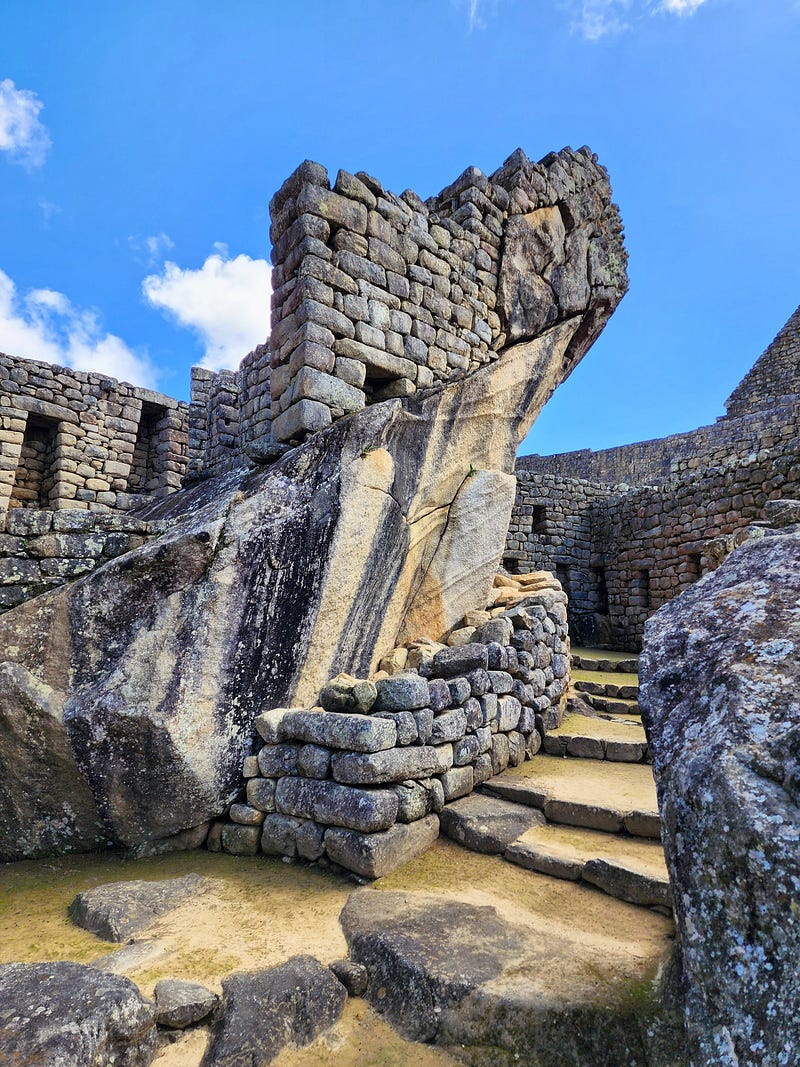
From the 1980s onwards, the ruins of Huayna Picchu have garnered considerable attention for preservation, a focus that intensified after its designation as a UNESCO World Heritage Site.
The following photographs provide a snapshot of a single day’s worth of meticulous maintenance work. They capture the painstaking process of stabilizing and reinforcing the ancient structures and managing vegetation growth to prevent potential damage to these historical treasures.
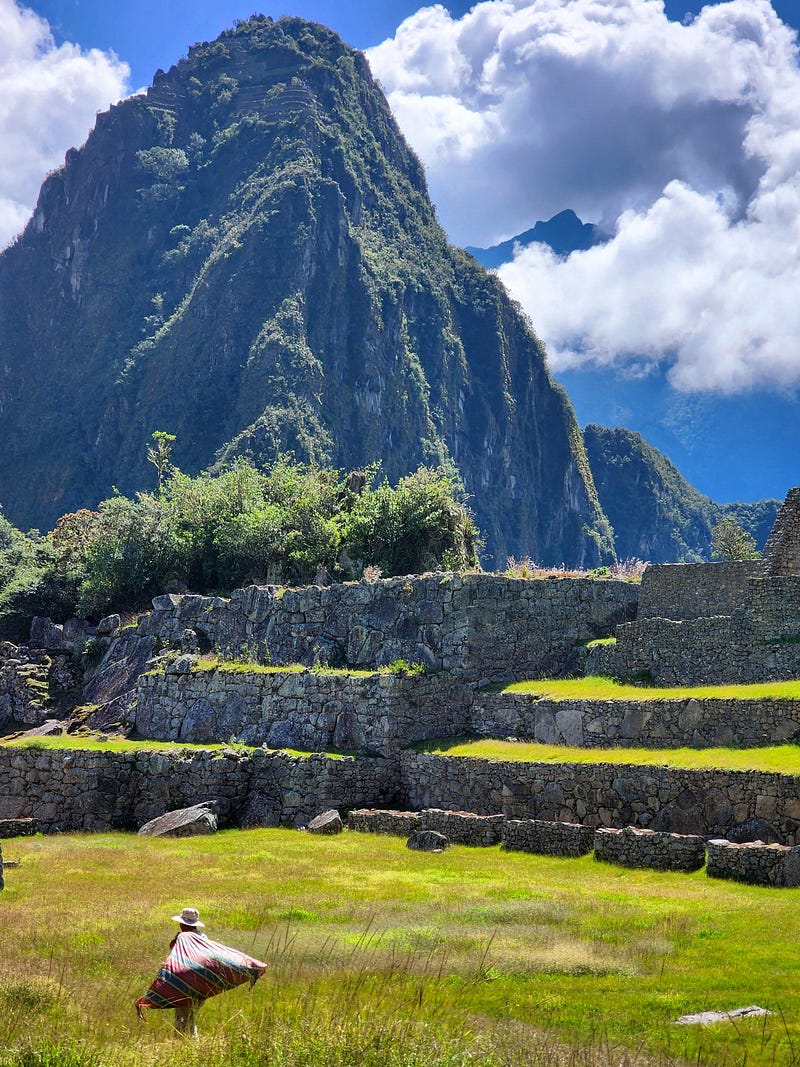
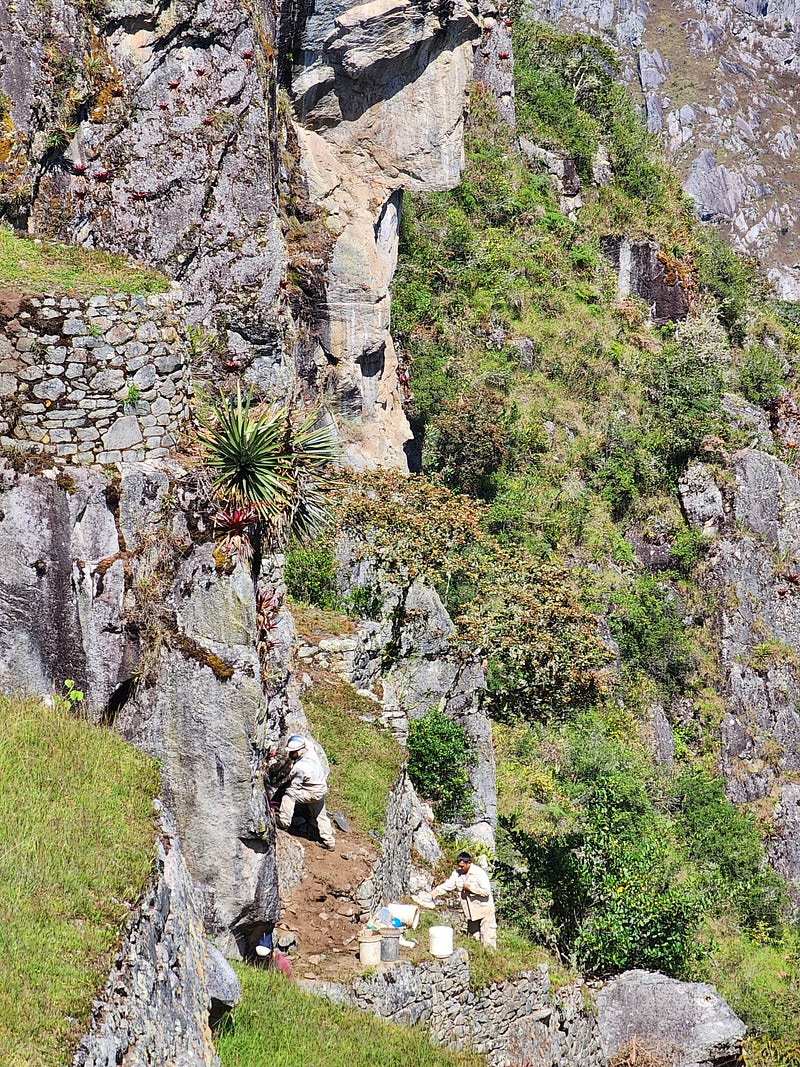
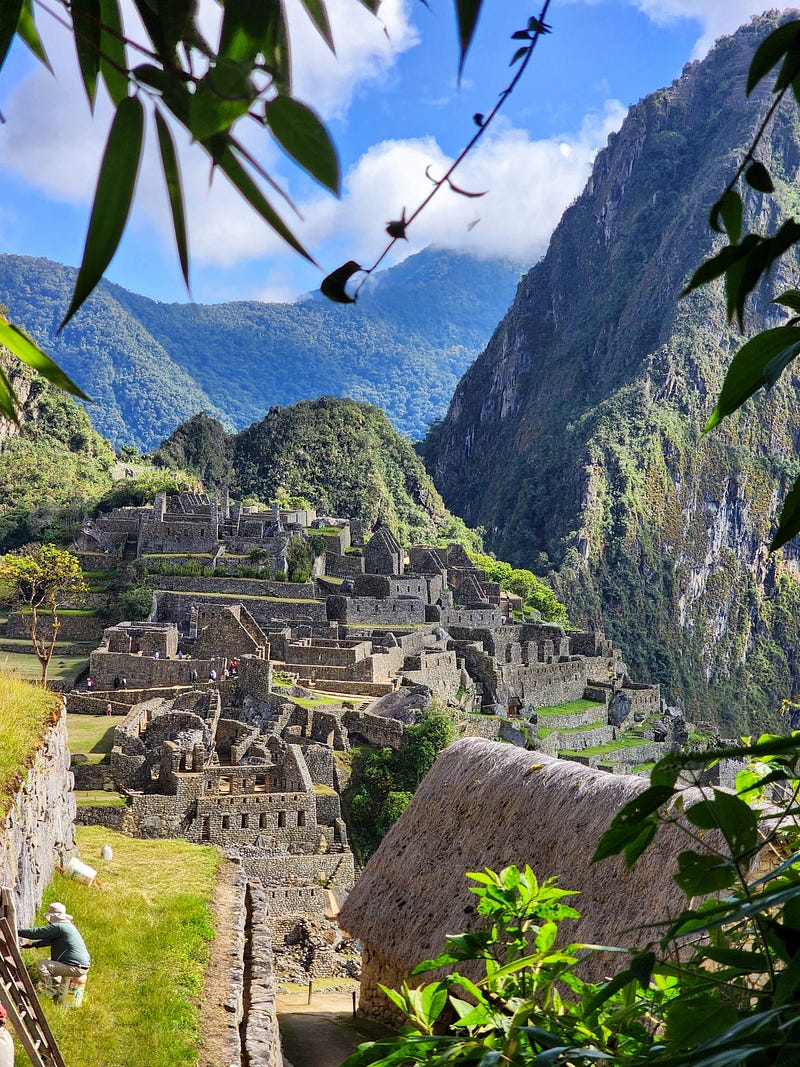
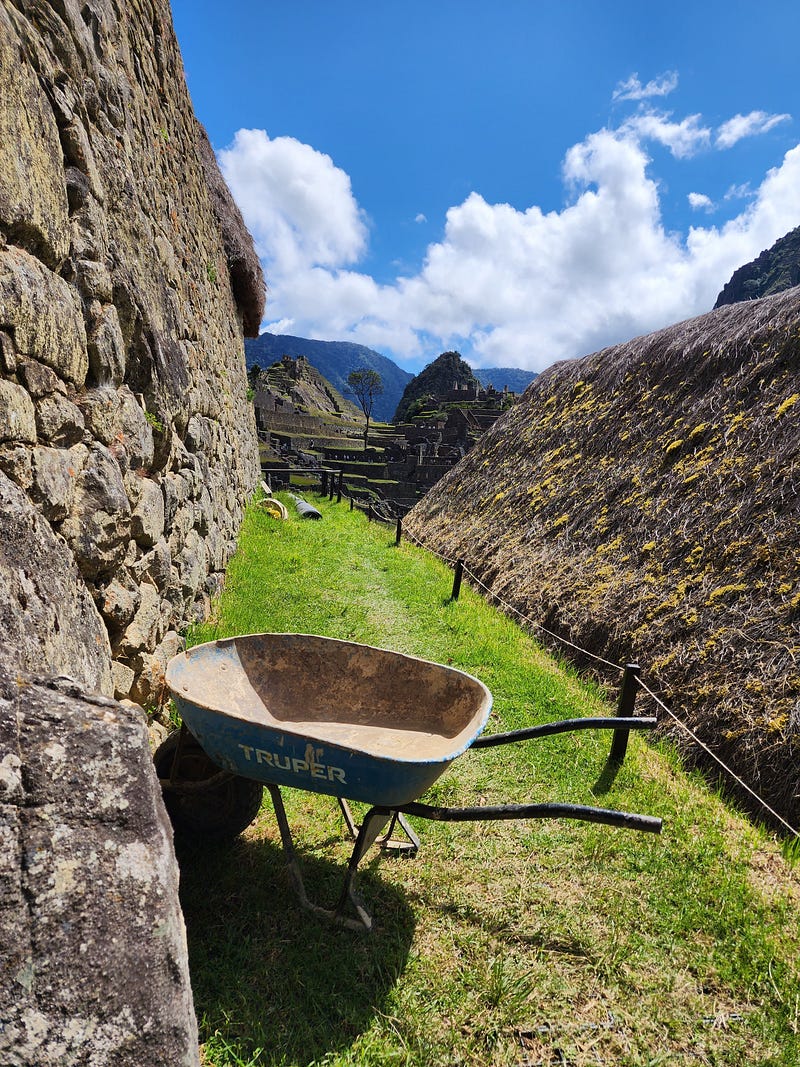
These ongoing efforts promote a balance between tourism and heritage preservation, ensuring the safeguarding of this ancient Inca city's integrity to protect this irreplaceable cultural treasure for future generations.
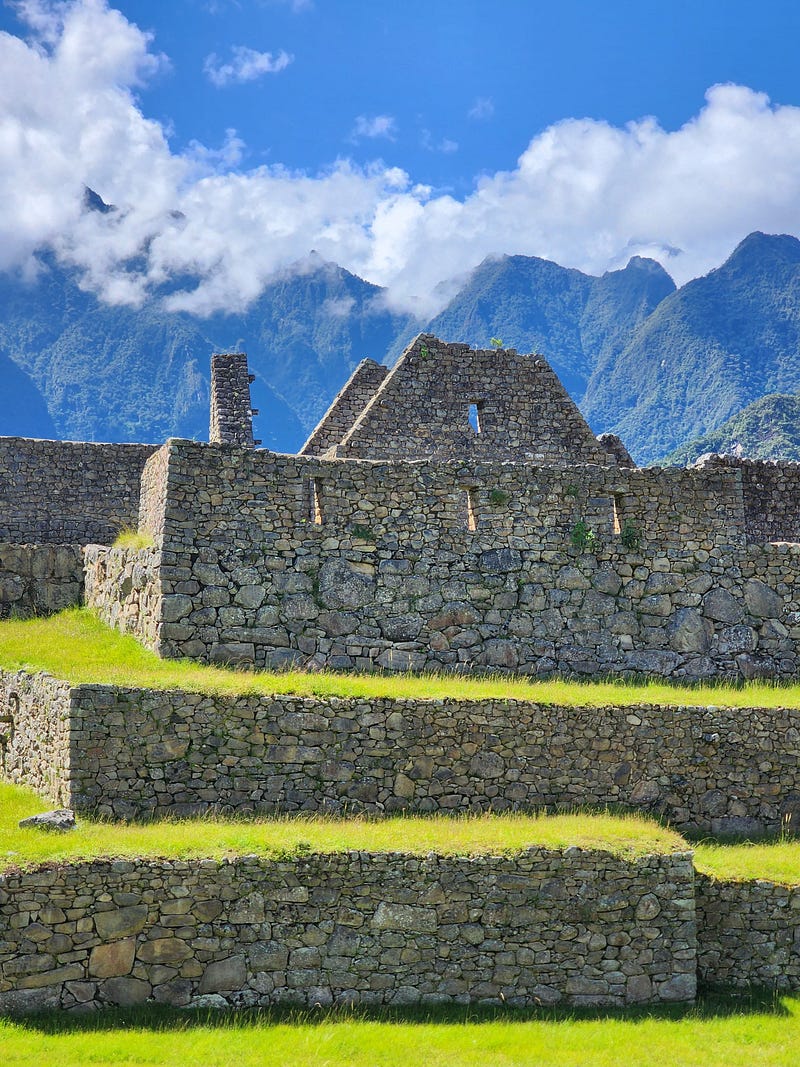
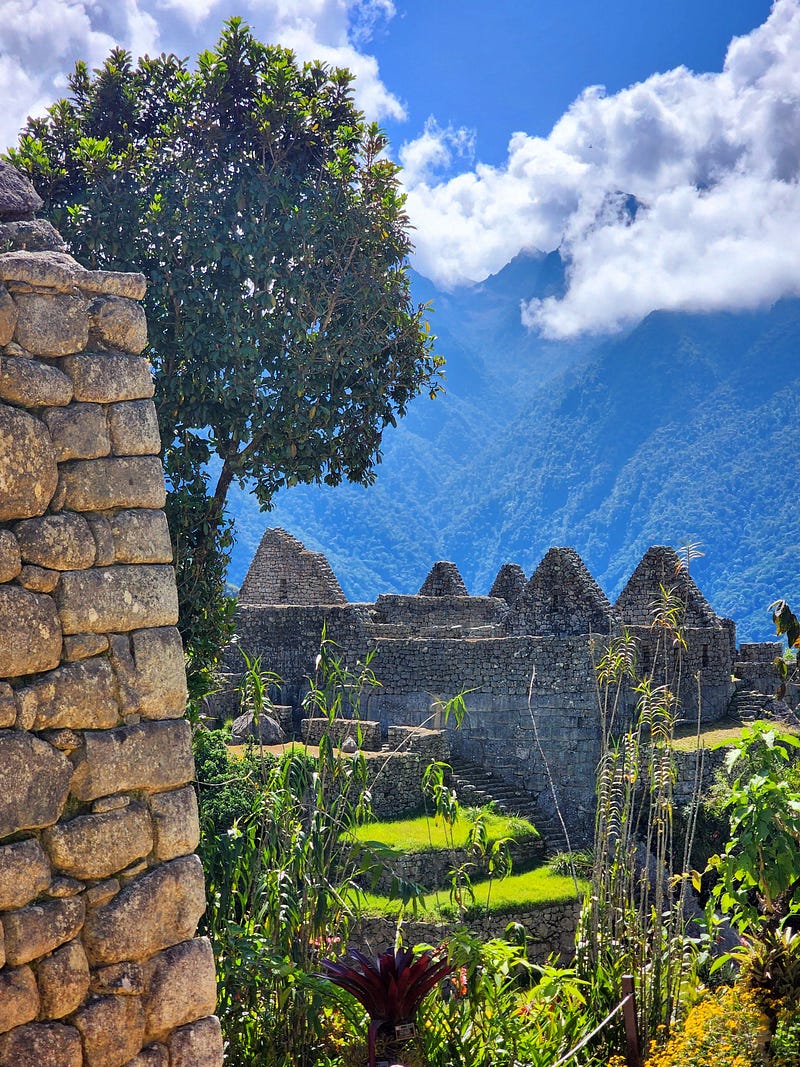
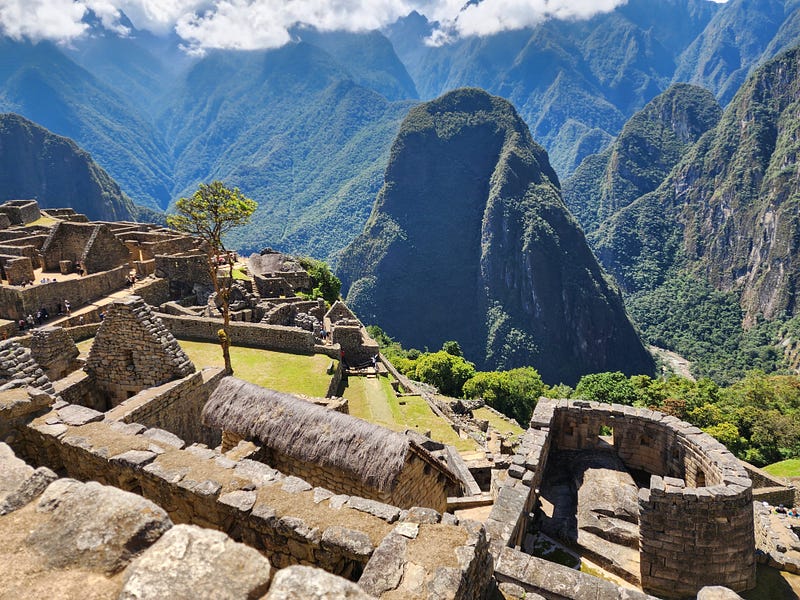
A brief, single-day visit to Huayna Picchu may provide enough opportunity for initial familiarization and to take memories of this historical marvel. However, to truly absorb the rich history, unique architecture, and surrounding geology, I highly encourage active research before, during, and after the trip. Examine books, magazine articles, and mainly engage in conversations with local guides. learning from individuals who have previously visited this site could offer key insights you might eventually find helpful.
While preparing this article, I was truly inspired by Walter Rhein, who shared his unique experience before the site became the global tourist hotspot it is today, largely fueled by social media exposure. He recounts his years living inexpensively in Peru from 2001 to 2009, illustrating his approach to travel, which prioritized function over fashion, embraced local living, and overcame personal hurdles, ultimately resulting in the sense of freedom and self-discovery.
Huayna Picchu is an example of cultural heritage, but many other ruins around the world also continue to serve a functional purpose. Jillian Amatt - Artistic Voyages's article, also featured in the Ruins of the World monthly challenge, showcases the living history embedded in an old Roman theater in Bulgaria.
Explore additional photos on my Instagram profile of my experience in other unique locations around the globe.


