
A FILM TO REMEMBER: “SAVING PRIVATE RYAN” (1998)
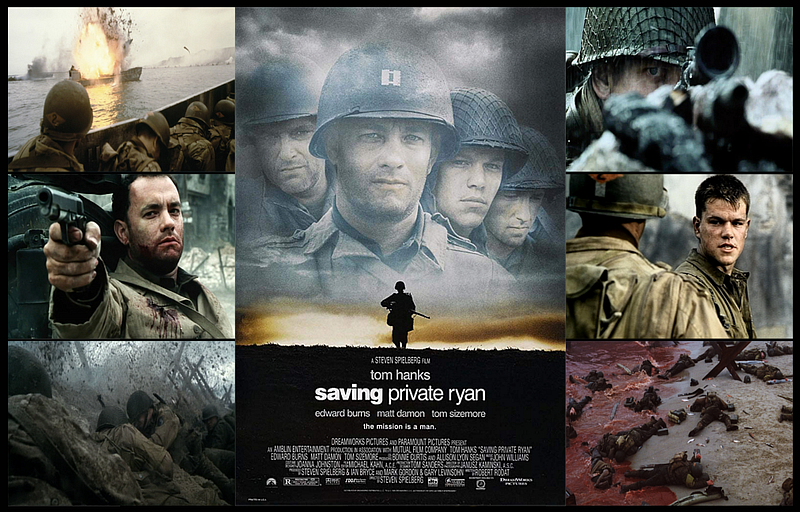
Before I get into this, I want to make mention “A FILM TO REMEMBER” will be a series about films that have reached a milestone anniversary since their origin in being culturally, historically, or aesthetically significant. The articles will contain the film’s plot outline, director, cast, a compilation of trivialities, various photos, movie trailer, critical reception and more. So, let’s start:
We are here to mark the celebration of the 20th Anniversary of Steven Spielberg’s “Saving Private Ryan”. Let’s take an inside look at the film:
PLOT OUTLINE:
Following the Normandy Landings, a group of U.S. soldiers go behind enemy lines to retrieve a paratrooper whose brothers have been killed in action.
STUDIO:
Paramount Pictures
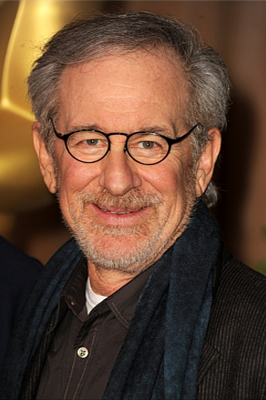
DIRECTOR:
Steven Spielberg
CAST:
- Tom Hanks … Captain Miller
- Tom Sizemore … Sergeant Horvath
- Edward Burns … Private Reiben
- Barry Pepper … Private Jackson
- Adam Goldberg … Private Mellish
- Vin Diesel … Private Caparzo
- Giovanni Ribisi … T-4 Medic Wade
- Jeremy Davies … Corporal Upham
- Matt Damon … Private Ryan
- Ted Danson … Captain Hamill
- Paul Giamatti … Sergeant Hill
- Dennis Farina … Lieutenant Colonel Anderson
- Joerg Stadler … Steamboat Willie
- Max Martini … Corporal Henderson
- Nathan Fillion … Minnesota Ryan
- Leland Orser … Lieutenant DeWindt
- Ryan Hurst … Paratrooper Mandelsohn
- Harve Presnell … General Marshall
- Dale Dye … War Department Colonel
- Bryan Cranston … War Department Colonel
- Harrison Young … Old Ryan
- Kathleen Byron … Old Mrs. Ryan
GENRE(S):
Drama | War
TAGLINE:
There was only one man left in the family, and the mission was to save him.
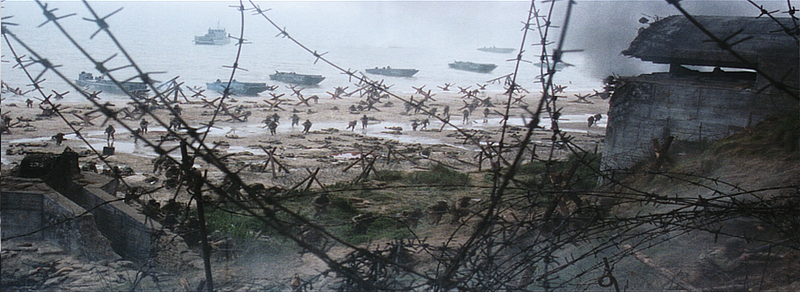
The film is notable for its graphic portrayal of war, and for the intensity of it’s opening 27 minutes, which includes a depiction of the Omaha Beach assault during the Normandy landings, merging some of the most realistically disturbing battle footage ever produced showing that these warriors were ordinary men — men who, if they survived, became the grandfathers and great-grandfathers who, these days, pass largely unnoticed through life. Director Steven Spielberg breaks new ground in content and style with emotional intelligence matched by visual astuteness, and harrowing and passionately felt touching human story that’s anchored by a top-of-the-line cast and a prevailing performance from Tom Hanks in what has been frequently lauded as one of the best war films ever made. The film is loosely based on the World War II life stories of the Niland brothers, it received universal acclaim overall with certain criticisms but it’s become the ultimate combat film of a searing, heartbreaking and intense cinematic masterpiece.
Here’s what some of the critical receptions have been for the film over the years:
Gary Kamiya from Salon.com says: “Using the overpowering techniques of modern film, Spielberg has cut through the glory-tinged gauze that shrouds World War II to reveal its brutal reality, creating a phenomenology of violence unsurpassed in the history of cinema.”
Andrew Sarris from New York Observer says: “I found it tediously manipulative despite its Herculean energy.”
Gene Siskel from Chicago Tribune says: “It accomplishes something I had been taught was most difficult — making an action-filled anti-war film or, at least, one that doesn’t in some way glorify or lie about combat.”
Richard Schickel from TIME Magazine says: “A war film that, entirely aware of its genre’s conventions, transcends them as it transcends the simplistic moralities that inform its predecessors, to take the high, morally haunting ground.”
James Berardinelli from ReelViews says: “For those who are willing to brave the movie’s shocking and unforgettable images, the film offers a singular motion picture experience.”
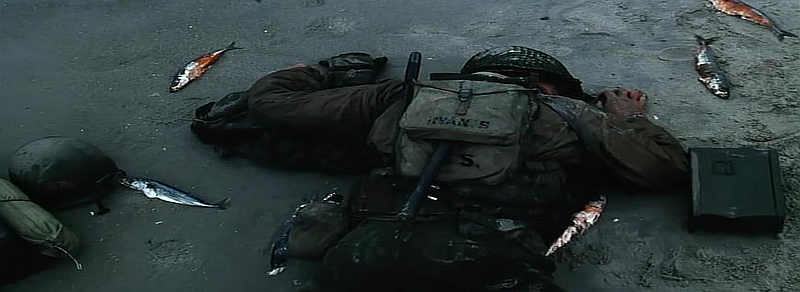
As you can tell by the critical reactions, the film was mostly highly garnered despite some pundits pointing at ignoring the contributions of several other countries to the D-Day landings but despite that, Spielberg’s technical finesse is a visual masterwork, that develops into a powerful and potent portrayal of men at war through a raw brutality of combat that is presented as indelibly as it is here. The film finely balances the inhumanity of war and the humanity of its protagonists with a platoon of an unlikely combination of heroes, cowards and crusaders, infused with a first-rate cast and a particularly, top drawer performance by Hanks as it shows what America was once capable of, how a threat to freedom and justice was met with resolve and bravery, and how a great victory came at great cost in this deconstructing war machine, milestone classic. But I’ll let you decide…
So, to get a better look at the film, here’s a link to the movie trailer of Steven Spielberg’s “Saving Private Ryan”:
Here I have provided 12 interesting and intriguing trivia facts (I wanted to keep it limited) about “Saving Private Ryan”:
- In casting the film, Steven Spielberg sought to create a cast that looked the part, stating in an interview, “You know, the people in World War II actually looked different then people look today,” adding to this end that he cast partly based on wanting the cast “to match the faces I saw on the newsreels.”
- Tom Sizemore was battling a drug addiction during production. Steven Spielberg gave him an ultimatum that he would be blood tested on the set every day of filming, and if he failed the test once, he would be fired and the part of Horvath would be recast and re-shot with someone else, even if it was at the end of production. Sizemore agreed and managed to pass all of his tests. Unfortunately, he would relapse into drug abuse later in his career.
- The film’s second scene is a 20+ minute sequence recounting the landing on the beaches of Normandy. Steven Spielberg chose to include this particularly violent sequence in order “to bring the audience onto the stage with me” specifically noting that he did not want the “audience to be spectators” but rather he wanted to “demand them to be participants with those kids who had never seen combat before in real life, and get to the top of Omaha Beach together.”
- 40 barrels of fake blood were utilized in the opening battle scene.
- When Tom Hanks’ character tells the rest of the unit what he does for a living back home, Hanks’ speech was much longer in the original script. But Hanks felt that his character wouldn’t have said so much about himself, and he told Steven Spielberg about it which he agreed, and the speech was shortened.
- Steven Spielberg considered casting Matt Damon after viewing his performance in “Courage Under Fire” (1996), but thought he was too skinny. Ironically, Damon had put himself on a crash diet for the film on purpose, to appear emaciated. Robin Williams introduced Damon (who had regained much of his former weight) to Spielberg on the set of “Good Will Hunting” (1997), and which changed Spielberg’s mind.
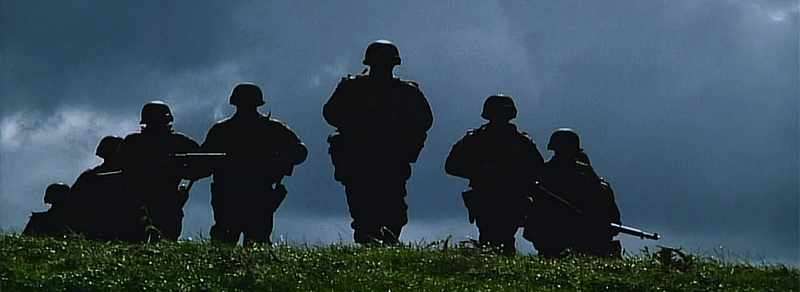
- Steven Spielberg personally held and operated the camera for many shots during the Omaha beach battle.
- The Omaha Beach scene cost $11 million dollars to shoot, and involved up to 1,000 extras, some of whom were members of the Irish Army Reserve. Of those extras, twenty to thirty of them were amputees, issued with prosthetic limbs, to simulate soldiers having their limbs blown off.
- Mel Gibson and Harrison Ford were both considered for the role of Captain Miller, before Steven Spielberg decided on casting Tom Hanks.
- Before filming began, several of the film’s stars, including Edward Burns, Barry Pepper, Vin Diesel, Adam Goldberg, Giovanni Ribisi, and Tom Hanks, endured a grueling, 10 days of “boot camp” training led by Marine veteran Dale Dye and Warriors, Inc., a California-based company that specializes in training actors for realistic military portrayals. Tom Hanks, had previously been trained by Dye for the Vietnam war scenes in “Forrest Gump” (1994), was the only cast member who knew it would be a hard and uncompromising experience: Interestingly, Damon was intentionally not brought to the camp, to make the rest of the group feel resentment towards his character. Steven Spielberg stated that his main intention in forcing the actors to go through the boot camp was not to learn the proper techniques but “wanting them to respect what it was like to be a soldier.”
- The role of Caparzo was written just for Vin Diesel, after Steven Spielberg saw Diesel’s independent film “Strays” (1997), which was also his directorial, writing, producing and lead acting debut.
- The Omaha Beach battle was filmed in sequence over a 4-week period, moving the action up the beach shot-by-shot and day-by-day. Steven Spielberg claims that none of it was storyboarded in advance.
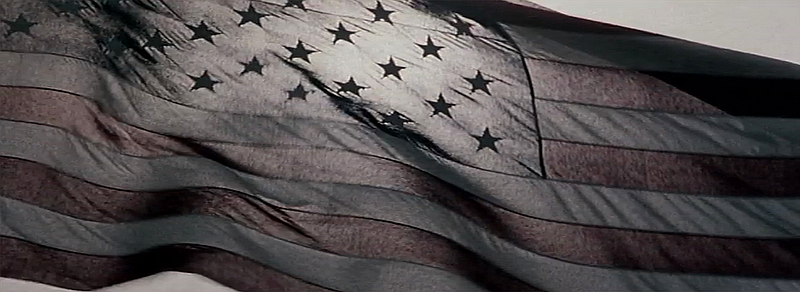
To conclude, Steven Spielberg’s “Saving Private Ryan” is an unflinchingly realistic war film that virtually redefines the genre in a weaving heart-pounding action and gut-wrenching emotion that will leave viewers silently shaken with shocking and unforgettable images speaking for themselves in indelible volumes. Steven Spielberg has captured the hair-trigger instability of modern combat without over-sentimentalization while bringing about a fuller understanding of the sacrifice on the battlefield and a soaring paean to the courage of man — as individual and as family that educates the senses. The film features a compelling, intimate and brutally realistic an account of men at war through an assembled superlative cast that’s led by a courageous performance from Tom Hanks in this deeply genuine, mercilessly graphic and a sterling testament of the actual horrors of war with a dignified salute to the fallen that qualifies it as one of the magnum opus of American films about World War II and the war genre.
NOTE: The article contains sources from IMDb and Wikipedia.
Follow me and check out other articles of mine:


